Source Diesel Steel Refrigerated Van for Cold Storage, Food Delivery, and Medical Transport
Explore 30 listings for the Diesel Steel Refrigerated Van, comparing models with manual transmissions, Euro emission standards, and insulation options. Buyers can evaluate specifications ranging from 2T to 40T capacity for cold storage, food delivery, and medical transport needs.
Key considerations
Products List

Customized Freezer Van Body Refrigerator Container Refrigerated Van
$5150.00 - $25000.00
MOQ: 1 Pieces


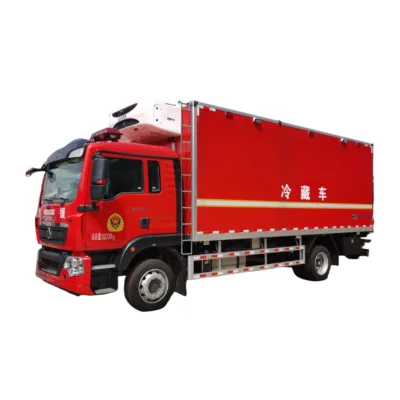


Dongfeng Freezer Refrigerated Chilled Cold Cooling Reefer Box Refrigeration Van with Refrigerator
$20300.00 - $37000.00
MOQ: 1 set

High Quality Mobile Refrigerator Refrigerated Van Truck for Transportation
$4800.00 - $12800.00
MOQ: 1 unit


10ton Refrigerated Cooling Van Refrigeration Box Truck 32m3 Capacity
$24500.00 - $32000.00
MOQ: 1 Pieces


Dongfeng Kr Freezer Refrigerator Refrigerated Insulated Body Van with Carrier Refrigerator Unit
$20000.00 - $30000.00
MOQ: 1 Pieces

Dongfeng 10-15tons Refrigerated Cooling Freezer Box Truck Food Transport Refrigerator Van Truck
$20000.00 - $30000.00
MOQ: 1 Pieces


Comprehensive Sourcing Guide
Strategic Sourcing Guide for Diesel Steel Refrigerated Vans
Technical Specifications and Configuration Analysis
When sourcing a Diesel Steel Refrigerated Van, the buyer must first dissect the technical architecture that defines the vehicle's operational viability. The core keyword implies a specific combination of propulsion, chassis material, and thermal containment. Based on observed market data, the propulsion systems for these units typically range from 170 HP to 340 HP, offering flexibility for varying load requirements. While some entry-level configurations may feature horsepower under 150 HP, the heavy-duty variants capable of sustained refrigeration cycles in demanding environments generally align with the higher horsepower spectrum. The fuel type is predominantly diesel, with fuel tank capacities observed at 200 liters, ensuring extended range for logistics operations.
The chassis and body construction are critical for durability. The vehicle body is often constructed using FRP (Fiberglass Reinforced Plastic), Stainless Steel (SS), and Color Plate materials. This multi-material approach balances corrosion resistance with structural integrity. The insulation layer, a vital component for temperature retention, typically ranges from 80mm to 100mm in thickness. This specification is essential for maintaining the minimum internal temperature of -18 degrees Celsius, a standard requirement for frozen goods transport. The floor construction frequently utilizes checker plate, providing necessary slip resistance and structural support for heavy palletized loads.
Transmission and mounting configurations vary significantly based on the specific model and intended application. Buyers should note that transmission types are often manual, though automatic options exist in the broader market. The cooling machine installation is a key variable; it can be configured as a front mounting type, roof mounting type, or under mounting type. Some advanced units offer an optional electric standby system, which allows the refrigeration unit to operate independently of the engine, preserving fuel and reducing wear during unloading. The condenser design is frequently described as exclusive to refrigeration units, optimized for high-efficiency heat exchange. The fan material is typically aluminum alloy, chosen for its lightweight properties and resistance to oxidation.
Compliance, Certification, and Emission Standards
Navigating the regulatory landscape is a non-negotiable aspect of sourcing diesel refrigerated vans. Compliance ensures that the vehicle can legally operate in target markets and meet safety standards. The observed certification landscape includes ISO9001 and CCC (China Compulsory Certification), which are fundamental indicators of quality management systems and product safety. Additionally, specific refrigeration components may carry ISOCCC certification, verifying that the cooling systems meet international safety and performance benchmarks.
Emission standards are particularly stringent for diesel-powered vehicles. The market data indicates compliance with EURO 2, 3, 4, and 5 standards. However, buyers must verify the specific emission tier required by their local jurisdiction, as regulations vary widely between regions. A vehicle compliant with EURO 2 may be unsuitable for import into markets requiring EURO 5 or Euro 6 standards. The production origin is noted as China, specifically from regions like Hubei and Guangzhou, which are known industrial hubs for commercial vehicle manufacturing.
The vehicle's standard classification often references a capacity range of 2T to 40T, indicating the gross vehicle weight rating. This classification dictates the legal requirements for driver licensing and road usage. Furthermore, the bearing capacity is categorized as "Small" in certain contexts, suggesting that while the vehicle is robust, it is designed for specific load profiles rather than extreme overloading. Buyers must cross-reference these standard classifications with local transport laws to ensure the vehicle does not face legal restrictions upon arrival.
Cost Drivers and Pricing Dynamics
The pricing for diesel steel refrigerated vans exhibits a vast range, observed between 3 USD and 195,000 USD. This extreme variance is not indicative of quality differences alone but reflects the diversity of configurations, sizes, and customization levels available. The minimum order quantity (MOQ) is generally low, ranging from 1 to 2 units, which facilitates procurement for small businesses or pilot projects. However, the unit price is heavily influenced by the specific model, such as the CLW0510LEX, SF-550, or T-200, each carrying distinct feature sets.
Key cost drivers include the insulation thickness, the horsepower of the engine, and the complexity of the refrigeration unit. A van with 100mm insulation and a 340 HP engine will command a significantly higher price than one with 80mm insulation and a 170 HP engine. The inclusion of an electric standby system adds to the initial capital expenditure but may reduce long-term operational costs. Customization is available for these units, allowing buyers to tailor dimensions, colors (typically white), and internal fittings. Customization inevitably increases the cost and may impact lead times.
The packing method also influences the final delivered cost. Options range from "Nude" packing, which is the most economical but requires careful handling, to "Plywood Package" or "Carton Filled with Paper Honeycomb," which offer superior protection during transit but add to the shipping weight and cost. Buyers should evaluate the total landed cost, including freight and insurance, rather than focusing solely on the ex-works price. The warranty period, observed at 6 months for some units, is another factor in the cost-benefit analysis, as extended warranty coverage often comes at a premium.
Typical Applications and Operational Scenarios
The versatility of diesel steel refrigerated vans makes them suitable for a wide array of industrial and commercial applications. The primary use case is the transportation of perishable goods, including frozen foods, pharmaceuticals, and fresh produce, where maintaining a temperature of -18 degrees Celsius is critical. The robust construction and reliable diesel engines make these vehicles ideal for long-haul logistics where fuel efficiency and range are paramount.
Beyond standard food logistics, these vehicles are utilized in garbage transportation, machinery repair shops, and manufacturing plants. In these contexts, the van may serve as a mobile workshop or a specialized transport unit for waste management. The driving type options, including 42, 62, 64, 84, 86, 44, and 66 configurations, allow for selection based on terrain and load requirements. For instance, a 64 or 84 configuration might be preferred for heavy-duty construction sites or uneven terrain, while a 42 configuration is sufficient for urban delivery routes.
The design base environment is rated for 45 degrees Celsius, indicating that the refrigeration system is engineered to operate effectively in high-ambient temperature conditions. This is crucial for operations in tropical or summer regions where external heat can challenge the cooling system's capacity. The durability range is claimed to be at the highest level, suggesting that these vehicles are built for intensive, daily use. The application scope extends to scenarios requiring high reliability, such as emergency food distribution or time-sensitive medical supply chains.
Supplier Evaluation and Service Capabilities
Selecting the right supplier requires a rigorous evaluation of their technical capabilities and service infrastructure. Buyers should prioritize suppliers that offer OEM (Original Equipment Manufacturer) services, as this indicates the ability to customize the vehicle to specific brand or operational requirements. The availability of customization is a strong indicator of a supplier's flexibility and engineering depth.
After-sales support is a critical differentiator. The market data highlights "Video Technical Support" as a provided service, which is valuable for troubleshooting without the need for immediate on-site visits. However, buyers should also inquire about the availability of local service centers, spare parts inventory, and the responsiveness of technical teams. The maintenance cost is a factor to consider; suppliers claiming "Lower The Cost of Maintance" should be asked to provide data or case studies supporting this claim.
The production origin is a key factor in supplier evaluation. Suppliers based in Hubei and Guangzhou, China, have established supply chains for commercial vehicles. Buyers should verify the specific factory location and capacity to ensure the supplier can meet delivery timelines. The product packing method, whether nude or specialized, should align with the supplier's logistics capabilities to prevent damage during transit. Additionally, the warranty terms, such as the 6-month period observed, should be clearly defined in the contract, including coverage for the refrigeration unit, engine, and chassis.
Quality Control and Long-Term Procurement Considerations
Ensuring quality in diesel steel refrigerated vans involves a multi-stage verification process. Buyers should request detailed inspection reports that cover the insulation layer integrity, the sealing technology, and the performance of the refrigeration unit. The use of patented O Sealing Technology is a specific feature that should be verified to ensure it meets the buyer's thermal efficiency standards. The condenser design, described as "latest exclusively for refrigeration unit," should be validated to confirm it is a current generation product rather than an outdated model.
Long-term procurement considerations extend beyond the initial purchase price. The durability of the vehicle is paramount; the design base environment of 45 degrees Celsius suggests resilience, but real-world testing data is essential. Buyers should assess the maintenance requirements of the specific model, such as the CLW0510LEX or SF-550, to understand the total cost of ownership. The warranty period of 6 months is a starting point, but buyers should negotiate extended coverage for critical components like the compressor and engine.
The emission standard compliance must be re-verified before finalizing the purchase, as regulations are subject to change. A vehicle compliant with EURO 5 today may face restrictions in five years. Therefore, sourcing a vehicle with the highest available emission standard is a prudent long-term strategy. The fuel type, diesel, offers a balance of power and efficiency, but buyers should consider the volatility of diesel prices and the availability of fuel infrastructure in their operational regions.
| Feature Category | Observed Specification | Verification Requirement |
|---|---|---|
| Engine Power | 170 HP to 340 HP | Confirm HP matches load requirements |
| Insulation | 80mm - 100mm | Verify R-value and material density |
| Emission Standard | EURO 2, 3, 4, 5 | Match with local regulatory mandates |
| Certification | ISO9001, CCC, ISOCCC | Request valid certificates for current batch |
| Warranty | 6 months | Negotiate extension for critical components |
| Cooling Temp | Min -18°C | Test actual performance in ambient 45°C |
| Installation | Front, Roof, Under | Confirm mounting type fits vehicle chassis |
In conclusion, sourcing a Diesel Steel Refrigerated Van requires a meticulous approach that balances technical specifications, regulatory compliance, and long-term operational costs. By focusing on the verified attributes provided and conducting thorough due diligence on supplier capabilities, buyers can secure a vehicle that meets their specific logistical needs while ensuring compliance and reliability. The wide range of options available allows for a tailored solution, but the complexity of the market demands a disciplined evaluation process to avoid pitfalls associated with non-compliant or substandard units.
FAQs
What engine horsepower options are available for diesel steel refrigerated vans?
Engine power typically ranges from 170 HP to 340 HP for heavy-duty models, though some entry-level units may feature less than 150 HP. Buyers should verify the specific horsepower against their load requirements and terrain conditions before ordering.
Which insulation thickness ensures a minimum temperature of -18 degrees Celsius?
An insulation layer between 80mm and 100mm is standard for maintaining a minimum internal temperature of -18 degrees Celsius. This thickness is critical for preserving frozen goods during long-haul transport in varying ambient conditions.
Can buyers customize the van size and color for specific logistics needs?
Yes, customization is available for van size and color, which is typically white. Buyers can request tailored dimensions and finishes to match their operational requirements, though this may impact the final price and delivery timeline.
What certifications confirm the quality and safety of these refrigerated vehicles?
Common certifications include ISO9001, CCC, and ISOCCC for the refrigeration units. These documents verify that the manufacturer follows international quality management systems and that the cooling components meet specific safety and performance benchmarks.
How does the installation type affect the cooling machine configuration?
Cooling machines can be installed via front, roof, or under mounting types depending on the model. Some advanced units also offer an optional electric standby system to operate the cooling unit independently of the engine.
What is the minimum order quantity for purchasing a Diesel Steel Refrigerated Van?
The minimum order quantity generally ranges from 1 to 2 units, allowing for small-scale procurement or pilot projects. This low threshold facilitates entry for businesses testing the market or requiring a single specialized vehicle.
Which emission standards do these diesel vans typically comply with?
These diesel vans typically comply with EURO 2, 3, 4, and 5 emission standards. Buyers must verify the specific tier required by their local jurisdiction, as regulations vary significantly between different regions and countries.