Source 6-panel dad hat with custom logo embroidery for Promotion, Gift, and Depration
Compare 23 listings for a 6-panel dad hat with custom logo embroidery featuring 100% cotton, 3D embroidery, and adjustable designs. Buyers can review prices, MOQs, and certifications like BSCI and Sedex for wholesale sourcing needs.
Key considerations
Products List


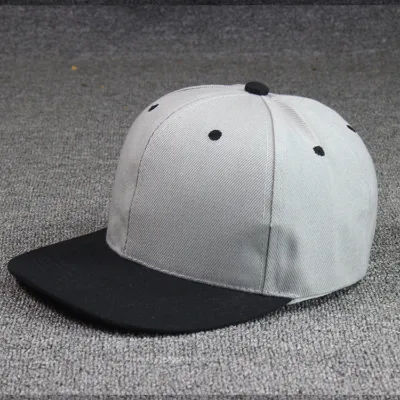
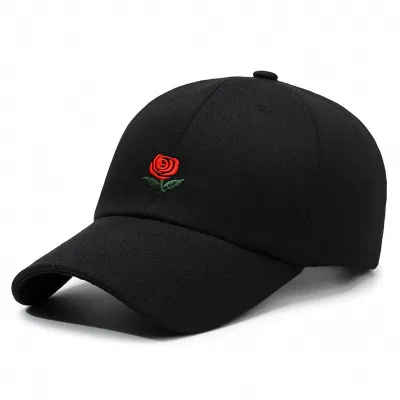
Comprehensive Sourcing Guide
6-Panel Dad Hat with Custom Logo Embroidery Sourcing Guide
Sourcing 6-panel dad hats with custom logo embroidery requires a nuanced understanding of both the structural design and the specific manufacturing techniques involved in unstructured headwear. Unlike traditional structured baseball caps, dad hats are characterized by their soft, unstructured crowns and curved brims, which provide a relaxed, vintage aesthetic that appeals to a broad demographic. The "6-panel" construction refers to the six triangular fabric segments that converge at the top of the cap, a design that allows for a natural, slouchy fit while maintaining structural integrity through the front panels. Buyers must recognize that this style is inherently casual, making it ideal for promotional merchandise, corporate gifts, and lifestyle branding rather than formal uniform applications. The customization potential is high, with embroidery being the most common method for applying logos, though other techniques like patching or screen printing are also viable depending on the desired visual effect.
The procurement process for these items involves navigating a variety of material options, colorways, and functional features that can significantly impact the final product's performance and cost. While the core design remains consistent, suppliers may offer variations in breathability, water resistance, and antimicrobial treatments, which are critical for specific use cases such as outdoor events or summer promotions. The customization process typically allows for a wide range of colors, including classic options like black, white, brown, and blue, as well as more vibrant choices like red and orange. Buyers should also consider the inclusion of additional features such as adjustable straps, which ensure a universal fit for adult users, and the availability of custom labeling or hangtags to enhance brand presentation. Understanding these variables is essential for creating a product that aligns with both aesthetic goals and functional requirements.
Product Scope and Observed Listing Signals
The current market landscape for 6-panel dad hats reveals a diverse range of product variations that cater to different branding and functional needs. Observed listings indicate that these caps are frequently marketed with specific attributes such as windproof, water-resistant, and UV-resistant properties, which add value for buyers targeting outdoor or seasonal campaigns. The material composition is predominantly 100% cotton, offering a soft, breathable feel that is comfortable for extended wear, although some listings may suggest blended fabrics for enhanced durability. The pattern themes vary from simple lettering to more complex graphical designs, with embroidery being the primary technique used to achieve high-quality, durable logo application. Buyers should note that while many products are described as "unstructured," some may feature subtle stiffening in the brim to maintain shape, which can affect the overall drape and fit of the hat.
In addition to aesthetic and functional attributes, the commercial signals in the market provide insight into the scalability and flexibility of suppliers. Minimum order quantities (MOQs) typically range from 1 to 1000 units, allowing for both small-batch testing and large-scale production runs. The price points observed in the market are generally competitive, reflecting the mature nature of the cap manufacturing industry, though exact figures can vary based on the complexity of the embroidery and the quantity ordered. Suppliers often highlight their capability for OEM and ODM services, indicating a willingness to work closely with buyers on design and production details. The availability of samples within 3-5 days is a common feature, enabling buyers to verify quality and fit before committing to larger orders. These signals suggest a flexible and responsive market that can accommodate a wide range of procurement needs.
Technical Specifications to Verify
When evaluating technical specifications, buyers must prioritize the verification of panel construction and crown structure to ensure the hat meets the desired aesthetic and fit standards. The 6-panel design should be clearly defined, with each panel properly aligned and stitched to create a symmetrical and balanced appearance. The crown should be unstructured, allowing for a natural, relaxed fit, but buyers should confirm whether the brim is curved or flat, as this can significantly impact the overall look. The material composition, typically 100% cotton, should be verified for weight and texture, as heavier cottons may offer more durability but less breathability. Additionally, the presence of an adjustable strap, such as a snapback or buckle closure, should be confirmed to ensure a universal fit for adult users, as this is a key feature of the dad hat style.
Embroidery quality is another critical technical aspect that requires careful verification, as it directly affects the longevity and visual appeal of the logo. Buyers should request samples to assess the stitch density, thread quality, and placement of the embroidery, ensuring that the logo is centered and proportionate to the cap's size. The use of 3D embroidery, if specified, should be confirmed for its ability to create a raised, textured effect that adds depth to the design. Furthermore, the durability of the embroidery should be tested for resistance to washing and wear, as this is a common concern for promotional items that may be subjected to frequent use. Buyers should also verify the availability of custom labeling, including woven labels or hangtags, to ensure that the final product meets all branding requirements.
Compliance and Safety Documentation
Compliance and safety documentation are essential components of the sourcing process, particularly for buyers operating in regulated markets or targeting specific consumer segments. While specific certification requirements may vary by region, buyers should generally seek suppliers who can provide documentation related to social compliance and ethical manufacturing practices. Certifications such as BSCI and Sedex are commonly associated with reputable suppliers and indicate a commitment to fair labor practices and safe working conditions. Buyers should request copies of these certifications and verify their validity through the respective certification bodies to ensure that the supplier adheres to recognized standards. This due diligence is crucial for mitigating reputational risk and ensuring that the supply chain is aligned with corporate social responsibility goals.
In addition to social compliance, buyers should also consider product safety and material safety documentation, particularly if the hats are intended for use by children or in environments where chemical exposure is a concern. While the supplied facts do not specify chemical compliance standards, buyers should inquire about the use of AZO-free dyes and other non-toxic materials to ensure the safety of the end-user. The availability of test reports for colorfastness, shrinkage, and abrasion resistance can also provide valuable insights into the product's durability and quality. Buyers should establish clear requirements for documentation in their purchase agreements and ensure that suppliers are prepared to provide these documents upon request. This proactive approach to compliance can help prevent delays and disputes during the procurement process.
Cost Drivers and Commercial Terms
Understanding the cost drivers associated with 6-panel dad hats is essential for accurate budgeting and negotiation. The primary factors influencing cost include the material composition, the complexity of the embroidery, and the order quantity. 100% cotton caps are generally more affordable than those made from premium blends or synthetic materials, but the cost can increase with the addition of functional features such as water resistance or antimicrobial treatments. The complexity of the logo design, including the number of colors and the use of 3D embroidery, can also significantly impact the per-unit cost. Buyers should request detailed quotes that break down these costs to identify areas where savings can be achieved without compromising quality.
Commercial terms, including payment terms, lead times, and shipping arrangements, are also critical components of the procurement process. Buyers should negotiate favorable payment terms, such as a deposit followed by balance payment upon shipment, to manage cash flow and mitigate risk. Lead times can vary based on the order quantity and the complexity of the customization, so it is important to establish clear timelines and communicate any urgent requirements early in the process. Shipping arrangements should be discussed in detail, including the choice of carrier, insurance coverage, and Incoterms, to ensure that the goods arrive on time and in good condition. Buyers should also consider the potential for additional costs, such as customs duties and taxes, and factor these into their overall budget.
Supplier Qualification and Quality Control
Supplier qualification is a critical step in ensuring a successful sourcing relationship, particularly for customized products like 6-panel dad hats. Buyers should conduct a thorough assessment of potential suppliers, evaluating their production capacity, quality control processes, and communication capabilities. Suppliers with a proven track record of producing high-quality caps and a strong commitment to customer service are more likely to deliver a satisfactory outcome. Buyers should request references and case studies to verify the supplier's capabilities and experience. Additionally, suppliers should be evaluated for their ability to handle custom orders, including their flexibility in accommodating design changes and their responsiveness to feedback.
Quality control measures should be established early in the procurement process to ensure that the final product meets the buyer's standards. Buyers should define clear quality criteria, including acceptable levels of stitching defects, color variations, and logo placement errors, and communicate these to the supplier. Pre-production samples should be reviewed and approved before mass production begins to ensure that the design and materials are correct. During production, buyers should consider conducting in-line inspections to monitor progress and identify any issues early. Finally, pre-shipment inspections should be performed to verify that the finished goods meet all quality requirements before they are shipped. These measures help to minimize the risk of receiving substandard products and ensure customer satisfaction.
Long-Term Procurement Checks
Long-term procurement checks are essential for maintaining a sustainable and efficient sourcing relationship with suppliers of 6-panel dad hats. Buyers should establish regular performance reviews to assess supplier reliability, quality consistency, and responsiveness to issues. These reviews should include metrics such as on-time delivery rates, defect rates, and customer satisfaction scores to provide a comprehensive view of the supplier's performance. Buyers should also use these reviews as an opportunity to discuss potential improvements and innovations, such as new materials or design trends, that could enhance the product offering. By maintaining open communication and a collaborative approach, buyers can foster a strong partnership that benefits both parties.
In addition to performance reviews, buyers should periodically reassess their supplier base to ensure that they are still meeting their needs and expectations. This may involve evaluating alternative suppliers to compare pricing, quality, and service levels, or exploring new markets for potential cost savings. Buyers should also stay informed about industry trends and regulatory changes that could impact their sourcing strategy, such as new sustainability requirements or trade policies. By staying proactive and adaptable, buyers can ensure that their sourcing strategy remains effective and competitive in the long term. This ongoing diligence helps to mitigate risk and maximize value, ensuring that the procurement of 6-panel dad hats continues to support the buyer's business objectives.
FAQs
What customization options are available for the logo?
Custom embroidery is available for the logo on these hats. You can also choose from painting or patched logos depending on your design needs. The product supports OEM and ODM services to meet specific branding requirements.
How long does it take to receive a sample?
Samples can be prepared within 3 to 5 days. This lead time applies to the standard production process for creating a prototype of the custom logo dad cap before full manufacturing begins.
Which materials are used to make these caps?
The caps are made from 100% cotton material. This fabric choice ensures breathability and comfort while maintaining the structured look required for a classic dad hat style with a custom logo.
Can I order these hats for winter and summer use?
Yes, these hats are suitable for winter, summer, and spring or autumn seasons. They feature special properties like windproof and water-resistant capabilities to ensure durability across different weather conditions.
What is the minimum order quantity for these products?
The minimum order quantity ranges from 1 to 1000 units. This flexible MOQ allows buyers to start with small batches for testing or place larger orders for promotional events and gifts.
Are there any certifications for the manufacturing process?
The products comply with BSCI and Sedex certifications. These standards ensure ethical manufacturing practices and quality control throughout the production process from the origin in Baoding to the final packaging.