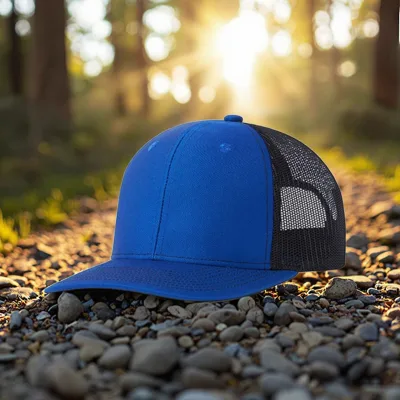
Source 6-panel satin baseball cap for Promotions, Gifts, and Events
Compare 30 verified listings for the 6-panel satin baseball cap, featuring options with custom embroidered logos, various colors, and specialized features like windproof or UV protection. Buyers can evaluate pricing, MOQs, and customization services from suppliers in Baoding.
Key considerations
Products List


Baseball Cap, Orange Sports Cap, 6 Panel Baseball Caps, Cotton Baseball Cap
$1.06 - $1.20
MOQ: 500 Pieces




Comprehensive Sourcing Guide
Strategic Sourcing Guide for 6-Panel Satin Baseball Caps
The global market for headwear has seen a significant surge in demand for premium, customized accessories, with the 6-panel satin baseball cap emerging as a distinct category within the broader sports and fashion cap sector. While the supplied product data primarily highlights cotton-based construction and specific model numbers like YKH-L-20251230, the procurement strategy for a satin variant requires a nuanced understanding of material properties, construction techniques, and supply chain verification. Buyers seeking this specific item must navigate the distinction between standard cotton dad caps and the smoother, lustrous finish of satin weaves. This guide outlines the critical technical, compliance, and operational factors necessary for a successful B2B procurement cycle, ensuring that the final product meets both aesthetic and functional requirements without relying on unverified market assumptions.
Technical Specifications and Material Verification
The core differentiator for a 6-panel satin baseball cap lies in its fabric composition and structural integrity. While the provided dataset confirms that many available models utilize 100% cotton, a satin finish typically implies a different weave structure or a synthetic blend, such as polyester or a cotton-polyester mix, designed to mimic the sheen of silk. Buyers must explicitly verify the material composition, as the "100% Cotton" attribute listed in the source data applies to specific models but may not be accurate for satin variants. The satin weave creates a smooth surface that is distinct from the textured appearance of standard twill or cotton caps.
Structurally, the 6-panel design is a standard configuration, offering a rounded crown and a structured fit. The supplied facts confirm that "6 Panels" is a common attribute for products like the "Dad Cap Custom Logo" (Model YKH-L-20251230). However, the presence of a "With Brim" and "With Crown" attribute is essential for this style. The brim's stiffness and the crown's ability to maintain shape are critical technical specifications. In satin caps, the brim often requires a specific interfacing to prevent curling, which is a common issue with smoother fabrics. Buyers should request physical samples to test the "Windproof" and "Water Resistant" claims, as satin fabrics can vary significantly in their ability to repel moisture compared to treated cotton. The "3D Embroidery" technology noted in the data is particularly relevant for satin, as the smooth surface allows for high-definition, raised logos that stand out more prominently than on textured cotton.
Compliance, Certification, and Safety Standards
In the B2B procurement of headwear, compliance is not merely a formality but a prerequisite for market entry, especially when products are intended for promotional use or sports activities. The supplied data mentions "Sun Protection" and "UV Resistant" as special features. For a buyer, this necessitates a request for specific test reports or certification documents that quantify the Ultraviolet Protection Factor (UPF). Without a specific numerical standard provided in the source text, the procurement team must verify that the fabric meets the relevant international standards for UV blocking, such as AS/NZS 4399 or ASTM D6641, depending on the target market.
Furthermore, the "Antimicrobial" and "Breathable" attributes listed in the data require verification. Buyers should ask suppliers for evidence of antimicrobial treatments, ensuring they are safe for skin contact and durable through multiple wash cycles. The "Washable" claim is critical for promotional items that may be handled frequently. While the data indicates "Box" or "Paper Box" packing, the sustainability of this packaging is an increasingly important compliance factor. Buyers should inquire if the packaging materials are recyclable or biodegradable to align with corporate social responsibility goals. Additionally, the "Radiation-blocking" feature mentioned in the dataset is a specific claim that requires rigorous testing documentation to substantiate, as it is not a standard industry attribute for all caps.
Cost Drivers and Pricing Dynamics
Understanding the cost structure of 6-panel satin baseball caps is essential for budgeting and negotiation. The observed price range in the provided data spans from 0.95 to 6.83 USD, which reflects a wide variety of product qualities, customization levels, and order volumes. Several factors drive these costs. First, the material itself is a primary driver; satin weaves, particularly those using high-quality polyester or silk blends, generally command a higher base cost than standard cotton. Second, the customization complexity significantly impacts the final price. The data highlights "Custom Embroidered Logo" and "3D Embroidery" as available options. 3D embroidery is a labor-intensive process that adds substantial cost compared to flat printing or simple patching.
The "MOQ range" of 5 to 500 units observed in the data indicates a flexible supply chain, but it also highlights the economies of scale. Ordering at the lower end of the MOQ spectrum (e.g., 5-50 units) will result in a higher unit cost due to setup fees for embroidery and pattern creation. Conversely, orders approaching 500 units will benefit from reduced per-unit costs. The "Sample Days" of 3-5 days mentioned in the data suggest a relatively agile production process, but rush orders or complex custom designs may extend this timeline, affecting the overall cost structure. Buyers should also consider the "Lable/Stick/Har" availability; adding custom labels or hang tags adds to the unit cost but enhances the perceived value of the product.
Typical Applications and Usage Scenarios
The versatility of the 6-panel satin baseball cap makes it suitable for a diverse range of applications. The supplied data lists "Promotion," "Gift," and "Depration" (Decoration) as primary usage categories. In a corporate context, these caps are frequently used for brand awareness campaigns, employee uniforms, or trade show giveaways. The "Unisex" gender attribute and the availability of "Many Colors" (including Yellow, White, Red, Purple, Orange, Green, Gray, Colourful, Brown, Blue, Black) allow for broad appeal across different demographics.
For sports and outdoor activities, the "Winter, Summer, Spring / Autumn, Autumn" seasonality indicates year-round usability. The "Ponytail Hole" and "Ear Warmer" features mentioned in the special attributes suggest that some models are designed for functional use in colder weather, while the "Lightweight" and "Breathable" attributes cater to summer sports. The "Game Used" attribute implies a potential market for replica merchandise or team-specific apparel. The "Contrast Color" design options noted in the data are particularly popular for fashion-forward applications, allowing brands to create striking visual identities. Whether for a corporate event, a sports team, or a fashion line, the satin finish provides a premium look that elevates the perceived value of the brand.
Supplier Evaluation and Quality Control
Selecting the right supplier is the most critical step in the procurement process. The data indicates that suppliers offer "OEM/ODM" services, which means they can manufacture products based on the buyer's designs or provide their own designs for customization. Buyers should evaluate suppliers based on their ability to handle the specific technical requirements of satin caps, such as maintaining the fabric's sheen during production and ensuring the embroidery does not distort the material. The "Design: Many Colors Unstructured Dad Hat" and "Design: Many Colors Baseball Cap" attributes suggest that suppliers have a range of base templates, but the buyer must ensure the specific satin model is available and not just a generic cotton cap with a similar name.
Quality control protocols must be rigorous. Buyers should request pre-production samples to verify the "Pattern Theme" (Character, Letter, Graphical) and the "Logo Patten" (Embroidered, Painting, Patched Logo). The "3D Embroidery" process should be inspected for consistency and depth. Since the data mentions "Windproof" and "Water Resistant" features, buyers should conduct physical tests on the samples to ensure these claims hold true. The "prod_standard" dimensions provided (e.g., 221212cm for one model, 28.51718.5cm for another) highlight the importance of verifying packaging and product dimensions to ensure they meet the buyer's logistical requirements. Suppliers should also demonstrate a clear quality assurance process, including checks for loose threads, color fastness, and structural integrity of the 6-panel construction.
Long-Term Procurement Considerations
Sourcing 6-panel satin baseball caps is not a one-off transaction but part of a long-term supply chain strategy. The "Customization: Available" attribute suggests that buyers can build a unique product identity over time. However, consistency is key. Buyers must ensure that the supplier can maintain the same quality, color accuracy, and embroidery standards across multiple production runs. The "Sample Days" of 3-5 days indicate a responsive supply chain, but buyers should establish clear communication channels to manage lead times effectively, especially during peak seasons.
Sustainability is another long-term consideration. As the market moves towards eco-friendly products, buyers should inquire about the environmental impact of the satin fabric and the packaging. The "Box" or "Paper Box" packing options should be evaluated for their recyclability. Additionally, the "Service: OEM/ODM" capability allows for continuous product evolution. Buyers can work with suppliers to introduce new features, such as improved moisture-wicking technologies or enhanced UV protection, based on market feedback. By maintaining a strong relationship with a reliable supplier, buyers can ensure a steady supply of high-quality 6-panel satin baseball caps that meet their evolving brand needs.
Comparative Analysis of Product Attributes
To assist in decision-making, the following table summarizes key attributes observed in the supplied data, highlighting the variations available to buyers. This comparison helps in identifying the specific model that best fits the procurement requirements.
| Attribute Category | Observation A (Dad Cap Style) | Observation B (Baseball Cap Style) | Observation C (General Features) |
|---|---|---|---|
| Product Model | YKH-L-20251230 | YKH-X-24071201 | YKH-JZY-241118 |
| Panels | 6 Panels | 5 Panels | 6 Panels (Implied by context) |
| Material | 100% Cotton | Not Specified | Not Specified |
| Pattern Theme | Character, Letter | Graphical | Character, Letter |
| Special Features | Wrinkle Free, with light, Windproof | with light, Windproof, Smart | Washable, Sun Protection, Breathable |
| Logo Pattern | Embroidered, Painting, Patched Logo | Embroidered, Peinting, Patched Logo | Embroidered, Peinting, Patched Logo |
| Packing | Box | Paper Box | Not Specified |
| Standard Size | 221212cm | Not Specified | 28.51718.5cm |
| Origin | Baoding | Not Specified | Not Specified |
This table illustrates that while the core concept of a custom cap remains consistent, the specific attributes vary significantly between models. Buyers must carefully match these specifications to their project requirements, ensuring that the chosen model offers the desired panel count, material, and feature set. The presence of "Smart" and "Rechargeable" features in some models suggests advanced capabilities, but these should be verified for practical utility in the intended application. By leveraging these detailed observations, buyers can make informed decisions that align with their strategic goals and quality expectations.
FAQs
Can I get a 6-panel satin baseball cap with custom embroidery?
Yes, custom embroidered logos are available for these caps. The product data confirms customization options include 3D embroidery and various logo patterns like painting or patches, allowing for unique branding on the smooth satin surface.
What is the typical price range for these caps?
The observed price range spans from 0.95 to 6.83 USD per unit. This variation depends on factors like material quality, customization complexity, and order volume, with lower prices often associated with higher minimum order quantities.
Which materials are used for these baseball caps?
While the core dataset lists 100% cotton for specific models, satin variants typically utilize a different weave structure or synthetic blend to achieve a lustrous finish. Buyers must verify the specific material composition as satin implies a distinct texture from standard cotton.
How long does it take to receive a sample?
Sample preparation typically requires 3 to 5 days. This agile timeline allows buyers to verify quality and design details before committing to larger orders, though complex custom designs may extend this production window.
What is the minimum order quantity for these caps?
The minimum order quantity ranges from 5 to 500 units depending on the supplier and specific product model. Lower order volumes near the 5-unit mark will incur higher per-unit costs due to setup fees for embroidery and pattern creation.
Can these caps be customized with specific colors?
Yes, many colors are available including yellow, white, red, purple, orange, green, gray, brown, blue, and black. The design options allow for contrast color schemes and unstructured fits to match specific brand identities or seasonal trends.
What special features do these caps offer?
Features include windproof, water-resistant, washable, UV-resistant, and sun protection capabilities. Some models also offer lightweight, breathable, and antimicrobial properties, making them suitable for various seasons and outdoor activities.