Source 60 Gallon Acid Storage Cabinet for labs, hospitals, and schools
Find and compare 30 available 60 Gallon Acid Storage Cabinet options from verified Chinese manufacturers. Evaluate features like epoxy resin powder coating, 2-layer steel construction, and OSHA/NFPA compliance to ensure safe chemical containment for industrial, hospital, and school environments.
Key considerations
Products List


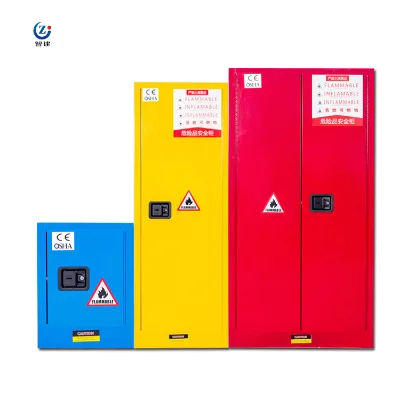
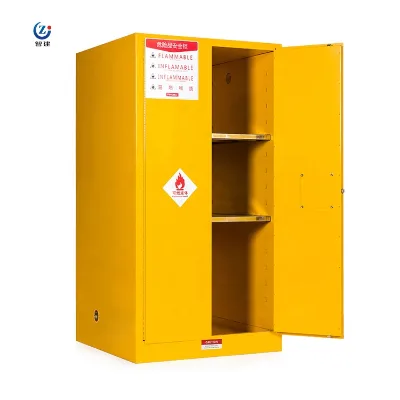
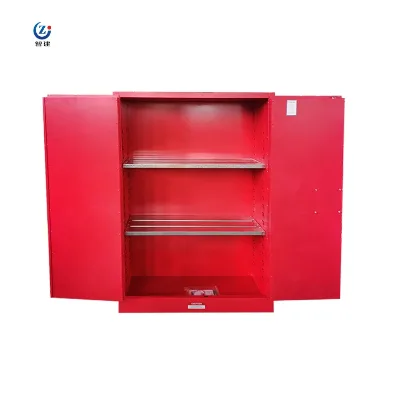

45 Gallon Medicine Lab Storage Cabinet
$120.00 - $600.00
MOQ: 5 Pieces
Guangdong Zhijian Experimental Equipment Technology Co., Ltd.

Acid Chemical Fire Safety Storage Cabinet
$120.00 - $600.00
MOQ: 1 Pieces
Guangdong Zhijian Experimental Equipment Technology Co., Ltd.

Anti-Leakage Liquid Tank Safety Storage Cabinet
$165.00 - $190.00
MOQ: 2 Pieces
Guangdong Zhijian Experimental Equipment Technology Co., Ltd.

Biology Lab Furniture Storage Cabinet
$120.00 - $600.00
MOQ: 5 Pieces
Guangdong Zhijian Experimental Equipment Technology Co., Ltd.

Metal Safe Reagent Storage Cabinet
$120.00 - $600.00
MOQ: 5 Pieces
Guangdong Zhijian Experimental Equipment Technology Co., Ltd.

All Steel Danagerous Chemistry Cabinet Anti-Explosion Box
$120.00 - $600.00
MOQ: 5 Pieces
Guangdong Zhijian Experimental Equipment Technology Co., Ltd.


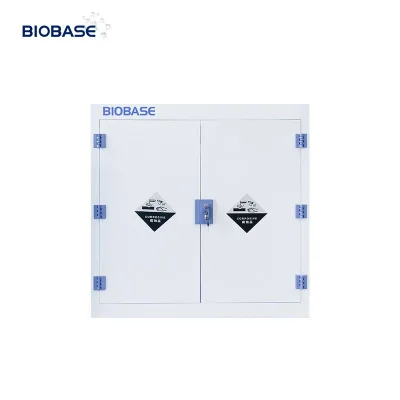
4 Gal Corrosive Cabinets for Corrosive Liquids, Chmeical Storage Cabinet
$189.00 - $209.00
MOQ: 5 Pieces



Comprehensive Sourcing Guide
60 Gallon Acid Storage Cabinet Sourcing Guide
Sourcing a 60-gallon acid storage cabinet requires a disciplined approach to balancing chemical compatibility, structural integrity, and regulatory compliance. These cabinets are critical infrastructure in industrial laboratories, hospitals, and research institutes where corrosive materials are handled daily. The procurement process must prioritize verified safety features, such as spill containment sumps and fire-resistant construction, over aesthetic considerations or price alone. Buyers must ensure that the selected unit meets the specific operational demands of their facility, whether it involves storing strong acids, bases, or flammable liquids, while adhering to local and international safety standards.
The market offers a variety of configurations, including manual-close doors, adjustable shelving, and specialized coatings like epoxy resin powder coating. These features directly impact the longevity and usability of the cabinet in harsh environments. Procurement teams should focus on verifying the material composition, typically steel or metal, and the specific application ratings provided by the manufacturer. Understanding the distinction between general chemical storage and specialized acid-resistant units is essential to prevent premature degradation and ensure the safety of personnel and assets.
Product Scope and Observed Listing Signals
The observed product landscape for 60-gallon acid storage cabinets reveals a diverse range of specifications tailored to different industrial needs. Listings indicate capacities ranging from 4 to 110 gallons, with the 60-gallon model serving as a mid-tier solution for moderate storage volumes. Common attributes include a two-layer or single-layer internal structure, depending on the specific model, and door types that are typically manual-close to ensure secure sealing. The color palette often includes red, yellow, blue, or grey, which may correspond to specific chemical categories or safety protocols within the facility.
Material composition is predominantly steel or metal, treated with protective coatings such as epoxy resin powder coating to resist corrosion from acid spills. The standard packaging is described as a five-layer outlet corrugated box or carton, ensuring protection during transit from origins in regions like Zhejiang and Guangdong in China. Buyers should note that while some listings mention a "gas cabinet" type, the core function remains chemical storage, requiring careful verification of the internal lining and shelf materials to ensure they are compatible with acidic substances.
Technical Specifications to Verify
When evaluating technical specifications, the containment sump is a critical feature that must be verified. A standard sump height of 50mm is commonly observed, with the option for special sizes to be manufactured upon request. This sump is designed to contain spills and prevent the spread of hazardous materials, making it a non-negotiable safety feature for acid storage. Buyers should confirm the exact dimensions and material of the sump to ensure it meets the volume requirements of the stored chemicals and complies with local environmental regulations.
Shelving and internal configuration are also key technical aspects to assess. Most units come with two shelves, which should be adjustable to accommodate various container sizes. The door type is typically manual-close, which requires verification of the latch mechanism and seal integrity to prevent vapor escape. Additionally, the coating process, such as epoxy resin powder coating, should be confirmed for its resistance to specific acids. Buyers must ensure that the internal components, including shelves and hooks, are made from materials that do not react with the stored chemicals, thereby maintaining the structural integrity of the cabinet over time.
Compliance and Safety Documentation
Compliance with safety standards is paramount when sourcing acid storage cabinets. Standards such as OSHA 29 CFR 1910.106 and NFPA regulations are frequently cited in product listings, indicating a baseline level of safety and regulatory adherence. Buyers must verify that the cabinet meets these specific standards, as well as any local or national regulations applicable to their facility. Documentation should include test reports or certifications that confirm the cabinet's fire resistance and chemical compatibility, ensuring that it provides adequate protection in case of accidental spills or fires.
Warranty and condition are also important indicators of product reliability. Listings often specify a warranty period of 3 to 5 years, which reflects the manufacturer's confidence in the product's durability. The condition is typically listed as new, but buyers should request detailed information about the manufacturing process and quality control measures. It is advisable to ask for documentation that outlines the testing procedures used to validate the cabinet's performance under stress, including spill tests and fire resistance evaluations, to ensure long-term safety and compliance.
Cost Drivers and Commercial Terms
Cost drivers for 60-gallon acid storage cabinets include material quality, coating thickness, and compliance with specific safety standards. The use of high-grade steel and specialized epoxy resin powder coating can increase the initial cost but offers better long-term value by reducing maintenance and replacement needs. Customization options, such as special sump sizes or specific color codes, may also affect the price. Buyers should consider the total cost of ownership, including installation, maintenance, and potential downtime, rather than focusing solely on the purchase price.
Commercial terms such as MOQ and lead time are essential for planning procurement activities. The observed MOQ range is typically 1 to 50 units, offering flexibility for both small laboratories and large industrial facilities. Lead times can vary based on customization requirements and production schedules, so buyers should establish clear communication with suppliers to align delivery dates with their operational needs. Payment terms and shipping arrangements should also be negotiated to minimize risk and ensure that the cabinets arrive in good condition, ready for immediate installation and use.
Supplier Qualification and Quality Control
Supplier qualification is a critical step in ensuring the reliability of the sourced cabinets. Buyers should verify the supplier's experience in manufacturing laboratory furniture and chemical storage solutions. Factories located in regions like Zhejiang and Guangdong are known for their manufacturing capabilities, but buyers must conduct due diligence to confirm the supplier's quality management systems and production standards. Requesting references or case studies from previous clients can provide insights into the supplier's reliability and product performance.
Quality control measures should be clearly defined and agreed upon before placing an order. This includes inspections of raw materials, coating processes, and final assembly. Buyers should request detailed quality control reports and, if possible, conduct third-party inspections before shipment. Establishing a clear protocol for handling defects or non-conformities is also essential to mitigate risks. By prioritizing suppliers with robust quality control systems, buyers can ensure that the cabinets meet the required safety and performance standards, reducing the likelihood of future issues.
Long-Term Procurement Checks
Long-term procurement checks involve monitoring the performance of the cabinets in real-world conditions and maintaining a relationship with the supplier for future needs. Buyers should establish a regular inspection schedule to check for signs of wear, corrosion, or damage to the coating and sump. This proactive approach helps identify potential issues early, allowing for timely repairs or replacements. Keeping a record of maintenance activities and any incidents related to the cabinets can provide valuable data for future procurement decisions.
Feedback from end-users, such as laboratory technicians and safety officers, is crucial for evaluating the usability and effectiveness of the cabinets. Buyers should solicit regular feedback to identify any operational challenges or safety concerns that may not have been apparent during the initial selection process. This feedback loop can inform future purchases, allowing buyers to refine their specifications and requirements. By maintaining a focus on long-term performance and user satisfaction, buyers can ensure that their investment in acid storage cabinets continues to provide value and safety over time.
FAQs
What is the warranty period for the 60 Gallon Acid Storage Cabinet?
The warranty period is typically 3 to 5 years depending on the specific model selected. Some units offer a 5-year warranty while others provide 3 years of coverage for industrial and laboratory applications.
Which materials are used to construct the 60 Gallon Acid Storage Cabinet?
These cabinets are constructed from steel or metal with an epoxy resin powder coating. This material combination ensures durability and resistance against corrosive chemicals in industrial and hospital environments.
Can the 60 Gallon Acid Storage Cabinet be customized for specific needs?
Yes, customization is available for various specifications including capacity and design. Buyers can request specific features to meet unique laboratory or warehouse requirements while maintaining safety standards.
What is the minimum order quantity for purchasing the 60 Gallon Acid Storage Cabinet?
The minimum order quantity is 1 unit for most models. This low threshold allows small businesses and research institutes to purchase single units without needing to meet high volume requirements.
How is the 60 Gallon Acid Storage Cabinet packed for shipping?
The product is packed in standard 5-layer outlet corrugated boxes or cartons. This packaging ensures the cabinet arrives safely and protects the epoxy resin coating during transit from the factory.
What safety standards does the 60 Gallon Acid Storage Cabinet meet?
The cabinet meets OSHA 29 CFR 1910.106 and NFPA standards for fire resistance. These certifications ensure the unit provides safe storage for hazardous chemicals in compliance with regulatory requirements.
Where is the 60 Gallon Acid Storage Cabinet manufactured?
The cabinets are manufactured in Zhejiang or Guangdong, China. These locations serve as the primary production hubs for industrial laboratory furniture and chemical storage solutions.