Source 6000 Series Aluminum Heat Sink for electronics cooling and industrial machinery
Compare 30 listings for 6000 Series Aluminum Heat Sink profiles with options in 6063 and 6061 alloys. Buyers can evaluate temper grades from T3 to T8, surface finishes including anodic oxidation and polishing, and certifications like ISO and RoHS for various industrial applications.
Key considerations
Products List


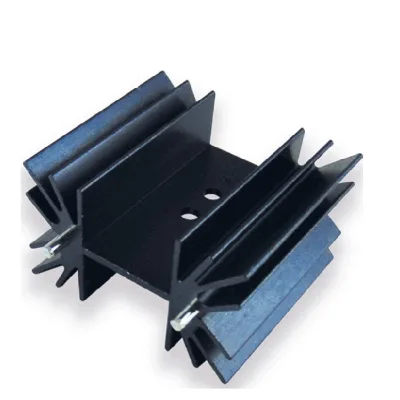
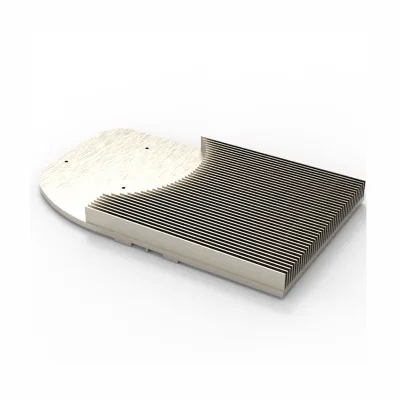
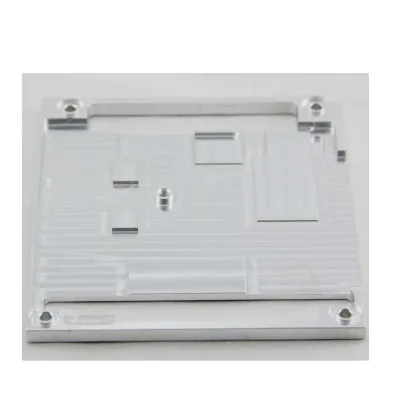
OEM 6000 Series Anodized Aluminium Heat Sinks with Temper 5 and Quality Assurance
$2900.00 - $3100.00
MOQ: 1 Tons


$1.84 - $3.58
MOQ: 500 Minimum


Comprehensive Sourcing Guide
Strategic Sourcing Guide for 6000 Series Aluminum Heat Sinks
Understanding 6000 Series Aluminum Profiles and Heat Sink Fundamentals
The 6000 series of aluminum alloys, specifically grades like 6061 and 6063, represents a cornerstone in the manufacturing of industrial heat sinks and aluminum profiles. These alloys are prized for their exceptional balance of strength, corrosion resistance, and thermal conductivity, making them the default choice for thermal management solutions in electronics and heavy machinery. The core material composition typically involves magnesium and silicon as the primary alloying ingredients, which facilitate the formation of magnesium silicide precipitates during heat treatment. This microstructural characteristic allows the material to achieve various temper states, commonly ranging from T3 to T8, depending on the specific mechanical requirements of the final application.
When sourcing 6000 series aluminum heat sinks, buyers must distinguish between the raw profile and the finished thermal component. The base material often starts as an extruded profile with a specific shape, such as an angle or a custom cross-section designed for airflow optimization. The 60 Series designation frequently appears in the context of window and door applications, yet the same extrusion capabilities extend to industrial heat sinks where high surface area and structural integrity are paramount. The alloy's versatility allows for complex geometries that maximize the surface area available for heat dissipation without compromising the structural rigidity required for mounting in industrial machinery.
Technical Specifications and Surface Finishing Processes
Technical selection begins with verifying the specific temper and surface finish, as these attributes directly influence thermal performance and environmental durability. The 6000 series aluminum profiles are frequently supplied in temper states ranging from T3 to T8, with T5 and T6 being common for heat sink applications requiring a balance of formability and strength. The surface finishing process is equally critical; while the base material may arrive with a mill finish, high-performance heat sinks often undergo anodic oxidation. This electrochemical process creates a durable, non-conductive oxide layer that enhances corrosion resistance and can be dyed in colors such as silver or black to meet aesthetic or identification requirements.
In addition to anodic oxidation, mechanical and chemical polishing are observed as alternative surface treatments for specific applications. Mechanical polishing provides a smooth, reflective surface that can reduce friction in moving parts, while chemical polishing offers a uniform finish that is ideal for aesthetic consistency. The choice between these finishes depends on the operating environment; for instance, anodic oxidation is preferred for harsh industrial settings, whereas polished surfaces might be selected for consumer electronics where visual appeal is a factor. Buyers should also note that the standard export package often includes paper cartons or wooden boxes to protect these delicate surfaces during transit, ensuring the product arrives in new condition without surface damage.
Compliance, Certification, and Regulatory Standards
Navigating the regulatory landscape is a non-negotiable aspect of sourcing industrial aluminum components. Reputable suppliers in the industry typically hold certifications such as ISO and RoHS, which verify adherence to international quality management systems and restrictions on hazardous substances. Some listings may also reference additional certifications like CE, CCC, or SGS, indicating compliance with specific regional safety and environmental standards. It is essential for buyers to verify that the "ISO" certification mentioned in product data refers to the specific ISO 9001 standard for quality management, rather than a generic claim.
The standard for the product itself is often described as "according to the clients' requirement" or "customized," which implies a high degree of flexibility but requires rigorous definition from the buyer. In some contexts, the standard is explicitly defined as "High strength Aluminum alloy," suggesting that the material meets specific mechanical property thresholds. When evaluating a supplier, procurement teams must request documented proof of these certifications rather than relying solely on marketing claims. The origin of the product, frequently cited as Shanghai, Henan, or Guangdong in China, can also influence the regulatory framework applicable to the shipment, particularly regarding export controls and environmental compliance in the destination market.
Cost Drivers and Economic Factors in Procurement
The cost of 6000 series aluminum heat sinks is influenced by a complex interplay of material costs, processing complexity, and order volume. The observed price range in the market spans from approximately $0.09 to $3,450, reflecting the vast difference between small, off-the-shelf components and large, custom-engineered industrial assemblies. The Minimum Order Quantity (MOQ) is equally variable, ranging from a single unit to 1,000 pieces, which allows for flexibility in both prototyping and mass production scenarios. Buyers should understand that the price per unit typically decreases as the order volume increases, but the initial setup costs for custom extrusions and tooling can be significant.
Beyond the unit price, logistics and packaging play a substantial role in the total cost of ownership. The standard export packaging, which may include paper cartons or wooden boxes, adds to the weight and volume of the shipment, thereby affecting freight costs. Furthermore, the customization level is a primary cost driver; while standard profiles are readily available, custom shapes, specific temper requirements, and specialized surface finishes like anodic oxidation or chemical polishing require additional processing steps. Buyers must balance the need for customization against the budget constraints, ensuring that the added cost of specific features like low noise levels or specific cooling water compatibility is justified by the application's performance requirements.
Typical Applications and System Integration
The application scope for 6000 series aluminum heat sinks is broad, extending from consumer electronics to heavy industrial machinery. In the electronics sector, these heat sinks are integral to managing thermal loads in high-performance computing and power supply units. The "Air-Cooled" system type is a common configuration, often utilizing single-speed fans to maintain optimal operating temperatures with a low noise level. For industrial applications, the heat sinks are integrated into metal casting, coating, drawing, engraving, forging, and cutting machinery. In these environments, the heat sink must withstand high thermal cycles and mechanical stress, leveraging the high strength of the 6000 series alloy.
The system type is often described as "Combined," suggesting that the heat sink is part of a larger thermal management assembly that may include cooling water systems or active air circulation. The specific model numbers, such as 6063 T5 or 6061/6063, indicate the specific alloy and temper used for different load requirements. Buyers should verify that the heat sink's dimensions, such as the 400300200 specification observed in some listings, align with the physical constraints of their equipment. The application fields are diverse, but the common thread is the need for reliable thermal dissipation in environments where failure is not an option, whether in a precision metal processing machine or a sensitive electronic device.
Supplier Evaluation and Quality Control Protocols
Evaluating a supplier for 6000 series aluminum heat sinks requires a deep dive into their manufacturing capabilities and quality assurance processes. Buyers should look for evidence of in-house extrusion, machining, and surface finishing capabilities, as these processes are critical to maintaining the integrity of the alloy. The presence of certifications like ISO and RoHS is a baseline requirement, but the supplier's ability to meet "clients' requirements" for custom standards is equally important. This includes the ability to produce profiles with specific shapes, such as angles, and to apply finishes like anodic oxidation or polishing with high precision.
Quality control should be a continuous process rather than a final inspection step. Buyers must verify that the supplier conducts rigorous testing on the temper, surface finish, and dimensional accuracy of the heat sinks. The condition of the product upon arrival should be "New," and the packaging must be robust enough to prevent damage during shipping. It is advisable to request sample batches before committing to large orders to validate the supplier's ability to meet the specified technical requirements. The origin of the product, whether from Shanghai, Henan, or Guangdong, should be verified to ensure it aligns with the buyer's supply chain strategy and risk management policies.
Long-Term Procurement and Lifecycle Management
Sourcing 6000 series aluminum heat sinks is not merely a transactional activity but a strategic decision that impacts long-term operational efficiency. The durability of the aluminum alloy, combined with the protective surface finishes, ensures a long service life even in demanding industrial environments. However, buyers must consider the lifecycle of the product, including maintenance requirements and the potential for replacement. The "Customized" nature of many heat sinks means that spare parts may need to be ordered specifically, making it crucial to establish a reliable relationship with a supplier who can support long-term production runs.
Procurement strategies should also account for the evolving nature of thermal management needs. As technology advances, the demand for higher thermal efficiency and lower noise levels will likely increase. Buyers should select suppliers who are capable of adapting to these changes, offering updated models or improved surface treatments. The flexibility of the 6000 series alloy allows for continuous innovation, but it requires a procurement team that stays informed about the latest developments in aluminum extrusion and heat sink design. By focusing on suppliers with strong technical support and a commitment to quality, buyers can ensure a stable supply chain that supports their long-term operational goals.
FAQs
What temper states are available for 6000 series aluminum heat sinks?
Temper states typically range from T3 to T8, with T5 and T6 being common for heat sink applications. These states provide a balance of strength and formability suitable for industrial machinery and electronics cooling needs.
Which surface finishing processes are used on these aluminum profiles?
Common processes include anodic oxidation, mechanical polishing, and chemical polishing. Anodic oxidation enhances corrosion resistance, while polishing offers smooth surfaces for aesthetic or low-friction requirements in specific environments.
Can buyers request custom shapes and sizes for these heat sinks?
Yes, customization is available for shapes like angles and specific cross-sections. Buyers can specify dimensions and standards according to their requirements, allowing for tailored thermal management solutions for various applications.
What certifications do suppliers typically hold for these aluminum products?
Suppliers often hold ISO and RoHS certifications to verify quality and environmental compliance. Some listings may also include CE, CCC, or SGS certificates, indicating adherence to regional safety and standard regulations.
How does the price range vary for 6000 series aluminum heat sinks?
Prices range from approximately $0.09 to $3,450 depending on complexity and volume. Small off-the-shelf components cost less, while large custom-engineered industrial assemblies command higher prices due to processing and material costs.
What packaging is used to protect these aluminum profiles during shipping?
Standard export packaging includes paper cartons, wooden boxes, or standard export packages. This ensures the new condition of the product is maintained and protects delicate surface finishes like anodic oxidation from damage.