Source Simple Modern T Slot Bracket for Auto, Motorcycle, and Holding
Compare 30 listings for Simple Modern T Slot Bracket options from Chinese manufacturers. Buyers can evaluate materials like iron and aluminum, surface treatments, and customization availability for auto and motorcycle accessories; compare the available evidence and request quotations based on your requirements.
Key considerations
Products List
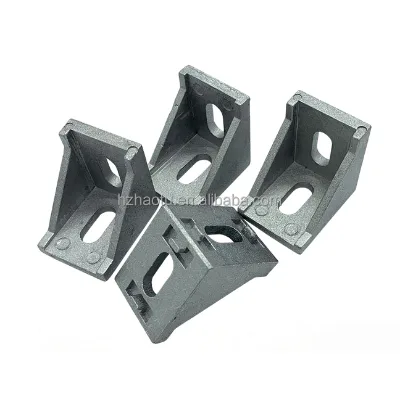


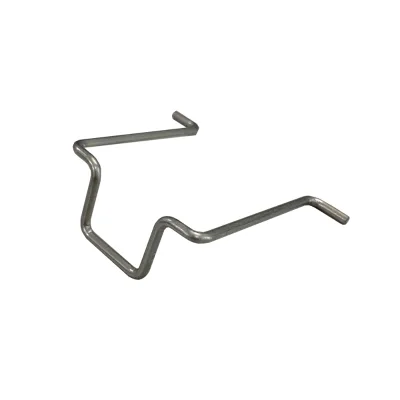


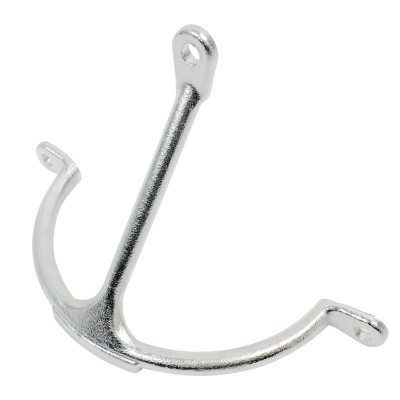


Comprehensive Sourcing Guide
Simple Modern T Slot Bracket Sourcing Guide
Procuring simple modern T slot brackets requires a clear understanding of the specific structural and dimensional needs for your assembly line or display framework. These components are primarily designed for holding applications in automotive and motorcycle accessory contexts, where precise alignment and robust support are critical. Buyers must recognize that while the core function remains consistent, the material composition varies significantly between iron, aluminum, alloy, and steel options, directly influencing the bracket's weight and corrosion resistance.
The sourcing landscape reveals a diverse range of customization options, with many suppliers offering tailored dimensions and surface treatments to meet unique project requirements. Observations indicate that production methods span from CNC milling and turning to extrusion and stamping, each offering distinct advantages for different load-bearing scenarios. It is essential to verify that the selected supplier can accommodate your specific size requirements, which range from compact 2020 profiles to larger 9090 configurations, ensuring the final assembly integrates seamlessly with existing infrastructure.
Product Scope and Observed Listing Signals
The market for these brackets displays a wide spectrum of listing signals, particularly regarding material thickness and structural geometry. Listings frequently highlight dimensions such as 302010 or custom profiles, alongside specific machining methods like CNC stamping or wire EDM. Buyers should note that while some products are listed as single items, others are packaged in bulk cartons or pallets, which impacts logistics planning and storage requirements. The observed price range and minimum order quantities vary widely, suggesting that volume purchasing strategies must be aligned with immediate production needs rather than speculative stockpiling.
Surface treatment and finishing options are critical differentiators in this category, with offerings ranging from polishing and brushing to electroplating and powder coating. These finishes are not merely aesthetic but serve functional roles in protecting the bracket against environmental wear and tear, especially for automotive applications. When evaluating listings, procurement teams must cross-reference the stated surface treatment with the intended operating environment to ensure longevity. The availability of customization allows for specific color requests and tailored tolerances, but this flexibility often necessitates a longer lead time and stricter quality verification protocols.
Technical Specifications to Verify
Dimensional accuracy is paramount when selecting T slot brackets, as even minor deviations can compromise the structural integrity of the final assembly. Buyers must verify that the supplier adheres to strict full dimensional inspection protocols using advanced equipment like CMMs, micrometers, and height gauges. The observed tolerance levels in the market can reach as tight as +/-0.01mm for high-precision applications, while other standard offerings may allow for broader margins. Confirming these tolerances against your engineering drawings is the first step in preventing assembly failures and ensuring consistent fitment across multiple units.
Material selection and thickness specifications directly dictate the load-bearing capacity and durability of the bracket. Available materials include stainless steel, SPCC, and various alloys, with thicknesses ranging from 0.05mm to 50mm depending on the specific product model. It is crucial to match the material grade to the application; for instance, stainless steel may be required for corrosive environments, while SPCC might suffice for general indoor holding tasks. Additionally, verifying the production type, whether batch production or continuous flow, helps in assessing the supplier's ability to maintain consistent quality across large orders.
Compliance and Safety Documentation
Navigating the compliance landscape for industrial brackets requires careful attention to international standards and certification requirements. Many suppliers in the region adhere to recognized standards such as EN, GB, ASME, and JIS Code, which provide a baseline for safety and performance. Buyers should explicitly request documentation proving compliance with these standards, particularly if the brackets are destined for markets with strict regulatory frameworks. The presence of certifications like ISO 9001 and TS 16949 indicates a supplier's commitment to quality management systems, which is vital for maintaining product consistency and traceability.
Safety documentation extends beyond material standards to include specific inspection reports and quality assurance records. A reliable supplier will provide evidence of 100% inspection before shipping, utilizing rigorous testing methods to ensure every unit meets the specified criteria. For automotive applications, adherence to TS 16949 is often a mandatory requirement, ensuring that the manufacturing process meets the stringent demands of the automotive industry. Procurement teams must verify that the supplier's quality control processes are documented and that they can provide traceability for each batch produced, mitigating the risk of non-compliant parts entering the supply chain.
Cost Drivers and Commercial Terms
Understanding the cost drivers for T slot brackets involves analyzing the interplay between material costs, machining complexity, and surface treatment requirements. The choice of material, such as stainless steel versus standard iron, significantly impacts the base price, while complex machining methods like wire EDM or precision turning add to the labor and equipment costs. Surface treatments like electroplating or powder coating further influence the final price, as these processes require additional time and specialized facilities. Buyers must evaluate these factors to determine the most cost-effective solution that still meets their technical and performance requirements.
Commercial terms, including minimum order quantities and lead times, play a critical role in the overall procurement strategy. Observed MOQs can range from single items to 5000 units, with lead times typically spanning 30 to 50 days for customized orders. These timelines are influenced by the production type, whether it is batch production or a continuous flow, and the complexity of the customization requested. Procurement teams should negotiate terms that align with their production schedules, ensuring that the supplier can meet delivery deadlines without compromising on quality or incurring excessive expedited shipping costs.
Supplier Qualification and Quality Control
Supplier qualification is a multifaceted process that goes beyond checking basic certifications to include a deep dive into their manufacturing capabilities and quality control infrastructure. Buyers should assess the supplier's use of advanced inspection equipment, such as CMMs and calipers, to ensure they can consistently meet tight tolerances. The presence of a dedicated quality inspection team that performs strict full dimensional inspections is a strong indicator of a supplier's reliability. Additionally, verifying their production capacity, such as a supply ability of 5000 units per month, ensures they can handle your volume requirements without delays.
Quality control protocols must be robust and transparent, with clear procedures for handling non-conforming products and implementing corrective actions. A qualified supplier will have a documented process for 100% inspection before shipping, ensuring that only products meeting all specifications are delivered. This level of scrutiny is essential for maintaining the integrity of the final assembly and preventing costly recalls or rework. Buyers should also inquire about the supplier's history of addressing quality issues and their commitment to continuous improvement, as these factors are indicative of their long-term reliability as a partner.
Long-Term Procurement Checks
Establishing a long-term procurement relationship with T slot bracket suppliers requires ongoing monitoring of performance metrics and adherence to agreed-upon standards. Regular audits of the supplier's quality control processes and production capabilities are essential to ensure they continue to meet your evolving needs. This includes verifying that they maintain their certifications and that their inspection equipment remains calibrated and up to date. Consistent communication regarding any changes in specifications or standards helps prevent misunderstandings and ensures that both parties remain aligned on quality expectations.
Supply chain resilience is another critical aspect of long-term procurement, requiring a strategic approach to risk management and contingency planning. Buyers should assess the supplier's ability to scale production in response to demand fluctuations and their capacity to handle unexpected disruptions. This involves evaluating their raw material sourcing strategies and their ability to maintain inventory levels during periods of high demand. By fostering a collaborative relationship based on transparency and mutual trust, buyers can secure a reliable supply of high-quality T slot brackets that support their operational goals for years to come.
FAQs
What materials are used for simple modern t slot brackets?
These brackets are typically manufactured from iron, aluminum, alloy, steel, stainless steel, or SPCC. The specific material choice depends on the required strength and corrosion resistance for your application. Common options include stainless steel for durability and aluminum for lightweight structural needs in various industrial settings.
Can simple modern t slot brackets be customized?
Yes, customization is available for these components. Buyers can request specific dimensions, colors, and surface treatments such as polishing, brushing, or powder coating. The production supports batch manufacturing, allowing for tailored solutions that meet precise engineering requirements and specific design aesthetics for unique assembly projects.
What is the typical lead time for these brackets?
The standard lead time ranges from 30 to 50 days for production. This duration accounts for batch processing, machining, and quality inspection procedures. Buyers should plan their procurement schedules accordingly to ensure timely delivery, especially for large orders requiring specific surface treatments or custom dimensional specifications.
Which certifications apply to these t slot brackets?
Products often carry ISO 9001, TS 16949, SGS, CE, and CCC certifications. These standards ensure quality management and compliance with international regulations. The manufacturing process includes strict full dimensional inspection using CMM and micrometers, guaranteeing that each bracket meets the specified tolerances and performance criteria before shipping.
What is the minimum order quantity for these brackets?
The minimum order quantity varies, with some listings indicating an MOQ of 1000 units. Other options may allow for lower quantities depending on the supplier and product specifications. Buyers should verify the specific MOQ requirements with manufacturers, as batch production models often influence the minimum purchase thresholds for custom orders.
How are simple modern t slot brackets packaged?
Packaging options include bubble bags, cartons, pallets, plywood cases, plastic film, and standard packages. The choice depends on the order size and shipping requirements to ensure safe transit. Proper packaging protects the polished or coated surfaces from damage during logistics, maintaining the product's aesthetic and functional integrity upon arrival at the destination.