Source Decorations Aluminium Metal Strip for Building, Automobile, Instruments
Compare 30 listings for Decorations Aluminium Metal Strip from verified suppliers. Buyers can evaluate alloy types, surface treatments, and customization options for building, automobile, and instrument applications. Explore cold drawn and anodized finishes available from manufacturers in Guangdong and Jiangsu.
Key considerations
Products List




Comprehensive Sourcing Guide
Decorations Aluminium Metal Strip Sourcing Guide
Sourcing high-quality aluminium metal strips for decorative applications requires a nuanced understanding of material grades, surface treatments, and supplier capabilities. The market offers a diverse range of products, from standard 1000 and 3000 series alloys to specialized 5000 and 6000 series options, each suited for different aesthetic and structural needs. Buyers must navigate varying customization options, including specific dimensions, surface finishes like polished or anodized coatings, and tailored packaging solutions. This guide provides a structured approach to evaluating suppliers, verifying technical specifications, and ensuring commercial terms align with project requirements. By focusing on evidence-based verification and clear communication, procurement teams can mitigate risks associated with material inconsistencies, delivery delays, and quality control failures.
The following sections detail the critical aspects of sourcing aluminium metal strips, emphasizing the importance of due diligence in every stage of the procurement process. From understanding the observed listing signals to assessing long-term supplier reliability, each step is designed to help buyers make informed decisions. The guide avoids speculative claims and focuses on actionable insights derived from typical industry practices and available product data. By adhering to these principles, buyers can secure reliable supplies of aluminium metal strips that meet their specific decorative and functional requirements, ensuring both aesthetic appeal and structural integrity in their final products.
Product Scope and Observed Listing Signals
The current market for aluminium metal strips presents a wide array of options, with observed price ranges spanning from $0.19 to $5000 USD and minimum order quantities (MOQs) varying between 1 and 10,000 units. This broad spectrum indicates a highly fragmented supplier base, catering to both small-scale custom projects and large-volume industrial applications. Buyers should note that the term "decoration" often implies specific surface treatments or finishes, such as polished, anodized, or powder-coated surfaces, which significantly impact the final cost and aesthetic outcome. Understanding these variations is crucial for aligning procurement goals with supplier capabilities, as not all manufacturers offer the same level of customization or finish quality.
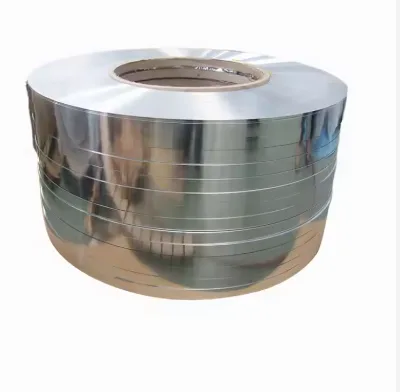
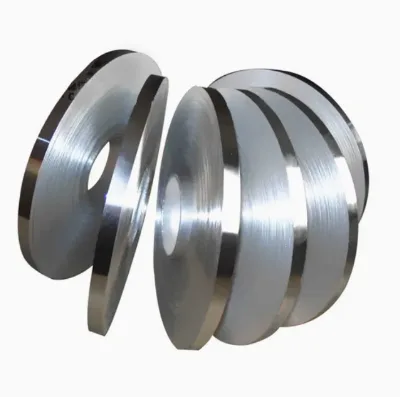
Observed listings frequently highlight key attributes such as material type, shape, and application, providing initial signals about product suitability. For instance, some suppliers offer strips in coil form, while others provide them in straight lengths, each with distinct handling and installation implications. Applications mentioned often include building decoration, automotive use, and instrument manufacturing, suggesting versatility in end-use scenarios. Buyers should carefully review these signals to identify suppliers whose product portfolios align with their specific needs, paying close attention to details like alloy series, surface treatment options, and packaging standards to ensure compatibility with their production processes.
Technical Specifications to Verify
Verifying technical specifications is paramount when sourcing aluminium metal strips, as variations in alloy composition and dimensions can significantly affect performance and appearance. Buyers should confirm the specific alloy series, such as 1000, 3000, 5000, or 6000 series, each offering distinct properties like corrosion resistance, strength, or formability. Additionally, dimensions must be precisely defined, including thickness, width, and length, as customized sizes are often available but require clear communication to avoid discrepancies. Surface treatments, such as polishing, anodizing, or powder coating, should also be verified to ensure they meet aesthetic and durability requirements, as these processes can alter the material's appearance and resistance to environmental factors.
Furthermore, buyers should inquire about the manufacturing processes employed, such as cold drawing or extrusion, as these influence the material's mechanical properties and surface finish. Packaging standards, including the use of PE film, PVC film, or wooden pallets, are also critical to prevent damage during transit and storage. By requesting detailed technical data sheets and sample evaluations, buyers can ensure that the supplied aluminium metal strips meet their specific requirements for strength, finish, and dimensional accuracy, thereby minimizing the risk of production delays or quality issues in their final products.
Compliance and Safety Documentation
Compliance with international standards and safety regulations is essential when sourcing aluminium metal strips, particularly for applications in building construction or automotive industries. Buyers should verify that suppliers adhere to recognized standards such as ASTM B209 for aluminium and aluminium-alloy sheet and plate, which ensures consistent material quality and performance. Additionally, certifications like ISO can indicate a supplier's commitment to quality management systems, although buyers should confirm the specific scope and validity of these certifications. Documentation such as material test reports, chemical composition analyses, and surface treatment specifications should be requested to verify that the products meet regulatory requirements and industry best practices.
Safety considerations also extend to the handling and installation of aluminium metal strips, particularly if they involve sharp edges or require specialized tools. Buyers should ensure that suppliers provide clear instructions for safe handling and storage, as well as any necessary safety data sheets (SDS) for surface treatments or coatings. By prioritizing compliance and safety documentation, buyers can mitigate risks associated with non-conforming products, regulatory penalties, or workplace accidents, thereby ensuring a smoother procurement process and a safer end-use environment for their customers.
Cost Drivers and Commercial Terms
Understanding the cost drivers and commercial terms is crucial for effective budgeting and negotiation when sourcing aluminium metal strips. Key factors influencing cost include the alloy series, surface treatment complexity, customization level, and order volume. For instance, specialized alloys or intricate surface finishes like anodizing or powder coating can significantly increase the unit price, while larger order volumes may offer economies of scale. Buyers should also consider additional costs such as packaging, shipping, and insurance, which can vary based on the supplier's location and logistics capabilities. Clear communication regarding these cost drivers is essential to avoid unexpected expenses and ensure accurate budgeting.
Commercial terms, including payment methods, delivery schedules, and after-sales support, also play a significant role in the overall procurement experience. Buyers should negotiate favorable terms that align with their cash flow and project timelines, such as flexible payment structures or expedited shipping options. Additionally, understanding the supplier's lead times, typically ranging from 15 to 20 days, and their capacity to handle rush orders can help in planning production schedules effectively. By carefully evaluating these commercial terms, buyers can secure a partnership that offers both cost efficiency and reliability, supporting their long-term procurement goals.
Supplier Qualification and Quality Control
Supplier qualification and quality control are critical steps in ensuring the reliability and consistency of aluminium metal strip supplies. Buyers should conduct thorough due diligence to assess a supplier's manufacturing capabilities, quality management systems, and track record. This includes verifying their production capacity, such as monthly output volumes, and their ability to maintain consistent quality across batches. Requesting samples for evaluation is a practical way to assess material properties, surface finish, and dimensional accuracy before committing to larger orders. Additionally, buyers should inquire about the supplier's quality control processes, including inspection protocols and testing procedures, to ensure that products meet specified standards.
Establishing clear quality control agreements with suppliers is essential for maintaining product integrity throughout the supply chain. This may include defining acceptance criteria, inspection frequencies, and procedures for handling non-conforming products. Buyers should also consider implementing periodic audits or third-party inspections to verify ongoing compliance with quality standards. By prioritizing supplier qualification and robust quality control measures, buyers can minimize the risk of receiving substandard materials, thereby protecting their brand reputation and ensuring customer satisfaction with their final products.
Long-Term Procurement Checks
Long-term procurement checks are vital for maintaining a stable and reliable supply of aluminium metal strips, especially for ongoing projects or recurring orders. Buyers should establish regular performance reviews with their suppliers to assess factors such as delivery reliability, product quality, and responsiveness to issues. These reviews can help identify potential problems early, allowing for proactive adjustments to the supply chain. Additionally, buyers should monitor market trends and price fluctuations to anticipate cost changes and adjust procurement strategies accordingly. Building a strong relationship with suppliers through consistent communication and mutual trust can also enhance collaboration and flexibility in addressing future challenges.
Furthermore, buyers should periodically re-evaluate their supplier base to ensure it remains aligned with their evolving needs and market conditions. This may involve exploring alternative suppliers or negotiating new contracts to secure better terms or access to innovative products. By implementing systematic long-term procurement checks, buyers can ensure a resilient and adaptable supply chain, capable of meeting current demands while preparing for future opportunities and challenges in the aluminium metal strip market.
FAQs
What materials are used for Decorations Aluminium Metal Strip?
The products are primarily made from aluminum, aluminum alloy, and stainless steel. Common aluminum alloys include 1050, 3003, 5052, and 6063 series. Stainless steel options are also available for specific applications. These materials provide durability and aesthetic appeal for building decoration and automobile use.
Can the size of the metal strip be customized?
Yes, customized sizes are available for these metal strips. Buyers can specify dimensions to fit their unique project requirements. The product supports customization to ensure precise fitting for various applications, including building decoration and instrument manufacturing, allowing for tailored solutions.
What certifications do the aluminum strips have?
The products hold ISO certification and comply with ASTM B209 standards. Some listings also mention SGS certification. These certifications ensure quality and safety for industrial applications. Buyers can rely on these standards for material integrity and performance in building and automotive sectors.
What is the lead time for orders?
The typical lead time is 15-20 days. This duration allows for production and preparation of orders. Buyers should plan their procurement schedules accordingly. The lead time may vary based on order quantity and specific customization requirements, so early communication is recommended.
How are the metal strips packaged for export?
Packaging includes export standard wooden pallets or wooden cases. Some options use PE film, PVC film, PE foam, craft paper, and carton boxes. This ensures safe transport and protection during shipping. The packaging method is designed to prevent damage and maintain product quality upon arrival.
What is the monthly production capability?
The monthly production capability is 4000 tons. This capacity supports large-scale orders and consistent supply. Buyers requiring bulk quantities can rely on this production volume. The facility is equipped to handle significant demand while maintaining quality standards for aluminum and stainless steel products.