Source Radiation Shielding Lead Glass Sheet for CT, X-Ray, Radiology
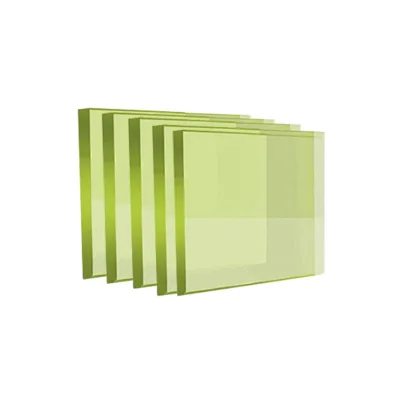
Compare 26 Radiation Shielding Lead Glass Sheet options from verified Chinese manufacturers. Buyers can evaluate lead equivalence, thickness, and custom sizes for CT rooms, X-ray facilities, and radiology departments; compare the available evidence and request quotations based on your requirements.
Key considerations
Products List


2mmpb X Ray Shielding Lead Glass Sheet
$70.00 - $600.00
MOQ: 1 Square Meters
Jiaozuo Changxin Technical Development of Radiation Protection Co., Ltd.

Lead Glass Sheet for Shielding Against Radiation
$70.00 - $1000.00
MOQ: 1 Pieces
Jiaozuo Changxin Technical Development of Radiation Protection Co., Ltd.


$70.00 - $600.00
MOQ: 1 Square Meters
Jiaozuo Changxin Technical Development of Radiation Protection Co., Ltd.


2mm Radiation Protection Pb Glass Dr Room X-ray Room Radiation Protection Lead Sheet
$20.00 - $2000.00
MOQ: 2 Pieces

Lead Glass Shield for Nuclide Radiation Protection 2mm 2.5mm 3.0mm 4.0mm 5mm Pb
$20.00 - $2000.00
MOQ: 2 Pieces

2mm 2.5mm 3.0mm 4.0mm 5mm Pb X Ray Room Radiation Shielding Lead Glass
$20.00 - $2000.00
MOQ: 2 Pieces

Factory Best Price X-ray Radiation Protective Lead Glass/X-ray Lead Sheet
$1.00 - $560.00
MOQ: 1 Pieces

Factory Best Price X-ray Radiation Protective Lead Glass/X-ray Lead Sheet
$1.00 - $560.00
MOQ: 1 Pieces




Comprehensive Sourcing Guide
Radiation Shielding Lead Glass Sheet Sourcing Guide
Procuring radiation shielding lead glass sheets requires a precise understanding of material composition and optical clarity, as these factors directly impact both safety and operational efficiency in medical imaging environments. Buyers must recognize that this specialized material serves as a critical barrier in facilities such as CT rooms, radiology suites, and mammography units, where high levels of X-ray protection are mandatory without obstructing the view of medical staff. The primary function of this glass is to attenuate ionizing radiation while maintaining transparency, allowing for continuous monitoring of patients during procedures.
When evaluating potential suppliers, it is essential to distinguish between standard glass and lead-infused variants, as the latter contains significant percentages of lead oxide to achieve the necessary shielding properties. The observed market data indicates a wide range of lead equivalents, from 0.22mmpb to 0.32mmpb, which corresponds to specific thicknesses ranging from 8mm to over 150mm. Buyers should not assume that all listed products meet their specific shielding requirements; instead, they must verify the lead equivalent against their facility’s radiation safety plans to ensure adequate protection for both personnel and patients.
Product Scope and Observed Listing Signals
The current market for radiation shielding lead glass sheets exhibits significant variability in product specifications, with observed lead equivalents ranging from 0.24mmpb to higher values depending on thickness. Listings frequently highlight popular sizes such as 1000800mm, 10001000mm, and 12001000mm, alongside maximum dimensions reaching up to 24001200mm. This diversity suggests that suppliers cater to both standard architectural openings and custom-designed shielding windows, requiring buyers to carefully match their structural needs with available inventory or custom manufacturing capabilities.
Observations also reveal that many suppliers maintain big stocks of popular sizes, which can significantly reduce lead times for urgent procurement needs. However, for non-standard dimensions or specific lead equivalence requirements, customization is widely available, often with a minimum order quantity (MOQ) starting at just one piece or small batches. Buyers should note that while some listings indicate immediate availability, others may require production time, making it crucial to clarify stock status and delivery timelines before finalizing purchase orders to avoid project delays.
Technical Specifications to Verify
Technical verification must begin with the lead equivalent, which determines the material’s ability to block X-rays at specific kilovoltage levels, such as 60-200kv. Buyers should confirm the exact lead content, which can be as high as 61.03%, and correlate this with the physical thickness, noting that 10mm thickness may correspond to 2mmpb while 15mm may offer 3mmpb. It is critical to validate these specifications against the intended application, whether for cardiology, urology, or general radiology, to ensure the glass provides sufficient attenuation for the specific energy levels used in the facility.
Optical properties are equally important, with a refractive index of approximately 1.71720 and high transparency being key features for clear visibility. Buyers must also consider the density, which is observed at 4.46g/mm, as this affects the structural load on window frames and mounting systems. Additionally, the material’s suitability for various patient demographics, including adults, children, and the elderly, implies a need for consistent quality across all production batches, ensuring that visual distortion or shielding inconsistencies do not compromise diagnostic accuracy or safety.
Compliance and Safety Documentation
Compliance with international standards is non-negotiable for radiation shielding materials, and buyers should insist on certificates such as CE, ISO, and SGS to verify that the product meets rigorous safety and quality benchmarks. These certifications indicate that the manufacturing process adheres to established protocols for material consistency and radiation protection efficacy, providing a baseline of trust for procurement teams. Without these documented validations, there is a risk that the glass may not perform as expected under actual radiation exposure conditions, potentially endangering staff and patients.
Beyond basic certifications, buyers should request detailed test reports that confirm the lead equivalence claims made by the supplier. It is advisable to verify that the product standard aligns with local regulatory requirements, as standards can vary by region and application type. Ensuring that the documentation is up-to-date and issued by recognized bodies helps mitigate legal and operational risks, providing a clear audit trail for facility inspections and regulatory compliance reviews.
Cost Drivers and Commercial Terms
Cost variations in radiation shielding lead glass are primarily driven by thickness, lead equivalent, and size, with prices observed ranging from $1 to $2000 depending on these factors. Buyers should anticipate that higher lead equivalents and larger custom dimensions will incur premium pricing, while standard sizes in stock may offer more competitive rates. Understanding these cost drivers allows procurement teams to budget accurately and negotiate effectively, particularly when balancing the need for maximum shielding against financial constraints.
Commercial terms such as FOB, CFR, and CIF are commonly offered, influencing the final landed cost based on shipping and insurance responsibilities. Buyers should also consider the packaging, which typically involves 40mm foams and strong wooden cases to prevent breakage during transit, as this affects handling and storage requirements at the destination. Clarifying trade terms and delivery times, which can be as short as three days after payment for stocked items, helps in planning logistics and ensuring that the material arrives in pristine condition for installation.
Supplier Qualification and Quality Control
Supplier qualification should focus on verifying the origin of production, with many manufacturers located in regions like Henan, China, known for glass production expertise. Buyers must assess the supplier’s capacity to provide consistent quality, particularly when ordering customized sizes or specific lead equivalents. It is advisable to request samples or third-party test results to validate the material’s properties before committing to large orders, ensuring that the product meets the specified technical requirements.
Quality control processes should include checks on transparency, density, and lead content uniformity across the entire sheet. Buyers should inquire about the supplier’s internal testing protocols and whether they conduct regular audits to maintain product consistency. Establishing a clear communication channel for addressing any discrepancies or defects is crucial, as it ensures that any issues can be resolved promptly, minimizing disruption to the procurement timeline and installation schedule.
Long-Term Procurement Checks
Long-term procurement success depends on establishing a reliable supply chain that can support ongoing maintenance and future expansion projects. Buyers should evaluate the supplier’s ability to provide consistent lead times and maintain stock levels for popular sizes, ensuring that replacements or additional units can be sourced quickly when needed. Building a relationship with a trusted supplier can also facilitate better pricing and priority service during peak demand periods.
Regular reviews of product performance and supplier compliance are essential to maintain high standards of safety and quality. Buyers should monitor any changes in certification status or product specifications and ensure that the supplier remains aligned with evolving regulatory requirements. By maintaining a proactive approach to supplier management, organizations can mitigate risks and ensure that their radiation shielding infrastructure remains effective and compliant over time.
FAQs
What is the lead equivalent of this Radiation Shielding Lead Glass Sheet?
The Radiation Shielding Lead Glass Sheet offers a lead equivalent of 0.24mmpb at 110kv. It also provides options ranging from 0.22mmpb to 0.32mmpb. Thicker sheets like 15mm achieve 3mmpb. This ensures effective X-ray protection for medical imaging rooms while maintaining high transparency for clear visibility.
Can I customize the size of the Radiation Shielding Lead Glass Sheet?
Yes, the Radiation Shielding Lead Glass Sheet is fully customizable to meet specific project requirements. While popular sizes include 1000x800mm and 1200x1000mm, the maximum size can reach 2400x1200mm. Custom dimensions are available to fit unique architectural designs and shielding needs for various medical facilities.
What certifications does the Radiation Shielding Lead Glass Sheet have?
The Radiation Shielding Lead Glass Sheet holds CE, ISO, and SGS certifications. These credentials verify compliance with international safety and quality standards. The product also meets RoHS requirements. These certifications ensure the material is safe for use in sensitive medical environments like CT rooms and radiology departments.
How is the Radiation Shielding Lead Glass Sheet packaged for shipping?
The Radiation Shielding Lead Glass Sheet is packaged with 40mm foams and strong wooden cases. This robust packaging protects the glass from damage during transit. The use of sturdy wooden boxes ensures safe delivery to international destinations. This method is designed to maintain product integrity upon arrival at the buyer's site.
What is the lead time for the Radiation Shielding Lead Glass Sheet?
The lead time for the Radiation Shielding Lead Glass Sheet is approximately three days after payment. This quick turnaround supports urgent medical facility projects. The supplier maintains big stocks of popular sizes to facilitate faster delivery. This efficiency helps minimize downtime during the installation of new shielding systems.
What is the density of the Radiation Shielding Lead Glass Sheet?
The Radiation Shielding Lead Glass Sheet has a density of 4.46g/mm. This specific density contributes to its effective radiation absorption capabilities. The material contains 61.03% lead content, ensuring high shielding performance. These physical properties make it suitable for demanding applications in cardiology, CT, and radiology departments.