Source 600KN Mattress Unbaler Machine for bale compaction, transport, and recycling
Compare 30 listings for the 600KN Mattress Unbaler Machine featuring adjustable bale sizes and electric driving types. Buyers can evaluate specifications like work efficiency, motor power, and compression capabilities from suppliers in China.
Key considerations
Products List


Full-Automated Auto Wrapping Compress and Roll-Pack Machine Mattress Machine
$9000.00 - $11000.00
MOQ: 1 SET


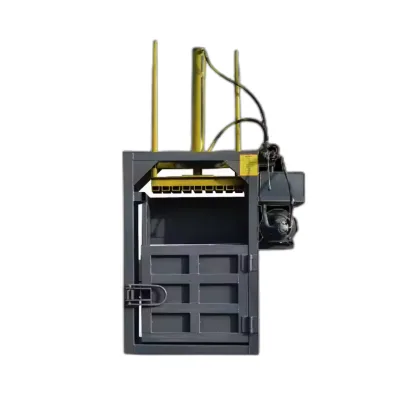
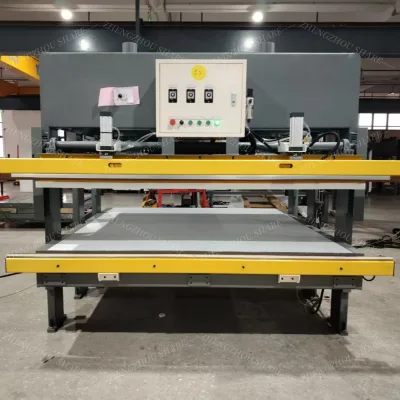
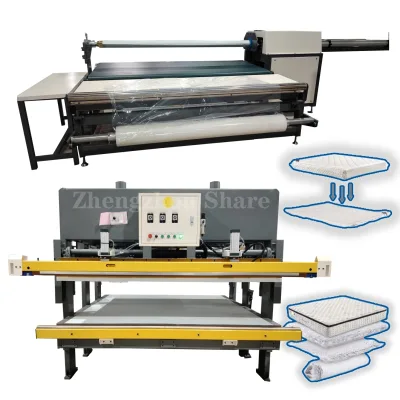
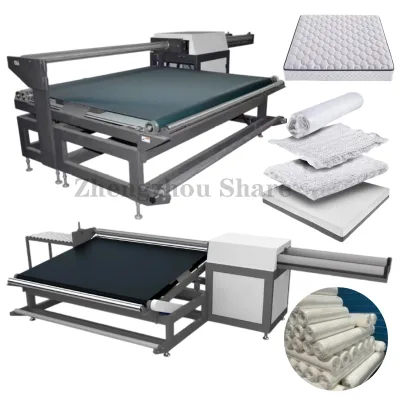


Efficient Spring Mattress Rolling Machine for Easy Packaging with CE Approve
$13900.00 - $16500.00
MOQ: 1 Sets



Comprehensive Sourcing Guide
Strategic Sourcing Guide for 600kn Mattress Unbaler and Bale Processing Equipment
The global mattress recycling and textile processing sectors rely heavily on specialized machinery to handle compressed bales efficiently. When sourcing equipment described as a "600KN Mattress Unbaler Machine," buyers must navigate a complex landscape of technical specifications, certification requirements, and operational capabilities. The term "600kn" typically refers to the maximum force or pressure capacity required for bale processing, a critical metric for ensuring the machine can handle high-density compressed materials without failure. However, the supplied product data reveals a diverse range of machinery, including bag moulding formers, knitting machines, and sewing units, indicating that a single search term may encompass various stages of the production line. This guide provides a disciplined approach to evaluating these assets, ensuring that procurement decisions are grounded in verified facts and industry standards rather than marketing assertions.
Technical Specifications and Operational Capacity
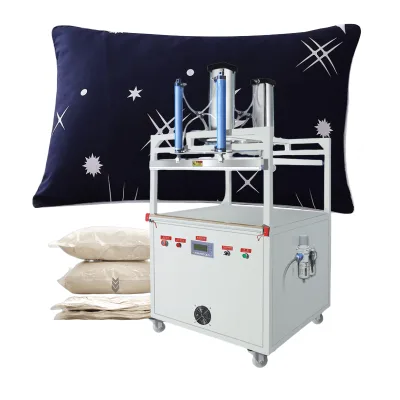
When evaluating machinery for mattress bale processing, the primary focus must be on the mechanical force, forming capabilities, and throughput efficiency. The supplied data highlights a specific configuration where the maximum work pressure is listed as 400kn, which serves as a critical benchmark for comparison. While the target keyword suggests a 600kn requirement, buyers must verify if the available units meet or exceed this threshold, as operating a machine near its maximum pressure limit can impact longevity and safety. The forming function is explicitly noted as "Forming" with a "Bag Moulding" species, suggesting the equipment is designed to shape or compress materials into specific dimensions.
Efficiency metrics are equally vital for calculating return on investment. The observed data indicates a work efficiency of 20 to 30 bales per shift for certain models, while other units in the same category demonstrate a capacity of 16 to 20 mattresses per hour, depending on operator skill. These figures must be contextualized against the specific density of the bales being processed. The compressed bale size is adjustable, ranging from 200mm to 600mm, which allows for flexibility in handling different mattress types or recycling outputs. Furthermore, the bale capacity is specified as 16 to 20 pieces per bale, a parameter that directly influences the volume of material the machine can process in a single cycle.
Power consumption and drive systems are also defining characteristics. The data specifies an electric driven type with a motor power of 7.5kw, utilizing an inner cone brake motor for precise control. This contrasts with other units in the dataset that may have lower power ratings, such as 3.0kw or 750W, which are likely associated with auxiliary functions like sewing or knitting rather than primary bale uncompression. Buyers must ensure that the motor power aligns with the mechanical load of the unbaling process to prevent overheating or motor burnout. The maximum spring unit size is listed as H2100mm by W2000mm, accommodating a 20-piece configuration, which provides a clear physical boundary for the machine's operational envelope.
Compliance, Certification, and Safety Standards
In the B2B machinery market, compliance with international standards is non-negotiable for ensuring operational safety and market access. The supplied product facts explicitly list CE and SGS as standard product attributes, alongside ISO9001 certification for quality management systems. These certifications indicate that the manufacturing processes and final products adhere to rigorous European and global quality benchmarks. The CE marking, in particular, is a mandatory requirement for selling machinery within the European Economic Area, confirming that the equipment meets essential health, safety, and environmental protection requirements.
However, buyers must exercise caution when interpreting these certifications. The data notes "Computerized: Computerized" in the context of certification, suggesting that the electronic control systems are also subject to these standards. It is imperative to verify that the specific unit being purchased carries the valid, up-to-date certification documents, as these can vary by batch or production year. The standard product origin is listed as Nanjing, China, and Jiangsu, China, regions known for significant industrial manufacturing. While these locations are hubs for machinery production, the origin does not automatically guarantee compliance; the certification documents must be reviewed for each specific model.
Safety standards regarding pressure and mechanical operation are critical. The rated pressure for pneumatic systems is observed in the range of 0.5 to 0.8MPa in related equipment, and the maximum work pressure for the primary forming unit is 400kn. For a machine targeting 600kn, the safety relief valves and pressure gauges must be calibrated to handle the increased load. Buyers should request test reports or pressure test certificates to validate that the machine can sustain the claimed pressure without structural failure. Additionally, the condition of the machinery is listed as "New," which implies that the safety systems should be fully functional and compliant with current regulations, but a physical inspection is always recommended before finalizing the purchase.
Cost Drivers and Pricing Variables
The pricing for industrial machinery is influenced by a multitude of factors, including motor power, automation level, and customization options. The observed price range in the dataset spans from 528.19 USD to 59,000 USD, a vast disparity that reflects the difference between simple auxiliary units and complex, fully automated production lines. The higher end of this spectrum likely corresponds to machines with advanced automation, higher pressure capacities, and larger physical dimensions, such as the unit with an external size of L5800mm by W3500mm by H2400mm.
Motor power is a significant cost driver. Units with a 7.5kw motor, such as the inner cone brake motor configuration, will generally command a higher price than those with 3.0kw or 750W motors. This is due to the increased material costs for the motor, the associated electrical components, and the engineering required to manage the higher torque and heat generation. Automation is another key variable; the data confirms that "Automation" and "Customization" are available attributes. Fully automated systems that integrate computerized controls, automatic feeding, and robotic handling will incur a premium over semi-automatic or manual operation models.
Packaging and shipping costs also play a role in the total landed cost. The product packing is specified as either a "Crate" or a "Wooden Box" or "Wooden Case," depending on the model. Heavy machinery weighing between 2000kg and 2200kg requires robust packaging to prevent damage during transit, which adds to the manufacturing and shipping expenses. The minimum order quantity (MOQ) is consistently listed as 1, which allows for flexible purchasing but may result in higher per-unit costs compared to bulk orders. Buyers should factor in the cost of the wooden packaging and the potential need for specialized freight services when budgeting for the acquisition of these machines.
Typical Applications and Production Scenarios
The versatility of the machinery described in the data suggests a wide range of applications within the textile and mattress manufacturing sectors. The primary function of the bag moulding and forming units is to process compressed bales, which is essential in recycling operations where mattresses are compacted for transport and storage. The adjustable compressed bale size of 200 to 600mm allows these machines to handle various densities and types of mattress materials, from foam to spring-based units.
Beyond unbaling, the data includes specifications for knitting and sewing machines, indicating that the supply chain often integrates multiple stages of production. The knitting product type is listed as "Belt," with a double knitting method and compound needle style, suitable for producing elastic bands or structural components used in mattress manufacturing. The sewing heads, capable of chain stitch operations with speeds up to 5000 S.P.M., are likely used for assembling the final mattress covers or reinforcing the edges. The work table size of 3750mm by 1982mm provides ample space for large-scale sewing operations, accommodating the full width of mattress panels.
The machine's ability to handle panel thicknesses up to 80mm and mattress thicknesses ranging from 100mm to 400mm highlights its suitability for processing a diverse portfolio of products. This flexibility is crucial for manufacturers who produce mattresses of varying heights and firmness levels. The work efficiency of 16 to 20 mattresses per hour suggests that these machines are designed for medium-to-high volume production environments, where consistent output is required to meet market demand. The integration of computerized controls ensures that these processes can be precisely managed, reducing waste and improving the overall quality of the finished product.
Supplier Evaluation and Quality Assurance
Evaluating a supplier for industrial machinery requires a rigorous assessment of their technical capabilities, certification validity, and after-sales support. The data indicates that the products originate from Nanjing and Jiangsu, China, regions with established manufacturing ecosystems. Buyers should verify the supplier's ability to provide the specific certifications mentioned, such as CE, ISO9001, and SGS, and ensure that these are current and applicable to the specific model being purchased. The presence of "Computerized" features implies a need for technical expertise in software and electronics, so the supplier should demonstrate proficiency in maintaining and troubleshooting these systems.
Quality control is paramount, especially given the high-pressure nature of the equipment. Buyers should request detailed quality control reports that cover pressure testing, motor performance, and structural integrity. The condition of the machine is listed as "New," but this should be confirmed through a pre-shipment inspection or a factory audit. The supplier's ability to offer customization is a significant advantage, allowing buyers to tailor the machine to their specific production needs, such as adjusting the bale capacity or modifying the work table dimensions.
The supplier's reputation and track record should be assessed through references from previous clients and independent reviews. While the data does not provide specific supplier names, the consistency of the product attributes across the dataset suggests a standardized manufacturing process. Buyers should look for suppliers who offer comprehensive training programs for operators, ensuring that the workforce can utilize the machine's full potential. The availability of spare parts and the lead time for maintenance services are also critical factors in the supplier evaluation process.
Long-Term Procurement and Maintenance Considerations
Investing in industrial machinery is a long-term commitment that requires careful planning for maintenance, upgrades, and lifecycle management. The data specifies a machine weight of 2000kg or 2200kg, which necessitates a robust foundation and proper installation procedures to ensure stability and safety. The motor power of 7.5kw and the electric driven type require a reliable power supply and appropriate electrical infrastructure, which should be verified before installation.
Maintenance schedules should be established based on the work efficiency and operating hours of the machine. For a unit capable of processing 20 to 30 bales per shift, regular inspection of the hydraulic systems, pressure gauges, and motor components is essential to prevent downtime. The adjustable nature of the compressed bale size and the sewing head elevation angle (25° to 60°) suggests that the machine requires periodic calibration to maintain precision. Buyers should negotiate a maintenance contract with the supplier that includes regular service visits, spare parts availability, and technical support.
The customization options available allow for future upgrades, which can extend the lifespan of the machine and adapt it to changing production requirements. As the industry evolves, the ability to modify the machine's specifications, such as increasing the bale capacity or upgrading the motor power, will be a valuable asset. Buyers should also consider the environmental impact of the machinery, ensuring that it meets current and future sustainability standards. The use of energy-efficient motors and the ability to process recycled materials align with global trends towards greener manufacturing practices.
Comparison of Key Machine Attributes
To facilitate a clearer understanding of the available options, the following table summarizes the key technical attributes observed in the product data. This comparison highlights the variations in power, capacity, and specifications that buyers should consider when selecting the appropriate equipment for their needs.
| Attribute | Model BDB | Model BWB-4B | Model BSBJ-3 | Model BWB-4C |
|---|---|---|---|---|
| Forming Function | Forming | N/A | N/A | N/A |
| Max. Work Pressure | 400kn | N/A | N/A | N/A |
| Motor Power | 7.5kw | 3.0kw | 750W | N/A |
| Work Efficiency | 20-30 Bales/Shift | N/A | 16-20 Mattress/Hour | N/A |
| Compressed Bale Size | 200-600mm | N/A | N/A | N/A |
| Bale Capacity | 16-20 PCS/Bale | N/A | N/A | N/A |
| Certification | CE, ISO9001 | CE | CE | CE |
| Origin | Nanjing, China | Jiangsu, China | N/A | Jiangsu, China |
| Packing | Crate | Wooden Box | N/A | Wooden Case |
| Condition | New | New | New | New |
This table underscores the diversity of the equipment available. While the BDB model offers high-pressure forming capabilities suitable for heavy-duty unbaling, other models focus on sewing and knitting functions. Buyers must align their specific operational requirements with the correct model to ensure optimal performance and efficiency. The consistent presence of CE certification and new condition across all models provides a baseline for quality, but the specific technical parameters must be matched to the intended application.
FAQs
What is the maximum work pressure of the available mattress unbaler?
The maximum work pressure listed for the forming unit is 400kn. This is below the 600kn target, so buyers must verify if higher capacity models exist or if the 400kn unit suffices for their specific bale density requirements.
Can the compressed bale size be adjusted for different mattress types?
Yes, the compressed bale size is adjustable ranging from 200 to 600mm. This flexibility allows the machine to handle various mattress densities and recycling outputs without requiring different equipment configurations for different product lines.
Which certifications are standard for these forming and sewing machines?
Standard certifications include CE, ISO9001, and SGS for quality management. These indicate compliance with European safety and global quality benchmarks, though buyers should verify that specific units carry valid, up-to-date documentation for their batch.
What is the typical work efficiency for bale processing per shift?
Work efficiency is observed at 20 to 30 bales per shift for forming units. For mattress processing specifically, efficiency ranges from 16 to 20 mattresses per hour depending on operator skill, influencing overall production throughput calculations.
How does motor power vary across different machine models in the dataset?
Motor power varies significantly, with forming units using 7.5kw inner cone brake motors. Auxiliary units like knitting or sewing machines may use lower power ratings such as 3.0kw or 750W, requiring careful selection based on the specific process stage.
What are the packaging and shipping requirements for these heavy machines?
Machines are packed in crates or wooden boxes to protect heavy components weighing 2000kg to 2200kg. This robust packaging adds to the landed cost and necessitates specialized freight services for safe international transport from Nanjing or Jiangsu origins.
Is customization available for the machine specifications and production lines?
Customization is available for various attributes to meet specific buyer needs. This allows for adjustments in bale capacity, work table dimensions, or automation levels, enabling tailored solutions for different mattress recycling or manufacturing workflows.