Source Automatic Mattress Border Sewing Machine for Bedding, Covers, Protectors
Explore 30 Automatic Mattress Border Sewing Machine options to compare sewing speeds, needle configurations, and fabric compatibility. This guide helps buyers evaluate specifications for efficient production of bedding, bed covers, and mattress protectors; compare the available evidence and request quotations based on your requirements.
Key considerations
Products List


Automatic Mattress Border Quilter Machine Sewing Machine for Border Pattern
$50500.00 - $60600.00
MOQ: 1 Pieces


China Auto High Speed Mattress Tapeedge Quilting Sewing Border Sewing Machine
$1800.00 - $1900.00
MOQ: 1 Pieces


Auto High Speed Mattress Tapeedge Quilting Sewing Border Sewing Machine Near Me
$1800.00 - $1900.00
MOQ: 1 Pieces

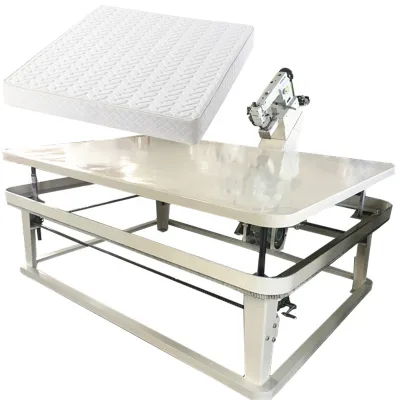


Automatic Mattress Border Tape Sewing Bonnell Spring Machine Making Machine
$2700.00 - $3590.00
MOQ: 1 Pieces


Comprehensive Sourcing Guide
Automatic Mattress Border Sewing Machine Sourcing Guide
Procuring an Automatic Mattress Border Sewing Machine requires careful evaluation of the specific production environment, as these units are designed primarily for the bedding and service industry sectors. The observed market data indicates that these machines are typically configured for adult bedding applications, featuring high-speed capabilities that can reach up to 7000rpm depending on the specific model configuration. Buyers must recognize that while some units are fully automatic, others operate on a semi-automatic basis, necessitating a clear definition of the desired automation level before initiating the supplier search.
The physical footprint and operational parameters of these machines vary significantly across different listings, with standard dimensions often ranging from compact 2.0 by 2.0-meter units to larger industrial configurations. It is critical to verify the working speed and needle quantity, as observed models feature needle counts up to 33 with adjustable spacing, which directly impacts the complexity of the border patterns that can be executed. Understanding these baseline specifications ensures that the selected equipment aligns with the production volume and the specific fabric widths required for the mattress bordering process.
Product Scope and Observed Listing Signals
When analyzing product listings, buyers should note that the observed price range spans from 1700 to 100000 USD, reflecting a wide spectrum of capabilities from basic bordering units to advanced, fully integrated systems. This variance suggests that the final cost is heavily influenced by the degree of automation, the brand of sewing heads such as Pegasus, and the specific customization options available for the machine. A lower price point may indicate a semi-automatic unit with standard features, whereas higher-priced models likely include advanced control systems and specialized attachments for complex mattress fabrics.
The minimum order quantity for these industrial machines is consistently observed at one unit, allowing for flexible procurement strategies without the need for bulk purchasing commitments. However, the packaging and shipping requirements differ, with some units shipped in protective film while others require robust wooden boxes to prevent damage during transit. Buyers must account for these logistical details, as the packing method often correlates with the machine's weight, which can reach up to 260kg, and the specific transport methods like sea transport required for international delivery.
Technical Specifications to Verify
Technical due diligence must focus on the precise dimensions and operational limits of the sewing head and fabric handling systems. Key specifications to confirm include the sewing width, which is often adjustable up to 450mm, and the non-woven width capabilities that may range from 120mm to 360mm depending on the model. The machine's ability to handle different material thicknesses, such as thin materials or specific 3D fabric borders, is essential for ensuring the equipment can manage the diverse range of mattress products in a modern production line.
Buyers should also scrutinize the drive system and control mechanisms, as observed models utilize electric drives with varying levels of automation from semi-automatic to fully automatic grades. The needle configuration is another critical factor, with some units offering specific needle spacing options like 3/16 or 1/4 inches, which determines the stitch density and pattern precision. Verifying the working speed, which can reach 6m/Min or higher, alongside the specific model numbers like BQ-65 or WY-3A, ensures the machine meets the throughput requirements of the intended facility.
Compliance and Safety Documentation
Safety and regulatory compliance are paramount when importing industrial machinery, and buyers must verify that the equipment carries recognized certifications such as CE and ISO 9001. The observed listings frequently mention these standards, but it is the buyer's responsibility to request valid, up-to-date documentation that confirms the machine meets the safety requirements of the destination country. Relying solely on the presence of a certification label without verifying the issuing authority can lead to significant compliance risks and potential operational shutdowns.
In addition to general safety certifications, specific standards related to the machine's construction and electrical systems must be reviewed to ensure they align with local regulations. Some listings reference specific standard codes like L 8000W 3500H 3500 or 2.68CBM, which likely refer to dimensional or volume standards for shipping and installation. Buyers should ensure that the supplier provides a comprehensive compliance dossier that includes electrical safety reports and operational manuals, as these documents are essential for passing local inspections and maintaining insurance coverage.
Cost Drivers and Commercial Terms
The total cost of ownership for an Automatic Mattress Border Sewing Machine is driven by several factors beyond the initial purchase price, including the complexity of the customization and the specific components used. Models featuring high-speed capabilities and advanced automatic grades often command a premium, while the inclusion of specific sewing heads like Pegasus can also influence the final price. Buyers should analyze the cost-benefit ratio of these features against their production needs to avoid over-investing in capabilities that may not be fully utilized.
Commercial terms regarding payment, shipping, and lead times are equally critical and should be clearly defined in the purchase agreement. While the minimum order quantity is typically one unit, the lead time and shipping method, such as sea transport, can significantly impact the overall project timeline and budget. Buyers must clarify whether the quoted price includes packaging, such as wooden boxes or film, and understand the responsibilities for freight and insurance to prevent unexpected costs upon delivery.
Supplier Qualification and Quality Control
Selecting a qualified supplier requires a thorough assessment of their manufacturing capabilities and their track record in producing automatic sewing machinery. Buyers should verify the supplier's origin, as many observed listings indicate production in China, specifically in regions like Jiangsu, which is known for its textile machinery industry. It is essential to confirm that the supplier has a proven history of delivering machines that meet the specified technical requirements and that they offer reliable after-sales support for maintenance and repairs.
Quality control processes should be a central part of the supplier evaluation, with buyers requesting detailed information on how the machines are tested before shipment. The condition of the machines is typically listed as new, but buyers should insist on pre-shipment inspection reports that verify the functionality of critical components like the needle quantity and sewing speed. Establishing a clear quality assurance protocol ensures that the delivered equipment performs as expected and minimizes the risk of receiving defective or non-compliant machinery.
Long-Term Procurement Checks
Establishing a long-term relationship with a supplier involves regular performance reviews and ongoing communication to ensure the equipment continues to meet production standards. Buyers should implement a schedule for periodic maintenance checks and verify that the supplier provides access to genuine spare parts, such as needles and sewing heads, to minimize downtime. This proactive approach helps maintain the efficiency of the Automatic Mattress Border Sewing Machine and extends its operational lifespan in a demanding industrial environment.
Future procurement decisions should be informed by the machine's performance data and the supplier's responsiveness to any issues that arise during operation. Buyers must monitor the machine's ability to handle varying fabric widths and thicknesses over time, ensuring that the adjustable features remain functional and precise. By maintaining a detailed record of the machine's performance and the supplier's support quality, buyers can make informed decisions about future upgrades or expansions of their sewing capabilities.
FAQs
What is the sewing speed of this automatic machine?
The sewing speed reaches 5 meters per minute for standard models and up to 6 meters per minute for specific units. Some high-speed variants operate at 7000 rpm depending on the configuration. This ensures efficient production for bedding applications while maintaining consistent stitch quality.
Which certifications do these machines typically hold?
Most units carry CE and ISO certifications, with some models specifically listing ISO 9001 alongside CE marks. These standards ensure compliance with international safety and quality requirements. Buyers should verify specific certification documents for each model before finalizing procurement decisions.
Can the machine handle different fabric widths?
Yes, the machine features adjustable settings for various fabric widths. The mattress fabric width ranges from 100 to 360 millimeters, while the non-woven width adjusts between 120 millimeters. This flexibility allows the equipment to accommodate diverse bedding and mattress protector production needs effectively.
What is the minimum order quantity for these machines?
The minimum order quantity is one unit for all listed models. This low threshold allows buyers to purchase single machines without needing bulk commitments. It facilitates easier entry for small businesses or those testing new production lines for automatic mattress border sewing applications.
How is the machine packed for shipping?
Packaging varies by model, with options including film wrapping or sturdy wooden boxes. Some units are packed according to specific customer requirements to ensure safe transport. This customization helps protect the equipment during sea transport from the manufacturing origin in China to the destination.
What is the weight of the automatic sewing unit?
The machine weighs approximately 260 kilograms, indicating a robust and stable construction. This weight supports high-speed operations and precise stitching for heavy-duty bedding applications. Buyers should account for this mass when planning factory floor layout and installation requirements.
Is the machine fully automatic or semi-automatic?
Models are available in both full-automatic and semi-automatic configurations. The full-automatic grade offers complete automation for continuous production, while semi-automatic options provide manual control for specific tasks. This variety allows buyers to select the level of automation that best fits their operational capacity.