Source 600V Planar Super Junction MOSFET for Power Supplies, Refrigerators, and Industrial Equipment
Compare 23 listings of 600V Planar Super Junction MOSFET from verified manufacturers in China. Buyers can evaluate models like WMK07N60C4 and WMO15N60C4 for applications in power supplies, refrigerators, and industrial equipment based on features such as low forward voltage drop and high surge current capability.
Key considerations
Products List




Comprehensive Sourcing Guide
Strategic Sourcing Guide for 600V Planar Super Junction MOSFETs
Understanding the Core Component and Technical Architecture
The 600V Planar Super Junction MOSFET represents a critical class of power semiconductor devices designed to optimize efficiency in high-voltage switching applications. Unlike traditional planar devices, super junction structures utilize alternating p-type and n-type columns to achieve a higher breakdown voltage with significantly lower on-resistance. This architectural advantage allows for reduced conduction losses, which is essential for modern power conversion systems. When sourcing these components, buyers must recognize that the "planar" designation often refers to the gate structure, while the "super junction" aspect defines the bulk semiconductor physics that enables the 600V rating with superior performance metrics.
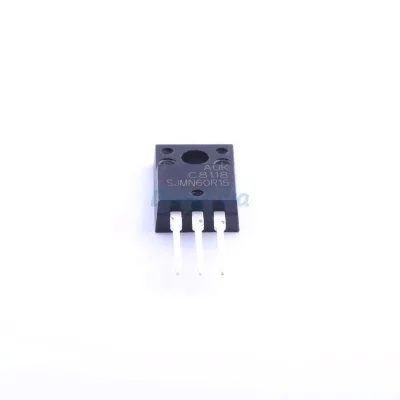
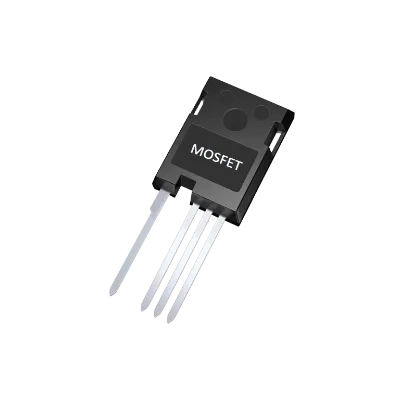
The supplied product data indicates that these devices are frequently categorized as discrete devices made from silicon or element semiconductors. The material composition is fundamental, as silicon remains the dominant substrate for this voltage class due to its thermal stability and mature manufacturing ecosystem. The observed product attributes highlight specific electrical characteristics, such as low forward voltage drop and high surge current capability. These features are not merely marketing terms but are direct indicators of the device's ability to handle transient loads and maintain efficiency under continuous operation. The encapsulation structures vary, with observations noting chip transistors and various package types, including TO-220, TO-252, and plastic packages. This diversity in packaging suggests that the supply chain offers solutions for both through-hole and surface-mount assembly requirements, catering to different PCB design philosophies.
Compliance Standards and Certification Verification
In the global electronics supply chain, compliance with international standards is non-negotiable for ensuring product safety and environmental sustainability. The sourcing of 600V MOSFETs requires rigorous verification of certifications that validate the manufacturer's adherence to these regulations. Based on available data, RoHS (Restriction of Hazardous Substances) is a prominent certification observed in the product listings. This certification confirms that the components are manufactured without specific hazardous materials, such as lead, mercury, and cadmium, which is a prerequisite for selling electronics in the European Union and many other markets.
Beyond RoHS, the supply context also references CCC (China Compulsory Certification), ISO, and CE marks. While the presence of these certifications in the data suggests a robust compliance framework for certain suppliers, buyers must treat these as observations rather than universal guarantees for every unit. The distinction between "Original Manufacturer" and "Other" supplier types is critical here. Original manufacturers typically hold the primary certifications and can provide direct traceability to the production batch. In contrast, third-party distributors may offer products that are compliant but require additional due diligence to verify the authenticity of the certification documents.
Buyers should also verify the specific standards associated with the product models. For instance, while some listings reference PDFN 5x6-8L or TO-252 as standards, these are often package standards rather than performance standards. The true compliance check involves ensuring that the specific MOSFET model meets the electrical safety standards required for the end application, such as IEC standards for power supplies or automotive safety standards if the device is intended for vehicle electronics. The absence of specific test result data in the general product descriptions necessitates that buyers request detailed test reports or datasheets to confirm that the device meets the required safety margins for 600V operation.
Cost Drivers and Pricing Dynamics
The pricing of 600V planar super junction MOSFETs is influenced by a complex interplay of factors, including material costs, manufacturing complexity, and supply chain logistics. The observed price range in the market spans from $0.01 to $1.80 USD. This wide variance is not indicative of quality differences alone but reflects the diversity of packaging, quantity, and supplier positioning. Lower-priced units often correspond to higher volume purchases or older production batches, while the upper end of the range may reflect specialized packaging, lower Minimum Order Quantities (MOQ), or premium service levels.
The Minimum Order Quantity (MOQ) is a significant cost driver, with observed ranges extending from 1 unit to 10,000 units. For prototyping or low-volume production, buyers may face a higher per-unit cost due to the low MOQ flexibility. Conversely, large-scale procurement can leverage economies of scale to reduce the unit price significantly. The "Selling Units" attribute often indicates that single-item sales are possible, which is beneficial for R&D but less cost-effective for mass production.
Additional cost factors include the packaging type and the origin of the shipment. Products originating from Guangdong, China, and shipped from Shenzhen benefit from a mature logistics ecosystem, yet the specific shipping method (DHL, FedEx, UPS, etc.) will impact the final landed cost. The "Single gross weight" of 0.005 kg suggests that the physical cost of shipping is relatively low per unit, but the cumulative cost for large orders can be substantial. Buyers must also consider the "Lead Time," which ranges from 1-3 working days to 3-7 days. Expedited shipping or urgent orders may incur premium charges, while standard lead times allow for more predictable budgeting. The "BOM Service" availability can also influence costs, as suppliers offering Bill of Materials integration may charge a service fee that is offset by reduced engineering time for the buyer.
Typical Applications and Performance Requirements
The versatility of 600V planar super junction MOSFETs makes them suitable for a wide array of industrial and consumer applications. The observed product attributes explicitly mention applications such as refrigerators, highlighting their role in white goods where energy efficiency is paramount. In refrigeration systems, these MOSFETs are often used in compressor drivers and power factor correction (PFC) circuits, where the high surge current capability and low forward voltage drop are critical for maintaining stable operation under varying load conditions.
Beyond refrigeration, the "Ideal for Printed Circuit Board" attribute suggests widespread use in general power electronics. The high surge current capability is particularly valuable in applications subject to inrush currents, such as motor drives, switching power supplies, and battery management systems. The "Analog Digital Composite and Function" signal processing capability indicates that these devices can be integrated into complex control systems where precise switching and signal handling are required.
The mounting type, observed as "Through Hole" in some listings, points to applications where mechanical robustness is preferred, such as in industrial control panels or high-voltage power modules. However, the presence of "Plastic Package" and "DIP" options also suggests compatibility with surface-mount technology (SMT) for compact consumer electronics. The "Standard" luminous intensity attribute, while seemingly irrelevant for a MOSFET, may be a data artifact or refer to associated driver ICs, but it underscores the need for buyers to carefully review the datasheet to ensure the component matches the specific electrical requirements of their design. The "Batch Number" observation (e.g., 2019) serves as a reminder that component age and storage conditions can affect performance, necessitating strict inventory management practices.
Supplier Evaluation and Relationship Management
Selecting the right supplier is as critical as selecting the component itself. The market data distinguishes between "Original Manufacturer" and "Other" supplier types. Original manufacturers offer the highest level of confidence regarding product authenticity, technical support, and supply continuity. They are the primary source for the "Silan" brand and other major semiconductor houses. When dealing with "Other" suppliers, buyers must exercise caution and verify that the products are genuine and not counterfeit. The "Brand Name: original" attribute reinforces the importance of sourcing from authorized channels to avoid the risks associated with refurbished or counterfeit parts.
The "Place of Origin" being China, specifically Guangdong, and the "Place of Shipment" being Shenzhen, indicates a highly concentrated supply hub. This concentration offers benefits in terms of logistics efficiency and competitive pricing but also requires buyers to be vigilant about the specific factory source. The "Supplier Type" classification helps buyers categorize potential partners; working directly with manufacturers can lead to better technical collaboration, while distributors may offer better flexibility for small orders.
Payment terms and shipping methods are also key evaluation criteria. The availability of multiple payment options, including PayPal, Trade Assurance, Western Union, T/T, Credit Card, and MoneyGram, suggests a mature and flexible transaction environment. Trade Assurance, in particular, offers a layer of protection for buyers, ensuring that funds are only released upon satisfactory delivery. The variety of shipping carriers (DHL, FedEx, UPS, TNT, EMS, China Post, Hong Kong Post) allows buyers to choose based on their urgency and budget constraints. Buyers should evaluate suppliers based on their responsiveness, their ability to provide "Media Available" such as datasheets, and their track record for meeting lead times.
Quality Control and Long-Term Procurement Strategy
Ensuring long-term quality and supply stability requires a proactive approach to quality control and strategic planning. The "Quality: Good quality" attribute is a general statement that must be validated through specific quality assurance protocols. Buyers should request detailed quality reports, including test results for breakdown voltage, on-resistance, and leakage current, to ensure the components meet the strict requirements of 600V applications. The "Manufacturing Technology: Discrete Device" classification implies that the production process is well-established, but buyers should still verify the specific process controls used by the supplier.
The "Lead Time" of 1-3 working days to 3-7 days is a significant advantage for maintaining lean inventory, but it also highlights the need for accurate demand forecasting. In the event of supply chain disruptions, buyers should establish relationships with multiple suppliers to mitigate risk. The "Single package size" of 15x10x6 cm and "Single gross weight" of 0.005 kg provide data for logistics planning, allowing buyers to optimize packaging and shipping costs.
Long-term procurement considerations also include the availability of "BOM Service" and the ability to source complementary components. Suppliers that offer comprehensive BOM services can streamline the procurement process, reducing the administrative burden on the buyer. The "Customization: Available" attribute suggests that some suppliers may offer tailored solutions, which can be valuable for specialized applications. However, buyers must weigh the benefits of customization against the potential for increased lead times and higher costs.
In conclusion, sourcing 600V planar super junction MOSFETs requires a balanced approach that considers technical specifications, compliance, cost, applications, supplier reliability, and quality control. By leveraging the observed data and maintaining a disciplined verification process, buyers can secure high-quality components that meet their performance and reliability requirements. The dynamic nature of the semiconductor market necessitates continuous monitoring of supply trends and supplier capabilities to ensure a resilient and efficient procurement strategy.
FAQs
What certifications are available for these MOSFETs?
These devices commonly hold RoHS certification, with some listings also showing CCC, ISO, and CE marks. Buyers should verify specific certification documents for each batch, as original manufacturers typically provide direct traceability while third-party distributors may require additional due diligence.
How long is the typical lead time for delivery?
The lead time ranges from 1 to 3 working days for standard orders and up to 3 to 7 days for others. This short window supports lean inventory strategies, though expedited shipping or urgent orders may incur premium charges depending on the chosen logistics carrier.
Which packaging types are supported for these components?
Available packaging includes TO-220, TO-252, DIP, and Plastic Package formats. The choice depends on assembly requirements, with options supporting both through-hole mounting and surface-mount technology to accommodate diverse PCB design philosophies and mechanical robustness needs.
Can I order single items for prototyping purposes?
Yes, single item sales are available, making these components suitable for research and development phases. However, unit costs may be higher for low volumes compared to bulk purchases, where economies of scale significantly reduce the per-unit price across the observed range.
What is the minimum order quantity for these parts?
The minimum order quantity varies from 1 unit to 10,000 units depending on the supplier and specific product model. Lower MOQs facilitate prototyping but often result in higher per-unit costs, while large-scale procurement leverages volume discounts to optimize the total budget.
Where are these components typically manufactured and shipped from?
Products originate from Guangdong, China, and are shipped from Shenzhen. This concentrated supply hub offers efficient logistics and competitive pricing, but buyers must verify the specific factory source to ensure authenticity and traceability of the components.