Source Wooden Toothpick Making Machine for Food Packaging
Find and compare 30 Wooden Toothpick Making Machine options from Henan suppliers. Evaluate models like WSDN and WS-791 based on capacity, voltage, and certification to select the right equipment for your production line.
Key considerations
Products List


High Quality Wooden Toothpick Making Machine / Toothpick Making Machine
$8249.00 - $9899.00
MOQ: 1 set


Bamboo Toothpick Production Line Wooden Toothpick Production Making Machine
$9600.00 - $11000.00
MOQ: 1 Pieces


Bamboo Toothpick Making Machine Tooth Pick Making Wood Toothpick Processing Machine
$9600.00 - $11000.00
MOQ: 1 Pieces


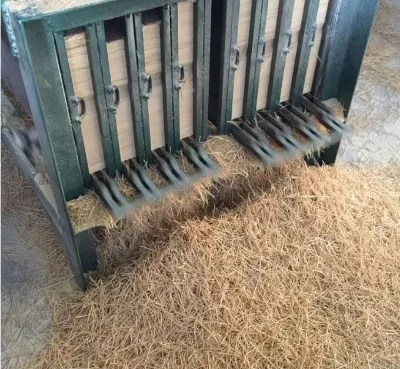


Good Feedback Wood Toothpick Machine Bamboo Toothpick Making Machine Price
$680.00 - $8000.00
MOQ: 1 Pieces
Comprehensive Sourcing Guide
Wooden Toothpick Making Machine Sourcing Guide
Selecting the right Wooden Toothpick Making Machine requires a clear understanding of the specific production capabilities and operational constraints inherent to modern manufacturing equipment. Buyers must distinguish between standalone units and complete production lines, as the latter often include multiple integrated machines designed to handle the entire process from raw material input to finished product output. The observed market data indicates a wide variance in product models, such as the WSDN, YQCX, and WS-791, each potentially offering different throughput rates and physical footprints. Understanding these distinctions is critical for aligning machinery selection with your facility’s spatial limitations and production volume targets.
Furthermore, the sourcing process involves evaluating the machine’s compatibility with your preferred raw materials, which typically include wood or bamboo, as indicated by various listings. The equipment’s core components, primarily motors and engines, dictate the reliability and maintenance requirements of the system. Buyers should prioritize machines that offer high efficiency and standardized quality outputs, ensuring that the final toothpick sticks meet industry expectations for consistency and durability. This guide provides a structured approach to evaluating these machines based on verified technical specifications, compliance documentation, and commercial terms.
Product Scope and Observed Listing Signals
The current market for wooden toothpick making machines presents a diverse range of options, with observed price points spanning from $0.01 to $42,000 USD. This broad range reflects significant differences in machine complexity, automation levels, and included features. Some listings describe a complete line that includes eight machines, suggesting a fully integrated production system, while others may refer to single-unit operations. The minimum order quantity (MOQ) varies widely, ranging from 1 to 10,000 units, which impacts initial capital expenditure and inventory management strategies. Buyers must carefully assess whether the listed price corresponds to a single machine or a comprehensive production line to avoid budgetary misalignment.
Listing signals also reveal important details about the machine’s condition and customization options. Most observed products are listed as new, with customization available to meet specific client requirements. The machines are typically packaged in wooden cases, which is essential for protecting the equipment during international shipping, especially given their origin in regions like Henan and Zhengzhou, China. The total cubic volume of the packaging is often cited around 6.14 cubic meters, a critical factor for calculating freight costs and warehouse storage requirements. These logistical details should be verified with the supplier to ensure accurate planning for transportation and installation.
Technical Specifications to Verify
When evaluating technical specifications, buyers must focus on the machine’s physical dimensions, weight, and power requirements to ensure compatibility with their facility. Observed dimensions vary, with some models measuring 11560110 cm and others at 10506801050 mm, highlighting the need to match machine size with available floor space. The weight of the equipment also differs, with some units weighing 320 kg and others 360 kg, which influences the structural requirements of the installation site and the equipment needed for handling. Verifying these physical attributes is the first step in ensuring that the machine can be safely installed and operated within your existing infrastructure.
Power and voltage specifications are equally critical for operational safety and efficiency. Most machines operate on a 380V voltage supply, which is standard for industrial equipment in many regions, but buyers must confirm this matches their local power grid. The power consumption, observed at 8.42 kW for some models, impacts ongoing operational costs and electrical infrastructure planning. Additionally, the machine’s capacity, which can range from 30 sets per month for certain configurations to 800,000 pieces per 8 hours for high-output models, must align with your production targets. Understanding these performance metrics allows for accurate forecasting of daily output and resource allocation.
Compliance and Safety Documentation
Compliance with international and regional safety standards is a non-negotiable aspect of sourcing industrial machinery. The observed listings frequently mention certifications such as CE, ISO, and CCC, which indicate adherence to specific safety and quality benchmarks. The CE mark, in particular, is essential for selling or operating machinery within the European Union, ensuring that the equipment meets strict health, safety, and environmental protection requirements. Buyers should request valid certification documents from the supplier to verify that the specific model they are purchasing has been tested and approved by recognized bodies.
Beyond certifications, documentation related to machinery test reports and core component warranties provides additional assurance of product reliability. Some suppliers provide machinery test reports, which offer independent verification of the machine’s performance and safety features. The warranty period also varies, with some machines offering a 1-year warranty and others providing 2 years of coverage. This warranty typically covers core components such as the motor and engine, which are critical to the machine’s operation. Buyers should clearly understand the scope of the warranty, including what parts are covered and the process for claiming repairs or replacements, to mitigate long-term maintenance risks.
Cost Drivers and Commercial Terms
The total cost of ownership for a Wooden Toothpick Making Machine extends beyond the initial purchase price to include installation, training, and ongoing maintenance. The observed price range of $0.01 to $42,000 USD suggests that cost is heavily influenced by the machine’s automation level and included features. A complete line with eight machines will naturally command a higher price than a single unit, but it may offer greater economies of scale in production. Buyers should request a detailed breakdown of costs, including shipping, insurance, and any additional fees for customization or expedited delivery, to avoid unexpected expenses.
Commercial terms such as payment methods, delivery schedules, and after-sales support also play a significant role in the procurement decision. The observed MOQ of 1 to 10,000 units allows for flexibility, but buyers must negotiate terms that align with their cash flow and inventory needs. It is advisable to clarify the lead time for production and delivery, as well as the supplier’s policy on spare parts availability. A reliable supplier should provide comprehensive training for operators, given that the machine is designed for operation by one person, ensuring that staff can utilize the equipment efficiently and safely from day one.
Supplier Qualification and Quality Control
Supplier qualification is a critical step in ensuring that the purchased machinery meets the expected quality standards. Buyers should verify the supplier’s business license, manufacturing capabilities, and history of exporting similar equipment. The observed origin of many machines in Henan and Zhengzhou, China, indicates a concentration of manufacturing expertise in these regions, but buyers must still conduct due diligence to confirm the supplier’s legitimacy and reliability. Requesting references from previous clients or visiting the factory, if possible, can provide valuable insights into the supplier’s production processes and quality control measures.
Quality control should be integrated into the procurement process through clear specifications and inspection protocols. Buyers should define the acceptable tolerances for the finished toothpick sticks, including dimensions, strength, and finish, and ensure that the machine is capable of meeting these standards. The observed feature of "High Efficiency" and "High Standard" quality should be validated through sample production runs before finalizing the purchase. Establishing a clear quality assurance agreement with the supplier, including penalties for non-conformance, helps protect the buyer’s interests and ensures consistent product quality.
Long-Term Procurement Checks
Long-term procurement success depends on establishing a sustainable relationship with the supplier and ensuring ongoing support for the machinery. Buyers should prioritize suppliers who offer comprehensive after-sales service, including technical support, maintenance guidance, and timely availability of spare parts. The core components, such as the motor and engine, are subject to wear and tear, and having access to genuine replacement parts is essential for minimizing downtime. A clear service level agreement (SLA) that outlines response times and support channels can provide peace of mind and operational continuity.
Regular performance monitoring and preventive maintenance are also key to extending the lifespan of the Wooden Toothpick Making Machine. Buyers should implement a maintenance schedule based on the manufacturer’s recommendations, including regular inspections of the motor, engine, and other critical components. Tracking the machine’s output and efficiency over time can help identify potential issues before they lead to costly breakdowns. By maintaining a proactive approach to equipment management, buyers can maximize the return on investment and ensure consistent production of high-quality wooden toothpicks.
FAQs
What certifications do wooden toothpick making machines have?
These machines typically carry CE, ISO, and CCC certifications. Some models also include FDA certification. Buyers should verify specific certification documents provided with each unit before purchase.
How much does a Wooden Toothpick Making Machine cost?
Prices range from 0.01 to 42000 USD depending on the model and configuration. The final cost varies based on customization options, capacity, and included components like motors or engines.
What is the minimum order quantity for these machines?
The minimum order quantity ranges from 1 to 10000 units. Specific MOQs depend on the supplier and whether the buyer requests a complete line or individual machines.
Can I customize the Wooden Toothpick Making Machine?
Yes, customization is available for these machines. Buyers can request specific modifications to meet their production needs while maintaining high efficiency and quality standards.
What is the warranty period for the machine?
Warranty periods are typically 1 year or 2 years depending on the specific model. Buyers should confirm the exact warranty terms with the supplier before finalizing the order.
Where are these machines manufactured?
These machines are manufactured in Henan and Zhengzhou, China. The origin location ensures access to established industrial supply chains and quality control measures.
What is the production capacity of the machine?
Production capacity varies by model, with some reaching 600,000 pieces or 800,000 pieces in 8 hours. Monthly output for complete lines can reach 30 sets.