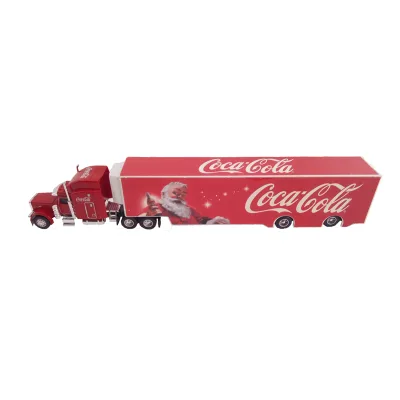
Source 60s Truck with Reindeer Antlers Polyresin Car Model for collectors, gifts, and displays
Compare 30 listings for the 60s Truck with Reindeer Antlers Polyresin Car Model from verified suppliers. Buyers can evaluate specifications like scale, material, and packaging options to find suitable items for collections, gifts, or exhibition displays.
Key considerations
Products List
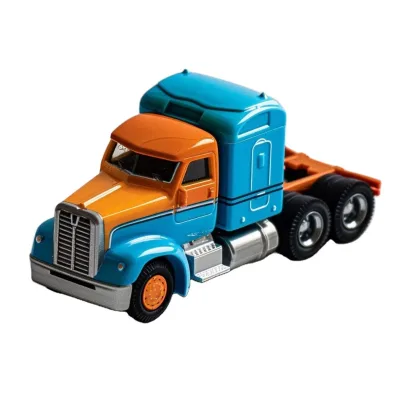
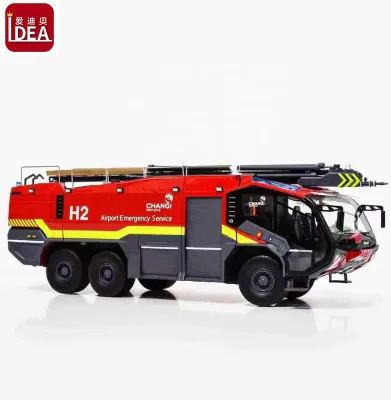
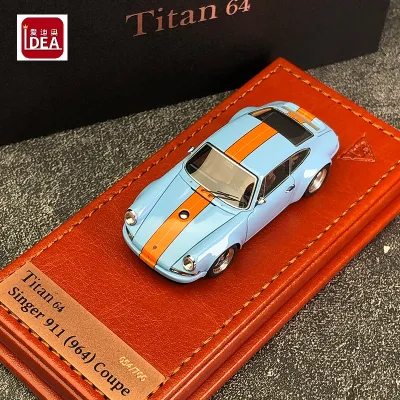
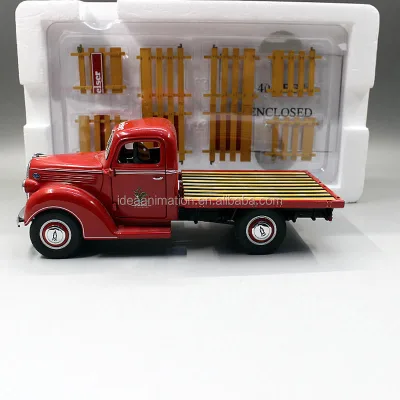
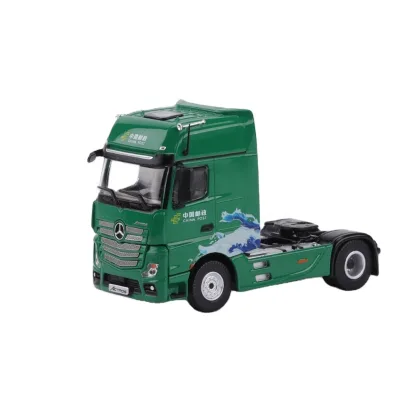
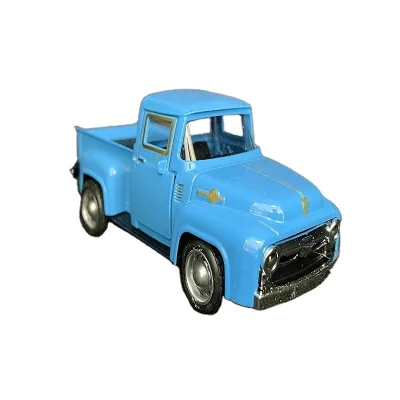


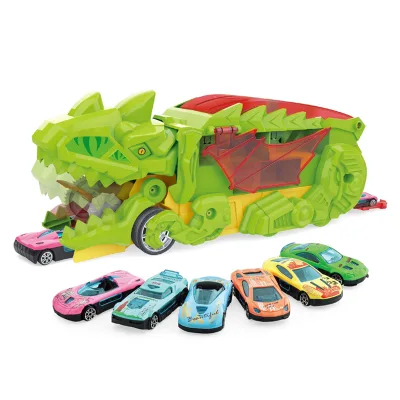
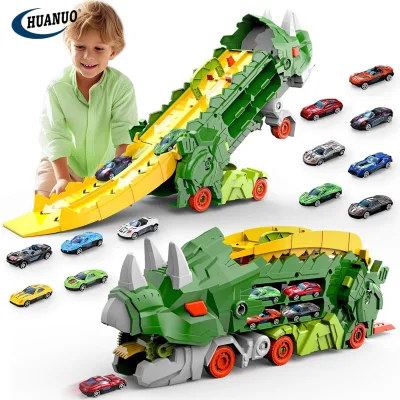
Deformed Die Cast Metal Ejection Car Dinosaur Trailer Truck Toy With Cars for Kids
$4.48 - $4.61
MOQ: 120 pieces


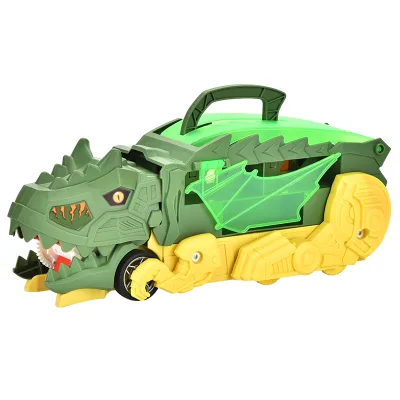




AiJH High-Speed Remote Control Car Model 2 4G Remote Control Car Racing RC Model Truck
$795.69 - $889.00
MOQ: 72 Pieces


Comprehensive Sourcing Guide
Strategic Sourcing Guide for 60s Truck with Reindeer Antlers Polyresin Car Models
The procurement of specialized collectible vehicles, specifically those featuring unique thematic elements like a 60s truck with reindeer antlers crafted from polyresin, requires a nuanced understanding of the B2B toy and model market. This guide synthesizes available product attributes and industry standards to assist buyers in navigating the sourcing landscape. The focus remains on evidence-based decision-making, ensuring that specifications, compliance requirements, and supplier capabilities are evaluated against verified data points rather than speculative claims.
Technical Specifications and Material Composition
When sourcing a polyresin car model, the primary technical differentiator lies in the material composition and the resulting physical properties. The provided data indicates that the core material for such items is often listed as "Resin," specifically polyresin, which is distinct from the "plastic" or "ABS" materials found in mass-market diecast toys. Polyresin offers a higher density and a smoother surface finish, making it ideal for detailed collectibles where texture and weight are critical. The observed product attributes confirm that materials can include "plastic, ABS, rubber," but for a specific "polyresin car model," the resin component is the defining characteristic.
The scale of these models is a critical specification for collectors. The data shows a range of scales including 1:24, 1:43, 1:64, 1:87, and 1:18. For a 60s truck model, the 1:64 scale is frequently observed in the provided dataset, offering a balance between detail and shelf presence. The physical dimensions are often customized, with specific single package sizes noted as 10x5x4 cm for similar items, though the target product may require a "customized size" to accommodate the unique reindeer antler design. The weight is another vital metric; while some plastic variants weigh 100g, the polyresin versions may vary, with single gross weights recorded as 0.200 kg or 0.0 kg depending on the specific listing configuration. Buyers must verify the actual weight of the finished product to ensure shipping cost accuracy and structural integrity.
| Attribute | Observed Data Point | Sourcing Implication |
|---|---|---|
| Material | Resin, Plastic, ABS, Rubber | Verify polyresin purity for collectible grade; check for ABS reinforcement if durability is needed. |
| Scale | 1:64, 1:43, 1:24, 1:18 | Confirm 1:64 is the target scale; 1:24 offers larger detail but requires more shelf space. |
| Function | Wheels Movable, Collection | Ensure wheels are functional if marketed as interactive; otherwise, static display is standard. |
| Packaging | Color Box, Window Box, Polyfoam | Custom packaging is required for the "reindeer" theme to protect fragile antlers. |
| Origin | Guangdong, China | Standard manufacturing hub; verify factory location for logistics planning. |
Compliance and Certification Verification
Safety and regulatory compliance are non-negotiable when importing toy models, even those intended for older demographics or collectors. The provided data explicitly mentions the "EN 71" certification. This is a critical European standard for toy safety, covering mechanical and physical properties, flammability, and chemical migration. For a product featuring small parts or specific paint finishes, compliance with EN 71 is a strong indicator of quality control. However, buyers must not assume that every listed product automatically satisfies this standard. The certification status must be verified against the specific batch of the "60s truck with reindeer antlers" being ordered.
Beyond EN 71, the "Age Range" data suggests a broad demographic, from "2 to 4 Years" up to "14 Years & up." This discrepancy is significant. If the product is marketed to children under 8, it must pass rigorous choking hazard tests and heavy metal limits. If it is a "Collectibles" item for "Car Model Fans" aged 14 and up, the regulatory burden may shift, but safety standards regarding lead and phthalates in paint remain relevant. The "Logo" and "Color" attributes indicate customization options, which introduces a risk of non-compliant inks or pigments. Buyers should request specific test reports for the customized color and logo application to ensure they meet the destination market's chemical safety regulations, such as CPSIA in the United States or REACH in the European Union.
Cost Drivers and Pricing Dynamics
The pricing structure for polyresin collectibles is influenced by several variables, including material costs, mold complexity, and customization levels. The observed price range in the market spans from $0.49 to $889 USD. This vast disparity reflects the difference between simple plastic toys and high-end, hand-painted resin models. A "60s truck with reindeer antlers" is likely positioned in the mid-to-high range due to the intricate molding required for the antlers and the specific 60s aesthetic.
The Minimum Order Quantity (MOQ) is a primary cost driver. The data shows an MOQ range of 5 to 2000 units, with specific listings citing 500 pcs or 1000 pcs. For a custom-designed item like a reindeer-antlered truck, the MOQ will likely be higher, potentially aligning with the 1000 pcs threshold observed for plastic truck toys. Customization of the "Brand Name" (e.g., "IDEAANIMATION" or "Idea Animation") and "Logo" adds to the cost. The "Supply Ability" of 2500 pints per month suggests that while the factory has capacity, the lead time for a new mold or a complex custom design may extend beyond standard production cycles. Buyers should anticipate that lower unit prices are only achievable at higher volumes, and the "Single package size" of 10x5x4 cm will impact shipping costs significantly if the order volume is large.
Typical Applications and Market Positioning
The application of this product is dual-faceted, serving both the "Collectibles" market and the "Gift" market. The data lists functions such as "collection, gift, display, exhibition," indicating versatility. The "Consumer" profile is identified as "Car Model Fans," suggesting a niche audience that values historical accuracy and unique design elements. The "60s" theme appeals to nostalgia, while the "reindeer antlers" add a whimsical, seasonal, or fantasy element, making it suitable for holiday promotions or themed events.
The "Style" is described as "Diecast Toy" in some contexts, but for resin models, it is often "Collection." This distinction is vital for marketing. A diecast toy implies durability and playability, whereas a resin model implies fragility and display value. The "Packing" details, such as "display cover box" or "window box," support the display function. The "Single gross weight" of 0.200 kg suggests a substantial feel, which enhances the perceived value for collectors. Applications extend to retail gift shops, hobby stores, and corporate promotional events where a unique, high-quality item is required. The "Use" as "Collectibles" reinforces that the product is not intended for rough play, which must be communicated to the end-user to manage expectations.
Supplier Evaluation and Capability Assessment
Evaluating a supplier for this specific product requires a deep dive into their manufacturing capabilities and past performance. The "Place of Origin" is consistently "Guangdong, China," a region known for a dense concentration of toy manufacturers. However, the presence of a location does not guarantee capability in polyresin casting. Buyers must verify if the supplier has dedicated resin molding facilities or if they outsource this process. The "OEM" and "Customized OEM" attributes confirm that the supplier accepts custom orders, but the "Service" level must be assessed.
Key evaluation criteria include the "Supply Ability" of 2500 pints per month. Buyers should calculate if this capacity can meet their projected demand without compromising quality. The "Port of dispatch" is listed as "Shenzhen," which is a major logistics hub, facilitating export. However, the "Lead time" is not explicitly provided in the data, so buyers must request this information directly. The "Model Number" variations, such as "plastic truck toys" or "lDEA-130," suggest a catalog of existing products. For a custom "60s truck with reindeer antlers," the supplier must demonstrate experience with custom molds. The "Brand Name" consistency, appearing as "IDEAANIMATION" or "Idea Animation," indicates a specific manufacturer identity, but buyers should not rely on brand recognition alone without verifying the factory's specific quality control processes.
Quality Control and Long-Term Procurement Considerations
Quality control for polyresin models focuses on surface finish, structural integrity, and paint adhesion. The "Function" of "Wheels Movable" requires that the axles are securely fitted and do not wobble, which can be a point of failure in resin casting. The "Color" is often "Customized" or "picture shows," meaning the final product must match the approved sample exactly. Buyers should implement a strict sampling protocol before mass production. The "Packing" details, including "Polyfoam" and "window box," are essential for protecting the fragile antlers during transit. Any damage to the antlers would render the product unsellable.
Long-term procurement considerations involve the stability of the supply chain and the ability to maintain consistency. The "MOQ" of 500 or 1000 pcs suggests that the supplier is geared towards medium-to-large orders. For repeat business, buyers should negotiate terms that allow for smaller replenishment orders if the market demand fluctuates. The "Certificate" status, specifically EN 71, should be reviewed annually to ensure continued compliance. Additionally, the "Logo" customization capability allows for brand alignment, but the supplier must ensure that the printing process does not degrade the resin surface over time. Buyers should also consider the "Single volume" and "Single gross weight" for logistics optimization, as these factors directly impact the cost per unit in the long run.
In conclusion, sourcing a 60s Truck with Reindeer Antlers Polyresin Car Model requires a meticulous approach to verifying material specifications, ensuring regulatory compliance, and evaluating supplier capabilities. The data provides a solid foundation for understanding the product's attributes, but the buyer must actively validate these details against their specific requirements. By focusing on the technical nuances of polyresin, the strictness of certification checks, and the strategic evaluation of suppliers, buyers can secure a high-quality product that meets the demands of the collectible market.
FAQs
What materials are used for the 60s Truck with Reindeer Antlers Polyresin Car Model?
The model is crafted from resin, specifically polyresin, which distinguishes it from standard plastic or ABS variants. This material offers a higher density and smoother finish ideal for detailed collectibles, though some listings also mention plastic, ABS, and rubber components for structural reinforcement.
Which scale options are available for the 60s Truck with Reindeer Antlers Polyresin Car Model?
Available scales include 1:64, 1:43, 1:24, 1:18, and 1:87, with 1:64 being a frequently observed option for this type of model. Buyers should verify the specific scale required for their collection, as dimensions and shelf presence vary significantly across these ratios.
Can the 60s Truck with Reindeer Antlers Polyresin Car Model be customized with a logo?
Yes, the product supports customized logos and colors to meet specific branding or thematic requirements. Customization is accepted as an OEM service, allowing buyers to align the model with their brand identity, though specific test reports for inks and pigments may be required for compliance.
What is the minimum order quantity for the 60s Truck with Reindeer Antlers Polyresin Car Model?
The minimum order quantity typically ranges from 500 to 1000 pieces depending on the specific listing and customization level. Some standard plastic variants may have lower MOQs, but custom resin models often align with the higher thresholds to cover mold and production setup costs.
How is the 60s Truck with Reindeer Antlers Polyresin Car Model packaged for shipping?
Packaging options include color boxes, window boxes, and display cover boxes, often with polyfoam for protection. The standard single package size is approximately 10x5x4 cm, and shipping cartons may contain 16 pieces to ensure the fragile antlers and resin body remain undamaged during transit.
Does the 60s Truck with Reindeer Antlers Polyresin Car Model meet safety certifications?
Some listings indicate compliance with the EN 71 safety standard, which covers mechanical and chemical properties for toys. Buyers must verify this certification for the specific batch, especially if the product is marketed to children, as customization of colors and logos requires strict adherence to chemical safety regulations.
Where is the 60s Truck with Reindeer Antlers Polyresin Car Model manufactured?
The products originate from Guangdong, China, a major manufacturing hub for toy and model vehicles. The port of dispatch is typically Shenzhen, facilitating export logistics, but buyers should confirm the specific factory location to ensure quality control and accurate lead time estimation.