Find 60t Diesel Wrecker Truck for heavy recovery, roadside rescue, and fleet maintenance
Explore 30 listings for the 60t Diesel Wrecker Truck, comparing lifting capacities, towing tonnages, and chassis brands like SINOTRUK and HOWO. Buyers can evaluate winch quantities, boom configurations, and emission standards to select the right heavy-duty recovery vehicle.
Key considerations
Products List


Rescue Wrecker Truck Heavy Duty Wrecker Equipment Towing Truck Prices
$19000.00 - $22000.00
MOQ: 1 Pieces

High Quality 4*2 Heavy Duty Wheel Lift Tow Truck Wrecker Towing Truck
$15000.00 - $18000.00
MOQ: 1 Pieces


Shacman 4X2 Wrecker Truck 6wheelers Tow Wrecker Truck 6t-8t Tow Wrecker Truck
$35000.00 - $42000.00
MOQ: 1 Pieces

10X4 50ton Heavy Wrecker 80ton Towing Wrecker Truck Recovery Truck
$9900.00 - $120000.00
MOQ: 1 Pieces
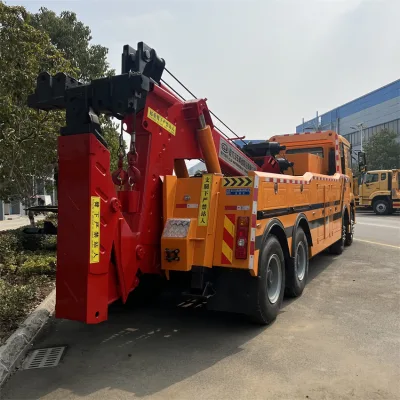
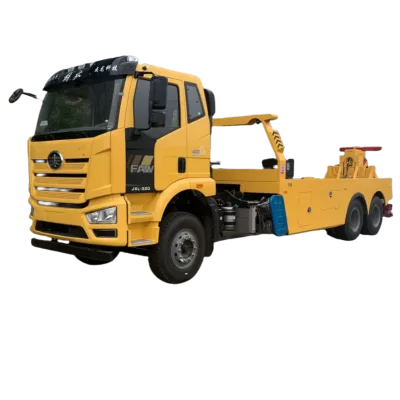
30 Tons 35 Tons 40 Tons Integrated century Heavy Duty Tow Truck Heavy Duty Wrecker Body
$5339.00 - $6580.00
MOQ: 1 units
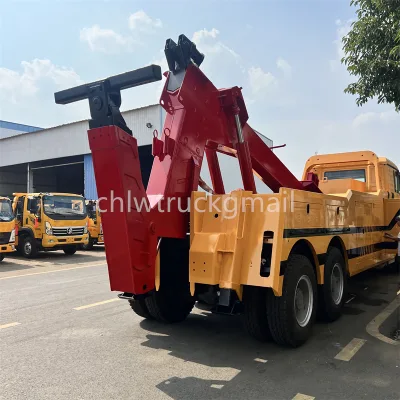
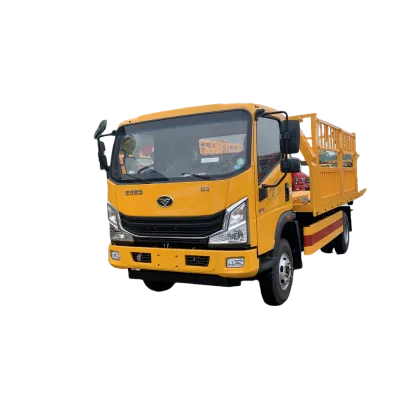
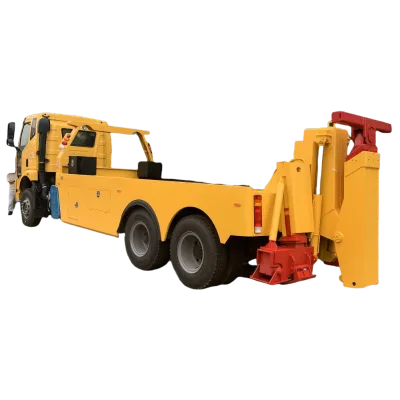
30 Tons Fifth Wheel Wrecker With 50 Tons Tow Rate Fifth Wheel Towing Wrecker Dtu Heavy Duty
$5434.07 - $6697.16
MOQ: 1 units
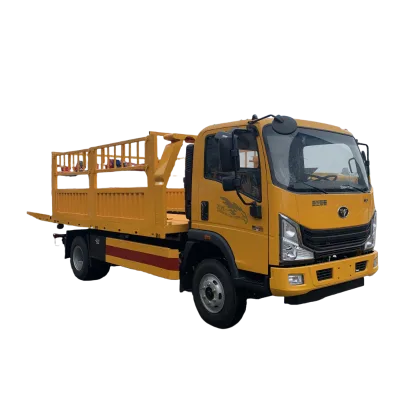
6T Tilt-Tray Wrecker with 180° Platform Rotation - Quarry Machinery Transport Special
$5339.00 - $6580.00
MOQ: 1 units


Wrecker Truck Tilt Tray Middle Duty 4ton-60ton Flatbed Tow Wrecker Truck
$8000.00 - $8500.00
MOQ: 5 Pieces


Comprehensive Sourcing Guide
Strategic Sourcing Guide for 60t Diesel Wrecker Trucks
Procuring a heavy-duty recovery vehicle with a 60-ton lifting capacity requires a rigorous approach that balances technical specifications with supply chain reliability. The market for diesel wrecker trucks, particularly those designated for heavy recovery operations, is characterized by a wide variance in chassis configurations, hydraulic systems, and compliance standards. Buyers must navigate a landscape where product attributes are often presented as observations rather than universal guarantees. This guide outlines the critical factors for sourcing a 60t Diesel Wrecker Truck, focusing on the specific data points available in current listings while adhering to strict verification protocols.
Technical Architecture and Performance Specifications
The core of any heavy wrecker procurement lies in the mechanical architecture. Listings for 60-ton class vehicles often reference specific model identifiers such as CLW5043TQZCDP or CLW5310TQZZ3, though these codes may represent different chassis configurations or regional variants. A primary observation in the current market is the existence of a 60-ton lifting capacity, which distinguishes these units from standard 25-ton or 30-ton tow trucks. However, buyers must verify that the "60t" designation refers to the maximum lifting capacity of the under-lift or the main boom, as some listings distinguish between "Max Lifting Capacity of Under Lift" (e.g., 25,000 kg) and overall system capacity.
The propulsion system for these heavy units is consistently diesel-powered, aligning with the global demand for high-torque engines in recovery applications. Horsepower ratings in the observed data range from 371 HP for specific heavy-duty models to 150-250 HP for lighter configurations, indicating that the "60t" capability is not uniform across all diesel wrecker listings. Transmission types are predominantly manual, a traditional choice for heavy recovery vehicles where gear control is critical during winching operations. The drive configuration varies, with options for both Left-Hand Drive (LHD) and Right-Hand Drive (RHD) to accommodate international regulatory requirements.
Dimensions are a critical constraint for logistics and operational deployment. Observed standard dimensions for these heavy units include a length of 11,465 mm, a width of 2,500 mm, and a height of 3,300 mm. Other listings reference a standard of 6,5002,1502,450 mm or 50T tow truck configurations with dimensions like 11,1202,5003,695 mm. These variations suggest that the physical footprint of a 60t wrecker depends heavily on the specific chassis and boom assembly selected. The wheelbase is equally significant, with observed configurations such as 1800+4600+1350 mm, which directly impacts stability during high-load recovery. Tire specifications are typically radial, with a common size of 12.00r20, designed to handle the immense stress of heavy towing.
Compliance, Certification, and Emission Standards
Navigating the regulatory landscape is as important as the mechanical specs. The supply chain for heavy wrecker trucks is heavily influenced by international certification requirements. Observed listings frequently cite ISOCCC as a baseline certification. However, more comprehensive compliance packages often include TSEPA, EEC, RoHS, and CE certifications. Buyers must verify that the specific unit they are purchasing holds the necessary certifications for their target market, as a vehicle certified for the Chinese domestic market may not meet European or North American emission and safety standards.
Emission standards are a primary differentiator in the modern market. The observed data explicitly mentions "Euro Fuel:Diesel," suggesting adherence to Euro emission standards, though the specific Euro level (e.g., Euro 5 or Euro 6) is not universally stated in the provided facts. Buyers must request explicit documentation regarding the engine's emission compliance to ensure the vehicle can be registered and operated legally in their jurisdiction. Additionally, tire certifications are noted as ISO-compliant in some listings, but this should be treated as a verification point rather than a guaranteed attribute for every unit.
The origin of the vehicle is a critical factor in compliance. The majority of these heavy-duty wrecker trucks originate from Hubei Province, China, with specific mentions of Suizhou as a manufacturing hub. This geographic concentration implies a specific supply chain ecosystem. Buyers should be aware that while the origin is consistent, the specific factory and its quality control processes may vary. The "Naked," "Waxed," "RO-RO," or "Bulk Ship" packing methods observed in the data are logistical details that do not affect compliance but are essential for shipping cost calculations.
Cost Drivers and Pricing Dynamics
The pricing structure for 60t diesel wrecker trucks is complex and influenced by multiple variables. The observed price range in the market spans from $5,339 to $120,000 USD. This wide disparity is not indicative of a single product line but rather reflects the vast differences in chassis brand, engine power, hydraulic system complexity, and customization levels. A unit priced at the lower end of this spectrum may be a basic chassis with minimal recovery equipment, while the higher end likely represents a fully integrated system with a 371 HP engine, advanced winch systems, and full compliance documentation.
Key cost drivers include the chassis brand, with options ranging from SINOTRUK (HOWO) to Foton, DFAC, JAC, and Jmc. The choice of chassis significantly impacts the base price and the long-term maintenance costs. The inclusion of a winch is a mandatory feature for heavy recovery, with some listings specifying a "Required" winch quantity and a maximum pulling force of 25,000 kg. The number of booms, observed as "3" in some configurations, and the rotating angle of 360 degrees continuous also contribute to the complexity and cost of the hydraulic system.
Minimum Order Quantity (MOQ) is another factor to consider. The observed MOQ range is 1 to 5 units, offering flexibility for buyers who need a single unit for immediate deployment or a small fleet. However, buyers should be cautious of suppliers who offer extremely low prices without clear justification, as this may indicate a lack of necessary certifications or the use of substandard components. The "New" condition of the vehicles is a standard expectation, but buyers must verify the production date and warranty terms to ensure the unit is not a refurbished or reconditioned vehicle mislabeled as new.
Operational Applications and Configuration Variants
The 60t Diesel Wrecker Truck is designed for specialized heavy recovery operations. The primary application involves the recovery of heavy-duty trucks, buses, and construction machinery that exceed the capacity of standard tow trucks. The "Rotator Tow Truck" and "Wrecker Rotator" configurations observed in the data suggest a high degree of versatility, allowing the vehicle to rotate 360 degrees continuously. This feature is essential for recovering vehicles in tight spaces or on uneven terrain where a straight pull is not possible.
The lifting capacity of 60 tons allows for the recovery of the heaviest commercial vehicles, while the towing capacity of 25 tons (as observed in specific listings) or 30 tons (in others) defines the maximum weight that can be towed behind the unit. It is crucial for buyers to distinguish between the lifting capacity of the under-lift and the overall towing capacity, as these figures can vary significantly between models. The "Housepower" of 371 HP indicates a robust engine capable of handling the high loads required for heavy recovery, while the "150-250hp" range suggests that lighter configurations exist for different operational needs.
The color of the vehicle is typically customizable according to customer requirements, allowing fleet operators to maintain brand consistency. The seat configuration is noted as "≤Tire Certification:ISO," which implies a focus on driver comfort and safety, though the exact number of seats should be verified. The "Rotator" type of truck is particularly suited for accident recovery and heavy transport support, where the ability to lift and rotate a disabled vehicle is critical.
Supplier Evaluation and Quality Assurance
Evaluating suppliers for heavy-duty wrecker trucks requires a focus on transparency and verification. The observed data lists several chassis brands, including SINOTRUK, HOWO, Foton, DFAC, JAC, and Jmc. Buyers should not assume that all listed suppliers offer the same quality of chassis or hydraulic integration. The "Customization" attribute is available, which is a positive sign for buyers with specific operational requirements, but it also introduces the risk of quality inconsistency if the customization is not managed correctly.
Quality control should be a central part of the procurement process. Buyers must verify the "Condition" of the vehicle, ensuring it is genuinely new and not a reconditioned unit. The "prod_packing" methods, such as "Naked," "Waxed," or "Bulk with Wax Covered," should be inspected to ensure the vehicle is protected during transit. The "Standard" of 650021502450 or 50T tow truck should be cross-referenced with the actual physical dimensions of the unit to avoid discrepancies.
Buyers should also verify the "Key Words" associated with the product, such as "Wrecker Tow Truck" and "Tow Truck," to ensure the listing accurately describes the vehicle. The "Load Capacity" of 1-10t mentioned in some listings may refer to auxiliary equipment or a different class of vehicle, and buyers must ensure the 60t capacity is clearly defined for the main recovery system. The "Max Pulling Force of Winch" of 25,000 kg is a critical specification that must be tested and verified before purchase.
Long-Term Procurement and Maintenance Considerations
Long-term ownership of a 60t Diesel Wrecker Truck involves significant considerations regarding maintenance, parts availability, and operational efficiency. The "Drive Type" of LHD or RHD must be selected based on the local traffic regulations, and the "Transmission Type" of manual should be evaluated for ease of maintenance and driver availability. The "Tire" specification of 12.00r20 is a standard size, but buyers should verify the availability of replacement tires in their region.
The "Emission Standard" of Euro Fuel:Diesel will impact the vehicle's operational lifespan and compliance with future environmental regulations. Buyers should consider the potential for stricter emission standards in their target market and ensure the vehicle meets current and future requirements. The "Certification" of ISOCCC, TSEPA, EEC, RoHS, and CE is essential for long-term operation, as non-compliant vehicles may face legal restrictions or higher insurance costs.
The "Origin" of Hubei, China, is a known manufacturing hub, but buyers should establish a direct relationship with the supplier to ensure consistent quality and support. The "Lead Time" and "MOQ" should be factored into the procurement timeline, with the observed range of 1-5 units allowing for flexible ordering. The "Customization" options should be clearly defined in the contract to avoid disputes over the final product specifications.
Comparative Analysis of Key Specifications
To assist in the decision-making process, the following table summarizes the key technical and compliance attributes observed in the market for 60t diesel wrecker trucks. This comparison highlights the variance in specifications and the need for careful verification.
| Attribute | Observation A | Observation B | Observation C | Verification Requirement |
|---|---|---|---|---|
| Lifting Capacity | 60t | 25t (Under Lift) | 30t | Confirm if 60t is total or under-lift only |
| Engine Power | 371 HP | 150-250 HP | 370 HP | Verify engine model and torque output |
| Chassis Brand | HOWO, Foton, DFAC | SINOTRUK | JAC, Jmc | Confirm chassis origin and warranty |
| Dimensions | 1146525003300mm | 650021502450mm | 1112025003695mm | Measure actual unit upon delivery |
| Winch Force | 25000kgs | Required | 25000kgs | Test winch capacity under load |
| Certifications | ISOCCC | ISOCCC, TSEPA, EEC | ISO | Request valid certificates for target market |
| Emission Standard | Euro Fuel:Diesel | Euro Fuel:Diesel | Euro Fuel:Diesel | Verify specific Euro level (4, 5, 6) |
| Drive Type | LHD Rhd | LHD Rhd | LHD Rhd | Confirm configuration for local laws |
| Wheelbase | 1800+4600+1350mm | 6x6 | 1800+4600+1350mm | Verify stability for heavy loads |
| Packing | Naked, Waxed, RO-RO | Bulk with Wax | Nude with Wax | Inspect packing for transit damage |
This table illustrates the complexity of the market and the necessity for buyers to conduct thorough due diligence. The variance in specifications, particularly in lifting capacity and engine power, underscores the importance of verifying the exact model and configuration before finalizing a purchase. By focusing on these critical attributes and maintaining a disciplined approach to supplier evaluation, buyers can successfully source a 60t Diesel Wrecker Truck that meets their operational needs and regulatory requirements.
FAQs
What is the lifting capacity of a 60t Diesel Wrecker Truck?
The maximum lifting capacity is 60 tons, though some models specify 25 tons for the under-lift. Buyers must verify if the 60-ton rating applies to the main boom or the under-lift system before purchase.
Which certifications are required for a 60t Diesel Wrecker Truck?
Common certifications include ISOCCC, TSEPA, EEC, RoHS, and CE. Buyers should confirm that the specific unit holds the necessary certifications for their target market to ensure legal operation.
Can the 60t Diesel Wrecker Truck be customized?
Yes, customization is available for these heavy-duty vehicles. Buyers can request specific chassis brands like SINOTRUK or HOWO, along with custom colors and hydraulic configurations to meet operational needs.
How is the 60t Diesel Wrecker Truck packed for shipping?
Packaging options include naked, waxed, RO-RO, and bulk ship methods. The specific packing type depends on the supplier and the chosen shipping route, affecting logistics costs and protection levels.
What is the minimum order quantity for a 60t Diesel Wrecker Truck?
The minimum order quantity ranges from 1 to 5 units. This flexibility allows buyers to purchase a single unit for immediate deployment or a small fleet for expanded operations.
Which drive types are available for a 60t Diesel Wrecker Truck?
Both Left-Hand Drive and Right-Hand Drive configurations are available. Buyers must select the drive type that complies with the traffic regulations of their intended country of operation.
What is the typical horsepower for a 60t Diesel Wrecker Truck?
Horsepower ratings vary from 150 to 371 HP depending on the model. Higher horsepower units are typically required for the heaviest recovery operations to ensure sufficient torque and power.