Source 60W RGBW Moving Head Light for Stage Events Weddings
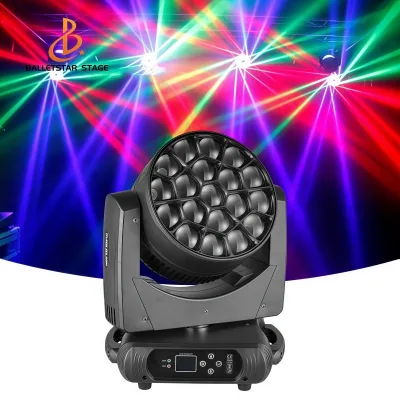
Compare 30 listings of the 60W RGBW Moving Head Light featuring DMX512 control, adjustable zoom angles, and various power consumptions. Buyers can evaluate specifications like color temperature, IP ratings, and lamp power to find suitable options for stage events, outdoor use, and advertising applications.
Key considerations
Products List


Comprehensive Sourcing Guide
Strategic Sourcing Guide for 60W RGBW Moving Head Lights
Procuring specialized lighting equipment for professional venues requires a disciplined approach that balances technical performance with supply chain reliability. The 60W RGBW Moving Head Light represents a specific category of stage lighting designed to deliver vibrant color mixing and dynamic beam control. While the market offers numerous variations, buyers must rely on verified product attributes rather than marketing generalizations. This guide outlines the critical factors for sourcing these units, drawing from observed industry data to ensure informed decision-making.
Technical Specifications and Performance Parameters
When evaluating a 60W RGBW Moving Head Light, the primary focus must be on the optical and electrical specifications that define its operational capabilities. The core functionality relies on the integration of Red, Green, Blue, and White (RGBW) LEDs or lamps to produce a wide spectrum of colors. In the observed product data, specific models demonstrate varying power consumptions, with some units rated at 600W or 800W, while others operate at 650W. Buyers must verify that the specific unit selected matches the intended power requirements of their venue's electrical infrastructure.
The color temperature is a critical metric for achieving the desired ambiance. Observed data indicates units operating at color temperatures of 7500K and 7800K, which suggests a preference for cooler, daylight-balanced white light. This is essential for applications requiring high visibility and crisp color rendering. Furthermore, the beam angle is a defining characteristic of the light's reach and intensity. Specific models in the market feature a zoom angle ranging from 2° to 45°, allowing for significant flexibility in beam width. This adjustability enables the fixture to function as both a narrow spot for highlighting specific performers and a wide wash for illuminating large stage areas.
Control channels are another vital technical specification. The number of channels determines the granularity of control over the fixture's functions, such as pan, tilt, color mixing, and strobe effects. Data points show configurations with 18, 24, and 32 control channels. A higher channel count generally offers more precise control but requires a more complex DMX setup. The control modes observed include DMX512, Master/Slave, Auto Work, Sound Activated, and RDM (Remote Device Management). The inclusion of RDM is particularly valuable for large-scale installations, as it allows for remote addressing and status monitoring without physical access to the unit.
Compliance, Certification, and Safety Standards
Ensuring that lighting equipment meets international safety and environmental standards is a non-negotiable aspect of B2B procurement. The supply chain for professional stage lighting is heavily regulated to prevent electrical hazards and ensure environmental compliance. Buyers should verify that the product carries recognized certifications such as CE and RoHS. These certifications indicate that the product adheres to European safety standards and restricts the use of hazardous materials, respectively.
Material composition is also a key indicator of compliance and durability. The housing of these moving heads is frequently constructed from aluminum alloy or aluminum, providing a balance of lightweight portability and structural rigidity. This material choice is essential for fixtures that must be suspended from trusses or moved frequently. Additionally, the IP (Ingress Protection) rating is a critical safety metric. While specific IP ratings vary by model, the presence of an IP rating confirms the fixture's resistance to dust and water, which is vital for outdoor applications or venues with high humidity.
The operating environment specifications further define the safety limits of the equipment. Units are typically rated for operation within a temperature range of -20°C to 45°C. Exceeding these limits can lead to premature failure of the electronic components or the light source. Buyers must ensure that the venue's environmental conditions fall within these parameters. Furthermore, the lamp power and voltage requirements must be strictly adhered to. Operating voltage ranges of 110-240V are common, offering flexibility for international deployment, but the power consumption must be calculated accurately to avoid overloading circuits.
Cost Drivers and Pricing Structures
Understanding the cost structure of 60W RGBW moving head lights is essential for budgeting and negotiation. The observed price range for these units spans from $177 to $2,498 USD. This significant variance is driven by several factors, including the quality of the optical components, the complexity of the control system, and the durability of the housing. Lower-priced units may offer basic functionality with fewer control channels and standard build quality, while higher-priced models often include advanced features like RDM, higher lumen output, and superior cooling systems.
Minimum Order Quantity (MOQ) is another critical cost driver. The observed MOQ range is between 1 and 10 units. This flexibility allows buyers to test the market with small orders before committing to larger volumes. However, buyers should be aware that unit prices often decrease as order volume increases. Packaging also influences the final cost. Units are typically shipped in cartons or flight cases, with the latter providing enhanced protection for transport. The weight of the units, ranging from 31kg to 34kg net weight, impacts shipping costs significantly. Buyers must factor in freight charges based on the total weight and dimensions of the shipment, which can vary from 40x30x68cm to 60x55x70cm depending on the model.
Typical Applications and Usage Scenarios
The versatility of 60W RGBW moving head lights makes them suitable for a wide array of applications. The primary usage scenarios include stage performances, advertising events, and outdoor installations. The ability to produce special effects, such as adjustable speed strobes and color changes, makes these fixtures ideal for concerts, theater productions, and nightclubs. The "Changeable" emitting color capability allows for dynamic lighting designs that can adapt to the mood of the event in real-time.
Outdoor applications are particularly demanding, requiring fixtures with robust construction and weather resistance. The observed data indicates that some units are specifically designed for outdoor use, featuring IP ratings and operating temperature ranges that accommodate harsh conditions. In advertising and promotional events, the high-intensity beam and color mixing capabilities are used to attract attention and create visual impact. The "Single-head" laser module configuration mentioned in some contexts suggests that these lights can also be integrated into laser projection systems for enhanced visual effects.
The "Work Auto" and "Sound Activated" modes are particularly useful for events where a dedicated lighting operator is not present. These modes allow the fixture to respond to audio inputs or run pre-programmed sequences, reducing the need for manual intervention. This feature is highly valued in smaller venues or temporary installations where simplicity and reliability are paramount.
Supplier Evaluation and Quality Control
Selecting a reliable supplier is as important as selecting the right product. Buyers should prioritize suppliers who provide transparent documentation regarding product specifications, certifications, and manufacturing origins. The observed data indicates that many products originate from Guangdong, China, a major hub for lighting manufacturing. While this region offers a wide selection of products, buyers must conduct due diligence to ensure the supplier maintains consistent quality standards.
Quality control should be a central part of the procurement process. Buyers should request test results or performance data for the specific models they are considering. Key metrics to verify include the lifespan of the light source, which is observed to range from 1,500 to 2,000 hours. This lifespan directly impacts the total cost of ownership, as frequent replacements can be costly and disruptive. Additionally, the packing standards, such as the use of flight cases, should be verified to ensure the products arrive in perfect condition.
Suppliers should also be evaluated on their ability to provide customization options. The observed data confirms that customization is available for many products. This could include branding, specific color temperatures, or custom control channel configurations. A supplier's willingness to accommodate these requests often indicates a higher level of service and flexibility.
Long-Term Procurement Considerations
Sourcing 60W RGBW moving head lights is not just a one-time transaction but a long-term investment. Buyers should consider the availability of spare parts and the ease of maintenance. The control modes and protocols used, such as DMX512 and RDM, should be compatible with existing lighting control systems to ensure seamless integration. Compatibility issues can lead to costly upgrades or replacements.
The lead time for production and delivery is another critical factor. While specific lead times are not provided in the observed data, buyers should establish clear expectations with the supplier regarding production schedules and shipping timelines. Delays in delivery can disrupt event schedules and lead to financial losses. Therefore, maintaining open communication with the supplier and having a contingency plan is essential.
Finally, buyers should consider the scalability of their lighting inventory. As venues grow or events become more complex, the need for additional fixtures or more advanced models may arise. Establishing a relationship with a supplier who can support future growth and provide consistent product quality is crucial for long-term success. By focusing on these strategic considerations, buyers can ensure a reliable and cost-effective lighting solution for their specific needs.
Comparison of Key Product Attributes
To facilitate a clearer understanding of the variations available in the market, the following table summarizes the key attributes observed across different models. This comparison highlights the diversity in specifications that buyers must navigate.
| Attribute | Model FG420 | Model FG550 | Model FG380 | Model FJ260C | Model FB420 |
|---|---|---|---|---|---|
| Power Consumption | 800W | 600W | N/A | 650W | N/A |
| Control Channels | 24CH | N/A | N/A | N/A | 32CH |
| Color Temperature | 7800K | 7500K | N/A | N/A | N/A |
| Lamp Power | N/A | N/A | N/A | N/A | N/A |
| Life Span | 1500h | N/A | N/A | 2000h | N/A |
| Zoom Angle | 2~45° | N/A | N/A | N/A | N/A |
| Material | Aluminum Alloy | N/A | N/A | N/A | Aluminum Alloy |
| IP Rating | IP | N/A | N/A | N/A | IP |
| Packing | Carton & Flight Case | Carton/Case | N/A | N/A | Case |
| Origin | Guangdong | Guangdong, China | N/A | N/A | N/A |
| Weight (Net) | 34kgs | N/A | 31kgs | N/A | 33kgs |
| Dimensions | N/A | 51x42x82cm | N/A | 60x55x70cm | 40x30x68cm |
This table illustrates that while core functionalities like color mixing and beam control are consistent, the specific implementation varies significantly. Buyers must carefully match these attributes to their operational requirements to ensure optimal performance. By adhering to the guidelines outlined in this sourcing guide, procurement professionals can make informed decisions that balance technical performance, cost efficiency, and long-term reliability.
FAQs
What control modes are available for these moving head lights?
These fixtures support DMX512, Master/Slave, Auto Work, Sound Activated, and RDM control modes. The system offers 18 to 32 control channels depending on the specific model, allowing for precise customization of stage effects and remote device management capabilities.
How much power do these 60W RGBW moving head lights consume?
Power consumption varies by model, with observed ratings of 600W, 650W, and 800W. Buyers must verify the specific unit's wattage against their venue's electrical infrastructure to ensure safe operation and prevent circuit overloads during events.
Which certifications do these lighting fixtures typically hold?
Certified units carry CE and RoHS approvals to ensure safety and environmental compliance. These standards confirm the product adheres to European regulations and restricts hazardous materials, making them suitable for professional international deployment and stage applications.
Can these lights operate in outdoor environments?
Yes, specific models are designed for outdoor use with robust construction and IP ratings. They operate safely within a temperature range of -20 to 45 degrees Celsius, ensuring durability against dust, water, and varying weather conditions during events.
What is the typical lifespan of the lamp in these units?
The lamp lifespan ranges from 1500 to 2000 hours depending on the specific model selected. This duration impacts the total cost of ownership, so buyers should factor in replacement schedules when planning long-term event lighting strategies and maintenance budgets.
How does the zoom angle affect the beam control?
The zoom angle is adjustable from 2 to 45 degrees, providing significant flexibility in beam width. This feature allows the fixture to function as a narrow spot for highlighting performers or a wide wash for illuminating large stage areas effectively.