Source RGBW Kinetic LED Ring Light for Stage, Dance, Film
Source the RGBW Kinetic LED Ring Light for stage performances, dance effect lighting, and film production. Compare 29 available models featuring DMX control, IP52-IP56 ratings, and customizable lifting heights to find the right supplier for your event needs; compare the available evidence and request quotations based on your requirements.
Key considerations
Products List


LED RGBW String Bulbs Party String Lighting Festival Wedding String Light
$18.42 - $20.11
MOQ: 1000 Pieces

LED RGBW String Bulbs String Party Lighting for Festival Wedding String Light
$18.42 - $20.11
MOQ: 1000 Pieces

LED RGBW String Bulbs Party String Lighting for Festival Wedding String Light
$18.42 - $20.11
MOQ: 1000 Pieces


LED Bulbs RGBW String Party String Lighting for Festival Wedding String Light
$18.42 - $20.11
MOQ: 1000 Pieces

LED RGBW String Bulbs Lighting Party String for Festival Wedding String Light
$18.42 - $20.11
MOQ: 1000 Pieces


15 Color Acrylic Finger Light Concert Light Luminous Ring Light Colorful LED
$1.58 - $1.78
MOQ: 1000 Pieces

Comprehensive Sourcing Guide
RGBW Kinetic LED Ring Light Sourcing Guide
Procuring RGBW kinetic lighting requires a nuanced understanding of both the mechanical lifting systems and the advanced color mixing capabilities inherent in modern stage effects. Unlike static fixtures, these dynamic units combine precise motorized movement with high-density LED arrays to create immersive visual experiences. Buyers must prioritize suppliers who demonstrate engineering stability in both the hoisting mechanisms and the electronic control systems, as failure in either domain can compromise safety and show quality. The integration of RGBW technology allows for deeper blacks and more accurate color rendering compared to traditional RGB-only units, making them ideal for high-end productions where color fidelity is paramount.
The market for these specialized lights is dominated by manufacturers in specific industrial hubs, with Guangzhou, China, emerging as a primary center for production. Sourcing from this region often provides access to a mature supply chain for both the mechanical components and the LED chips, though buyers must rigorously verify the origin and quality of these sub-components. Understanding the local manufacturing ecosystem helps in assessing lead times and communication efficiency. Furthermore, recognizing that many listings are customized rather than off-the-shelf products allows buyers to negotiate better terms for specific project requirements, ensuring that the final delivered units align perfectly with the technical demands of the venue or event.
Product Scope and Observed Listing Signals
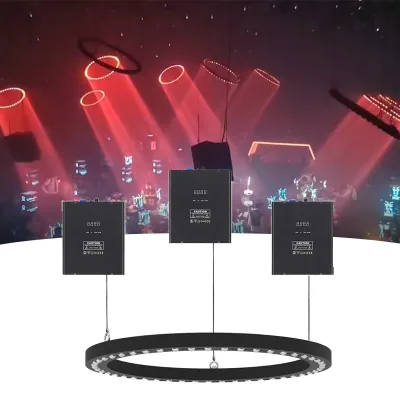
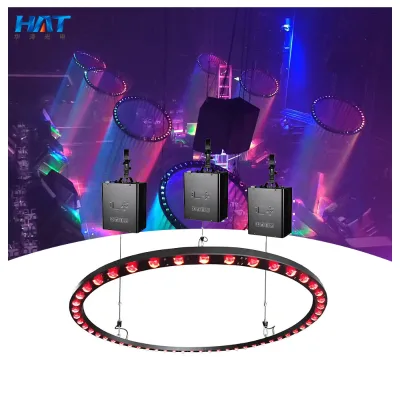
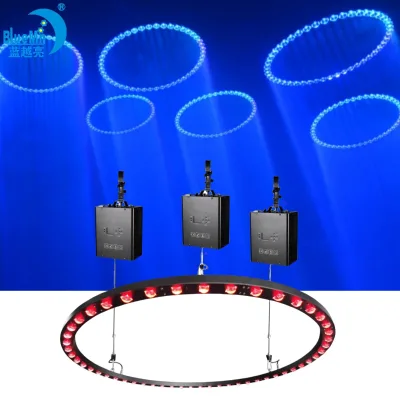
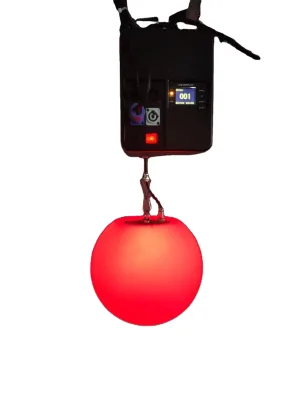
Current market listings reveal a diverse range of kinetic lighting products, including lifting balls, rings, and other geometric forms, often categorized under stage, dance, and film applications. Observed specifications indicate a wide variety of ball sizes, ranging from 12cm to 35cm, with customization options available for both dimensions and lifting heights up to 12 meters. The presence of IP ratings such as IP52, IP56, and IP44 suggests that while many units are designed for indoor use, some offer enhanced protection against dust and water ingress, which is critical for outdoor events or venues with high humidity. Buyers should carefully match these ingress protection levels to their specific environmental conditions to avoid premature failure.
Control systems vary significantly across listings, with DMX512, software control, and master-slave modes being common features. Some advanced units offer up to 10 control channels, allowing for intricate programming of both movement and color changes. The inclusion of features like linear dimming and specific connector types, such as 3-pin or 5-pin XLR, indicates a focus on professional integration into existing stage networks. However, the diversity of models, identified by codes like EP-LFBA0B1-DhWf and RG-LR120, means that buyers cannot assume uniformity across all suppliers. It is essential to request detailed datasheets for each specific model to confirm compatibility with your existing control infrastructure and to ensure that the claimed control channels match the actual hardware capabilities.
Technical Specifications to Verify
When evaluating technical specifications, the light source and chip quality are paramount for achieving the desired visual output. Many listings specify SMD 5050 LEDs, which are standard for high-brightness applications, but the origin of the chips, such as those sourced from Europe, can significantly impact longevity and color consistency. Buyers should verify the brand and grade of the LED chips to ensure they meet the brightness and thermal management requirements of long-duration shows. Additionally, the motor type, often described as silent, is crucial for environments where noise pollution must be minimized, such as in film and television productions or upscale nightclubs. Confirming the motor’s noise level and torque specifications ensures that the kinetic movement is smooth and quiet.
Safety features are equally critical, with listings highlighting physical braking and electronic protection mechanisms to prevent accidents during operation. The lifting height, which can be customized from 0 to 7 meters or more, must be matched with appropriate fall protection systems. Buyers should inquire about the maximum lifting weight, which some units support up to 2kg, to ensure the fixture can handle the weight of the light source and any additional accessories. Furthermore, the installation method, typically vertical hoisting, requires robust mounting points and secure rigging hardware. Verifying the structural integrity of the housing and the reliability of the control model, whether DMX or software-based, is essential to prevent synchronization issues during complex choreographed sequences.
Compliance and Safety Documentation
Compliance with international standards is non-negotiable for professional stage lighting equipment. Listings frequently mention certifications such as CE, RoHS, GS, and CCC, which indicate adherence to European safety, environmental, and Chinese quality standards. Buyers must request valid certification documents for each unit or batch, as these are often subject to renewal and specific model variations. The presence of RoHS certification ensures that the product is free from hazardous substances, which is increasingly important for environmentally conscious procurement policies. Similarly, CE marking confirms that the product meets EU health, safety, and environmental protection requirements, facilitating smoother customs clearance and legal operation in European markets.
Safety documentation should also include detailed user manuals and maintenance guidelines that outline proper installation, operation, and troubleshooting procedures. Buyers should verify that the supplier provides clear instructions on electrical connections, including the use of appropriate XLR connectors, and warnings regarding maximum load capacities and lifting heights. Additionally, inquire about the warranty terms, which are often listed as one year, to understand the scope of coverage for manufacturing defects and motor failures. A comprehensive warranty policy reflects the manufacturer’s confidence in their product’s durability and provides a safety net for unexpected issues. Ensuring that all safety-related documentation is available in English and includes diagrams can significantly reduce the risk of improper installation and subsequent accidents.
Cost Drivers and Commercial Terms
The cost of RGBW kinetic lights is influenced by several factors, including the complexity of the mechanical design, the quality of the LED components, and the level of customization required. Units with higher lifting heights, larger diameters, or advanced control channels typically command higher prices due to the increased engineering and material costs involved. Buyers should expect a wide price range, reflecting the diversity of specifications and quality levels in the market. It is important to request detailed quotations that break down the costs of the fixture, packaging, and any additional accessories, such as flycases or specialized mounting hardware, to avoid hidden fees.
Commercial terms, including minimum order quantities (MOQ) and lead times, vary significantly among suppliers. While some manufacturers may offer low MOQs for trial orders, larger projects may benefit from bulk pricing and streamlined production schedules. Buyers should negotiate clear terms regarding payment methods, shipping responsibilities, and after-sales support. Additionally, consider the cost of customization, as many suppliers offer tailored solutions for specific project needs, which may incur additional fees. Understanding these cost drivers allows buyers to budget accurately and make informed decisions about which features are essential versus optional, ensuring that the final procurement aligns with both technical requirements and financial constraints.
Supplier Qualification and Quality Control
Selecting a reliable supplier involves verifying their manufacturing capabilities and quality control processes. Buyers should prioritize suppliers with established production facilities in recognized industrial hubs, such as Guangzhou, China, where the supply chain for stage lighting is mature. Requesting factory audits or virtual tours can provide insight into the production environment, including assembly lines, testing procedures, and quality assurance protocols. Suppliers who invest in rigorous testing, such as burn-in tests for LEDs and stress tests for motors, are more likely to deliver products with consistent performance and longevity.
Quality control should also extend to packaging and shipping, as kinetic lights are delicate and require protection during transit. Listings often mention packaging options like carton cases or flycases, which offer varying levels of protection. Buyers should ensure that the packaging is robust enough to prevent damage during handling and transportation. Additionally, inquire about the supplier’s track record for on-time delivery and their ability to handle custom orders efficiently. A supplier with a strong reputation for quality and reliability will minimize the risk of delays and defects, ensuring that the project proceeds smoothly and meets the desired timeline.
Long-Term Procurement Checks
Long-term success in sourcing kinetic lighting depends on establishing a strong relationship with suppliers who can provide ongoing support and updates. Buyers should verify the availability of spare parts, such as replacement LEDs, motors, and control boards, to ensure that repairs can be made quickly in the event of failure. Suppliers who offer comprehensive technical support and training can help operators maximize the potential of the equipment, reducing the risk of misuse and extending the lifespan of the fixtures. Regular communication with the supplier can also provide insights into new technologies and product improvements, allowing buyers to stay ahead of industry trends.
Furthermore, buyers should monitor the performance of the equipment over time, keeping detailed records of any issues or maintenance required. This data can be used to evaluate the supplier’s responsiveness and the overall quality of the products. Establishing a feedback loop with the supplier can lead to continuous improvement and better alignment with the buyer’s needs. Additionally, consider the environmental impact of the products, ensuring that they are disposed of or recycled in accordance with local regulations. By focusing on long-term partnerships and continuous improvement, buyers can ensure that their investment in RGBW kinetic lighting delivers sustained value and performance.
FAQs
What certifications are available for these kinetic lights?
Available certifications include CE, RoHS, GS, and CCC. These ensure compliance with international safety and environmental standards. Buyers can verify specific documentation for their target markets. The products are manufactured in China with strict quality controls. This guarantees reliable performance for stage and club applications.
Can the lifting height be customized for specific venues?
Yes, the lifting height can be customized to meet specific venue requirements. Standard ranges extend up to 7 meters or 12 meters depending on the model. Customization is available to accommodate unique stage designs. This flexibility ensures safe and precise installation for various event scales.
What is the IP rating for outdoor or wet environments?
IP ratings vary by model, including IP44, IP52, and IP56. Higher ratings like IP56 offer better protection against dust and water jets. Buyers should select the appropriate rating based on installation conditions. This ensures durability and safety in both indoor and outdoor stage settings.
How many control channels does the DMX system use?
The control system typically uses 9 or 10 DMX channels. This allows for precise control over lifting, color, and effects. The system supports DMX512, Master-Slave, and software control modes. This ensures seamless integration with existing stage lighting consoles and automation systems.
What is the minimum order quantity for bulk purchases?
The minimum order quantity ranges from 1 to 1000 units. This flexibility supports both small trial orders and large-scale productions. Buyers can negotiate terms based on their specific volume requirements. The supplier accommodates various procurement needs for events and permanent installations.
What safety features protect the kinetic ball during operation?
Safety features include physical braking and electronic protection systems. These mechanisms prevent uncontrolled descent and ensure stable operation. The motor is designed for silence and reliability. This comprehensive safety approach protects both equipment and personnel during dynamic stage performances.