Source Rechargeable Waterproof LED Work Light for Mining, Marine, and Construction
Explore 30 options for a Rechargeable Waterproof LED Work Light suitable for diverse industrial environments. Compare specifications such as IP67 ratings, voltage ranges, and LED types to find the right fit for your operational needs; compare the available evidence and request quotations based on your requirements.
Key considerations
Products List


IP65 Waterproof 30W USB Rechargeable Battery LED Work Light for Outdoor
$9.27 - $11.13
MOQ: 1000 Pieces

3000 Lumens Rechargeable 50W Waterproof Portable LED Work Light with Stand
$21.54 - $25.46
MOQ: 500 Pieces

Long Working Time Portable USB Charging Work Lamp 100W 12V Rechargeable LED Work Light
$17.11 - $20.22
MOQ: 1000 Pieces


30W 12V High Quality Waterproof Portable Hiking LED Work Light with Stand
$9.27 - $11.13
MOQ: 1000 Pieces


Compact 70W Rechargeable Work Light with Adjustable Brightness Settings
$26.30 - $26.80
MOQ: 5000 Pieces


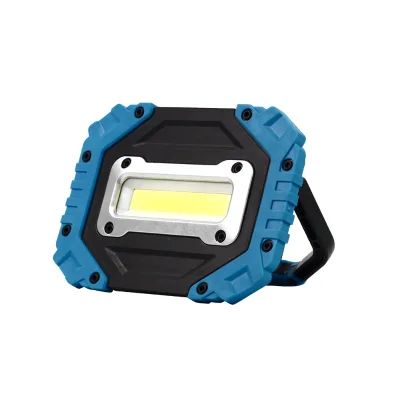
Work Light Portable LED Work Light, COB Flood Lights, Job Site Lighting
$2.40 - $2.75
MOQ: 1000 pieces


Comprehensive Sourcing Guide
Rechargeable Waterproof LED Work Light Sourcing Guide
Procurement of rechargeable waterproof LED work lights requires distinguishing between grid-dependent units and self-contained solar or battery-powered systems. The observed market data indicates a diverse range of voltage requirements, from 3-6V portable units to 12-80V industrial fixtures, necessitating precise matching with vehicle or site power systems. Buyers must verify whether the product relies on an internal Ni-Cd battery or an external solar charging mechanism to ensure operational continuity in remote locations.
Selection criteria should prioritize the specific waterproof rating and light source configuration against the intended environment. While some listings specify IP67 ratings for submersion, others offer IP66 protection suitable for heavy rain and dust. Understanding the distinction between these ratings is critical for preventing premature failure, as the application environment dictates the necessary ingress protection level and the robustness of the lamp body material, such as plastic or aluminum.
Product Scope and Observed Listing Signals
The current market inventory reveals a wide spectrum of product types, including magnetic base flexible LEDs, solar flood lights, and universal motorcycle lights. Listings show varying power consumptions ranging from 12W to 100W, with specific models designed for street and garden usage or heavy-duty work applications. This diversity suggests that buyers must carefully filter results based on the specific form factor, such as lens shade forms or compact dimensions, to match the physical constraints of their mounting surfaces.
Customization availability is a significant signal in the current supply landscape, with many suppliers offering custom logos and adjustable switch modes. However, the observed data also highlights inconsistencies in product standards, where some entries list color temperatures while others define physical dimensions as the standard. Procurement teams should treat these attributes as variable observations rather than universal guarantees, verifying that the specific unit ordered matches the required emitting color, such as RGB or cool white, for the intended task.
Technical Specifications to Verify
Voltage compatibility is the primary technical hurdle, as the supply chain lists units operating on 9-36V, 12V, and 12-80V systems simultaneously. A mismatch in voltage can lead to immediate component failure or inefficient operation, making it essential to confirm the electrical input requirements against the vehicle or generator specifications before finalizing an order. Buyers should also scrutinize the current ratings, which vary from 20W to 40W, to ensure the power supply can sustain the load without overheating or voltage drops.
Illumination performance and duration are equally critical, with observed data citing illumination times of 12 hours for battery units and 5-6 hours for solar variants. The charging time and battery cell type, specifically Ni-Cd, must be validated to ensure the light remains operational during extended shifts. Additionally, the LED chip brand, such as Bridgelux, and the emitting color temperature of 6000K should be confirmed to guarantee the brightness and color fidelity required for safety-critical tasks in low-light conditions.
Compliance and Safety Documentation
Safety certifications are non-negotiable for industrial procurement, and the available data confirms the presence of RoHS and CE marks on several product models. These certifications indicate compliance with environmental restrictions on hazardous substances and essential safety standards for electrical equipment within the European market. Buyers must request valid test reports to verify that the specific batch of lights meets these standards, as the presence of a certification label does not automatically guarantee that every unit in a mixed inventory is compliant.
Electromagnetic compatibility (EMC) is another vital documentation requirement, particularly for lights used near sensitive electronic equipment or in vehicles with complex wiring. The observed listings mention EMC certification alongside CE and RoHS, suggesting a higher tier of quality control for industrial-grade units. Procurement teams should ensure that the supplier provides a certificate of conformity that explicitly covers the EMC standards, as this protects against interference issues that could disrupt other onboard systems or communication devices.
Cost Drivers and Commercial Terms
Pricing in this category is highly volatile, with observed ranges spanning from $0.60 to $642 per unit, driven by differences in power output, material quality, and battery capacity. The cost is significantly influenced by the inclusion of advanced features like dimming functions, solar charging capabilities, or specialized waterproofing ratings. Buyers should analyze the total cost of ownership rather than just the unit price, considering that higher initial costs for aluminum bodies or premium LED chips often result in longer service life and reduced replacement frequency.
Minimum Order Quantities (MOQ) vary drastically from 1 unit to 5000 units, reflecting the flexibility of the supply chain for both small-scale pilots and large-scale deployments. High MOQs often correlate with lower per-unit costs but require significant capital commitment and storage capacity. Procurement strategies should balance the need for customization, such as custom logos, against the financial risk of holding inventory, ensuring that the order volume aligns with the projected usage rate and budget constraints.
Supplier Qualification and Quality Control
Supplier reliability is paramount when sourcing rechargeable lights, as the market contains a mix of generic manufacturers and specialized producers. Verification of the supplier's origin, confirmed as China in the observed data, should be accompanied by an audit of their production capabilities and quality assurance processes. Buyers must ensure that the supplier can consistently deliver products with the specified waterproof ratings and voltage tolerances, as inconsistencies in manufacturing can lead to widespread field failures.
Quality control protocols should include pre-shipment inspections that verify critical attributes like the lamp body material, LED type, and IP rating. Since the data shows variations in product models and standards, a robust inspection plan must confirm that the delivered goods match the agreed specifications exactly. This includes checking the packaging, which is typically carton-based, to ensure it provides adequate protection during transit and that the included documentation, such as user manuals and warranty cards, is complete and accurate.
Long-Term Procurement Checks
Sustainability and maintenance are key considerations for long-term procurement, particularly regarding the battery technology and replacement part availability. The use of Ni-Cd batteries suggests a need for periodic replacement or recycling programs, as these cells have a finite lifespan and specific disposal requirements. Buyers should establish a maintenance schedule that accounts for battery degradation and ensure the supplier can provide compatible replacement cells or batteries to extend the operational life of the lighting units.
Performance tracking over time is essential to validate the initial claims regarding illumination time and waterproof integrity. Regular field testing should be conducted to monitor the actual charging time and lighting duration under real-world conditions, comparing them against the observed 12-hour or 5-6-hour benchmarks. This data-driven approach allows procurement teams to identify early signs of quality drift and make informed decisions about supplier relationships or product replacements before critical failures occur.
FAQs
What voltage ranges do these rechargeable waterproof led work lights support?
These lights support versatile voltage inputs including 9-36V, 12V, and 12-80V options. Some solar variants operate on 3-6V systems. This wide range ensures compatibility with various vehicle electrical systems and battery setups, allowing flexible installation across different motorcycle and industrial applications without requiring additional converters.
Can these lights be customized with a specific logo or design?
Yes, customization is available for these rechargeable waterproof led work lights. Buyers can request custom logos and specific design modifications to meet branding requirements. This service allows businesses to tailor the product appearance, ensuring the final output aligns with their corporate identity or specific project aesthetic needs.
What certifications are required for these led work lights?
These lights typically hold RoHS and CE certifications, ensuring compliance with international safety and environmental standards. Some models also include EMC certification. These credentials verify that the products meet rigorous regulatory requirements for electrical safety and electromagnetic compatibility, facilitating smoother import processes and market entry in regulated regions.
How long does the battery last on solar rechargeable models?
Solar rechargeable models with Ni-Cd batteries offer approximately 12 hours of illumination time. Charging time varies based on light color temperature settings. This duration provides sufficient operational hours for street or garden usage, making them reliable for extended outdoor activities where consistent lighting is required without frequent recharging.
What is the waterproof rating for these led work lights?
These lights feature IP67 and IP66 waterproof ratings, ensuring protection against dust and water immersion. This high-level protection makes them suitable for harsh outdoor environments, including motorcycle use and industrial settings. The robust sealing prevents water ingress, maintaining performance and longevity even when exposed to heavy rain or splashing.
Which materials are used for the lamp body and shade?
Lamp bodies are commonly made from plastic or aluminum, depending on the model. The lamp shade form is typically a lens design. Aluminum variants offer better heat dissipation for high-power units, while plastic options provide lightweight durability. These material choices balance cost, weight, and thermal management for optimal LED performance.