Source 8-piece acne needle and tweezers set for Extraction, Grooming, and Care
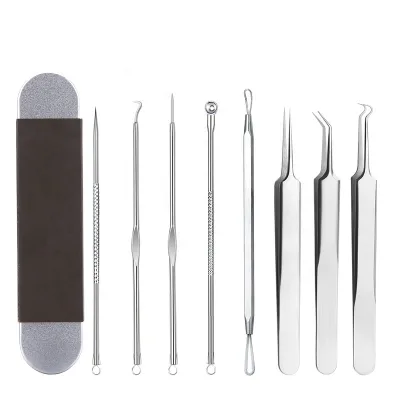
Compare 27 listings for the 8-piece acne needle and tweezers set, featuring stainless steel and carbon steel options with slanted or flat tips. These tools support OEM customization and are sourced from Guangdong and Henan, China, with MOQs starting at 3 pieces.
Updated
Key considerations
Products List
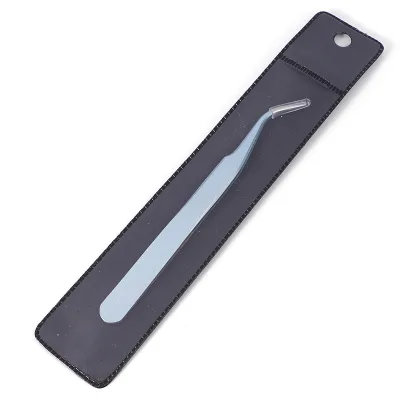
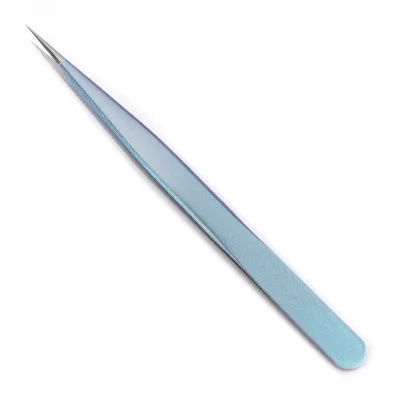
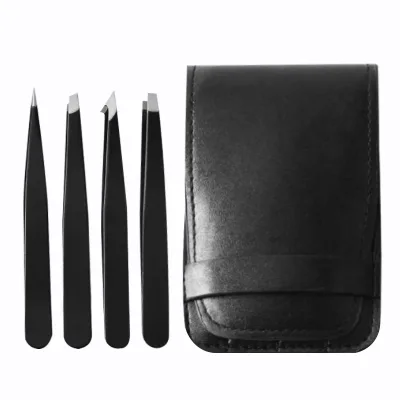
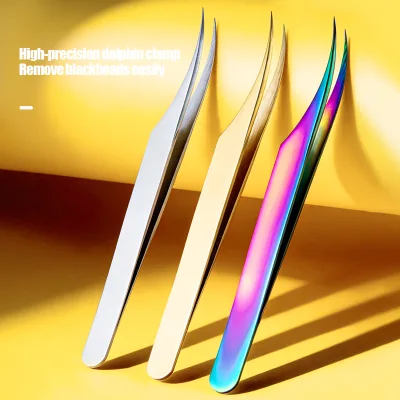
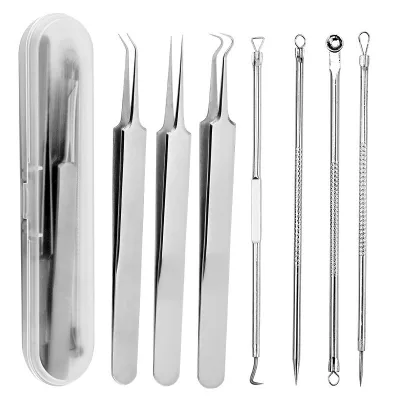
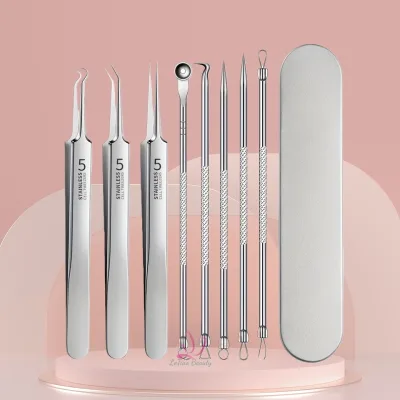
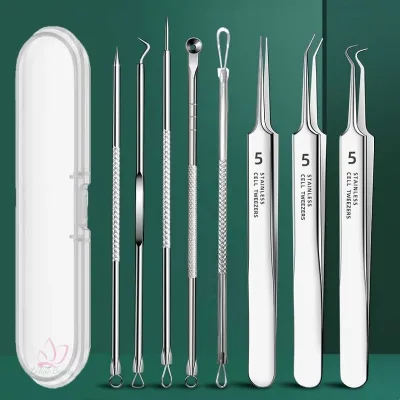
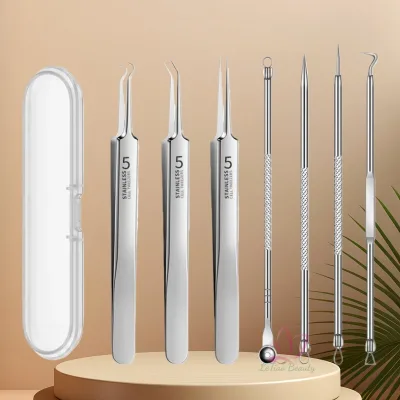


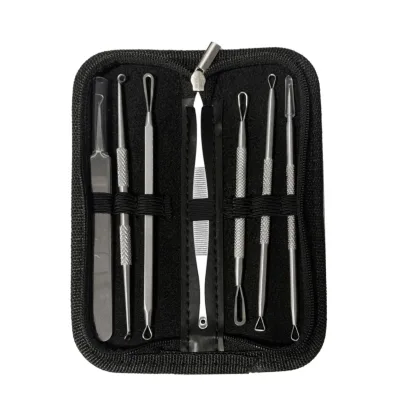
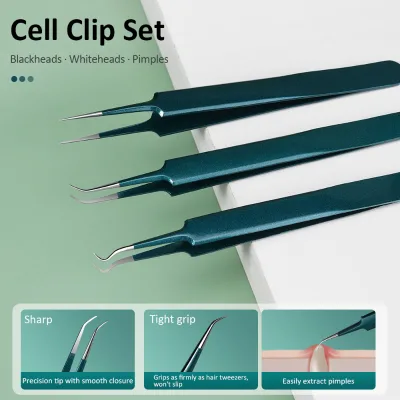
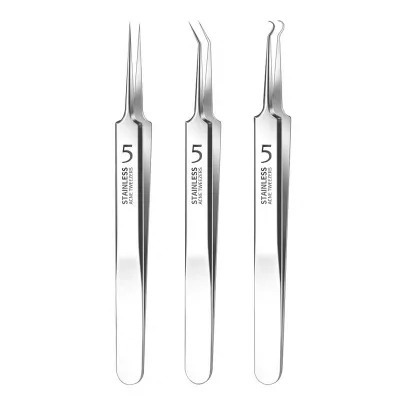
Cross-Border Spot Acne Blackhead Removal Cell Tweezers Beauty Tools Acne Clips Set
$1.12 - $1.22
MOQ: 1000 Pieces

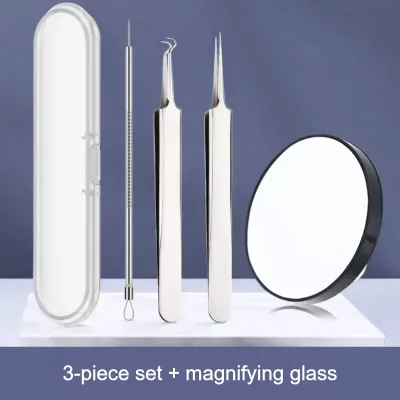
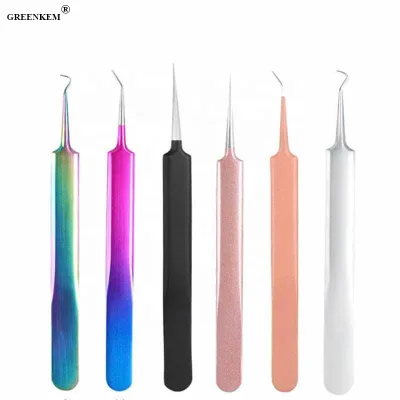
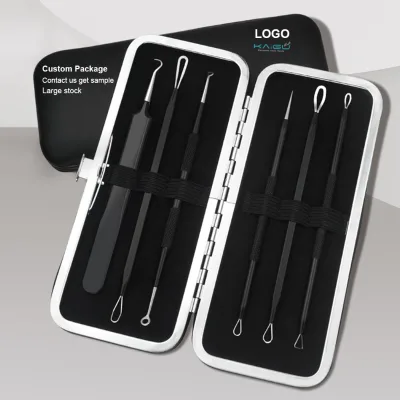
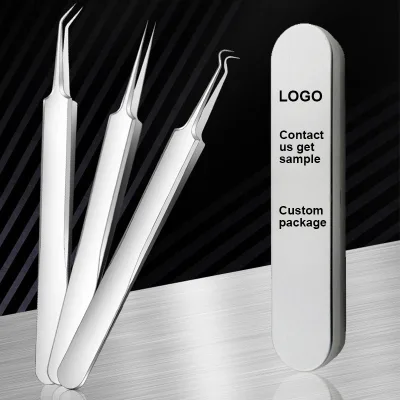
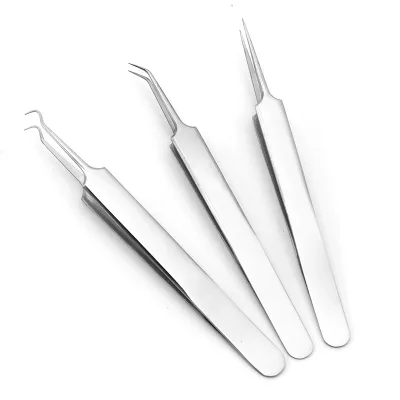
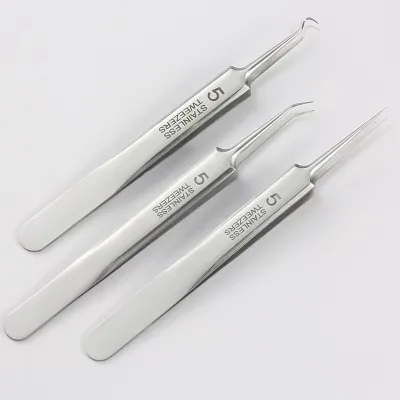
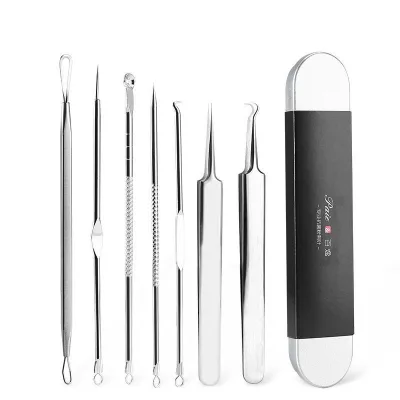
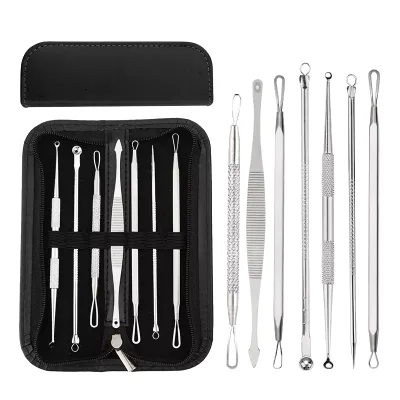
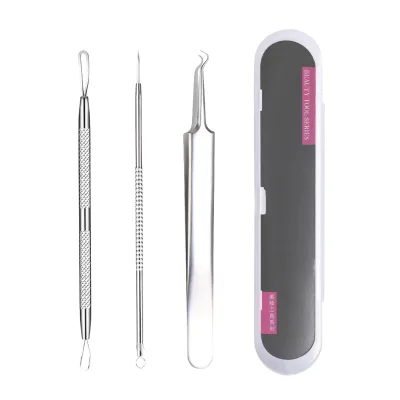
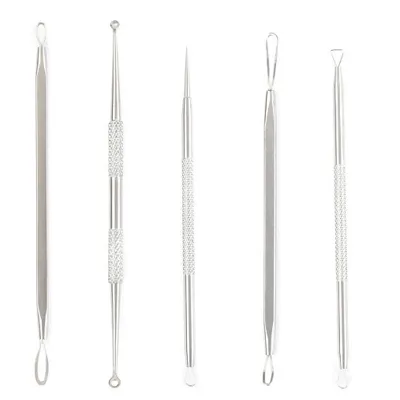
High Quality Stainless Steel Acne Needle Set for Face Acne Removal 7-Piece Tool Kit
$1.0883 - $1.5898
MOQ: 10 pieces
Comprehensive Sourcing Guide
8-Piece Acne Needle and Tweezers Set Sourcing Guide
Sourcing an 8-piece acne needle and tweezers set requires careful evaluation of material integrity and functional design, as these tools are critical for professional skincare and personal grooming routines. The market offers various configurations, ranging from basic stainless steel kits to more specialized carbon steel options, each presenting distinct advantages in durability and precision. Buyers must prioritize sets that include both fine-tipped needles for extraction and precision tweezers for hair removal, ensuring a comprehensive solution for diverse cosmetic needs.
The observed product landscape indicates a strong presence of manufacturers in Guangdong and Henan, China, who supply these kits with customizable branding and packaging options. Key attributes such as tip type—whether slanted, flat, or ultra-fine—directly impact the efficacy of the tools for specific tasks like upper and lower eyelash shaping or facial acne treatment. Understanding these variations is essential for selecting a kit that aligns with the intended application, whether for clinical use in dermatology clinics or for retail distribution to end consumers seeking high-quality home care tools.
Product Scope and Observed Listing Signals
The current market signals reveal a diverse range of product attributes, with materials primarily consisting of stainless steel and carbon steel, which are selected for their corrosion resistance and sharpness retention. Listings frequently highlight features such as portability, multi-functionality, and high-quality construction, often packaged in PP boxes or iron boxes to enhance perceived value. The observed price range of $0.39 to $3 USD suggests a highly competitive market where cost-efficiency is a major driver, allowing buyers to source bulk quantities while maintaining healthy margins for resale.
Minimum Order Quantities (MOQ) vary significantly, with some suppliers accepting orders as low as 3 pieces or 30 sets, while others require higher volumes for customized logos. This flexibility supports both small-scale retailers and large distributors, though buyers should note that customization often incurs additional costs or higher MOQ thresholds. The presence of OEM/ODM supply types indicates that manufacturers are equipped to handle private labeling, which is crucial for brands looking to establish a unique identity in the crowded cosmetic tools sector.
Technical Specifications to Verify
When evaluating technical specifications, buyers must verify the exact dimensions and weight of the single package to ensure compatibility with shipping logistics and retail display requirements. Observed sizes range from compact 7.5x15cm configurations to larger 18x3.8x2cm kits, with weights varying from 0.068 kg to 0.5 kg per unit. These physical attributes directly influence packaging density and freight costs, making it essential to request detailed dimensional data for each SKU to optimize supply chain efficiency and minimize storage space requirements.
Tip geometry is another critical specification, with options including slanted, flat, and ultra-fine tips designed for specific tasks such as eyebrow shaping or acne extraction. Buyers should confirm the model numbers, such as B7328 or LTM-ANTK, to ensure consistency in quality and functionality across orders. Additionally, verifying the power source status, which is typically non-electric for these manual tools, helps avoid misunderstandings regarding product complexity and maintenance requirements, ensuring that the final product meets the expected simplicity and reliability standards.
Compliance and Safety Documentation
Compliance with safety standards is paramount for cosmetic tools that come into direct contact with the skin, particularly for acne needles that involve piercing. Buyers must request documentation confirming that the materials used, such as stainless steel or carbon steel, are free from harmful substances like nickel or lead, which can cause allergic reactions or skin irritation. Although specific certification names are not provided in the observed data, buyers should insist on proof of material safety testing to mitigate liability and ensure consumer trust in the product's safety profile.
Furthermore, packaging compliance is essential, especially if the kits are marketed in regions with strict regulations on cosmetic tool packaging. Buyers should verify that the PP boxes or iron boxes used meet local recycling and labeling requirements, including clear instructions for use and sterilization. Ensuring that the packaging protects the delicate tips from damage during transit is also crucial, as any compromise in the tool's integrity can render it unsafe for use, potentially leading to customer complaints or returns.
Cost Drivers and Commercial Terms
Cost drivers for these kits include the choice of material, the complexity of the tip design, and the level of customization requested. Stainless steel kits generally command higher prices than carbon steel alternatives due to superior durability and corrosion resistance, while customized logos and packaging add to the overall unit cost. Buyers should analyze the trade-off between initial investment and long-term value, considering that higher-quality materials may reduce replacement rates and enhance brand reputation over time.
Commercial terms such as payment methods and delivery times also impact the total cost of ownership. Observed terms include PayPal, Western Union, T.T, and Trade Assurance, with delivery times ranging from 3 to 7 working days for standard orders. Buyers should negotiate favorable payment terms to manage cash flow effectively and ensure that lead times align with their inventory planning. Additionally, understanding the implications of MOQs on pricing tiers can help buyers optimize their order quantities to achieve the best possible unit cost without overstocking.
Supplier Qualification and Quality Control
Supplier qualification involves assessing the manufacturer's ability to maintain consistent quality across large production runs, particularly for tools requiring precise tip geometry. Buyers should verify the supplier's experience in producing cosmetic tools and their adherence to quality control protocols, such as random sampling and functional testing of each unit. The observed emphasis on features like "high quality" and "ultra-fine" tips suggests that suppliers pride themselves on precision, but buyers must independently validate these claims through sample orders and rigorous inspection processes.
Quality control should also extend to packaging and labeling accuracy, ensuring that each kit contains the correct number of pieces and that all components are free from defects. Buyers should establish clear acceptance criteria for defects, such as bent tips or rust spots, and communicate these standards to suppliers upfront. Regular audits and feedback loops can help maintain high quality standards and foster a collaborative relationship with suppliers, ensuring that the final product meets the buyer's expectations and regulatory requirements.
Long-Term Procurement Checks
Long-term procurement success depends on the ability to monitor market trends and adapt to changing consumer preferences in the cosmetic tools sector. Buyers should regularly review product performance data, including customer feedback and return rates, to identify areas for improvement in design or material selection. Staying informed about new technologies or materials that enhance tool durability or user experience can provide a competitive edge and drive repeat purchases from satisfied customers.
Additionally, maintaining strong relationships with suppliers is crucial for securing favorable terms and ensuring supply chain resilience. Buyers should engage in regular communication with suppliers to discuss future product developments, potential cost reductions, and any changes in regulatory requirements. By proactively managing these relationships and staying agile in response to market shifts, buyers can sustain a profitable and reliable sourcing strategy for 8-piece acne needle and tweezers sets over the long term.
FAQs
What materials are used for 8-piece acne needle and tweezers set components?
The sets typically utilize carbon steel or stainless steel for the tweezers and needles. These materials ensure durability and resistance to corrosion during repeated use. Some models feature specific tip types like slanted or flat ends to suit different extraction needs. The choice of metal affects the tool's sharpness and longevity, making material selection critical for professional skincare applications.
Can I customize the logo on my acne needle and tweezers kit?
Yes, most suppliers accept customized logos for these kits. You can often request branding on the tools or packaging, subject to a minimum order quantity. Some vendors require a minimum of 100 sets for logo customization, while others may have different thresholds. This service allows businesses to create branded products for retail or professional distribution channels effectively.
What is the typical minimum order quantity for these kits?
The minimum order quantity varies significantly among suppliers. Some manufacturers accept orders as low as 3 pieces or 30 sets, while others require higher volumes. For customized logo services, the MOQ might be set at 100 sets. Buyers should verify the specific MOQ with each supplier to align with their inventory needs and budget constraints.
How long does delivery take for these skincare tool sets?
Delivery times generally range from 3 to 7 working days for standard orders. This timeframe applies to many suppliers offering quick turnaround services. However, lead times may extend for customized orders or larger volumes. Buyers should confirm the exact delivery schedule with the supplier to ensure timely receipt of the products for their business operations.
Which tip types are available for the tweezers in these sets?
Common tip types include slanted and flat ends. Slanted tips are popular for precise eyebrow shaping and eyelash application. Flat tips are often used for broader extraction tasks. These variations allow users to select the appropriate tool for specific skincare procedures, enhancing the versatility and utility of the 8-piece kit for various beauty applications.
What packaging options are available for acne needle and tweezers kits?
Suppliers typically offer packaging in PP boxes or iron boxes. Custom packaging requests are also accepted by many vendors. The packaging protects the tools during transit and provides a professional presentation for retail. Buyers can choose standard options or request specific designs to match their brand identity and market positioning requirements.