Source 9 Ton Diesel Minicargador for Construction, Mining, and Agriculture
Find and compare 30 listings for the 9 Ton Diesel Minicargador, featuring wheeled loaders with hydraulic transmission and CE certification. Evaluate options ranging from small to medium-sized models with varying bucket capacities and operating weights to match your project requirements.
Key considerations
Products List


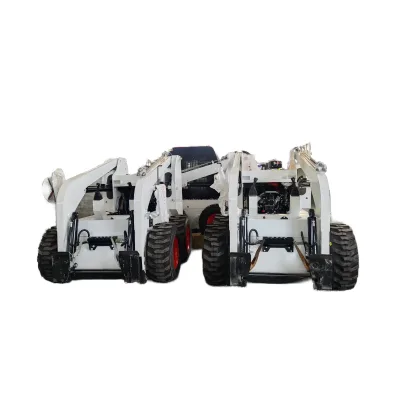

Chinese Mini Wheel Loader Diesel1 Ton 2 Ton 3 Ton Small Mini Wheel Loader
$5400.00 - $5650.00
MOQ: 1 Pieces


High Quality Excellent Condition 2.8ton Wheel Loader Mini Loader for Sale
$13000.00 - $15000.00
MOQ: 1 Pieces
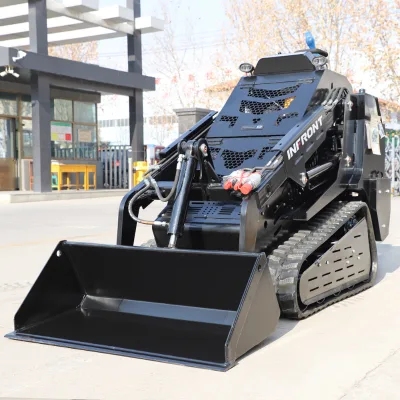


Front Loader Diesel Mini Wheel Loaders Crawler Driving Style Mini Loader
$5000.00 - $12000.00
MOQ: 1 Pieces
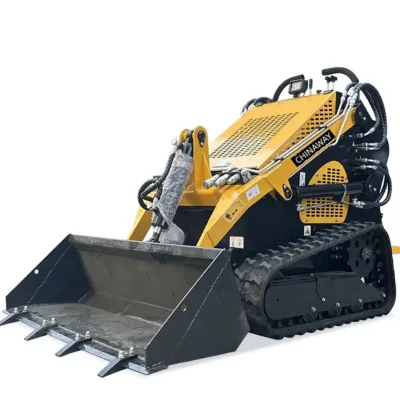


Comprehensive Sourcing Guide
9 Ton Diesel Minicargador Sourcing Guide
Sourcing a 9-ton diesel minicargador requires a careful alignment of machine specifications with actual site requirements, as the term "minicargador" often implies smaller, agile equipment while a 9-ton capacity suggests a medium-to-large industrial loader. Buyers must distinguish between compact wheel loaders and standard medium-sized loaders, as the operational footprint, fuel consumption, and transport logistics differ significantly. The decision to procure a diesel-powered unit hinges on the need for high torque and continuous operation in environments where electric alternatives may lack sufficient runtime or power density. Understanding the distinction between a true mini-loader and a medium-sized loader with a 9-ton rating is critical for ensuring the machine fits within the intended operational scope without incurring unnecessary logistical costs.
Procurement teams should also evaluate the specific configuration options available, such as cabin air conditioning and various tire models, which directly impact operator comfort and terrain adaptability. The observed market data indicates a wide range of specifications, from wheeled walking modes to hydraulic transmissions, which must be matched to the specific ground conditions and material handling tasks. By focusing on verified technical attributes rather than generic marketing terms, buyers can avoid mismatches between the machine’s capabilities and the job site’s demands. This guide provides a structured approach to evaluating these machines based on observed listing signals, technical verification, compliance, and long-term operational viability.
Product Scope and Observed Listing Signals
The current market for diesel loaders presents a diverse array of models, with observed listings ranging from small loaders with less than 1-ton rated loads to medium-sized loaders with capacities between 3 and 6 tons. While the core keyword specifies a 9-ton capacity, buyers should note that many available units in the observed data fall below this threshold, with some models operating at weights around 3,120 kg or 3,200 kg. It is essential to verify the actual rated load and operating weight of any specific supplier’s offering, as the term "minicargador" may be used loosely to describe various sizes of wheel loaders. The presence of customization options and different transmission types, such as hydraulic or power transmission, indicates that buyers can tailor the machine to specific operational needs, but this requires direct confirmation with the supplier.
Observed listing signals also highlight variations in discharge modes, with some units featuring rear dump configurations while others offer front discharge. These mechanical differences significantly affect how the loader interacts with trucks, hoppers, or processing equipment. Additionally, specifications such as bucket capacity, fuel tank volume, and tire models vary widely across listings, with some units offering 0.4 cubic meter buckets and others providing different configurations. Buyers must scrutinize these details to ensure the machine’s physical dimensions and handling characteristics align with the site’s infrastructure. The availability of optional features like cabin air conditioning further underscores the importance of specifying exact requirements during the inquiry phase to avoid receiving a unit that lacks necessary comfort or performance features.
Technical Specifications to Verify
When evaluating a 9-ton diesel minicargador, buyers must verify critical technical parameters such as the rated load, operating weight, and tipping load to ensure the machine can safely handle the intended materials. The observed data includes models with rated loads under 1 ton and others between 3 and 6 tons, so confirming that the specific unit meets the 9-ton requirement is paramount. Key metrics to verify include the maximum lifting height, dumping height, and dumping reach, which determine the machine’s ability to load trucks or stockpiles efficiently. For instance, some observed models have a lifting height of 3,140 mm and a dumping height of 1,780 mm, while others offer a maximum operating height of 4,000 mm. These dimensions must be cross-referenced with the height of the receiving equipment to prevent operational bottlenecks.
Transmission type, travel speed, and working flow rate are also vital technical specifications that influence productivity and fuel efficiency. Hydraulic transmissions are common in the observed listings, offering smooth power delivery and precise control, which is beneficial for delicate material handling. Buyers should also check the engine’s working flow rate, with some models operating at 75 liters per minute, as this affects the speed of hydraulic attachments and overall cycle times. Additionally, the wheelbase and track width impact stability and maneuverability, with observed wheelbases ranging from 850 mm to 1,500 mm. Verifying these specifications ensures that the machine can navigate tight spaces while maintaining stability under full load, reducing the risk of tipping or mechanical failure.
Compliance and Safety Documentation
Compliance with international and regional safety standards is a non-negotiable aspect of sourcing heavy machinery, and buyers must request documentation for certifications such as CE, RoHS, ISO, and TUV. The observed listings frequently mention these certifications, indicating that suppliers are aware of global compliance requirements. However, buyers should verify that the certifications are current and applicable to the specific model and region of use. For example, CE certification is essential for machines intended for the European market, while other regions may have different regulatory requirements. Ensuring that the machine meets these standards protects the buyer from legal liabilities and ensures that the equipment has undergone rigorous safety testing.
Safety features and operational documentation are equally important, and buyers should request detailed manuals that cover maintenance procedures, emergency shutdown protocols, and operator training guidelines. The presence of optional features like cabin air conditioning can also impact safety by reducing operator fatigue, which is a significant factor in preventing accidents. Buyers should also verify that the machine includes necessary safety devices, such as roll-over protection structures (ROPS) and falling object protection structures (FOPS), if required by local regulations. Requesting a comprehensive compliance package from the supplier, including test reports and certification copies, provides a clear audit trail and ensures that the machine meets all necessary safety and environmental standards.
Cost Drivers and Commercial Terms
The cost of a 9-ton diesel minicargador is influenced by several factors, including the machine’s specifications, customization options, and the supplier’s pricing structure. Observed price ranges in the market vary significantly, with some units listed between $1,059 and $35,000, reflecting differences in quality, brand, and feature sets. Buyers should be cautious of prices that seem unusually low, as they may indicate compromised quality or missing essential components. The minimum order quantity (MOQ) for these machines is typically low, ranging from 1 to 5 units, which allows for flexible procurement but may affect per-unit pricing for larger orders. Understanding the total cost of ownership, including maintenance, spare parts, and fuel consumption, is crucial for making an informed purchasing decision.
Commercial terms such as payment methods, shipping arrangements, and warranty coverage also play a significant role in the overall cost. Buyers should negotiate clear terms regarding delivery times, packaging, and insurance during transit. The observed listings indicate that machines are often packed in containers, which affects shipping costs and logistics planning. Additionally, buyers should inquire about the availability of spare parts and the supplier’s support for after-sales service. A comprehensive warranty that covers major components and provides timely technical support can reduce long-term operational risks. By carefully evaluating these commercial terms, buyers can secure a favorable deal that balances upfront costs with long-term value.
Supplier Qualification and Quality Control
Selecting a reliable supplier is critical for ensuring the quality and reliability of a 9-ton diesel minicargador. Buyers should verify the supplier’s manufacturing capabilities, quality control processes, and track record in the industry. The observed listings indicate that many suppliers are located in Shandong, China, a region known for its heavy machinery manufacturing. However, buyers should conduct due diligence to confirm the supplier’s legitimacy and ability to deliver high-quality products. Requesting references from previous clients and visiting the manufacturing facility, if possible, can provide valuable insights into the supplier’s operations and quality standards.
Quality control measures should include rigorous testing of the machine’s performance, including load tests, hydraulic system checks, and engine diagnostics. Buyers should request detailed inspection reports and test results from the supplier to verify that the machine meets the specified technical parameters. Additionally, buyers should inquire about the supplier’s after-sales support, including the availability of technical assistance and spare parts. A supplier with a robust quality control system and strong after-sales support is more likely to deliver a reliable machine that minimizes downtime and operational risks. By prioritizing supplier qualification and quality control, buyers can mitigate the risks associated with international procurement.
Long-Term Procurement Checks
Long-term procurement success depends on establishing a sustainable relationship with the supplier and ensuring the machine’s ongoing performance and support. Buyers should monitor the machine’s performance during the initial operational period and address any issues promptly with the supplier. Regular maintenance and adherence to the manufacturer’s service schedule are essential for extending the machine’s lifespan and maintaining its efficiency. Buyers should also stay informed about updates and improvements in the machine’s design, which may offer opportunities for upgrades or enhancements.
Building a long-term partnership with the supplier can provide benefits such as priority access to new models, discounted spare parts, and enhanced technical support. Buyers should communicate regularly with the supplier to discuss operational feedback and potential improvements. Additionally, buyers should keep detailed records of the machine’s maintenance history and performance data, which can be useful for troubleshooting and future procurement decisions. By focusing on long-term relationship building and continuous improvement, buyers can maximize the value of their investment in a 9-ton diesel minicargador and ensure sustained operational success.
FAQs
What is the rated load capacity of the small loader?
The small loader has a rated load capacity of less than 1 ton. Specific models like the CPM809 feature a maximum lifting weight of 800 kg, suitable for light-duty tasks in confined spaces.
Which transmission types are available for these loaders?
Available transmission types include power and hydraulic systems. Buyers can select models based on their specific operational needs, with hydraulic transmission often providing smoother control for varied terrain.
Can I find loaders with CE and ISO certifications?
Yes, many units come with CE, RoHS, ISO, and TUV certifications. These certifications ensure the machinery meets international safety and quality standards, making them suitable for export and regulated markets.
What is the maximum operating height for the medium loader?
The medium-sized loader offers a maximum operating height of 4000 mm. This height allows for efficient loading and unloading operations while maintaining stability during heavy lifting tasks.
How is the fuel tank capacity defined for these machines?
Fuel tank capacities vary by model, ranging from 5 liters for smaller units to 80 liters for larger machines. This ensures extended operation times without frequent refueling stops during daily work cycles.
Are customization options available for the loader specifications?
Customization is available for various loader specifications. Buyers can request specific modifications to meet unique project requirements, ensuring the equipment fits their exact operational environment and workflow needs.
What is the minimum order quantity for purchasing these loaders?
The minimum order quantity ranges from 1 to 5 units depending on the supplier and model. This flexibility allows buyers to start with small batches while testing performance before scaling up orders.