Source A3 Color Digital Compound Printer for Paper Label Cloth
Compare 30 A3 Color Digital Compound Printer options from verified suppliers in China. Buyers can evaluate specifications like USB interfaces, printing speeds, and ink solutions for paper, label, and cloth applications.
Key considerations
Products List


$2000.00 - $200000.00
MOQ: 1 Pieces

Digital A3 Printer Multifunctional Transfers Printing Machine Dtf Printer
$1000.00 - $1200.00
MOQ: 1 Sets


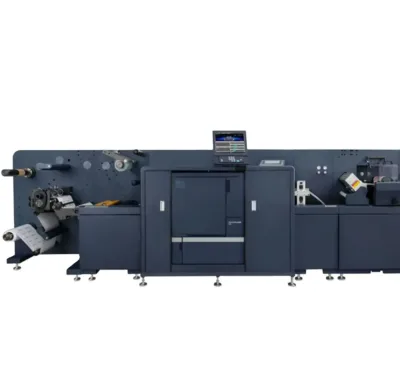


The A3 XP600 Printer with Higher Speed and Resolution in Three Colors.
$848.85 - $1099.21
MOQ: 1 Pieces


Advanced Digital Printer for High-Quality Multi-Color Fabric Solutions
$100000.00 - $350000.00
MOQ: 1 Sets


High-Speed Digital Textile Printer for Superior Paper Applications
$100000.00 - $350000.00
MOQ: 1 Sets
Comprehensive Sourcing Guide
A3 Color Digital Compound Printer Sourcing Guide
Sourcing an A3 Color Digital Compound Printer requires a nuanced understanding of the diverse manufacturing landscape, where "A3" often serves as a baseline format descriptor rather than a strict limitation on output size or capability. Buyers must navigate a market segment that blends traditional printing mechanics with modern digital inkjet technologies, resulting in machines that vary significantly in their physical footprint, interface connectivity, and media compatibility. The observed product listings reveal a wide spectrum of configurations, ranging from compact flat-bed units to larger industrial-grade presses, all sharing the common thread of digital control and color output capabilities. This diversity means that a buyer’s initial search for an "A3" device may yield results that are technically A4-sized UV printers, large-format inkjets, or hybrid systems capable of handling rigid substrates alongside flexible media.
The procurement process is further complicated by the overlapping terminology used by suppliers, where terms like "compound," "digital," and "color" are applied inconsistently across different machine types. Some listings describe systems with USB 3.0 interfaces and automatic grading, suggesting high-speed, modern digital workflows, while others reference older USB 2.0 connections or specific plate types like lithography or relief printing, which may indicate hybrid or specialized industrial applications. Understanding these distinctions is critical for aligning supplier offerings with actual operational needs, as the performance characteristics, maintenance requirements, and total cost of ownership can differ drastically between a simple label printer and a multi-head seamless joint printing system.
Product Scope and Observed Listing Signals
The current market for A3 color digital compound printers exhibits a broad price range, with observed listings spanning from approximately $848.85 to $350,000 USD, reflecting the vast disparity between entry-level desktop units and high-end industrial production systems. This wide variance is driven by factors such as printing technology (inkjet vs. UV), resolution capabilities, and the inclusion of advanced features like multi-head seamless joint printing or automatic grading systems. Buyers should interpret these price points as indicative of the machine’s intended scale of operation, with lower-cost options typically suited for small businesses or prototyping, while higher-priced units are designed for continuous, high-volume commercial printing environments.
Observed minimum order quantities (MOQ) are consistently listed as one unit, suggesting that most suppliers operate on a direct-to-buyer model rather than requiring bulk procurement commitments. This accessibility allows for easier evaluation of individual machines but necessitates rigorous due diligence regarding shipping and packaging, as products are frequently packed in wooden boxes, wooden cases, or pallets to ensure safe transit. The origin of these machines is predominantly China, with specific manufacturing hubs identified in Shenzhen, Shanghai, and Guangdong, indicating a concentrated supply chain that buyers can leverage for competitive pricing and rapid deployment, provided they account for international logistics and customs clearance.
Technical Specifications to Verify
When evaluating technical specifications, buyers must prioritize the printing interface and connectivity options, as these directly impact workflow efficiency and integration with existing computer systems. Listings indicate a mix of USB 2.0 and USB 3.0 interfaces, with USB 3.0 being preferable for high-resolution, high-speed data transfer required by modern digital printing engines. Additionally, the system supported operating systems, such as Windows XP or more recent versions, should be verified to ensure compatibility with current IT infrastructure, as legacy system support may require additional software updates or hardware adapters to function correctly in a modern office or factory setting.
Printing performance metrics, including resolution and speed, are critical differentiators that define the quality and throughput of the final output. Buyers should look for specifications such as resolutions ranging from 150 to 600 dpi, which cater to different levels of detail required for labels, cards, or cloth printing. Furthermore, the printing breadth and paper size specifications, such as A3, A4, or octavo formats, must align with the intended media dimensions. It is also essential to verify the ink solution compatibility, ensuring the machine supports porous, semi-porous, and non-porous media, as this flexibility determines the range of substrates the printer can handle, from standard paper to rigid plastics or textiles.
Compliance and Safety Documentation
Compliance with international safety and environmental standards is a non-negotiable aspect of sourcing industrial printing equipment, particularly when dealing with ink systems and electrical components. Buyers should request documentation verifying that the inks used in the printing process hold relevant certifications, such as SGS, MSDS, and RoHS, which attest to the chemical safety and environmental compliance of the materials. These certifications are crucial for ensuring that the printing operation does not expose workers to hazardous substances and meets regulatory requirements for waste disposal and environmental impact, especially in regions with strict chemical handling laws.
Electrical safety and operational standards must also be verified, with listings indicating compliance with CE and SGS standards for the machinery itself. The power requirements, such as AC 90V-240V at 50-60Hz, should be confirmed to match the local electrical infrastructure to prevent damage to the machine or safety hazards. Additionally, buyers should inquire about the machine’s structural safety features, including emergency stop mechanisms and protective enclosures, to ensure that the automatic grading and high-speed printing operations do not pose risks to operators during routine use or maintenance.
Cost Drivers and Commercial Terms
The total cost of ownership for an A3 Color Digital Compound Printer extends beyond the initial purchase price to include ongoing expenses related to ink consumption, maintenance, and potential customization. Listings highlight that ink costs are generally low, which is a significant factor in determining the long-term profitability of high-volume printing operations. However, buyers should verify the specific ink consumption rates per square meter or per print job, as these metrics can vary widely depending on the resolution settings and the type of media being used, directly impacting the cost per unit of output.
Commercial terms such as delivery times and after-sales support are also key cost drivers that influence the overall procurement decision. While some suppliers claim timely delivery, buyers should seek explicit confirmation of lead times and shipping methods, as delays can disrupt production schedules and incur additional costs. Furthermore, the availability of strong technical support and the option for customization, such as OEM color matching or specific software configurations, can add value but may also increase the initial cost. Buyers should negotiate clear terms regarding warranty coverage, spare parts availability, and the cost of technical assistance to avoid unexpected expenses in the future.
Supplier Qualification and Quality Control
Supplier qualification is paramount when sourcing complex printing machinery, as the reliability of the equipment depends heavily on the manufacturer’s engineering capabilities and quality control processes. Buyers should verify the supplier’s production capabilities, including their ability to handle customization requests and their experience with specific printing technologies like UV or inkjet. The presence of detailed product specifications, such as model numbers (e.g., ERA-UV-A4, HSJET, UV540) and standard dimensions, indicates a level of professionalism and transparency that buyers should prioritize when evaluating potential suppliers.
Quality control measures should be assessed through the supplier’s documentation of testing procedures and their willingness to provide free print samples for evaluation. These samples allow buyers to assess the actual print quality, color accuracy, and media compatibility before committing to a purchase. Additionally, buyers should inquire about the supplier’s after-sales service structure, including the availability of remote support, on-site installation services, and training programs for operators. A supplier that offers comprehensive support and demonstrates a commitment to quality through rigorous testing and sample provision is more likely to deliver a reliable and high-performing printing solution.
Long-Term Procurement Checks
Long-term procurement success depends on the supplier’s ability to provide ongoing support, software updates, and spare parts availability throughout the lifecycle of the printing machine. Buyers should establish clear communication channels with the supplier to ensure that technical issues can be resolved promptly, minimizing downtime and maintaining production efficiency. The availability of multi-language support, including English, Japanese, French, German, Spanish, and Portuguese, is a valuable indicator of the supplier’s global reach and commitment to serving an international customer base, which can be crucial for troubleshooting and operational guidance.
Furthermore, buyers should consider the scalability and adaptability of the printing system to future business needs. The ability to upgrade print heads, expand media compatibility, or integrate with new software platforms can extend the useful life of the machine and protect the initial investment. Regular reviews of the machine’s performance metrics, such as print speed, resolution consistency, and ink consumption, should be conducted to identify potential maintenance needs or opportunities for optimization. By maintaining a proactive approach to equipment management and supplier relationship management, buyers can ensure that their A3 Color Digital Compound Printer continues to deliver high-quality results and operational efficiency over the long term.
FAQs
What printing interfaces are supported for A3 color digital compound printers?
These printers typically support USB2 and USB3 interfaces for data transfer. This connectivity allows for efficient communication with host computers, ensuring stable operation during high-volume printing tasks. Users can choose the interface based on their system requirements and speed needs.
Can the printer handle multi-color printing on various materials?
Yes, the device supports both single-color and multi-color printing modes. It is designed for use on paper, labels, and cloth, making it versatile for different production needs. The system accommodates porous, semi-porous, and non-porous media for broad application compatibility.
What certifications are provided for the printer inks?
The inks used in these machines hold SGS, MSDS, and RoHS certificates. These certifications ensure that the materials meet international safety and environmental standards. Buyers can rely on these documented credentials for compliance and quality assurance in their manufacturing processes.
What are the standard packaging options for shipping these printers?
Printers are commonly packed in wooden boxes, wooden cases, or standard boxes on pallets. This robust packaging protects the equipment during transit. The specific packing method may vary by model, ensuring safe delivery to destinations like Shanghai or Shenzhen.
Is customization available for the printer color and configuration?
Customization is available for the printer color and other configurations. Buyers can request OEM color options to match their brand identity. The solution can also be tailored based on specific print media and customer requests, offering flexibility for unique business requirements.
What is the typical resolution range for these digital printers?
The resolution typically ranges from 150 to 600 dpi. This range allows for high-quality output suitable for detailed labels and graphics. Users can adjust settings to balance print speed and quality depending on the specific job requirements and media type.