Source High Speed A3 Remanufactured Photocopier for Offices, Schools, and Print Shops
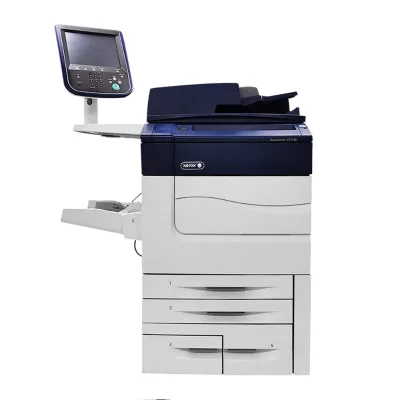
Explore 30 listings of High Speed A3 Remanufactured Photocopier units featuring automatic duplex printing, network connectivity, and speeds up to 100 ppm. Buyers can compare models like C3080 and C4065 with varying memory capacities and first copy times to find the right fit.
Key considerations
Products List


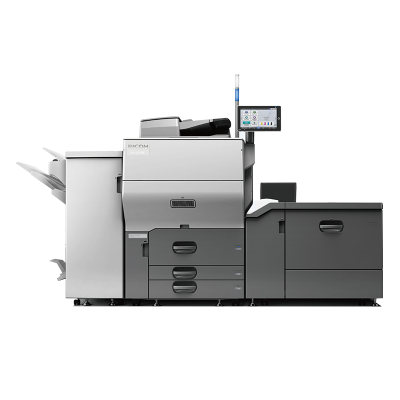
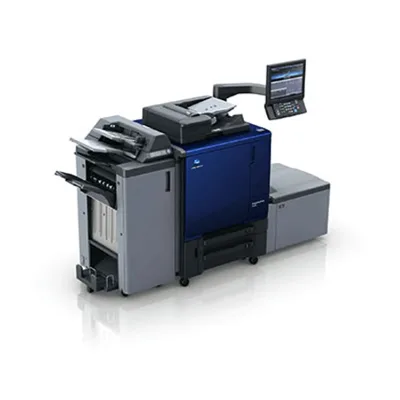
Konica Minolta C1085 C1100 C6085 C6100 High Speed Production Photocopier Copier A3
$1.00 - $16000.00
MOQ: 1 Pieces

Remanufactured Konica Minolta C224 C364 C454 C554 C654 C754 Color Copier Machine A3
$1.00 - $1460.00
MOQ: 1 Pieces




Comprehensive Sourcing Guide
Strategic Sourcing Guide for High-Speed A3 Remanufactured Photocopiers
The global demand for cost-effective, high-performance office equipment has driven a significant shift toward remanufactured photocopiers. For procurement professionals targeting high-speed A3 units, the market offers a complex landscape of specifications, certifications, and operational capabilities. This guide provides an evidence-based framework for sourcing these machines, focusing on verified attributes such as print speeds, paper handling, and compliance standards found in current supply chains. Buyers must navigate between general product descriptions and specific model data to ensure alignment with organizational needs.
Technical Specifications and Performance Metrics
When evaluating high-speed A3 remanufactured photocopiers, the primary differentiator is often the print speed and the complexity of the machine's function. Market data indicates that these units frequently operate at speeds ranging from 45 to 100 pages per minute. Specific observations highlight models capable of 70 pages per minute, while others reach up to 100 ppm, catering to high-volume environments. The distinction between "High Speed" and specific numerical outputs is critical; buyers should verify the exact pages-per-minute (ppm) rating for both black and color outputs, as some units specify different rates for monochrome versus color printing.
Functionality is another cornerstone of technical evaluation. The observed product attributes reveal a spectrum of capabilities, from basic Print/Copy/Scan functions to comprehensive Print/Copy/Fax and Print/Copy/Scan/Fax suites. For organizations requiring document distribution, the "Fax Leading" feature and integrated fax capabilities are essential. Furthermore, the physical output size is a non-negotiable specification for A3-focused procurement. The maximum printable size is consistently observed as A3, with some units supporting a range from A6 to A3. This flexibility allows for the processing of everything from standard letter-sized documents to large-format architectural or engineering prints.
Memory capacity also plays a pivotal role in handling large print jobs and complex workflows. Observed specifications list memory capacities of 6GB and 10GB, suggesting that higher-end remanufactured units are equipped to manage substantial data streams without performance degradation. The interface types vary, with USB connectivity being a standard feature, though network capabilities such as wired network printing are increasingly common. Buyers must confirm whether the specific unit supports networked environments, as this is often a prerequisite for modern office infrastructure.
Operational Efficiency and Workflow Integration
Beyond raw speed, the operational efficiency of a remanufactured photocopier is defined by its warm-up time and first-copy time. These metrics directly impact user productivity, particularly in busy office settings where downtime is costly. Data indicates that warm-up times can be as low as 390 seconds or less, while first-copy times for black and color vary significantly. Some models achieve a first copy time of 3.2 seconds for black and 6.9 seconds for color, whereas others may report 3.4 seconds or 3.9 seconds. These variations suggest that buyers should request specific performance data for the exact model under consideration rather than relying on general "high speed" marketing claims.
Automatic duplex printing is a standard feature in many high-end units, allowing for double-sided printing without manual intervention. This capability is often supported by optional accessories such as a dedicated Duplex Printing Device, which can be added to enhance functionality. The scanning resolution is another critical operational metric, with observed standards of 600dpi by 600dpi or simply 600dpi. High-resolution scanning ensures that digitized documents are clear and suitable for archival or legal purposes. Additionally, the zoom range, observed between 25% and 400%, provides flexibility in document reproduction, allowing users to scale documents up or down to fit specific paper sizes or requirements.
Compliance, Certification, and Origin Verification
In the realm of B2B procurement, compliance and certification are paramount for risk management. The supply chain for remanufactured photocopiers often includes units that have undergone rigorous quality testing and certification processes. Verified attributes indicate that many suppliers adhere to international standards, including ISO 9001 for quality management and ISO 14001 for environmental management. Additional certifications such as CE and Stmc are also observed, suggesting adherence to safety and electromagnetic compatibility regulations. However, buyers must exercise caution; while these certifications are listed as facts for certain products, they should be verified against the specific unit's documentation before finalizing a purchase.
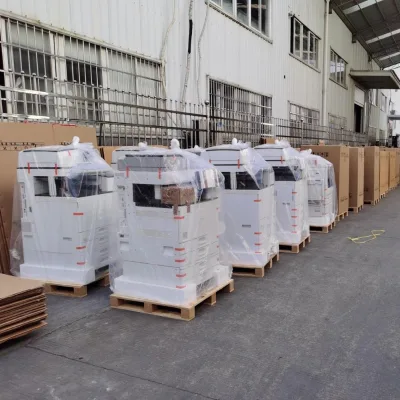
The origin of the machine is another vital factor. A significant portion of the high-speed A3 market consists of units originally manufactured in Japan, known for their engineering precision and durability. The "prod_origin" attribute frequently lists Japan, implying that the core components and initial manufacturing quality are of a high standard. This origin information is crucial for understanding the expected lifespan and the availability of spare parts. Furthermore, the packaging standards, such as wooden boxes and specific dimensions like 1507080CM, ensure that the machines are transported safely, minimizing the risk of damage during logistics.
Cost Drivers and Pricing Structures
The pricing for high-speed A3 remanufactured photocopiers is influenced by a variety of factors, including the model year, condition, and included accessories. The observed price range is vast, spanning from $1 to over $32,000. This disparity reflects the difference between basic units and high-end, fully featured models with extensive memory and advanced networking capabilities. The "Status" attribute often lists units as "Used," indicating that the price point is heavily dependent on the remaining lifespan and the extent of the remanufacturing process.
Minimum Order Quantity (MOQ) is another cost driver. While some suppliers offer a flexible MOQ of 1 piece, others may have higher thresholds. The "Development Way" attribute, described as "Double-Package," suggests that the pricing may include bundled components or accessories. Buyers should also consider the total cost of ownership, which includes the cost of consumables like the "Split Type Cartridge." The quality of these cartridges and their compatibility with the machine can significantly impact long-term operational costs. Additionally, the "Quality" attribute, often stated as "100% Satisfaction Guaranteed," implies that suppliers may offer warranties or return policies that affect the effective cost of the acquisition.
Supplier Evaluation and Quality Assurance
Selecting a reliable supplier is critical when dealing with remanufactured equipment. The "Quality Testing" attribute, which notes "100% Testing Before Delivery," is a strong indicator of a supplier's commitment to product integrity. Buyers should verify that this testing covers all functional aspects, including print quality, scanning resolution, and network connectivity. The "Product Type" is generally categorized as "General," but the specific model numbers, such as C3080, C4065, C4070, C1100, and C454, provide a more precise basis for evaluation.
Suppliers should be evaluated based on their ability to provide detailed technical documentation and proof of certification. The presence of a "Brand" attribute, such as "for Konica Minolta," suggests compatibility with specific OEM parts and software, which can simplify maintenance and support. However, buyers must ensure that the "for" designation does not imply a counterfeit product but rather a compatible remanufactured unit. The "Delivery Time" of 5-7 working days is a standard lead time observed in the market, but buyers should confirm this for their specific region and order volume.
Typical Applications and Use Cases
High-speed A3 remanufactured photocopiers are best suited for environments with high document volume and diverse printing needs. The ability to handle A3 paper sizes makes these units ideal for architecture firms, engineering departments, and educational institutions where large-format printing is routine. The high print speeds of 70 to 100 ppm ensure that these departments can meet tight deadlines without bottlenecks. The inclusion of fax capabilities and network printing further enhances their utility in corporate settings where document distribution and communication are frequent.
The "Copy Speed" being categorized as "High" and the "First Copy Time" being under 4 seconds make these machines suitable for reception areas and shared office spaces where multiple users rely on the device simultaneously. The "Paper Weight" capacity of up to 350g allows for the printing of heavy cardstock or labels, expanding the range of applications beyond standard document reproduction. The "Maximum Power Consumption" of about 1.7kw is a factor to consider for energy management, though modern remanufactured units often include power-saving modes to mitigate this.
Long-Term Procurement Considerations
When planning for the long term, buyers must consider the lifecycle of the remanufactured photocopier. The "Double-Package" development method and the "Split Type Cartridge" design suggest that maintenance and part replacement are streamlined. However, the availability of spare parts and the expertise of the supplier in providing technical support are crucial. The "Memory Capacity" of 6GB or 10GB ensures that the machine can handle future software updates and increased data processing needs.
Buyers should also evaluate the "Standard" of the machine, which may include specific dimensions and weight, to ensure it fits within the designated office space. The "Zoom Range" and "Scanning Resolution" will determine the machine's longevity in a digital-first environment, as high-quality digitization remains a core requirement. Finally, the "Quality Testing" and "100% Satisfaction Guaranteed" attributes provide a safety net, but buyers should establish clear service level agreements (SLAs) with the supplier to ensure continued performance and support over the machine's operational life.
| Feature Category | Observed Range/Value | Procurement Verification Point |
|---|---|---|
| Print Speed | 45 - 100 ppm | Confirm specific black/color speeds for the model |
| Max Paper Size | A3 | Verify A3 input tray capacity and output handling |
| Memory | 6GB - 10GB | Check compatibility with current network OS |
| First Copy Time | 3.2s - 3.9s | Test actual performance in a live environment |
| Certification | ISO 9001, ISO 14001, CE | Request valid certificates for the specific batch |
| Origin | Japan | Verify manufacturing date and remanufacturing facility |
| Delivery Time | 5-7 Working Days | Confirm lead time for the specific destination |
| Warranty/Quality | 100% Satisfaction Guaranteed | Review terms of the guarantee and return policy |
In conclusion, sourcing high-speed A3 remanufactured photocopiers requires a meticulous approach to verifying technical specifications, certifications, and supplier reliability. By focusing on the observed data points such as print speeds, memory capacity, and origin, buyers can make informed decisions that balance cost efficiency with operational performance. The wide range of available models and features ensures that there is a suitable solution for nearly any organizational need, provided that the procurement process is grounded in verified facts rather than marketing generalizations.
FAQs
What is the maximum print speed for these machines?
These machines offer print speeds ranging from 45 to 100 pages per minute depending on the specific model. Some units achieve 70 pages per minute while others reach up to 100 ppm to handle high-volume office environments efficiently.
Which certifications do these photocopiers typically hold?
Verified units often carry ISO 9001, ISO 14001, CE, and Stmc certifications. Buyers should request valid certificates for the specific batch to ensure compliance with international quality and safety standards before finalizing any purchase.
Can these machines print on A3 paper size?
Yes, the maximum printable size is consistently observed as A3, with some units supporting a range from A6 to A3. This flexibility allows for processing standard letters as well as large-format architectural or engineering prints.
How long is the delivery time for these orders?
The standard delivery time is typically 5 to 7 working days. This lead time is observed in the market, though buyers should confirm the exact timeline for their specific region and order volume to ensure timely arrival.
What is the minimum order quantity for purchasing?
The minimum order quantity is generally 1 piece, allowing for flexible procurement without bulk requirements. Some suppliers may have different thresholds, so verifying the specific MOQ is essential before placing an order.
Where are these high-speed machines originally manufactured?
A significant portion of these units are originally manufactured in Japan, known for their engineering precision. This origin information is crucial for understanding the expected lifespan and the availability of spare parts for long-term maintenance.
What memory capacity do these models support?
Observed specifications list memory capacities of 6GB and 10GB to manage substantial data streams. Higher-end remanufactured units are equipped with this capacity to ensure performance does not degrade during large print jobs.