Source Craft Tape for Office, School, and Decoration
Compare 30 Craft Tape options from verified suppliers in China. Buyers can evaluate adhesive types, widths, customization features, and packing details for office, school, and decoration needs while reviewing capacity and temperature resistance specifications; compare the available evidence and request quotations based on your requirements.
Key considerations
Products List




Comprehensive Sourcing Guide
Craft Tape Sourcing Guide
Sourcing Craft Tape requires a nuanced understanding of material science and adhesive chemistry, as the term encompasses a broad spectrum of products ranging from decorative stationery to industrial packaging solutions. Buyers must first distinguish between paper-based tapes, such as kraft paper varieties, and synthetic options like BOPP or PE films, as each offers distinct performance characteristics regarding tensile strength, water resistance, and printability. The decision often hinges on whether the end-use demands aesthetic appeal, such as multi-color printing for branding, or functional durability, such as waterproofing for harsh transportation environments.
Procurement teams should also evaluate the adhesive type, which significantly impacts application performance and surface compatibility. Common options include starch glue, hot melt glue, rubber, and acrylic adhesives, each suited to different substrates and environmental conditions. For instance, starch-based adhesives are often preferred for eco-friendly kraft paper applications, while acrylic adhesives may be selected for long-term bonding stability in double-sided tapes. Understanding these material distinctions is critical for aligning supplier offerings with specific project requirements, ensuring that the selected tape performs reliably under expected usage conditions.
Product Scope and Observed Listing Signals
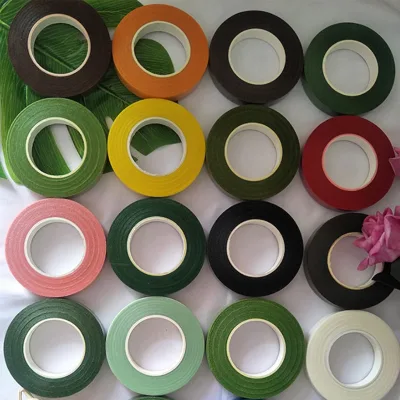
The current market landscape for Craft Tape reveals a diverse array of product models and specifications, indicating a high degree of customization availability. Listings frequently highlight attributes such as transparent or colored finishes, with specific models like BJ-NP001 and tape-01 representing distinct product lines. Buyers will observe variations in width, with some products offering a standard 18mm width, while others allow for custom widths based on customer requests. This flexibility suggests that suppliers are equipped to handle bespoke orders, making it essential for buyers to clearly define their dimensional requirements during the initial inquiry phase to avoid mismatches in production.
Packing and logistical details also vary significantly across listings, reflecting different operational scales and shipping preferences. Some products are packed in cartons measuring 383824cm with a weight of 15kg per carton, while others utilize bags, POF, or shrink wrap to adapt to harsh transportation environments. Additionally, capacity metrics such as 100,000 rolls per day for certain manufacturers indicate robust production capabilities, whereas smaller capacities may suggest niche or specialized production lines. These signals help buyers assess supplier scalability and reliability, ensuring that the chosen partner can meet volume demands without compromising on quality or delivery timelines.
Technical Specifications to Verify
When evaluating technical specifications, buyers must prioritize the verification of material composition and thickness, as these factors directly influence the tape’s durability and application suitability. For example, BOPP materials are often associated with transparent tapes, while PE materials may be used for softer, more flexible options. Thickness ranges observed in listings, such as 50 microns or 35-45 microns, provide a baseline for quality assessment, but buyers should confirm whether these measurements are consistent across batches. Additionally, the paper core diameter, typically ranging from 3mm to 5mm, should be verified to ensure compatibility with existing dispensing equipment and machinery.
Adhesive properties and temperature resistance are equally critical technical parameters that require careful scrutiny. Buyers should confirm whether the adhesive is single-sided or double-sided, as this determines the tape’s bonding capability and potential applications. Temperature resistance, whether normal or high, also plays a crucial role in determining the tape’s performance in varying environmental conditions. Furthermore, the regular length of the tape, which can range from 10m to 70m, should be aligned with usage patterns to minimize waste and optimize efficiency. Verifying these specifications ensures that the selected tape meets both functional and operational requirements.
Compliance and Safety Documentation
Compliance and safety documentation are essential components of the procurement process, particularly when dealing with adhesives and materials that may come into contact with sensitive surfaces or end-users. Buyers should request detailed material safety data sheets (MSDS) to understand the chemical composition of the adhesive and any potential hazards associated with its use. This information is crucial for ensuring workplace safety and regulatory compliance, especially in industries with strict environmental or health standards. Additionally, verifying the origin of the materials, such as whether they are sourced from specific regions like Guangdong or Jiangsu, can provide insights into the supply chain’s transparency and reliability.
While specific certifications like ISO 9001:2015 or ISO 14001:2015 are not explicitly confirmed for all products, buyers should inquire about the supplier’s quality management systems and environmental practices. These certifications, if present, indicate a commitment to consistent quality and sustainable manufacturing processes. Buyers should also check for any industry-specific standards that may apply to their particular application, such as food-grade certifications for tapes used in packaging. By prioritizing compliance and safety, buyers can mitigate risks and ensure that their procurement activities align with broader organizational values and regulatory requirements.
Cost Drivers and Commercial Terms
Cost drivers in the Craft Tape market are influenced by a variety of factors, including material costs, production complexity, and customization requirements. Buyers should anticipate that products with multi-color printing or custom widths may incur higher costs due to the additional processing steps involved. Similarly, the choice of adhesive type can impact pricing, with specialized adhesives like acrylic or hot melt glue potentially commanding a premium over standard options. Understanding these cost drivers allows buyers to make informed decisions about where to allocate their budget and which features are essential versus optional for their specific needs.
Commercial terms, including minimum order quantities (MOQ) and payment conditions, also play a significant role in the overall cost structure. Listings indicate a wide range of MOQs, from as low as 1 unit to as high as 20,000 units, reflecting the flexibility of suppliers to accommodate different order sizes. Buyers should negotiate terms that align with their inventory management strategies and cash flow requirements. Additionally, lead times and shipping arrangements should be clarified early in the procurement process to avoid unexpected delays or costs. By carefully evaluating these commercial terms, buyers can optimize their procurement strategy and achieve better value for their investment.
Supplier Qualification and Quality Control
Supplier qualification is a critical step in ensuring the reliability and consistency of Craft Tape supplies. Buyers should assess suppliers based on their production capacity, quality control processes, and ability to meet customization requests. Suppliers with high daily capacities, such as 100,000 rolls per day, may offer greater stability and scalability, but buyers should also verify their quality control measures to ensure consistent product performance. Additionally, the supplier’s willingness to accept OEM/ODM orders indicates their flexibility and commitment to meeting specific customer requirements, which can be a valuable asset for buyers seeking tailored solutions.
Quality control practices should be thoroughly evaluated, including the supplier’s testing procedures and inspection protocols. Buyers should inquire about the frequency and nature of quality checks, as well as the methods used to detect defects or inconsistencies. Suppliers that provide detailed documentation of their quality control processes can offer greater assurance of product reliability. Furthermore, buyers should consider the supplier’s track record and reputation in the market, as these factors can provide insights into their overall reliability and customer satisfaction. By prioritizing supplier qualification and quality control, buyers can minimize risks and ensure a steady supply of high-quality Craft Tape.
Long-Term Procurement Checks
Long-term procurement checks are essential for maintaining a sustainable and efficient supply chain for Craft Tape. Buyers should regularly review supplier performance metrics, including delivery times, product quality, and responsiveness to issues. Establishing key performance indicators (KPIs) and conducting periodic audits can help identify areas for improvement and ensure that suppliers continue to meet expectations. Additionally, buyers should monitor market trends and technological advancements in the Craft Tape industry, as these factors can influence product availability and pricing. Staying informed about industry developments allows buyers to make proactive adjustments to their procurement strategies and remain competitive.
Relationship management is another critical aspect of long-term procurement success. Building strong, collaborative relationships with suppliers can lead to better pricing, priority service, and access to new product innovations. Buyers should engage in regular communication with their suppliers, sharing feedback and discussing potential improvements. Additionally, exploring opportunities for joint development or co-innovation can strengthen the partnership and create mutual value. By focusing on long-term procurement checks and relationship management, buyers can ensure a resilient and adaptable supply chain that supports their ongoing business needs.
FAQs
What customization options are available for Craft Tape?
Customization is available for Craft Tape products to meet specific needs. Buyers can request customized standards, colors, and printing options including multi-color designs. The production process supports semi-finished jumbo rolls, allowing flexibility in final specifications for various applications.
Which adhesive types are used for kraft paper tape?
Kraft paper tape utilizes several adhesive types including starch glue, hot melt glue, rubber, and oil glue. These options provide different bonding strengths and application suitability. The choice depends on the specific usage requirements and environmental conditions where the tape will be applied.
Can I find Craft Tape with waterproof properties?
Yes, waterproof Craft Tape options are available in the product range. Some variants are explicitly marked as waterproof, while others may not be. Buyers should verify the specific waterproof attribute for each product model before selection to ensure suitability for their intended use cases.
What are the standard dimensions for Craft Tape rolls?
Standard dimensions vary by product model, with widths like 18mm or 50mm and lengths ranging from 10m to 70m. Thickness options include 35-45mic or 50mic. Regular widths can often be customized according to customer requests, providing flexibility for different packaging and sealing needs.
How is the Craft Tape packed for shipping?
Packaging options include cartons, bags, POF, and shrink wraps designed to adapt to harsh transportation environments. Specific packing dimensions like 38*38*24cm or weights like 15kg per carton are common. This ensures the tape remains protected during transit to various global destinations.
What is the minimum order quantity for Craft Tape?
The minimum order quantity is described as low, with observed ranges starting from 1 unit up to 20000 units. This flexibility allows buyers of various sizes to source the tape without excessive inventory commitments. Specific MOQs may vary by supplier and product configuration.
Where are the Craft Tape manufacturers located?
Manufacturers are located in regions such as Liuyang, Guangdong Dongguan Humen, Jiangsu, and Wenzhou in China. These locations offer significant production capacity, with some facilities capable of producing up to 100000 rolls per day. Buyers can source from these established manufacturing hubs.
Does the supplier accept OEM and ODM orders?
Yes, OEM and ODM services are acceptable for Craft Tape production. Suppliers support custom branding and specific product modifications to align with buyer requirements. This capability allows businesses to create unique tape solutions tailored to their specific market needs and branding strategies.