Source Art Markers for School, Office, and Business Use
Explore 30 listings for Art Markers suitable for school, office, and business promotion. Compare dual-side writing options, glitter finishes, and brush tips from suppliers in Zhejiang, China. View MOQs ranging from 100 to 100,000 pieces and request customized packaging.
Key considerations
Products List
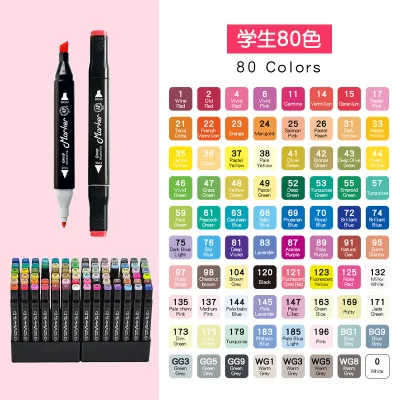
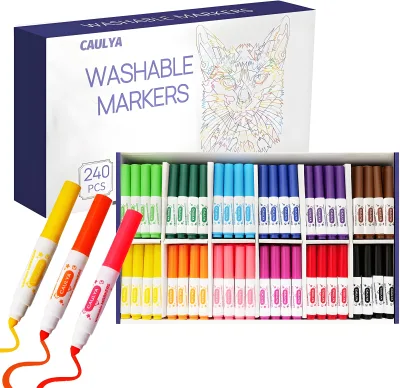
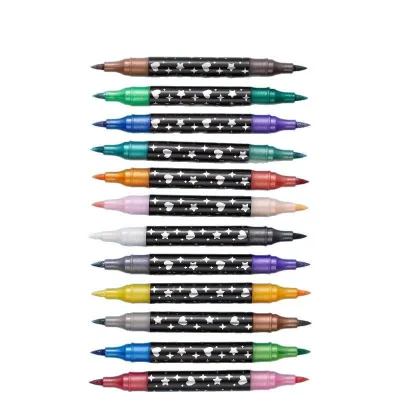
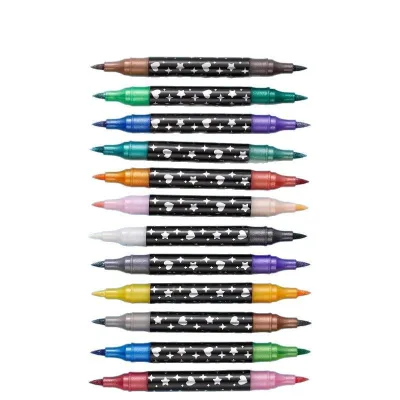
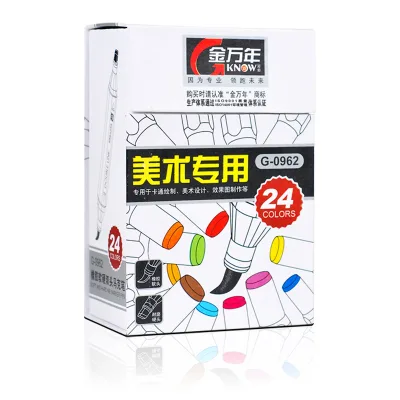
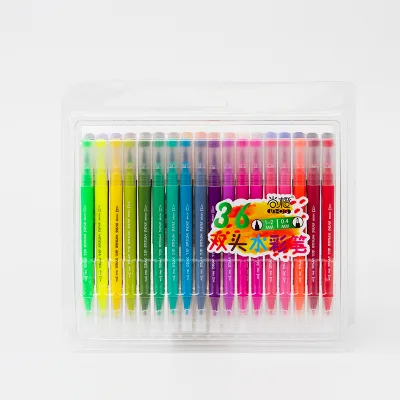


High Quality Acrylic Paint Marker for Art Supply Fluorescent Marker Supply
$0.22 - $0.35
MOQ: 3000 Pieces


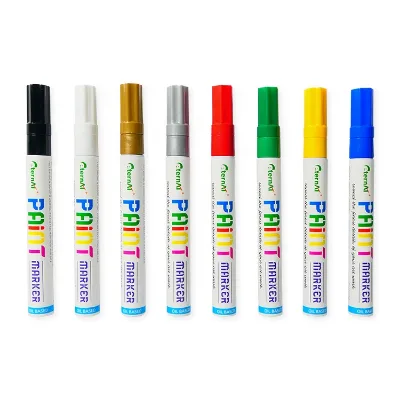
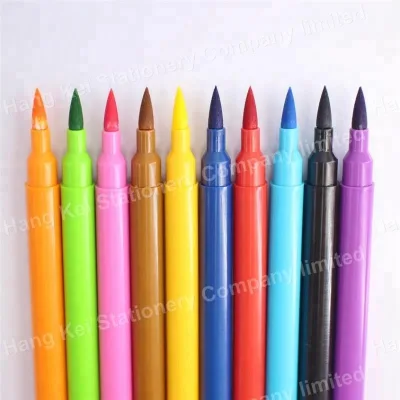




Comprehensive Sourcing Guide
Art Markers Sourcing Guide
Product Scope and Observed Listing Signals
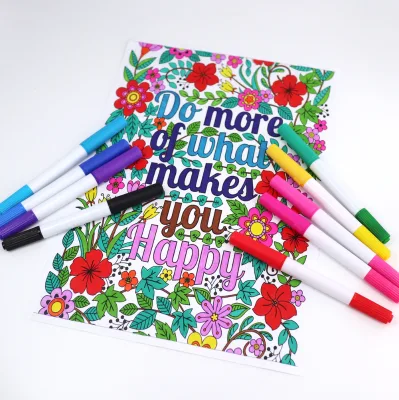
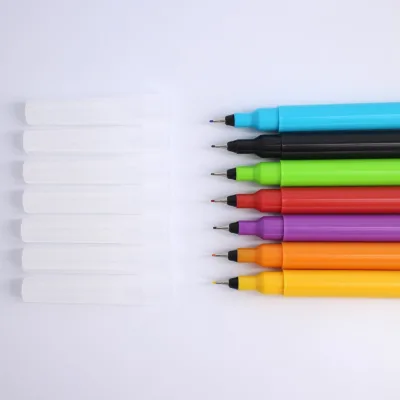
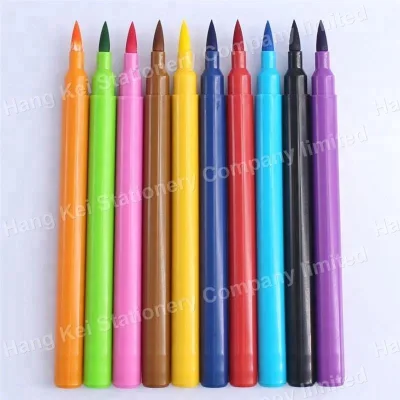
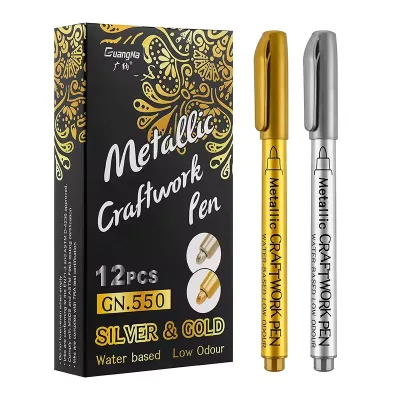
The current market for Art Markers presents a diverse array of options, ranging from standard dual-tip markers to specialized glitter and water-blending variants. Listings indicate a wide spectrum of color configurations, including sets with 12, 24, 36, 80, and even 168 colors, catering to both casual artists and professional illustrators. Buyers should note that while some products are explicitly labeled as erasable, the majority of observed listings specify non-erasable permanent ink, which is critical for archival drawing and professional artwork. The physical construction often involves plastic or ABS bodies, with tips varying from brush styles to double tips, allowing for versatile line work and shading techniques.
Commercial signals reveal significant variability in minimum order quantities and packaging structures, reflecting the dual nature of this category as both a retail consumer good and a promotional item. Observed MOQs range from small batches of 100 pieces to large industrial orders exceeding 100,000 units, suggesting that suppliers are equipped to handle both boutique studio needs and large-scale corporate gifting campaigns. Packaging is frequently customizable, with options for single-item sales or bulk cases containing 24 colors, and many suppliers offer OEM services to apply custom logos. This flexibility allows buyers to align procurement strategies with specific distribution channels, whether targeting individual artists or corporate clients seeking branded promotional materials.
Technical Specifications to Verify
When evaluating technical specifications, the tip configuration and ink type are paramount for determining the marker’s suitability for specific artistic mediums. Buyers must verify whether the product features a brush tip for fluid watercolor effects or a dual-tip design combining fine and broad ends for general drawing. The material composition of the barrel, often cited as plastic or ABS, impacts durability and grip, while the inclusion of accessories like water-blending brushes can significantly enhance the utility of watercolor-specific markers. It is essential to confirm the number of colors included in each set, as discrepancies between advertised and actual color counts can affect the perceived value and functionality of the product for end-users.
Ink permanence and color consistency are critical technical factors that require rigorous verification before bulk ordering. Since many listings describe the product as a permanent marker, buyers should request sample kits to test ink flow, drying time, and bleed-through on various paper types, including drawing paper and standard sketchbooks. The presence of glitter or special effects inks introduces additional variables, such as particle settling or tip clogging, which must be assessed for long-term usability. Additionally, verifying the model numbers, such as 24HH-MP-29 or GM-03, helps in tracking specific product iterations and ensures that future reorders maintain consistency in quality and performance characteristics.
Compliance and Safety Documentation
Safety compliance is a non-negotiable aspect of sourcing Art Markers, particularly when the products are intended for school or office use where younger users may be involved. Buyers should insist on documentation that verifies adherence to international safety standards, such as EN71, which governs the safety of toys and artistic materials. The presence of MSDS (Material Safety Data Sheets) is another critical indicator of responsible manufacturing, providing detailed information on the chemical composition of the inks and solvents used. These documents help ensure that the products do not contain harmful substances and that the manufacturing process adheres to environmental and health regulations, protecting both the supplier and the end consumer from potential liabilities.
Beyond chemical safety, buyers must verify that the packaging and labeling comply with relevant regional regulations, especially if the products are destined for markets with strict consumer protection laws. This includes accurate ingredient listing, warning labels, and age recommendations where applicable. The customization of logos and packaging introduces additional compliance layers, as the added materials must also meet safety standards. Buyers should work closely with suppliers to ensure that all custom elements, including inks used for printing logos, are non-toxic and durable. Requesting third-party test reports can provide an additional layer of assurance, confirming that the final product meets all specified safety criteria before shipment.
Cost Drivers and Commercial Terms
The cost structure of Art Markers is heavily influenced by the number of colors, the complexity of the tip design, and the volume of the order. Sets with higher color counts, such as 80 or 168 colors, naturally command higher prices due to the increased material and manufacturing costs associated with producing and packaging a larger variety of inks. Similarly, specialized features like glitter effects or water-blending capabilities add to the production complexity, thereby increasing the unit price. Buyers should analyze the price-to-color ratio to determine the true value of different sets, ensuring that they are not paying a premium for colors that may not be frequently used in their specific artistic applications.
Commercial terms, particularly MOQs and payment structures, play a significant role in the overall procurement cost. Suppliers with lower MOQs, such as 100 pieces, may charge higher unit prices to cover setup and production costs, making them suitable for small businesses or trial orders. Conversely, larger orders can leverage economies of scale to reduce unit costs, but they require a higher upfront capital investment. Buyers should negotiate flexible payment terms and clarify any additional costs for customization, such as logo printing or special packaging. Understanding these commercial dynamics allows buyers to optimize their inventory levels and cash flow while maintaining competitive pricing in their respective markets.
Supplier Qualification and Quality Control
Supplier qualification begins with verifying their manufacturing capabilities and quality control processes. Buyers should prioritize suppliers who demonstrate a clear understanding of the art marker market, evidenced by their ability to produce diverse product lines, from standard dual-tip markers to specialized glitter and watercolor variants. The presence of OEM/ODM services indicates a supplier’s flexibility and capacity to customize products according to specific buyer requirements. It is also beneficial to assess the supplier’s experience in exporting to your target market, as this can influence their ability to navigate regulatory requirements and logistics challenges effectively.
Quality control measures should be explicitly defined in the purchase agreement to ensure consistent product quality. Buyers should request detailed quality assurance protocols, including in-process inspections and final random sampling procedures. Given the variability in ink performance and tip durability, establishing clear acceptance criteria for defects such as leaking, clogging, or inconsistent color output is essential. Implementing a pre-shipment inspection by a third-party agency can provide an objective assessment of product quality and compliance with agreed-upon specifications. This step helps mitigate the risk of receiving substandard goods and ensures that the final products meet the expectations of end-users, thereby protecting the buyer’s brand reputation.
Long-Term Procurement Checks
Long-term procurement success depends on establishing a robust supplier relationship and implementing continuous improvement mechanisms. Buyers should conduct regular performance reviews to assess supplier reliability, including on-time delivery rates, product consistency, and responsiveness to issues. Maintaining open communication channels allows for the timely resolution of any quality or logistical problems that may arise during the supply chain. Additionally, staying informed about market trends and new product developments can help buyers identify opportunities for innovation and differentiation in their offerings, such as introducing new color palettes or specialized marker types.
Sustainability and ethical sourcing practices are increasingly important considerations for long-term procurement strategies. Buyers should evaluate their suppliers’ commitment to environmental responsibility, including the use of eco-friendly materials and sustainable manufacturing processes. This not only aligns with growing consumer demand for sustainable products but also helps mitigate regulatory risks associated with environmental compliance. By prioritizing suppliers who demonstrate a strong ethical stance, buyers can enhance their brand image and build loyalty among environmentally conscious consumers. Regular audits and certifications can provide verification of these practices, ensuring that the supply chain remains aligned with the buyer’s values and long-term strategic goals.
FAQs
What customization options are available for Art Markers?
Customized packing and logos are accepted for these Art Markers. Buyers can request specific branding and packaging solutions to match their promotional or business needs. The products support dual-side writing and come in various color counts like 12, 24, or 36 colors.
Which model numbers are available for these Art Markers?
Several model numbers are available including 24HH-MP-29, GM-03, GM-09, and G-0962. These models cover different types such as maker pens, glitter markers, and dual Art Markers. Each model supports specific usage scenarios like drawing, painting, or office promotion.
Can I order Art Markers with a low minimum quantity?
Minimum order quantities vary significantly by product type. Some items require 100 pieces while others need 1000 sets or even 50000 pieces. Buyers should check specific product details to find options that match their volume requirements and budget constraints effectively.
What certifications do these Art Markers hold?
Selected art marker products hold MSDS and EN71 certifications. These certifications ensure safety and compliance for school and office usage. Buyers seeking certified supplies should verify specific product listings to confirm the presence of these required safety standards.
Where are these Art Markers manufactured?
The products originate from Zhejiang, China, and other locations within China. This regional sourcing allows for competitive pricing and efficient logistics for international buyers. The manufacturing base supports various customization needs for global distribution channels.
What materials are used to make these Art Markers?
Most markers are constructed from plastic or plastic ABS materials. These durable materials ensure longevity during drawing and painting activities. The design often includes dual tips or brush tips to enhance artistic versatility for different user preferences.