Source ABS Educational Sailboat Model for Gifts, Decor, and Collection
Find 30 listings for the ABS Educational Sailboat Model from Chinese manufacturers. Compare customization options, materials like wood and ABS, and packaging details for promotional gifts, home decoration, and collection purposes; compare the available evidence and request quotations based on your requirements.
Updated
Key considerations
Products List


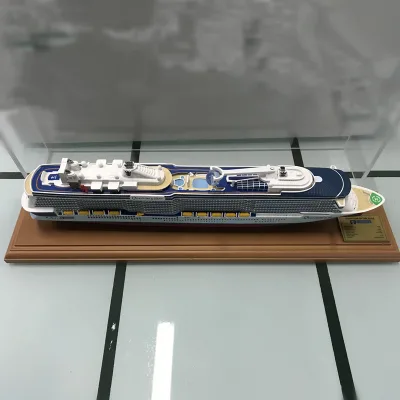


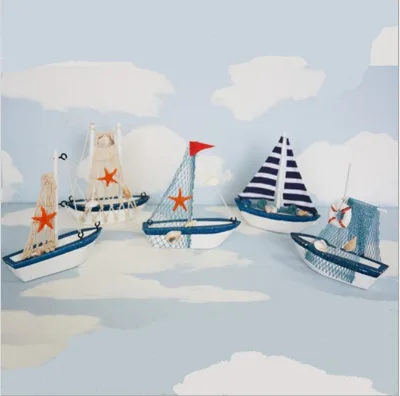

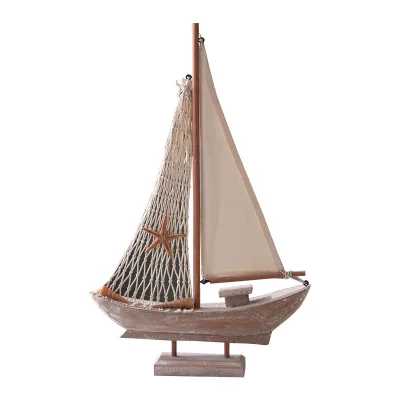
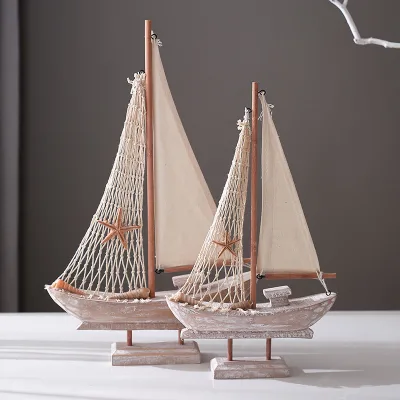
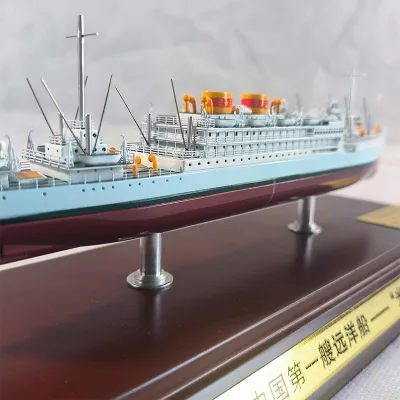
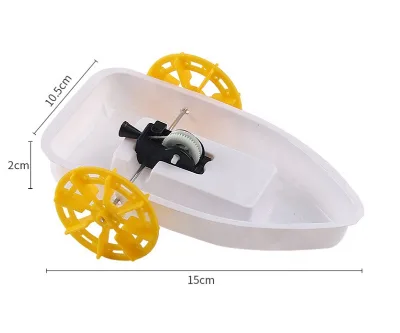
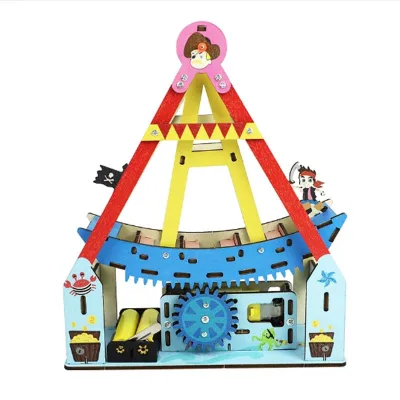
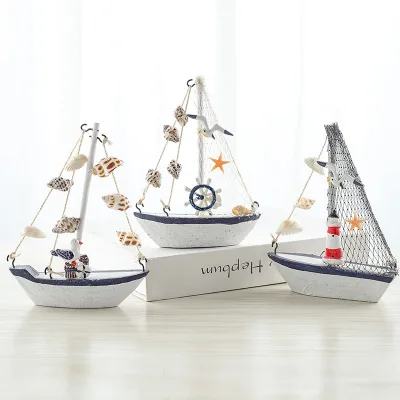
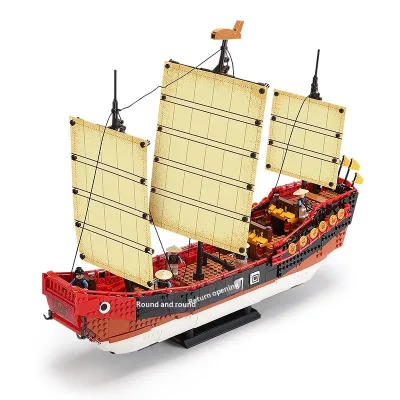
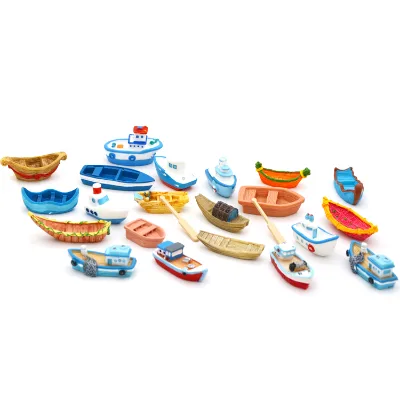

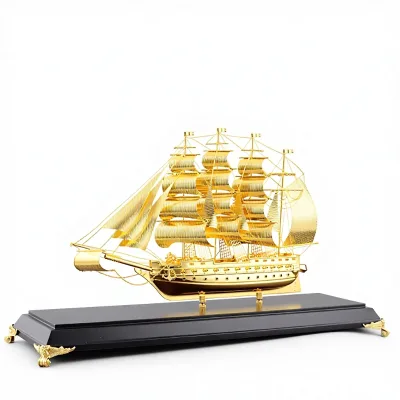
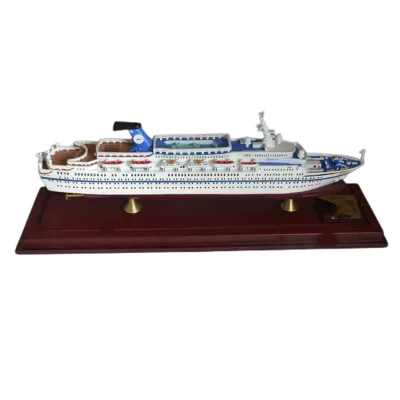
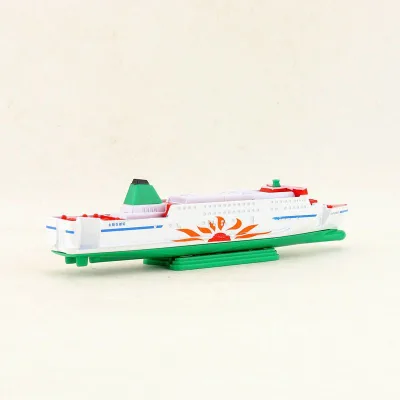
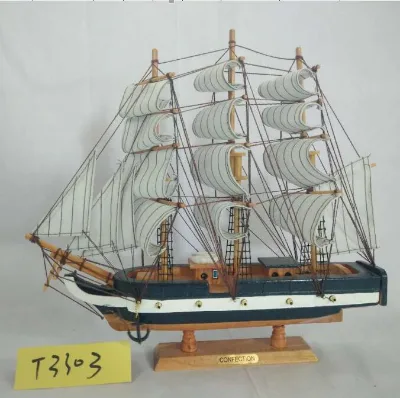
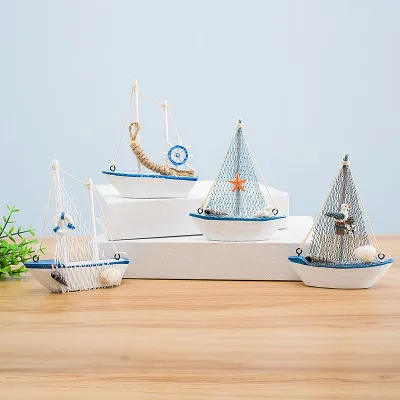
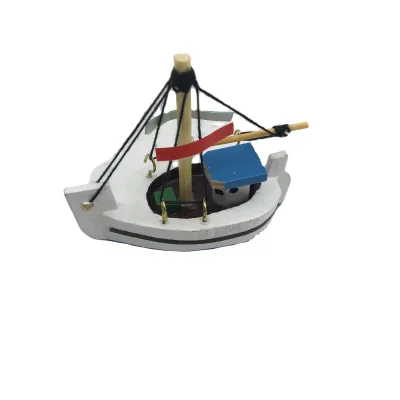
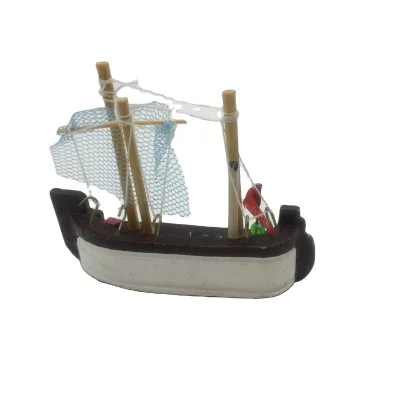
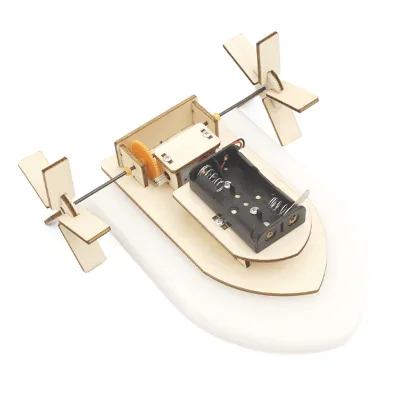
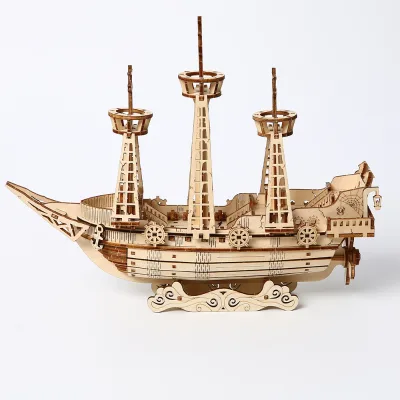
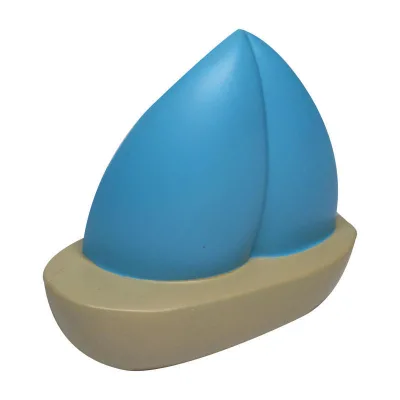
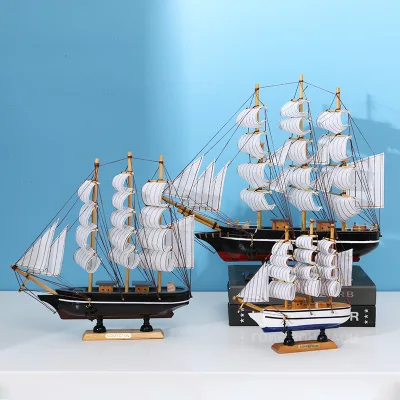

Customized Sea Yacht Model Sail Boat Model, and Various Resin Boat Model Making
$2800.00 - $3500.00
MOQ: 1 Pieces
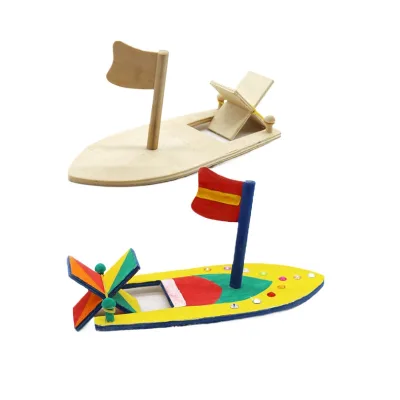
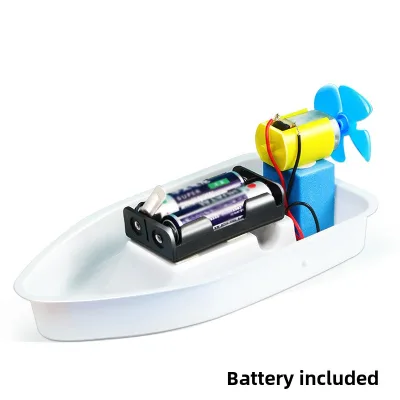
Comprehensive Sourcing Guide
ABS Educational Sailboat Model Sourcing Guide
Sourcing ABS educational sailboat models requires a clear understanding of the intersection between durable plastic engineering and nautical design principles. Buyers must recognize that while the core keyword emphasizes ABS material, the observed market data reveals a significant prevalence of wooden and mixed-material constructions. This discrepancy necessitates a rigorous verification process where procurement teams explicitly confirm material composition during the initial inquiry phase. Relying on generic listings without specifying ABS can lead to receiving wooden crafts or composite models that fail to meet specific durability or aesthetic requirements for educational environments.
The educational sector demands products that balance structural integrity with visual accuracy to serve as effective teaching aids. Procurement specialists should prioritize suppliers who offer customization options, as indicated by the available market signals, to ensure the models align with specific curriculum needs or institutional branding. Understanding the distinction between promotional gifts and serious educational tools is critical, as the latter often requires higher workmanship standards and more robust packaging to withstand frequent handling by students.
Product Scope and Observed Listing Signals
The current market landscape for sailboat models is diverse, with listings ranging from simple decorative items to complex bulk carrier replicas. Buyers will encounter products labeled with keywords such as "wooden boat model," "ship model," and "handicraft model," which may not strictly adhere to the ABS material specification. It is essential to scrutinize product attributes closely, as many suppliers offer mixed material options like wood plus ABS, or entirely wooden constructions. This variety suggests that buyers must define their material requirements precisely to avoid receiving products that do not match the intended educational or display purpose.
Observations indicate that product themes are predominantly centered around ships and nautical vessels, with options including sailboat models, speed boats, and bulk carriers. The presence of customization features, such as customized logos and colors, highlights the potential for these models to serve dual purposes as both educational tools and promotional gifts. However, the wide range of product types, from aviation box-packed items to standard packing, underscores the need for buyers to verify packaging standards to ensure safe delivery and appropriate presentation for their specific use cases.
Technical Specifications to Verify
Technical verification must begin with confirming the exact material composition, as the term "ABS" may be loosely applied in some listings. Buyers should request detailed material breakdowns to ensure the primary structure is indeed ABS plastic, which offers superior impact resistance compared to standard polystyrene or wood. Additionally, verifying the model number and size specifications is crucial, as observed data shows a wide range of sizes from small decorative pieces to large models with single package dimensions exceeding 160 cm. This variability directly impacts shipping costs and storage requirements, making precise specification confirmation a critical step in the procurement process.
Workmanship quality and finish details are equally important for educational models that will be handled frequently. Procurement teams should inquire about surface treatment, paint durability, and the accuracy of nautical details such as rigging and hull lines. The observed emphasis on "excellent workmanship" in some listings suggests a market segment focused on high-quality replicas, but buyers must validate this claim through sample requests or detailed product images. Confirming whether the model is a static display piece or includes moving parts, such as rotating sails, is also necessary to align with the intended interactive educational experience.
Compliance and Safety Documentation
Safety compliance is paramount when sourcing models intended for educational use, particularly if they will be handled by children. Buyers must verify that all materials used, including paints and adhesives, comply with relevant international safety standards for toys and educational products. Although specific certification names are not provided in the observed data, it is essential to request documentation proving compliance with standards such as EN71 or ASTM F963, depending on the target market. This due diligence helps mitigate liability risks and ensures that the products are safe for classroom environments where direct contact with students is expected.
Environmental and chemical safety considerations should also be addressed, particularly regarding the release of volatile organic compounds from plastic components. Buyers should ask suppliers to provide material safety data sheets (MSDS) for the ABS plastic and any finishing materials used. This documentation not only confirms safety but also supports corporate sustainability goals by ensuring that the products do not contain hazardous substances. Verifying these compliance aspects early in the sourcing process prevents potential recalls and maintains the reputation of the educational institution or distributor.
Cost Drivers and Commercial Terms
Cost structures for ABS educational sailboat models are influenced by material costs, manufacturing complexity, and order volume. The observed minimum order quantities (MOQ) range from 1 piece to 10,000 pieces, indicating flexibility for both small-scale educational purchases and large corporate orders. Buyers should note that customization, such as logo printing or specific color matching, may incur additional setup fees or higher per-unit costs. Understanding these cost drivers allows procurement teams to budget accurately and negotiate effectively with suppliers based on their specific volume requirements and customization needs.
Commercial terms, including payment methods and shipping arrangements, vary significantly among suppliers. The observed data mentions various packaging options, from aviation boxes to wooden crates, which directly impact shipping costs and insurance requirements. Buyers should clarify whether the quoted prices include packaging and shipping or if these are separate line items. Additionally, understanding the supplier's supply ability, such as the observed capacity of 10,000 pieces per month, helps in planning long-term procurement strategies and ensuring consistent supply for ongoing educational programs or promotional campaigns.
Supplier Qualification and Quality Control
Supplier qualification involves assessing the manufacturer's capability to produce consistent, high-quality ABS models. Buyers should verify the supplier's production facilities, quality control processes, and experience in manufacturing nautical models. The observed data indicates suppliers from various regions in China, including Zhejiang and Fujian, each with different specializations. It is advisable to request references or case studies from previous clients in the educational sector to gauge the supplier's reliability and product consistency. This due diligence helps identify suppliers who can meet the specific demands of educational institutions.
Quality control measures should be established before placing large orders, including pre-production sample approvals and in-line inspections. Buyers should define clear acceptance criteria for material quality, dimensional accuracy, and finish quality. Implementing a robust quality control plan, potentially involving third-party inspection services, ensures that the delivered products meet the specified standards. This proactive approach minimizes the risk of receiving defective goods and ensures that the educational models serve their intended purpose effectively without compromising safety or aesthetic appeal.
Long-Term Procurement Checks
Long-term procurement success depends on establishing a sustainable relationship with reliable suppliers who can adapt to changing educational needs. Buyers should regularly review supplier performance metrics, including on-time delivery rates, product quality consistency, and responsiveness to issues. Building a diversified supplier base can mitigate risks associated with single-source dependencies, ensuring continuity of supply for educational programs. Additionally, staying informed about industry trends and new material technologies can help buyers identify opportunities for upgrading their product offerings to better serve their educational clients.
Continuous improvement in the procurement process involves gathering feedback from end-users, such as teachers and students, to assess the practical utility of the models. This feedback loop can inform future purchasing decisions, highlighting areas for improvement in design, durability, or educational value. By maintaining a focus on long-term value rather than just initial cost, buyers can secure products that enhance the learning experience and support the educational mission of their institutions. Regular audits and supplier evaluations ensure that the procurement strategy remains aligned with organizational goals and quality standards.
FAQs
What materials are used for the sailboat models?
The sailboat models are constructed from wood and ABS materials. Some options include solid wood or wooden crafts. These materials ensure durability while maintaining the classic aesthetic required for decorative ship models and gifts.
Can I customize the logo on the model?
Yes, customized logos are available for these wooden ship models. Buyers can request specific branding to suit promotional gifts or personal decoration needs. This customization is offered alongside other options like custom colors and sizes.
What is the minimum order quantity for these models?
The minimum order quantity varies by supplier, ranging from one piece to ten pieces. Some listings specify an MOQ of one piece, while others require ten pieces. Buyers should check specific product details for exact requirements.
Where are these wooden boat models manufactured?
These models originate from China, specifically from regions like Zhejiang and Fujian. The products are made by manufacturers in these locations to ensure excellent workmanship. The place of origin is clearly stated for all listed items.
How are the models packaged for shipping?
Packaging options include aviation boxes, wooden boxes, or standard packing. Each item is typically packed individually in a box, with multiple units per carton. This ensures safe transport for promotional gifts and home decoration items.
What sizes are available for the ship models?
Sizes are customizable to meet specific customer requirements. Options range from small decorative items to larger models with specific dimensions. Buyers can request custom sizes to fit their display or collection needs effectively.
Can these models be used as promotional gifts?
Yes, these models are suitable for promotional gifts and commerce gifts. They serve well as personal decorations, home decor, or religious gifts. The versatile usage makes them ideal for various commercial and personal applications.