Electric ABS Plastic Unicycle with Track Suppliers and Manufacturers
Source an Electric ABS Plastic Unicycle with Track from 22 verified suppliers in China. Compare grounded dimensions including ISO and CE certifications, 15-30 day lead times, and MOQs ranging from 20 to 300 units. Review specifications and request quotes today.
Suppliers List

Shandong Jingpin Electric Vehicle Technology Co., Ltd.
- Verified by TUVRHEINLAND
- Combined
- China Shandong
- Lead time15 days
- Avg. response≤ 3h
Main productsElectric Bicycle, Electric Tricycle, Electric Scooter
Main marketsDomestic

WUYI QIDE INDUSTRY AND TRADE CO., LTD.
- Verified by CTI
- Trading Company
- China Zhejiang
- Lead time30 days
- Avg. response≤ 5h
Main productsDirt Bike, ATV, Quad, Pocket Bike, Go Kart, Chopper, Scooter, Electric Bike, Mini Bike, Motorcycle
Main marketsSoutheast Asia/ Mideast,North America

Fujian Dazhen Sporting Goods Co., Ltd.
- Verified by BV
- Manufacturer/Factory
- China Fujian
- Lead time15 days
- Avg. response≤ 3h
Main productsCarbon Fiber Bike E Bike, Electric Scooter, Electric Skateboard, Electric Golf Scooter
Main marketsSouth America,Eastern Europe,Mid East,North America,Southeast Asia,Eastern Asia,Oceania,Western Europe,Africa


Electric Unicycle One Wheel Unicycle Bicycle One Wheel Bike One Wheel Scooter
$480.00 - $499.00
MOQ: 1 Pieces

Self-Balancing Electric Unicycle with Handle Self Balancing One Wheel Lectrique Mono Bike
$550.00 - $586.00
MOQ: 1 Pieces


Self Balancing Electric Unicycle One Wheel Unicycle Bicycle One Wheel Bike Harley
$560.00 - $586.00
MOQ: 1 Pieces

- Trading Company
- Jiangsu, China
- Lead time30 days
- Avg. response≤ 1h
Main productsElectric Bicycle, Mountain Bike, Electric Scooter
Main marketsNorth America(20.00%), Southern Europe(20.00%), Western Europe(15.00%), Northern Europe(15.00%), Eastern Europe(15.00%), Mid East(15.00%)
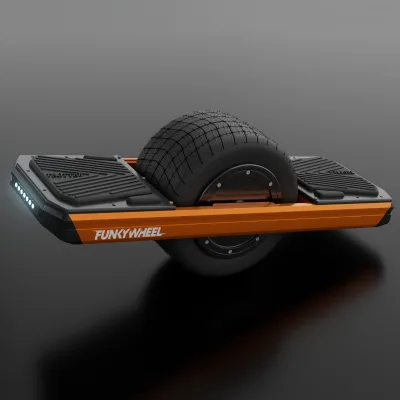
$329.74 - $431.76
MOQ: 20 Minimum
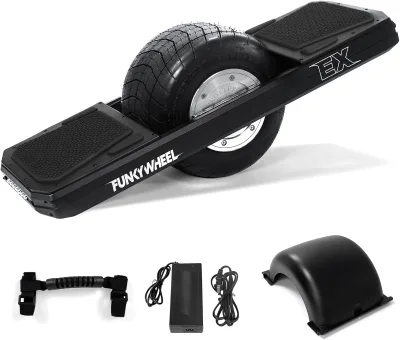
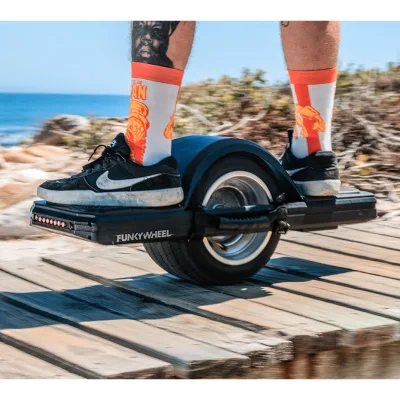
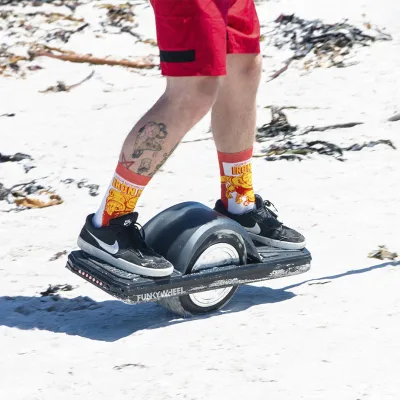
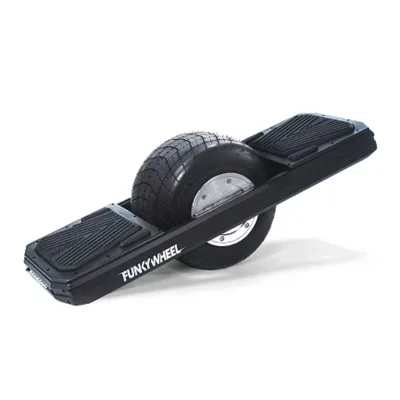
Super Large Load Single Wheel Electric Unicycle Max 120kg Bearing
$314.00 - $669.00
Hefei Erides Technology Co., Ltd.
- Trading Company
- Anhui, China
- Lead time0 days
- Avg. response≤ 4h
Main productsElectric Motorcycle, Electric Go Kart, Electric Scooter, Gas Motorcycle, Electric Unicycle
Main marketsWestern Europe(40.00%), North America(30.00%), South Asia(5.00%), Northern Europe(5.00%), Eastern Europe(5.00%), Domestic Market(5.00%), Southeast Asia(5.00%)
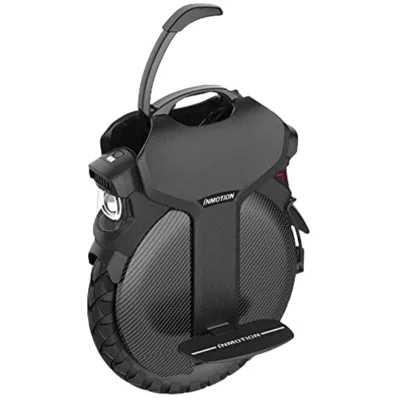
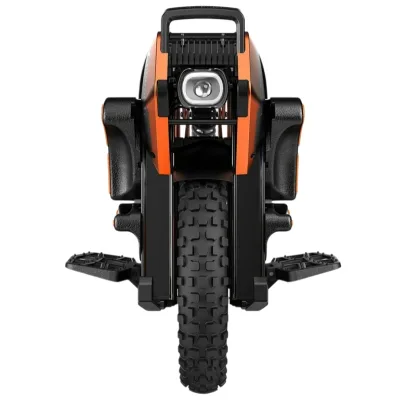
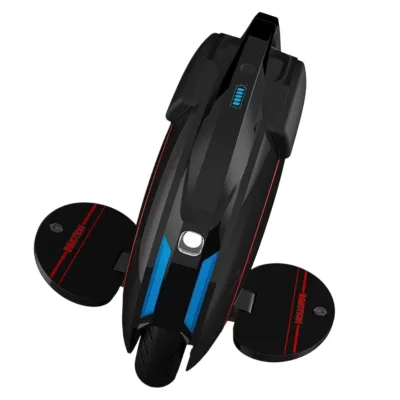
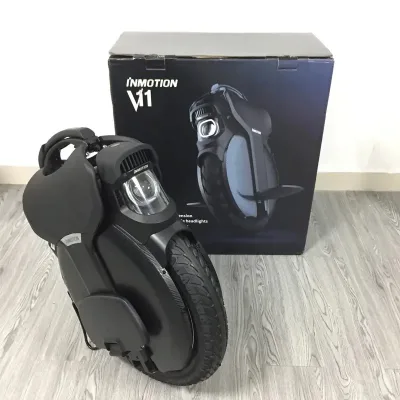
NMOTION V11 18inch Tire Electric Unicycle 50km/h 84V 2200W Smart Electric Unicycle
$1250.00 - $1320.00
MOQ: 1 units
Yongkang Kangshi Industry And Trade Co., Ltd.
- Verified by Intertek
- Trading Company
- Lead time15 days
- Avg. response≤ 10h
Main productsElectric Scooters
Main marketsMid East(75%), Southern Europe(9%), Western Europe(6%)
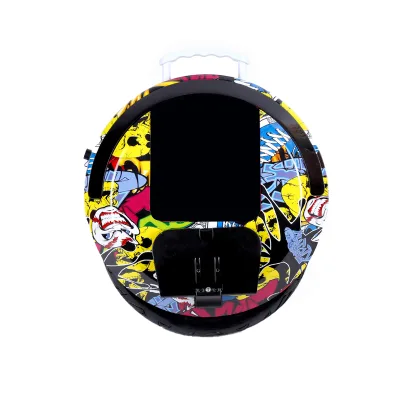
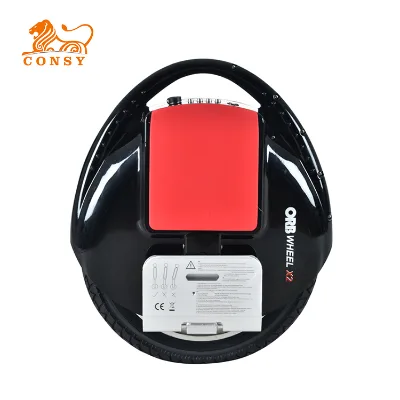
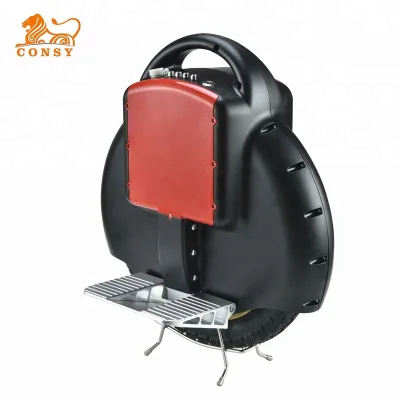
Factory Supplier 360Mm Wheel 350W 132Wh 59.2V One Wheel Electric Unicycle
$116.96 - $120.02
MOQ: 50 Minimum
$106.79 - $111.88
MOQ: 1 pieces
Yongkang Haokang Fitness Factory
- Manufacturer, Trading Company
- Zhejiang, China
- Lead time25 days
- Avg. response≤ 10h
Main productsUnicycle Bicycle,Unicycle bike,Unicycle,Balance bicycle,Balance bike
Main marketsOceania(20.00%), South America(20.00%), Africa(20.00%), Eastern Europe(10.00%), North America(10.00%), Southeast Asia(10.00%), Eastern Asia(8.00%), Mid East(2.00%)
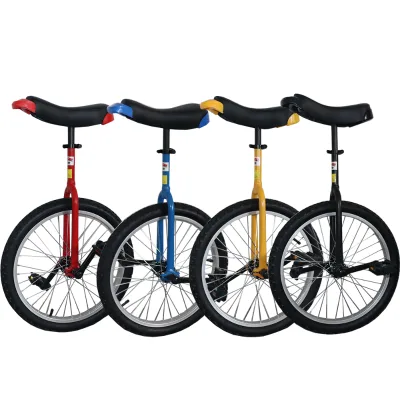
Factory Direct Sale Skateboard Outdoor Selfbalancing Electric Scooter Unicycle One Wheel Street Bike
$149.30 - $149.50
MOQ: 100
Anhui Starye Technology Co., Ltd.
- Verified by SGS Group
- Trading Company
- Lead time30 days
- Avg. response≤ 3h
Main productsElectric Two-wheeled Motorcycle, Balancing Scooter, Electric Scooter
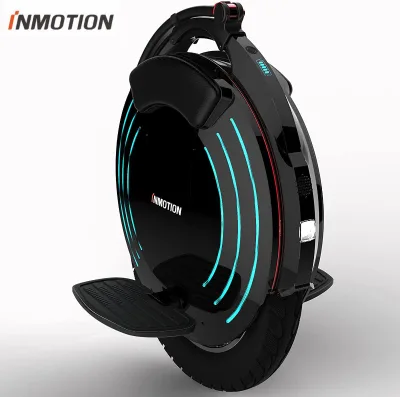
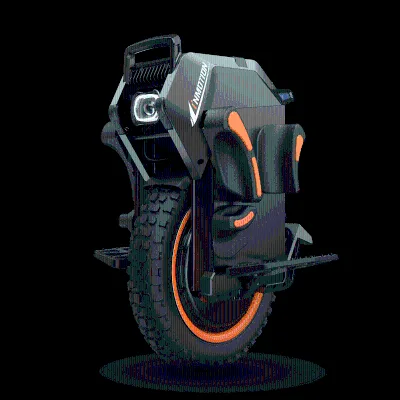
$978.93 - $1185.01
MOQ: 2 sets
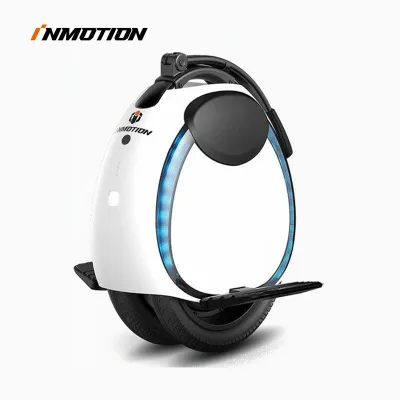
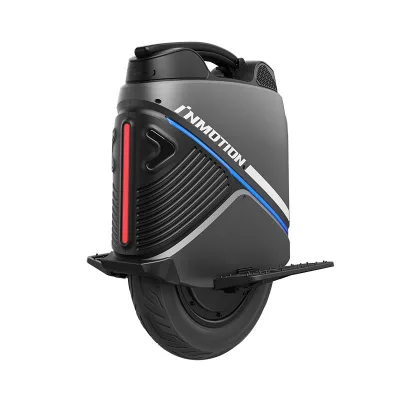
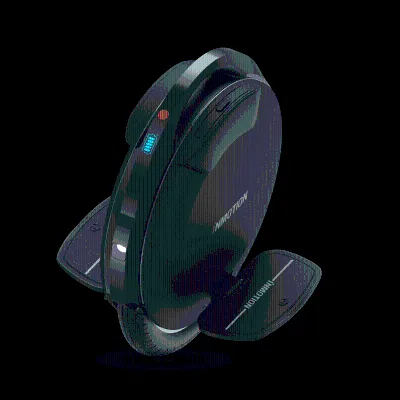
$1081.97 - $1174.71
MOQ: 2 sets
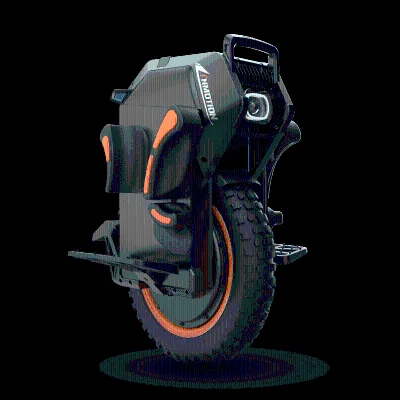
Anhui Wingo Technology Co., Ltd.
- Trading Company
- Anhui, China
- Lead time0 days
- Avg. response≤ 1h
Main productsElectric Motorcycle,Electric motorcycle spare parts,Electric Go Kart,Electric Scooter,Electric Unicycle
Main marketsNorth America(25.00%), Western Europe(15.00%), Southeast Asia(10.00%), Domestic Market(10.00%), Northern Europe(5.00%), Eastern Europe(5.00%), South America(5.00%), Eastern Asia(5.00%), Southern Europe(5.00%), Oceania(5.00%), Africa(5.00%), Mid East(3.00%), Central America(2.00%)
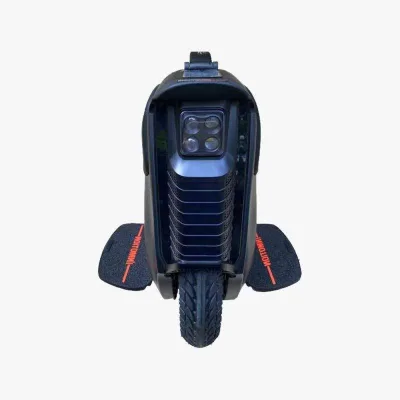
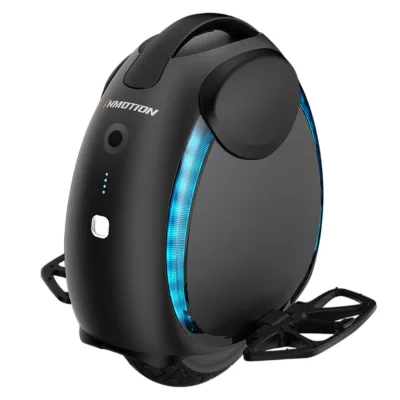
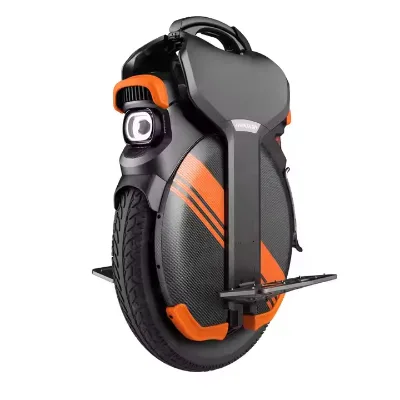
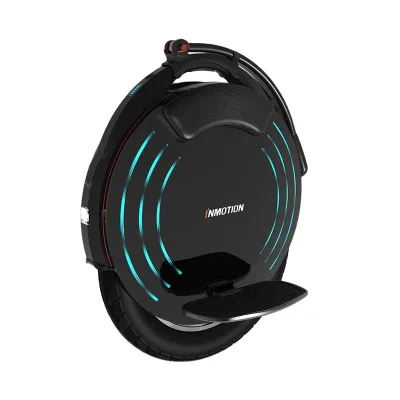
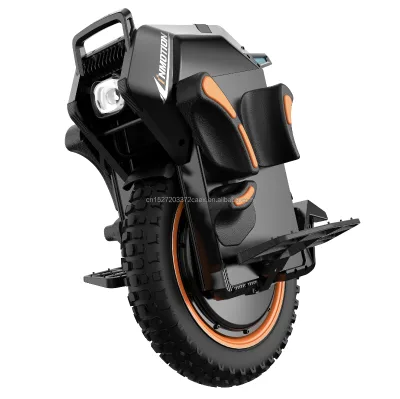
Urban Style Electric Unicycles Travel Tools Unique Design Inmotion V12 Electric Unicycles
$1837.49 - $1971.36
MOQ: 2 pieces
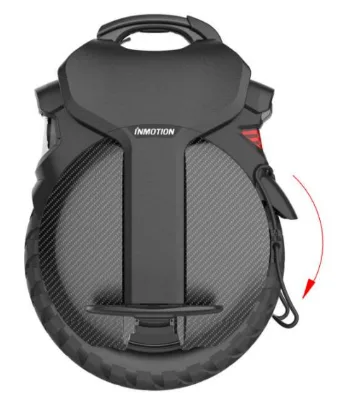
$1569.00 - $1639.00
MOQ: 10 pieces
$1700.24 - $1803.28
MOQ: 5 pieces

Hebei Wanhao New Materials Technology Co., LTD
- Verified by SGS
- Trading Company
- China Hebei
- Lead time15 days
- Avg. response≤ 4h
Main marketsDomestic

Guangzhou Yiso Ebike Co., Ltd.
- Trading Company,Manufacturer/Factory
- China Guangdong
- Lead time45 days
- Avg. response≤ 3h
Main productsE-Bike, Folding E-Bike, Mountain E-Bike, City E-Bike, Electric Bike, Mini E Bike, Electric Bike Parts, E-Bike Conversion Kits, Folidng E Bike, Electric Mountain Bike
Main marketsSouth America,Eastern Europe,Mid East,North America,Southeast Asia,Eastern Asia,Oceania,Western Europe,Africa


20 Inch Fat Tire Electric Folding Bike 48V 500W Pedal Assisted Folding E Bike
$360.00 - $399.00
MOQ: 10 piece

Linyi Waytop New Energy Co., Ltd.
- Verified by TUVRHEINLAND
- Trading Company
- China Shandong
- Lead time15 days
- Avg. response≤ 2h
Main productsElectric Bike
Main marketsSouth America

Adult Electric Bicycle with One-Piece Seat, LED Headlight and Rear Trunk
$160.00 - $180.00
MOQ: 2 Pieces

Good-Looking Adult Electric Bicycle with One-Piece Seat and Rear Trunk
$160.00 - $180.00
MOQ: 2 Pieces

Factory-Direct Adult Electric Bicycle with One-Piece Seat and Rear Trunk
$160.00 - $180.00
MOQ: 2 Pieces

Factory Direct Sale Adult Electric Bicycle with One-Piece Seat and Rear Trunk
$160.00 - $180.00
MOQ: 2 Pieces

Factory Direct Sale Adult Electric Bicycle with One-Piece Seat and Front Basket
$80.00 - $100.00
MOQ: 2 Pieces

Hefei Coolbike Electric Technology Co., Ltd
- Trading Company
- Anhui, China
- Lead time0 days
- Avg. response≤ 3h
Main productschopper scooter,sidecar scooter,golf scooter,electric scooters,ebikes
Main marketsNorth America(30.00%), Eastern Asia(10.00%), Northern Europe(10.00%), Central America(10.00%), Eastern Europe(10.00%), South America(10.00%), Southern Europe(5.00%), Domestic Market(5.00%), Western Europe(5.00%), Oceania(3.00%), Africa(2.00%)
Data Biotechnology (Hangzhou) Co., Ltd
- Manufacturer, Trading Company
- Zhejiang, China
- Lead time0 days
- Avg. response≤ 2h
Main productsBicycle,Electric bicycle,Bicycle accessories,Customized bicycle,electrocar
Main marketsNorth America(40.00%), Mid East(10.00%), Western Europe(10.00%), Eastern Europe(10.00%), South America(10.00%), Southern Europe(5.00%), Northern Europe(5.00%), Southeast Asia(5.00%), Eastern Asia(5.00%)
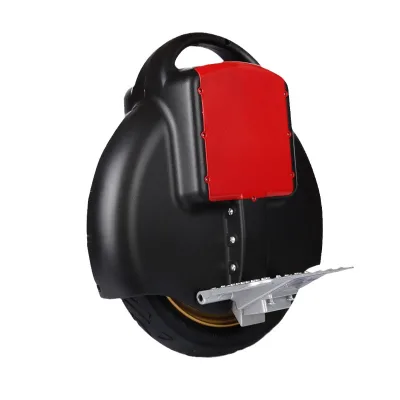
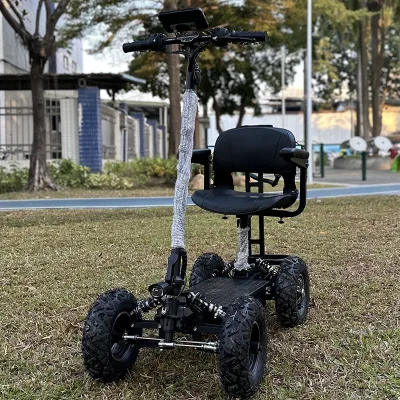
Factory Supplier 14inch Wheel 350W 60V One Wheel Electric Unicycle Scooter Unicycle
$112.19 - $127.48
MOQ: 2 pieces
Hebei Jushengda International Trade Co., Ltd.
- Verified by SGS
- Trading Company
- China Hebei
- Lead time30 days
- Avg. response≤ 1h
Main productsE-Bike, Kids Bike, Bike, Bicycle, Electric Bicycle
Main marketsDomestic

Wuxi Longxin Import and Export Co., Ltd.
- Verified by TUVRHEINLAND
- Trading Company
- China Jiangsu
- Lead time15 days
- Avg. response≤ 3h
Main productsElectric Motorcycle, E-Motorcycle, Lithium Electric Motorbike, Electric Motorbike, Street Legal E-Motorcycle, Electric Moped, Cargo Electric Bicycle, Adult Electric Motorcycle, Load Carrying Electric Bike
Main marketsNorth America


Single-Seat Electric Commuter Bike 48V/10ah 350W Two-Wheeled Urban E-Bike
$85.00 - $140.00
MOQ: 10 Pieces

Single-Seat 350W Electric Bike 48V/12ah Two-Wheeled Daily Commuter E-Bike
$85.00 - $140.00
MOQ: 10 Pieces

Henan Gexiaku Intelligent Technology Co., Ltd.
- Trading Company
- Henan, China
- Lead time15 days
- Avg. response≤ 10h
Main productsself balance scooter,electric scooter,go-kart,cycling,accessories
Main marketsDomestic Market(90.00%), North America(1.00%), South Asia(1.00%), Northern Europe(1.00%), Central America(1.00%), Western Europe(1.00%), Eastern Asia(1.00%), Mid East(1.00%), Oceania(1.00%), Africa(1.00%), Southeast Asia(1.00%), South America(1.00%)
Shenzhen Fuhongjin Trading Co., Ltd.
- Verified by SGS Group
- Trading Company
- Lead time15 days
- Avg. response≤ 3h
Main productsElectronic Bike, Electronic Scooter, Electronic unicycle/EUC, Go Karts
Main marketsWestern Europe(45%), Domestic Market(20%), North America(15%)

Qingdao Pusen Technology Co., Ltd.
- Verified by BV
- Manufacturer
- China Shandong
- Lead time15 days
- Avg. response≤ 9h
Main productsElectric Bike, Electric Motorcycle, Electric Tricycle, Folding Electric Bike, Electric Bicycle Accessories

Electric Bicycle with High-Strength Plastic Parts, Impact-Resistant, Long-Lasting
$236.00 - $242.00
MOQ: 1 Pieces

Hefei E-One New Energy Co., Ltd
- Trading Company
- Anhui, China
- Lead time0 days
- Avg. response≤ 7h
Main productsElectric Car/Charging Station,Electric Scooters/Self-balancing Electric Scooters,Electric Motorcycle,Go Karts/Electric Car,Electric Bike
Main marketsSoutheast Asia(30.00%), North America(20.00%)
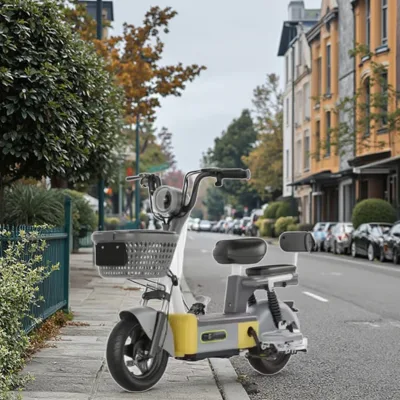
EU US Warehouse Electric Bicycle Paopao 14Inch Tyre With Basket and Stool 25KM/h
$150.24 - $157.44
MOQ: 1 pieces
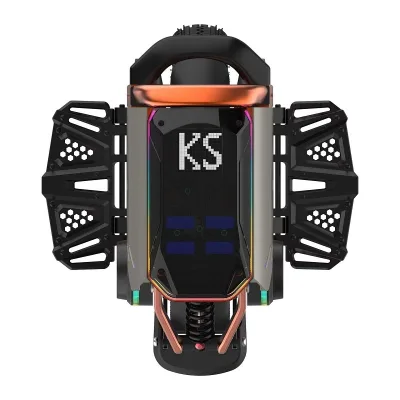
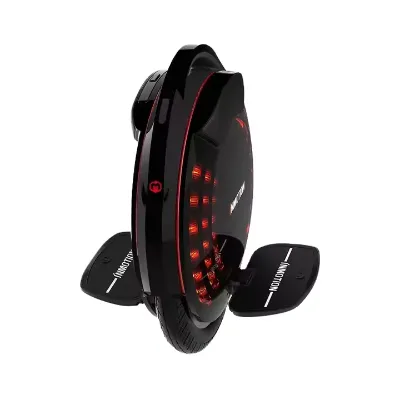
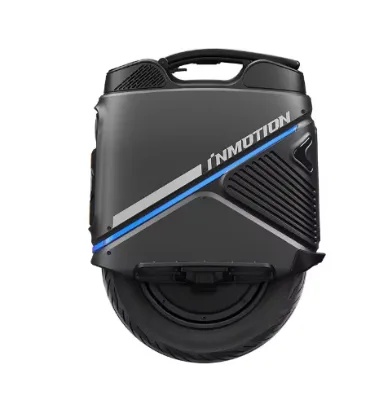
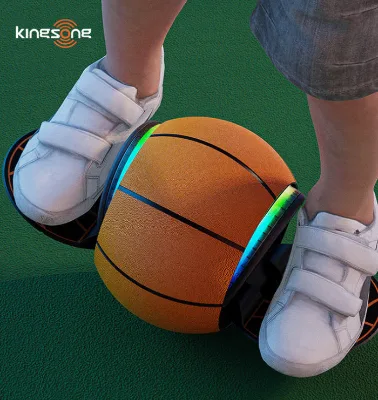
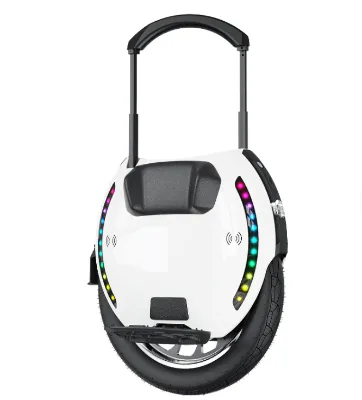
INMOTION V9 Electric Unicycle60km/h 1000w One Wheel Balance Scooter
$1100.00 - $1140.00
Shandong Kaiwande Electric Vehicle Co., Ltd.
- Verified by SGS
- Combined
- China Shandong
- Lead time15 days
- Avg. response≤ 1h
Main productsElectric Bike
Main marketsDomestic

Electric Bike with Load and One-Click Start Function with Nine-Pipe Controller
$145.00 - $198.00
MOQ: 50 Pieces


- Verified by SGS
- Manufacturer/Factory
- China Guangdong
- Lead time45 days
- Avg. response≤ 6h
Main productsGolf Cart, UTV, ATV, Motorcycle, Utility Vehicle, Electric Robot, Spare Parts
Main marketsSouth America,Eastern Europe,Mid East,North America,Southeast Asia,Eastern Asia,Oceania,Western Europe,Africa


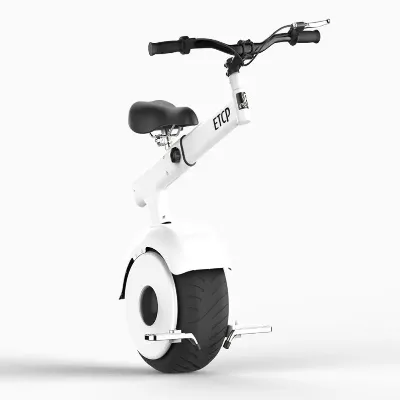
Unique All-Surface Dual Track Vehicle
MOQ: 3 unit

4kw Dual Tracked Vehicle Electric Scooter
MOQ: 5 unit




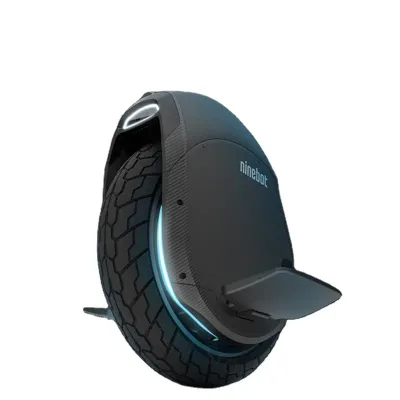
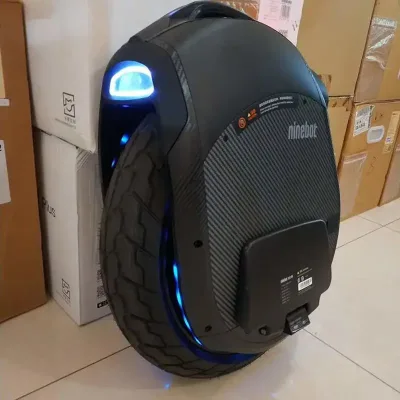
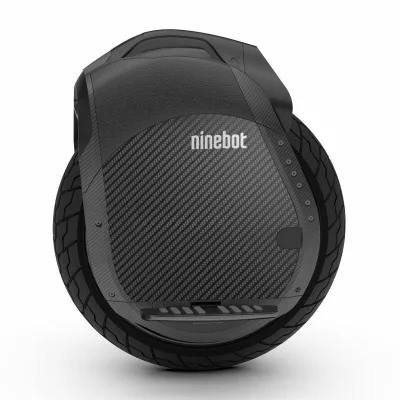
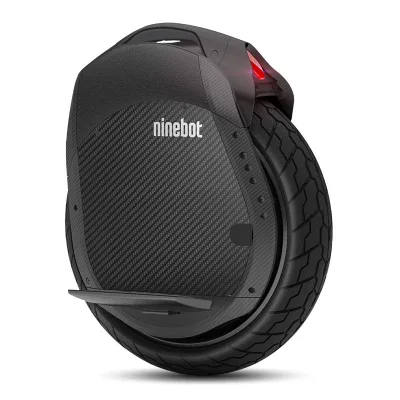
Comprehensive Sourcing Guide
Electric ABS Plastic Unicycle with Track Supplier Concentration and Factory Types
Current search results indicate a concentration of manufacturers in China, specifically within the Shandong province, where combined company types produce electric bicycles, tricycles, and scooters. While the specific product "Electric ABS Plastic Unicycle with Track" is not explicitly listed as a primary product in the provided facts, the region hosts suppliers with capabilities in electric two-wheeled and three-wheeled vehicles. Buyers should verify if these existing clusters can adapt their production lines for unicycle configurations, as the available data shows a focus on standard electric city bikes and scooters rather than specialized unicycles. The presence of combined company types suggests a mix of manufacturing and trading activities, which may influence the flexibility of custom orders for unique track-based unicycle designs.
In contrast, other regions like Zhejiang appear in the results with a focus on dirt bikes, ATVs, and pocket bikes, indicating a different manufacturing ecosystem. These suppliers often operate as trading companies and may have different supply chain networks compared to the Shandong-based manufacturers. When evaluating potential partners, buyers must distinguish between factories that produce the core electric components and trading companies that aggregate products from various sources. The absence of a specific "unicycle" label in the main product lists for the current results means buyers cannot assume a dedicated cluster exists for this niche. Instead, the buyer must identify if any of the listed suppliers have the specific ODM or OEM capacity to develop a track-compatible unicycle with ABS plastic shells, as this capability is not confirmed in the current dataset.
How to Verify Electric ABS Plastic Unicycle with Track Suppliers
Verification of supplier credentials is critical when sourcing specialized electric vehicles, as the current data shows varying levels of third-party validation. Some suppliers in the results hold TUVRHEINLAND verification, while others are verified by CTI, indicating different standards of quality assurance. Buyers should prioritize suppliers with these specific verification badges to ensure the company has undergone rigorous external audits. However, the system certification for some entities is listed as NIL, which requires immediate clarification. A buyer must request proof of ISO or CE certifications directly, as product attributes in the results show these standards for electric bikes, but the corporate system certification status varies significantly across the supplier pool.
Response time and lead time are also key indicators of supplier reliability and operational efficiency. The observed response times range from approximately 2.77 to 4.68 hours, suggesting that some suppliers are more responsive than others. A faster response time often correlates with better communication channels, which is essential for discussing complex specifications like ABS plastic shell integration and track compatibility. Additionally, lead times vary, with some suppliers offering 15-day production windows while others require 30 days. Buyers should verify if these lead times apply to standard models or if custom unicycle development will extend the timeline. Confirming the actual production capacity and the ability to meet specific deadlines is necessary before committing to an order, especially when dealing with non-standard vehicle configurations.
What to Compare Across Electric ABS Plastic Unicycle with Track Suppliers
When comparing suppliers, buyers should focus on the specific product attributes and commercial terms that directly impact the feasibility of the project. The available data reveals a wide range of specifications, including battery voltages from 48V to 60V, motor wattages between 251W and 500W, and frame materials ranging from steel to aluminum alloy. For a unicycle with a track, the frame material and motor power are particularly relevant, as they determine the structural integrity and performance under load. Buyers must compare these technical details against their specific requirements, noting that some suppliers offer customization while others may have fixed specifications. The presence of ABS shells in some product lines suggests that plastic integration is possible, but the exact application to a unicycle frame needs confirmation.
Minimum Order Quantity (MOQ) and pricing structures are equally important factors in the comparison process. The results show MOQs ranging from 20 units to 300 units, with prices varying from $75 to $182 per unit depending on the model and specifications. A supplier with a low MOQ of 20 units might be more suitable for a pilot run or a custom prototype order, whereas a supplier requiring 300 units may be better for mass production. Buyers should also consider the price range relative to the included features, such as battery type, motor controller, and braking systems. It is essential to request detailed quotes that break down costs for customizations, as the base prices may not reflect the additional engineering required for a track-compatible unicycle design.
Common Electric ABS Plastic Unicycle with Track Sourcing Risks
One significant risk involves the discrepancy between advertised product categories and actual manufacturing capabilities. The current results list main products like electric bicycles, scooters, and dirt bikes, but do not explicitly confirm the production of unicycles. This gap creates a risk that a supplier may lack the specific tooling or expertise to manufacture a unicycle with a track. Buyers must verify if the supplier has successfully produced similar unique configurations in the past. Relying solely on the general category of "electric vehicle" without confirming specific unicycle experience could lead to production delays or substandard products that do not meet safety or performance standards.
Another risk relates to certification and compliance, particularly regarding the ABS plastic shell and electrical components. While some product attributes list ISO and CE certifications, the system certification for the company itself may be listed as NIL. This inconsistency raises questions about the overall quality management system and the validity of the product certifications. Buyers should demand full documentation for the specific unicycle model, including test reports for the ABS material and electrical safety. Without verified certifications, there is a risk of non-compliance with international safety standards, which could result in customs delays, product recalls, or legal liabilities in the target market.
Electric ABS Plastic Unicycle with Track Regional Sourcing and Logistics
Geographic location plays a crucial role in determining logistics costs and lead times for sourcing electric vehicles. The results indicate that suppliers are primarily located in China, with specific clusters in Shandong and Zhejiang provinces. Shandong-based suppliers often have established logistics networks for heavy machinery and vehicles, which could be beneficial for shipping larger unicycle units. However, the distance from the factory to the port and the specific shipping routes must be evaluated to estimate accurate freight costs. Buyers should also consider the impact of regional infrastructure on the ability to handle specialized packaging, such as the carton packing mentioned in the results, to ensure the ABS plastic components arrive without damage.
Logistics planning must also account for the variability in lead times and the potential for delays in different regions. Suppliers in Zhejiang may have different shipping schedules compared to those in Shandong, affecting the overall timeline from order placement to delivery. Buyers should verify the specific port of loading and the estimated transit time to their destination. Additionally, the packaging standards, such as standard carton packing or carton boxes, must be sufficient to protect the unicycle during long-distance transit. Understanding the regional logistics capabilities helps in planning inventory levels and managing customer expectations regarding delivery dates, ensuring a smoother supply chain operation.
Electric ABS Plastic Unicycle with Track Commercial Terms and Order Planning
Commercial terms, including payment methods and escrow services, are vital for securing a safe transaction when sourcing specialized electric vehicles. While the current data does not explicitly detail escrow availability for every supplier, buyers should prioritize platforms or suppliers that offer secure payment protection. This is particularly important when dealing with custom orders that require significant upfront investment in tooling or design. Buyers must clarify the payment schedule, such as deposit percentages and balance due upon shipment, to manage cash flow effectively. Ensuring that the supplier agrees to these terms before production begins helps mitigate the risk of financial loss if the project encounters unforeseen issues.
Order planning requires a clear understanding of the production timeline and the flexibility of the supplier to accommodate changes. With lead times ranging from 15 to 30 days, buyers should factor in additional time for quality inspections and potential rework. It is essential to establish a detailed project plan that includes milestones for design approval, sample production, and final shipment. Buyers should also discuss the supplier's capacity to handle rush orders or changes in specifications, as the ability to adapt is crucial for custom projects. By carefully planning the order timeline and maintaining open communication, buyers can ensure a successful procurement process for their Electric ABS Plastic Unicycle with Track requirements.
FAQs
What is the price range for electric ABS plastic unicycles?
Electric ABS plastic unicycles are available at various price points depending on specifications. Prices observed range from approximately $75 to $182 per unit. The final cost depends on battery type, motor wattage, and frame material selected by the buyer.
What is the minimum order quantity for these electric bikes?
The minimum order quantity varies significantly among suppliers. Some manufacturers require a minimum of 20 units, while others set the threshold at 80 or even 300 units. Buyers should check specific product listings to confirm the exact MOQ for their chosen model.
How long does production take for electric ABS unicycles?
Production lead times typically range from 15 to 30 days. Suppliers in China Shandong often report a lead time of 15 days, while those in China Zhejiang may require up to 30 days. This timeframe covers manufacturing and standard packaging preparation.
Are these electric vehicles certified for international markets?
Yes, many electric ABS plastic unicycles carry ISO and CE certifications. These certifications indicate compliance with specific safety and quality standards. Buyers should verify the exact certification documents provided by the supplier to ensure they meet the regulatory requirements of their destination country.
What battery options are available for electric ABS unicycles?
Suppliers offer various battery options including 48V and 60V configurations. Battery types range from lead acid and storage batteries to lithium batteries. The choice affects the vehicle's range, speed, and overall weight, so buyers should select based on their specific performance needs.
Can I customize the electric ABS plastic unicycle design?
Customization is available for many electric ABS plastic unicycles. Suppliers offer OEM and ODM services, allowing for changes in frame material, color, and battery specifications. Buyers should contact suppliers directly to discuss specific customization requirements and any associated costs or minimum order implications.