Source Eco Friendly EVA Building Blocks for Preschool, DIY, and Learning
Find 30 Eco Friendly EVA Building Blocks from Chinese manufacturers. Compare models like HX8301O and HX8301A, featuring EN71 and CE certifications, EVA material, and customizable packaging for educational and toddler play applications; compare the available evidence and request quotations based on your requirements.
Updated
Key considerations
Products List
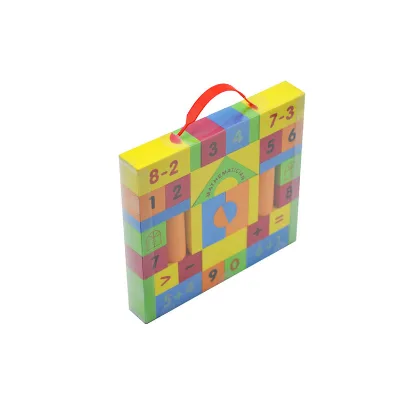
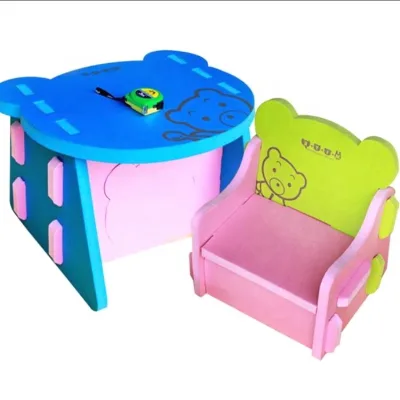
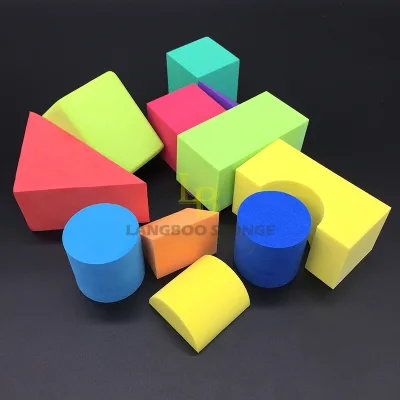
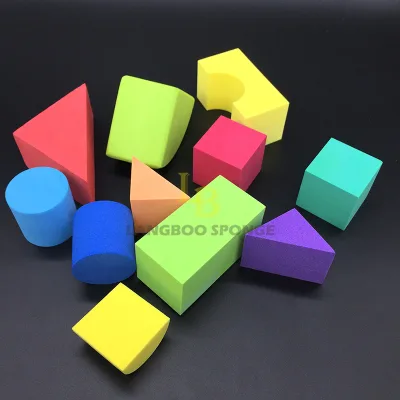
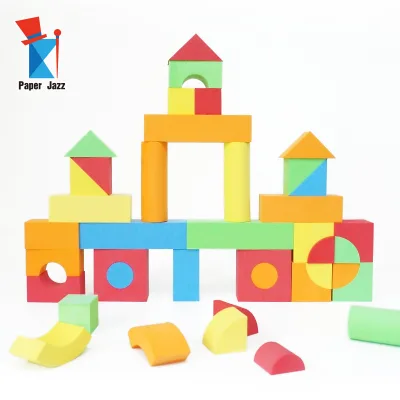
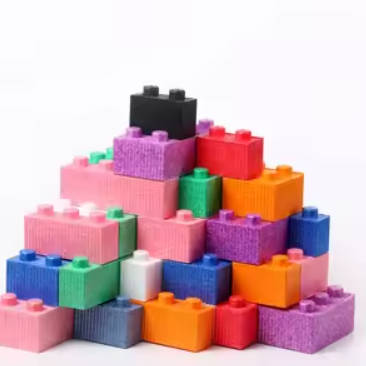
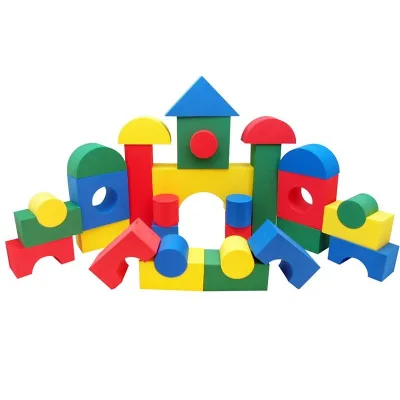
Eco-friendly Eva Letter Alphabet & Eva Number EVA Foam Building Blocks Set .
$1.0263 - $1.3823
MOQ: 200 sets




Comprehensive Sourcing Guide
Eco Friendly EVA Building Blocks Sourcing Guide
Procuring EVA foam building blocks requires a nuanced understanding of material properties and manufacturing origins, as the market presents a diverse array of options ranging from simple educational tools to complex modular systems. Buyers must navigate a wide price spectrum, with observed listings ranging from $0.14 to $467.69, reflecting significant variations in piece count, packaging quality, and brand positioning. This disparity necessitates a rigorous evaluation of value propositions rather than relying solely on unit cost, ensuring that the selected product aligns with specific pedagogical goals and durability expectations.
The supply chain for these items is predominantly centered in China, with notable manufacturing hubs in Hunan and Wenzhou provinces. Sourcing from these regions offers access to specialized EVA foam producers who can offer customization and bulk pricing advantages. However, buyers must carefully verify the specific origin of each model to ensure consistency in quality control and to manage logistics effectively, as lead times and shipping costs can vary significantly between different provincial suppliers and their respective export capabilities.
Product Scope and Observed Listing Signals
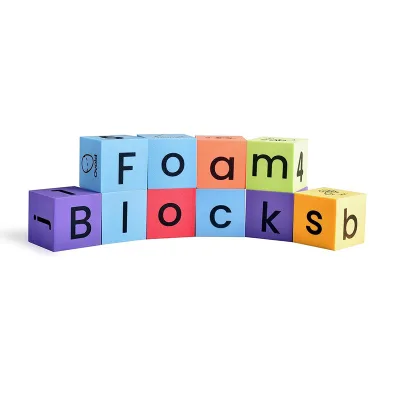
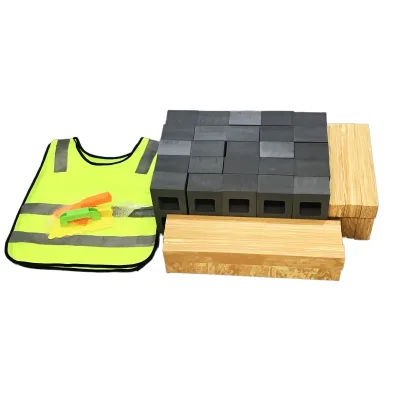
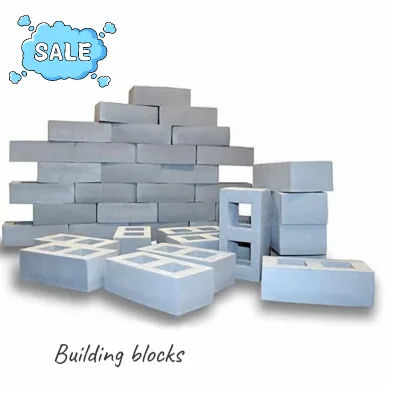
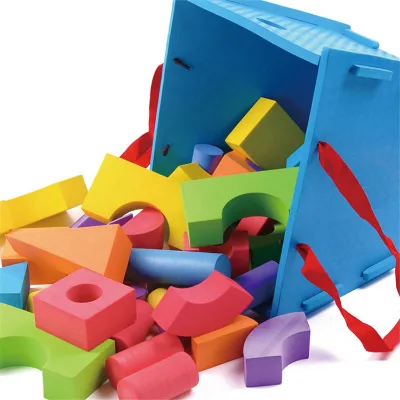
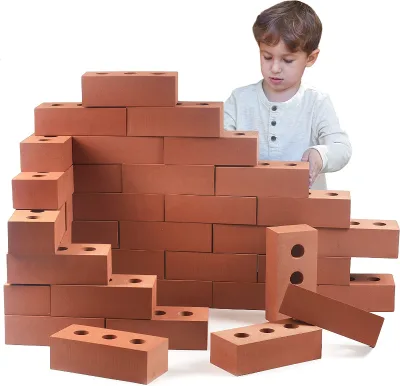
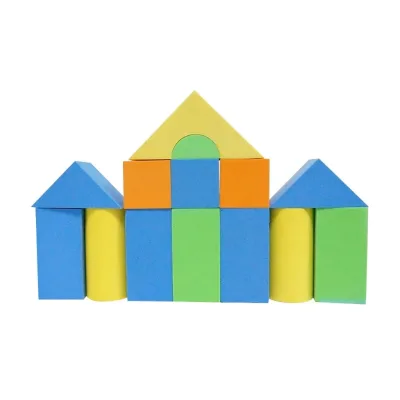
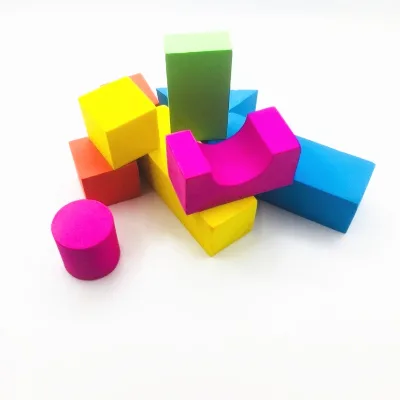
The product scope encompasses a variety of EVA foam block sets designed primarily for toddlers and preschoolers aged three to eight years. These items are marketed as educational toys that facilitate learning through play, emphasizing features such as being lightweight, durable, and non-toxic. The observed listings highlight specific model numbers like HX8301O, HX8301A, and HX8301K, each associated with distinct piece counts ranging from 46 to 160 pieces per set. This variety allows buyers to select products that match specific classroom sizes or home usage scenarios, ensuring appropriate complexity and volume for the target age group.
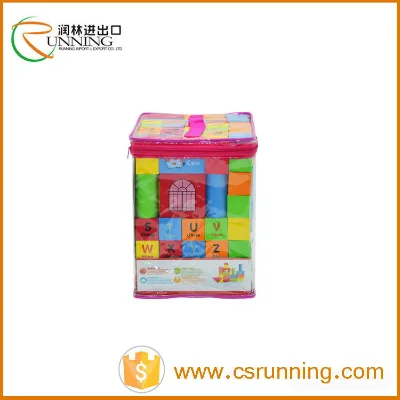
Packaging solutions vary considerably across different suppliers, influencing both retail appeal and shipping efficiency. Common packaging formats include PVC carry cases, display boxes, and PVC tote bags, with some suppliers offering carton packaging for bulk shipments. The single package sizes observed range from compact dimensions like 24.4x23x3.7 cm to larger cartons measuring up to 72x32x24 cm. Buyers should evaluate these packaging options not only for their protective qualities but also for their impact on storage space and shelf presentation, as the visual appeal of the packaging can significantly influence purchasing decisions in retail environments.
Technical Specifications to Verify
Technical verification begins with the physical dimensions and thickness of the foam blocks, which are critical for safety and usability. Observed specifications indicate thicknesses ranging from 4 cm to 10 cm, with some sets offering mixed sizes such as 5 cm, 7 cm, and 8 cm blocks. These variations affect the structural integrity of built structures and the ease with which young children can manipulate the pieces. Buyers must confirm that the thickness aligns with safety standards for small parts, ensuring that the blocks are large enough to prevent choking hazards while remaining manageable for small hands.
Material composition is another vital technical aspect, with EVA (Ethylene-Vinyl Acetate) being the primary material used across the observed listings. This material is chosen for its softness, flexibility, and resistance to tearing, making it ideal for educational environments. Buyers should verify the specific grade of EVA used, ensuring it meets the required density and elasticity standards. Additionally, the color consistency and print quality on the blocks should be assessed, as vibrant and durable coloring enhances the educational value and aesthetic appeal of the toys, supporting better engagement during play and learning activities.
Compliance and Safety Documentation
Safety compliance is paramount when sourcing toys for young children, and buyers must ensure that all products meet relevant international standards. The observed listings mention certifications such as EN71-2, EN71, and CE, which are critical for market access in Europe and other regions. EN71-2 specifically addresses flammability, while the broader EN71 standard covers mechanical and physical properties, as well as chemical safety. Buyers should request valid test reports from accredited laboratories to verify that these certifications are current and applicable to the specific models being purchased, avoiding any risk of non-compliance at customs or in retail markets.
In addition to formal certifications, buyers should inquire about the non-toxic nature of the materials used in the EVA foam. The product descriptions highlight that the blocks are non-toxic and non-recycled, which are important selling points for health-conscious consumers. However, buyers must verify these claims through material safety data sheets (MSDS) or third-party testing results. Ensuring that the foam does not contain harmful chemicals such as phthalates or heavy metals is essential for protecting children’s health and maintaining brand reputation in a competitive market where safety is a primary concern for parents and educators.
Cost Drivers and Commercial Terms
Cost drivers for EVA building blocks include the number of pieces per set, the quality of the EVA material, and the complexity of the packaging. Listings show a minimum order quantity (MOQ) ranging from 1 to 1000 sets, with some suppliers requiring a minimum of 200 sets. Higher MOQs often result in lower unit prices, but buyers must balance this with their inventory capacity and cash flow constraints. The observed price range of $0.14 to $467.69 reflects these variables, with higher prices typically associated with larger sets, premium packaging, or branded products with additional educational features.
Commercial terms also play a significant role in the total cost of ownership. Standard payment terms observed include a 30% deposit and the balance against a copy of the bill of lading (B/L). This structure helps mitigate risk for both buyers and suppliers but requires careful financial planning. Buyers should also consider the warranty terms, with some suppliers offering a one-year warranty, which can provide additional assurance of product quality. Understanding these financial terms and warranty conditions is crucial for negotiating favorable deals and ensuring long-term profitability in the toy distribution business.
Supplier Qualification and Quality Control
Supplier qualification involves assessing the manufacturer’s production capabilities, quality control processes, and reputation in the market. Buyers should verify the supplier’s location, with notable origins in Hunan and Wenzhou, China, and check their business licenses and export history. Suppliers offering customization options may provide greater flexibility in meeting specific market demands, but buyers must ensure that the customization process does not compromise the quality or safety of the products. Requesting samples before placing bulk orders is essential to evaluate the actual product quality, including the texture, color, and durability of the EVA foam blocks.
Quality control measures should be clearly defined in the purchase agreement, including inspection protocols and acceptance criteria. Buyers should specify the acceptable defect rate and the procedures for handling non-conforming goods. Given the variability in packaging and product specifications, it is important to establish clear standards for each model number, such as HX8301O or HX8301A, to ensure consistency across orders. Implementing pre-shipment inspections can help identify potential issues early, reducing the risk of receiving defective products and minimizing the impact on customer satisfaction and brand integrity.
Long-Term Procurement Checks
Long-term procurement success depends on establishing strong relationships with reliable suppliers and continuously monitoring market trends. Buyers should regularly review supplier performance metrics, including on-time delivery rates, product quality consistency, and responsiveness to issues. Building a diversified supplier base can mitigate risks associated with supply chain disruptions, ensuring a steady flow of inventory even if one supplier faces production challenges. Additionally, staying informed about changes in safety regulations and consumer preferences is crucial for adapting product offerings and maintaining competitiveness in the evolving toy market.
Continuous improvement in product design and packaging is also essential for long-term success. Buyers should provide feedback to suppliers based on customer reviews and market observations, encouraging innovations that enhance the educational value and durability of the EVA building blocks. Monitoring the performance of different models, such as those with varying piece counts and thicknesses, can help identify best-selling items and inform future purchasing decisions. By maintaining a proactive approach to supplier management and product development, buyers can ensure sustained growth and profitability in the eco-friendly toy segment.
FAQs
What materials are used for these educational blocks?
The blocks are crafted from soft EVA foam, ensuring they are lightweight, durable, and non-toxic for safe play. This material choice supports easy handling for toddlers and preschoolers aged 3 to 8 years. The foam construction allows for creative DIY assembly while maintaining structural integrity during active learning sessions.
What certifications do the blocks hold?
The products hold EN71-2, EN71, and CE certifications, verifying compliance with strict safety standards for children's toys. These credentials ensure the materials are safe for young users. Buyers can rely on these documented standards when sourcing for markets requiring rigorous toy safety verification and regulatory adherence.
What is the minimum order quantity for these blocks?
The minimum order quantity is 200 sets, providing a manageable entry point for bulk procurement. This MOQ supports both small retailers and larger distributors seeking to stock educational toys. Buyers should confirm specific model requirements, as quantities may vary slightly depending on the selected set size and packaging configuration.
How are the blocks packaged for shipping?
Packaging options include PVC carry cases, display boxes, and PVC tote bags for retail presentation. Bulk shipping utilizes cartons with dimensions such as 72x32x24cm or 52x24x24cm. These varied packaging solutions protect the blocks during transit while offering flexible display options for different retail environments and distribution channels.
Can these blocks be customized for branding?
Customization is available for buyers seeking branded educational products. Suppliers offer tailored solutions to meet specific branding or design requirements. This flexibility allows businesses to create unique offerings while leveraging the durable, non-toxic EVA foam material. Buyers should contact suppliers directly to discuss specific customization parameters and feasibility.
What payment terms are required for orders?
Standard payment terms require a 30% deposit with the balance paid against a copy of the Bill of Lading. This structure secures the order while protecting the buyer until shipment documentation is provided. Buyers should arrange financing accordingly to align with these standard B2B transaction protocols for international trade.