Source Multicolored Magnetic Rod Building Toys for Home, School, and Kindergarten
Find 30 Multicolored Magnetic Rod Building Toys from Chinese manufacturers. Compare ABS plastic models with rod-ball sets, varying piece counts, and CE/ASTM certifications for educational DIY projects in homes, schools, and kindergartens; compare the available evidence and request quotations based on your requirements.
Updated
Key considerations
Products List





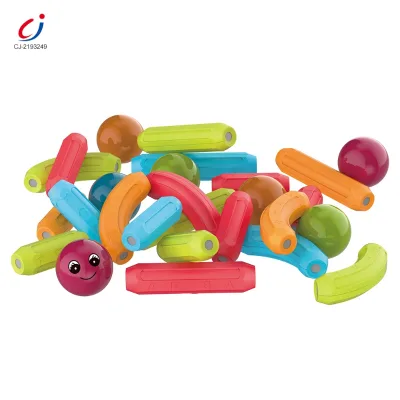
Kids Magnetic Toys Magnet Balls Magnetic Building Set Toy Magnetic Balls and Sticks
$1.00 - $10.00
MOQ: 1000 Pieces
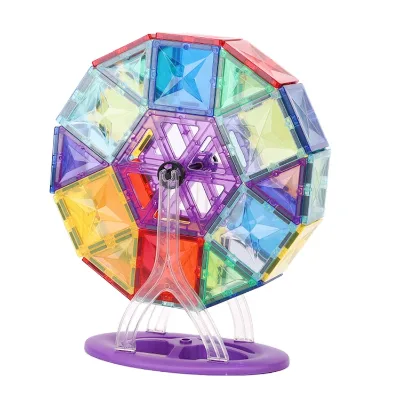
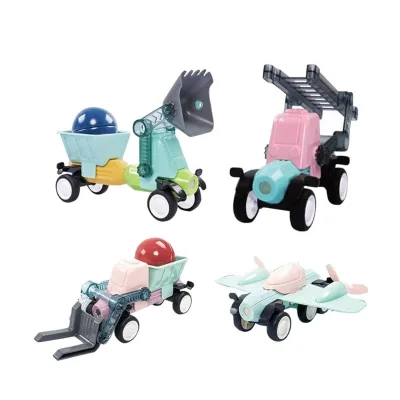
Creative 3D DIY Puzzles Magnetic Block Building Toys for Kids and Adults
$0.1025 - $0.3082
MOQ: 1 pieces

Comprehensive Sourcing Guide
Multicolored Magnetic Rod Building Toys Sourcing Guide
Sourcing Multicolored Magnetic Rod Building Toys requires a careful balance of aesthetic appeal, structural integrity, and strict adherence to international safety standards. These educational products are designed to enhance spatial reasoning and fine motor skills in children aged three and above, making them a popular choice for both retail and institutional buyers. The market offers a variety of configurations, from standard rod-and-ball sets to more complex multifunctional blocks, allowing buyers to tailor their inventory to specific age groups and educational goals.
Buyers must prioritize suppliers who demonstrate transparency in material composition and manufacturing processes. The primary materials observed in current listings include ABS plastic and magnetic components, which provide durability and safe handling. With customization options available, procurement teams can request specific color palettes, piece counts, or packaging designs to align with brand identity. Understanding the technical specifications and compliance requirements is essential to ensure that the final product meets the regulatory expectations of target markets such as the European Union, the United States, and China.
Product Scope and Observed Listing Signals
The current market landscape for magnetic building toys features a diverse range of product models, including ZB-218, BM-413206, BP-562905, and PB-482907, among others. These items are typically categorized as educational toys or multifunctional building blocks, with piece counts varying significantly from 32 to over 158 pieces per set. The visual presentation often emphasizes multicolor or transparent dopamine-colored designs, which are highly attractive to young consumers. Buyers should note that while many listings highlight customization capabilities, the specific aesthetic and functional details must be verified through direct supplier communication to ensure alignment with procurement requirements.
Packaging solutions vary widely, ranging from simple paper boxes to more elaborate plastic boxes with four-color printing or inner carton configurations. Standard dimensions for packaging have been observed, such as 292116.5CM and 38.7526.565.14cm, which impact logistics planning and shelf space allocation. The origin of these products is predominantly Zhejiang, China, a hub for toy manufacturing that offers competitive pricing and extensive supply chain infrastructure. Procurement teams should evaluate the packaging quality closely, as it serves as the first point of contact for consumers and plays a crucial role in protecting the magnetic components during transit.
Technical Specifications to Verify
When evaluating technical specifications, the magnetic strength of the components is a critical factor that influences the stability and playability of the structures. Listings indicate a range from medium to high magnetic strength, which directly affects how easily children can connect rods and balls without frustration. The material composition is primarily ABS plastic, known for its toughness and resistance to impact, ensuring that the toys can withstand rigorous play. Buyers must verify the exact magnetic properties and plastic grades to ensure they meet the durability expectations for their target demographic, particularly for younger children who may handle the toys more roughly.
Piece count and configuration are other vital technical details that define the value proposition of each product. Standard configurations include 42-piece sets, 66-piece sets, and customizable quantities such as 100 pieces, allowing for flexible pricing tiers. The block type is consistently described as a magnetic rod-ball set, which offers versatile building possibilities compared to traditional geometric blocks. Procurement teams should request detailed diagrams or videos to understand the connectivity mechanisms and ensure that the magnetic alignment is precise, preventing gaps or weak points in the constructed models that could lead to breakage or safety hazards.
Compliance and Safety Documentation
Safety compliance is non-negotiable for magnetic building toys, given the potential risks associated with small parts and magnetic components. Suppliers must provide valid certification documents, with CE, EN71, and ASTM F963 being common standards referenced in the market. These certifications indicate that the products have undergone rigorous testing for mechanical, physical, and chemical safety, ensuring they are suitable for children aged three and above. Buyers should verify the authenticity of these certificates and ensure they cover the specific product models being procured, as certifications are often model-specific and may not apply to the entire product line.
In addition to international standards, regional compliance requirements such as the CPC (Children’s Product Certificate) and CCC (China Compulsory Certification) are essential for market access. These documents confirm that the toys meet the legal safety requirements for sale in their respective jurisdictions. Procurement teams must ensure that the supplier provides up-to-date test reports from accredited laboratories, covering aspects like lead content, phthalates, and small part choking hazards. Failure to obtain proper documentation can result in customs delays, product recalls, or legal liabilities, making thorough verification of compliance status a critical step in the sourcing process.
Cost Drivers and Commercial Terms
The cost of multicolored magnetic building toys is influenced by several factors, including material quality, piece count, and packaging complexity. ABS plastic and high-strength magnets contribute to the base cost, while customization options such as specific color schemes or branded packaging can increase production expenses. Observed price ranges in the market vary significantly, reflecting differences in quality and supplier positioning. Buyers should request detailed quotations that break down costs by component, packaging, and logistics to understand the true value proposition and avoid hidden fees that may arise during the production process.
Minimum Order Quantities (MOQs) and lead times are key commercial terms that affect inventory management and cash flow. MOQs typically range from 1 to 1000 pieces, offering flexibility for both small retailers and large distributors. Lead times can vary based on the complexity of the order and the supplier’s production capacity, with customized orders requiring additional time for design approval and mold preparation. Procurement teams should negotiate clear terms regarding payment schedules, shipping responsibilities, and penalties for delays to mitigate risks and ensure a smooth supply chain operation.
Supplier Qualification and Quality Control
Selecting a reliable supplier involves assessing their manufacturing capabilities, quality control processes, and track record in the toy industry. Buyers should prioritize suppliers who have established quality assurance systems, including in-process inspections and final random inspections before shipment. The origin of the products, often Zhejiang, China, indicates a concentration of experienced manufacturers who understand international standards and customer expectations. Due diligence should include verifying the supplier’s business license, production facilities, and past performance with similar clients to ensure they can consistently deliver high-quality products.
Quality control measures should be explicitly defined in the purchase agreement, covering aspects such as magnetic strength consistency, plastic finish, and packaging integrity. Buyers may consider hiring third-party inspection agencies to conduct pre-shipment inspections, ensuring that the products meet the agreed-upon specifications and quality standards. This step is crucial for identifying and rectifying any defects before the goods leave the factory, reducing the risk of customer complaints and returns. Establishing a strong relationship with the supplier through clear communication and mutual trust can also facilitate smoother problem resolution and continuous improvement in product quality.
Long-Term Procurement Checks
Long-term procurement success depends on continuous monitoring of supplier performance and market trends. Buyers should regularly review supplier metrics, including on-time delivery rates, defect rates, and responsiveness to issues, to ensure they remain reliable partners. The toy market is dynamic, with changing consumer preferences and regulatory updates requiring ongoing adaptation. Procurement teams should stay informed about new safety standards and design innovations to keep their product offerings competitive and relevant. Building a diversified supplier base can also mitigate risks associated with single-source dependencies and supply chain disruptions.
Feedback from end-users and retail partners is invaluable for refining product specifications and improving future orders. Buyers should establish channels for collecting and analyzing customer feedback to identify areas for improvement in design, functionality, or packaging. This iterative process helps in optimizing the product mix and enhancing customer satisfaction over time. Additionally, maintaining open communication with suppliers regarding market insights and future requirements can foster collaboration and innovation, leading to mutually beneficial outcomes and sustained growth in the multicolored magnetic building toys segment.
FAQs
What certifications do these magnetic building toys have?
These toys hold CE, En71, and ASTM F963 certifications. Some listings also include CPC and CCC marks. These standards ensure safety for children aged three and above. Buyers should verify specific model requirements for their target market to ensure full compliance with local regulations.
Can I customize the packaging for these blocks?
Yes, customization is available for these magnetic building blocks. Options include paper boxes, plastic boxes, or standard cartons. Some models offer inner boxes with outer cartons. Buyers can specify quantities like 32, 48, or 100 pieces per set to meet their distribution needs.
What is the typical MOQ for these toys?
The minimum order quantity ranges from 1 to 1000 pieces. This flexibility supports both small trial orders and larger bulk purchases. Buyers can select from various piece counts, such as 42 or 66 pieces, depending on the specific model and packaging configuration chosen for their order.
Where are these magnetic toys manufactured?
These toys are manufactured in Zhejiang, China. The production location ensures access to established supply chains for ABS plastic and magnetic components. Buyers sourcing from this region benefit from competitive pricing and efficient logistics for global distribution of educational building block sets.
What materials are used in these building sets?
The sets primarily use ABS plastic for durability and safety. Magnetic components provide medium to high strength for stable construction. The blocks are multicolored and designed for educational DIY play. This combination ensures safe handling for children while allowing for complex structural building projects.
Which age group is suitable for these toys?
These toys are suitable for children aged three and above. Specific models target the 3-7 years age range. The design supports educational development and unisex play. The magnetic rod and ball sets encourage creativity and fine motor skill development in young learners.