Source ABS Plastic CCTV Camera Mount for Parking Lots, Highways, and Gardens
Find 30 verified options for ABS Plastic CCTV Camera Mount designed for outdoor security in parking lots, highways, and gardens. Buyers can compare specifications like IP ratings, mounting types, and material durability to select the right solution for their surveillance needs.
Key considerations
Products List

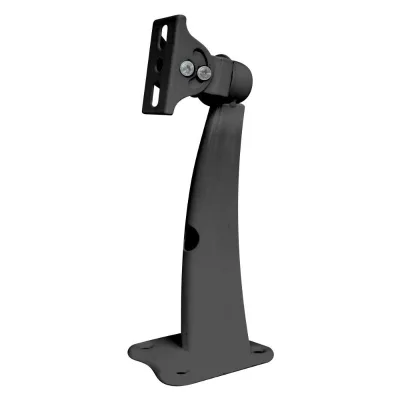
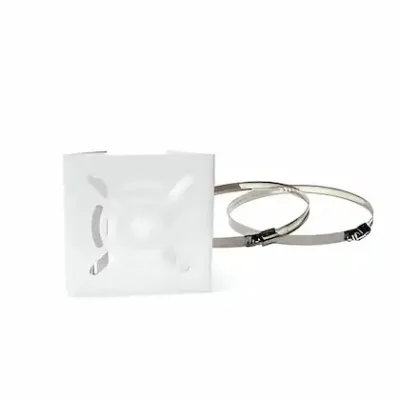


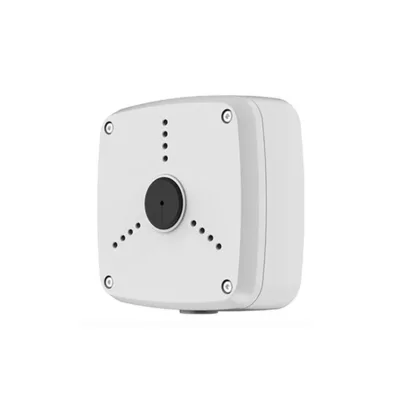

$15000.00 - $20000.00
MOQ: 1 Pieces


Weatherproof CCTV Security Camera Bracket with 150m IR Distance Support
$90.00 - $100.00
MOQ: 1 Pieces


$3000.00 - $20000.00
MOQ: 1 Pieces


Comprehensive Sourcing Guide
ABS Plastic CCTV Camera Mount Sourcing Guide
Sourcing ABS plastic mounts for CCTV cameras requires a disciplined approach that balances mechanical durability with environmental resilience. ABS (Acrylonitrile Butadiene Styrene) is a widely adopted thermoplastic polymer known for its impact resistance, rigidity, and ease of processing, making it a standard material for outdoor surveillance hardware. Buyers must recognize that while ABS offers excellent structural integrity for general-purpose mounting, its performance under prolonged UV exposure or extreme thermal cycling can vary significantly based on the specific grade and additives used. This guide provides a structured framework for evaluating suppliers, verifying technical specifications, and ensuring compliance with safety standards, ensuring that procurement decisions are grounded in observable product data and industry best practices.
The procurement landscape for these components is diverse, ranging from simple wall brackets to complex pan-tilt-zoom (PTZ) housings and integrated lighting fixtures. Observed market signals indicate a wide variance in product complexity, with some listings focusing on basic mounting hardware while others describe complete wireless WiFi CCTV camera systems with integrated LED lighting. Buyers should distinguish between pure mounting accessories and integrated camera units, as the latter often involve additional electrical and wireless certifications. Understanding this distinction is critical for accurate budgeting and supplier qualification, as the supply chain for plastic injection-molded parts differs significantly from that of assembled electronic devices with active components.
Product Scope and Observed Listing Signals
The observed product range includes a variety of form factors, from dedicated mounting stands to integrated outdoor PTZ camera units. Specific listings highlight products with a "Stand" mount type and "Fixed" installation modes, indicating a spectrum of static and dynamic mounting solutions. Some products are described with specific dimensions, such as a standard of 18x10x20 cm, while others are categorized by diameter, such as those under 10 cm. This variability suggests that buyers must carefully define their mechanical requirements, including weight capacity, field of view adjustments, and spatial constraints, before engaging with suppliers. The presence of "Customization" and "Customized" attributes indicates that many manufacturers are open to modifying mold cavities or design software outputs to meet specific client needs.
Material composition is a key differentiator in this category, with ABS frequently cited alongside other engineering plastics like POM, PS, and LCP. These materials are often selected for their specific properties, such as chemical resistance or high-temperature stability, which are crucial for outdoor surveillance equipment. Listings also mention "Injection Mould" as the shaping mode, confirming that these products are mass-produced via high-volume manufacturing processes. Buyers should note that while ABS is common, the specific blend or grade can affect UV resistance and colorfastness. The observation of "Black" as a common color suggests a standard aesthetic for outdoor equipment, but buyers should verify if other color options are available through custom molding or post-processing techniques.
Technical Specifications to Verify
Mechanical compatibility is the primary technical consideration when sourcing ABS mounts. Buyers must verify the thread standards, screw hole patterns, and weight limits of the mount to ensure it aligns with the specific CCTV camera model being deployed. The observed "Multi Cavity" mold attribute suggests that suppliers have the capacity for high-volume production, which can be beneficial for large orders but requires strict quality control to ensure consistency across all cavities. Additionally, the "Design Software: Pro-E" mention indicates that suppliers use professional CAD tools, which facilitates the exchange of 3D models for integration testing. Buyers should request these digital files to validate fitment before placing orders, reducing the risk of mechanical incompatibility.
Environmental resilience is equally critical for outdoor surveillance hardware. While ABS provides good impact resistance, its performance under UV radiation and temperature fluctuations must be verified. Buyers should inquire about UV stabilizers or coatings applied to the ABS plastic to prevent degradation, yellowing, or brittleness over time. The observed "Outdoor PTZ Camera" style and applications in "Parking Lot, Square, Highway, Garden" highlight the need for robust weatherproofing. Although the mount itself may not be the primary barrier against water, its integration with the camera housing must maintain the overall IP rating. Buyers should also check for corrosion-resistant fasteners, as the metal components often paired with ABS mounts are susceptible to rust in humid or coastal environments.
Compliance and Safety Documentation
Regulatory compliance is non-negotiable for surveillance equipment, particularly when it involves electrical components or integration with power systems. The observed certifications include CE, CCC, RoHS, ISO9001, ISO, CB, EMC, LVD, and SAA. These certifications cover a broad spectrum of requirements, from electromagnetic compatibility and low voltage directives to hazardous substance restrictions. Buyers must ensure that the specific product they are sourcing carries the relevant certifications for their target market. For instance, CE is essential for European markets, while CCC is required for China. It is crucial to verify that these certifications are valid and specific to the product model, not just the manufacturer's general quality system.
Electrical safety is particularly relevant when sourcing integrated units that include LED lighting or power supplies. The observed "Input Voltage: 12v" and "Power Supply: AC" attributes indicate that some products involve electrical connections. Buyers should verify that the power components comply with local electrical safety standards, such as LVD in Europe or equivalent standards in other regions. The presence of "RoHS" certification suggests that the materials used, including the ABS plastic and any additives, are free from certain hazardous substances. However, buyers should request test reports or certificates of conformity to confirm that the specific batch of materials meets these requirements, as compliance can vary between production runs.
Cost Drivers and Commercial Terms
Pricing in this category is influenced by several factors, including material costs, mold complexity, and order volume. The observed price range of $0.03 to $20,000 USD reflects the vast difference between simple plastic brackets and complete, feature-rich camera systems. Buyers must clearly define whether they are sourcing standalone mounts or integrated camera units to avoid misinterpretation of quotes. For pure ABS mounts, the cost is primarily driven by the weight of the plastic, the complexity of the injection mold, and the surface finish requirements. Customization, such as adding logos or modifying the design, will incur additional tooling and setup costs.
Minimum Order Quantities (MOQ) and payment terms are critical commercial considerations. The observed MOQ range of 1 to 5,000 units indicates flexibility, with some suppliers offering low MOQs for sampling or small batches, while others require larger volumes for cost-effective production. Buyers should negotiate MOQs based on their forecasted demand and storage capacity. Additionally, lead times can vary significantly depending on the complexity of the product and the current production schedule. Buyers should confirm lead times for both sample production and mass manufacturing, and inquire about the impact of customization on these timelines. Clear communication regarding packaging, such as "Giftbox Inner Package" or "Tray/Carton/PE Bag," is also essential for logistics planning.
Supplier Qualification and Quality Control
Supplier qualification begins with verifying their manufacturing capabilities and quality management systems. The observed "ISO9001" and "ISO" certifications suggest that many suppliers adhere to international quality management standards. Buyers should request copies of these certificates and verify their validity through the issuing bodies. Additionally, the mention of "Shenzhen, China" and "Zhejiang, China" as origins indicates that suppliers are concentrated in major manufacturing hubs. Buyers should assess the supplier's facility, including their injection molding equipment and testing laboratories, to ensure they have the capacity to maintain consistent quality.
Quality control processes are vital for ensuring that the ABS mounts meet the specified mechanical and aesthetic requirements. Buyers should inquire about the supplier's incoming material inspection, in-process quality control, and final inspection procedures. The "Multi Cavity" mold attribute implies that consistency across all cavities is a key quality challenge. Buyers should request samples to evaluate dimensional accuracy, surface finish, and material properties. Additionally, buyers should establish clear acceptance criteria for defects, such as sink marks, flash, or color variations, and include these in the purchase agreement. Regular audits or third-party inspections may be necessary for large orders to ensure ongoing compliance.
Long-Term Procurement Checks
Long-term procurement success depends on establishing a robust supply chain relationship and monitoring performance over time. Buyers should track key performance indicators (KPIs) such as on-time delivery, defect rates, and responsiveness to issues. The ability of the supplier to provide consistent quality and timely support is crucial for maintaining operational continuity. Buyers should also monitor changes in material costs and regulatory requirements that may impact the product. Proactive communication with suppliers about future needs and potential design improvements can help optimize costs and performance.
Sustainability and end-of-life considerations are increasingly important in procurement. Buyers should inquire about the recyclability of the ABS plastic and the supplier's environmental policies. The use of recycled materials or eco-friendly additives may be an option for buyers with sustainability goals. Additionally, buyers should plan for the disposal or recycling of the products at the end of their lifecycle. By integrating these long-term considerations into their procurement strategy, buyers can ensure that their sourcing of ABS plastic CCTV camera mounts is not only cost-effective but also sustainable and compliant with evolving market expectations.
FAQs
What certifications do abs plastic cctv camera mounts have?
These mounts typically carry CE, RoHS, and ISO9001 certifications to ensure safety and quality compliance. Some products also include CCC and SAA marks depending on the specific manufacturer and target region. Always verify the exact certification list for your specific order requirements.
Can I get customized abs plastic cctv camera mounts?
Yes, customization is available for these mounts to meet specific design or functional needs. Manufacturers often use injection moulding with multi-cavity options to produce tailored parts. You can request specific materials like POM or ABS to suit your application environment.
Which materials are used for abs plastic cctv camera mounts?
Common materials include POM, ABS, PS, and LCP for durability and precision. These materials are selected based on the required mechanical properties and environmental resistance. The choice depends on whether the mount is for indoor or outdoor use.
How are abs plastic cctv camera mounts packaged for shipping?
Packaging options include giftbox inner packages, trays, cartons, or PE bags depending on the product model. The standard packing ensures protection during transit while maintaining product integrity. Specific packaging details vary by manufacturer and order volume.
What is the typical origin location for these mounts?
Most products originate from manufacturing hubs in China, specifically Shenzhen and Zhejiang provinces. These regions are known for their advanced plastic moulding capabilities and supply chain efficiency. Buyers can expect competitive pricing due to the concentration of factories in these areas.
Which standard dimensions apply to abs plastic cctv camera mounts?
Standard dimensions vary, with some models measuring 125x125x45mm or 18x10x20mm depending on the design. Specific sizes are often defined by the HASCO standard or custom mould requirements. Always check the product specification sheet for exact dimensional data.
Can these mounts be used for outdoor applications?
Yes, many mounts are designed for outdoor use in environments like parking lots, squares, and highways. They often feature weather-resistant materials and robust construction to withstand external conditions. Ensure the specific model is rated for the intended outdoor exposure.