Source ABS Sensor for Automotive, Industrial, and Home Applications
Find 30 verified listings for ABS Sensor components suitable for automotive, industrial, and home appliance applications. Buyers can compare specifications, materials, and delivery times from multiple suppliers to identify the best fit for their projects; compare the available evidence and request quotations based on your requirements.
Key considerations
Products List



Comprehensive Sourcing Guide
ABS Sensor Sourcing Guide
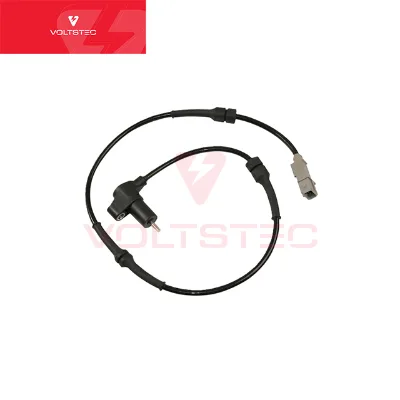
Procuring an ABS Sensor requires careful evaluation of the specific vehicle application, as these components are critical for maintaining traction and stability during braking. The market offers a diverse range of options, from standard steel-based units to specialized rubber components designed for specific environmental conditions. Buyers must distinguish between front and rear position sensors, as the mechanical stress and signal requirements differ significantly between these locations.
The sourcing landscape includes suppliers offering both OEM and ODM support, allowing for customization based on unique vehicle architectures. While some listings indicate a delivery window of 7 to 15 days, others suggest a broader range of 15 to 30 days depending on order volume and customization needs. Understanding these logistical variances is essential for aligning procurement timelines with production schedules and ensuring that the supply chain remains resilient against potential delays.
Product Scope and Observed Listing Signals
The available product listings reveal a wide spectrum of materials, including steel and rubber, which directly influence the sensor's durability and resistance to harsh operating environments. Observations indicate that products are often categorized by their specific model numbers, such as CNM003 or WG9160710522, which serve as unique identifiers for compatibility with various automotive systems. Buyers should verify that the material grade matches the intended application, whether it involves general plastic usage or specialized engineering requirements for high-stress areas.
Listing signals also highlight significant variations in packaging and shipping methods, ranging from simple plastic bags to complex wooden cases or palletized ocean freight. These packaging choices often reflect the fragility of the internal components and the logistical requirements of the destination market. Additionally, the presence of free samples in some listings provides a valuable opportunity for buyers to physically inspect the product quality before committing to larger orders, ensuring that the physical attributes align with technical expectations.
Technical Specifications to Verify
Technical verification must begin with the electrical characteristics, specifically the voltage range, which typically spans from 12V to 24V in automotive applications. Buyers need to confirm that the sensor's output, often described as a digital sensor signal, is compatible with the vehicle's existing electronic control unit to prevent communication errors. The IP protection level, observed at IP54 in some listings, indicates a baseline resistance to dust and water, which is crucial for sensors exposed to the elements under the vehicle chassis.
Mechanical specifications such as the plastic forming method, often injection molding, and the resulting shape, typically granules or molded components, affect the precision and consistency of the sensor housing. The functional role of the sensor, whether for sliding or swing door operators or general motion detection, dictates the required response time and accuracy. It is imperative to cross-reference the listed model numbers with the vehicle's service manual to ensure that the physical dimensions and mounting positions, such as front or rear, match the original equipment specifications exactly.
Compliance and Safety Documentation
Compliance documentation is a non-negotiable aspect of sourcing automotive sensors, with certifications like ISO9001:2015, RoHS, and Reach serving as key indicators of manufacturing quality and environmental safety. These certifications ensure that the materials used, including any plastics or metals, meet international standards for hazardous substance restrictions and quality management systems. Buyers should request valid certificates from the supplier to verify that the production process adheres to these rigorous standards, protecting the end-user from potential regulatory violations.
In addition to material safety, the product's origin and the supplier's adherence to international trade standards play a vital role in compliance. Many listings indicate a production origin in China, specifically from regions like Cangzhou, which requires careful vetting of the supplier's export capabilities and adherence to destination country regulations. The presence of a "Standard" or "Customized" product standard in the listing suggests that the manufacturer can adapt to specific regulatory frameworks, but buyers must explicitly confirm that the final product meets the safety requirements of the target market, such as North America or Western Europe.
Cost Drivers and Commercial Terms
Cost drivers for ABS sensors are heavily influenced by the level of customization required, with options ranging from standard off-the-shelf units to fully tailored solutions. The minimum order quantity (MOQ) varies significantly, with some suppliers requiring as few as 50 pieces while others may have higher thresholds, directly impacting the unit price and overall procurement budget. Buyers must analyze the trade-off between volume discounts and the flexibility to order smaller batches, especially when testing new vehicle models or managing inventory for fluctuating demand.
Commercial terms also encompass the delivery time and shipping method, which can add substantial hidden costs if not managed correctly. While some suppliers offer a rapid 7 to 15-day delivery window, others may require 15 to 30 days, affecting the total landed cost when factoring in expedited shipping fees. The choice of packaging, whether standard cartons or custom wooden cases, further influences the freight cost and insurance premiums, making it essential to negotiate these terms clearly to avoid unexpected expenses during the final stages of the transaction.
Supplier Qualification and Quality Control
Supplier qualification should focus on their ability to provide one-stop services and their track record in supporting OEM and ODM projects. A supplier that offers free samples and demonstrates a commitment to top-quality standards is more likely to deliver consistent performance, but this must be validated through rigorous quality control checks. Buyers should verify the supplier's capacity to handle the specific production volume required and their ability to maintain the quality standards outlined in their certifications throughout the manufacturing process.
Quality control protocols must include a detailed inspection of the product's physical attributes, such as color consistency, which is observed in grey, black, and silver variants, and the integrity of the plastic forming process. The supplier's ability to provide customized packing solutions indicates a higher level of operational flexibility, but it also requires a robust quality assurance plan to ensure that the custom packaging does not compromise the sensor's protection during transit. Establishing a clear communication channel for reporting defects and resolving quality issues is critical for maintaining a reliable supply chain.
Long-Term Procurement Checks
Long-term procurement success depends on establishing a sustainable relationship with suppliers who can adapt to evolving market demands and technological advancements. Buyers should regularly review the supplier's performance against key metrics such as delivery time adherence, defect rates, and responsiveness to customization requests. The ability of the supplier to maintain consistent quality over time, despite changes in raw material availability or production volumes, is a strong indicator of their reliability as a long-term partner.
Continuous monitoring of the product's performance in the field is essential for identifying any latent issues that may not be apparent during initial testing. Buyers should implement a feedback loop with their internal engineering teams to assess the sensor's durability and functionality in real-world conditions, ensuring that the product continues to meet the vehicle's safety and performance requirements. This proactive approach allows for early detection of potential supply chain disruptions or quality degradations, enabling timely corrective actions to maintain operational continuity.
FAQs
How long does delivery usually take for ABS Sensor orders?
Delivery time typically ranges from 15 to 30 days, while some product lines are dispatched within 7 to 15 days. The exact schedule depends on order quantity, customization requirements, and production capacity at the time of purchase. Buyers with urgent needs should confirm the specific lead time with the supplier before placing an order, especially for customized or large-volume requests.
What is the minimum order quantity for ABS Sensor products?
The minimum order quantity is 50 pieces for listed products, though MOQ requirements can vary between 1 and 1000 pieces across the catalog. Smaller quantities may be possible for samples or trial orders, and free samples are available in some cases. Buyers should confirm the applicable MOQ for their chosen model before confirming a purchase order.
Can ABS Sensor products be customized for specific vehicle requirements?
Yes, customization is available and OEM or ODM support is provided. Suppliers can adjust specifications according to customer needs, and product standards are generally set by the customer's requirements. When requesting customization, provide detailed drawings, specifications, and application details so the factory can confirm feasibility, tooling needs, pricing, and any effect on production lead time.
What certifications do ABS Sensor suppliers hold?
Listed suppliers reference ISO/TS certification, and related component suppliers also hold ISO9001:2015, RoHS, REACH, and UL certificates. Certification coverage can differ by product line and factory, so buyers should request the current certificate copies applicable to the specific ABS Sensor model. Verifying certificates directly helps ensure compliance with your destination market's import requirements.
What packaging options are available when shipping abs sensors?
Common packing methods include cartons with pallets, plastic bags inside cartons, wooden cases, and customized packing, with ocean freight as a listed shipping option. The appropriate packaging depends on order size, destination, and handling requirements. Buyers can request customized packing solutions and should agree on packaging details before shipment to avoid damage during transport.
What materials are used in ABS Sensor and related components?
Listed products include steel and rubber components, and related plastic parts use injection-molded thermoplastic materials in injection and extrusion grades. Material selection depends on the specific part, such as the sensor housing, mounting hardware, or wheel-speed harness components. Buyers requiring specific material properties should state them in their requirements so the supplier can confirm suitability.
Where are ABS Sensor products manufactured and shipped from?
Products are manufactured in China, with one listed origin being Cangzhou. Suppliers ship internationally to markets including South America, North America, Europe, the Middle East, Southeast Asia, Africa, Asia, and Oceania. Since shipping terms and freight costs vary by destination, buyers should confirm the origin location, shipping method, and Incoterms when requesting quotations.
Can I get free samples before placing a bulk ABS Sensor order?
Yes, free samples are listed as available, which allows buyers to evaluate fit and quality before committing to volume. Sample availability may depend on the specific model, and buyers typically cover freight charges for sample delivery. Confirm the sample policy, shipping cost, and timeline with the supplier, then use the sample to verify compatibility with your vehicle application.