Source ABS Rod for automotive parts, machinery, and prototypes
Compare 30 listings for ABS Rod including plastic bars and suspension arms with varying tensile strength and customization options. Buyers can evaluate machining services, material grades, and packing requirements from suppliers in China.
Key considerations
Products List


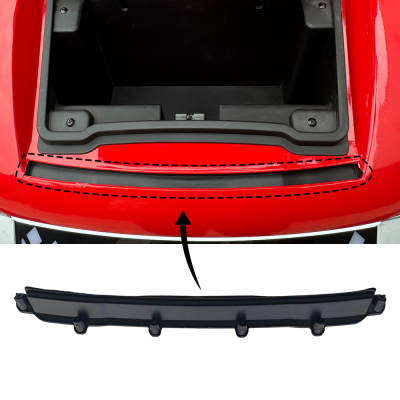


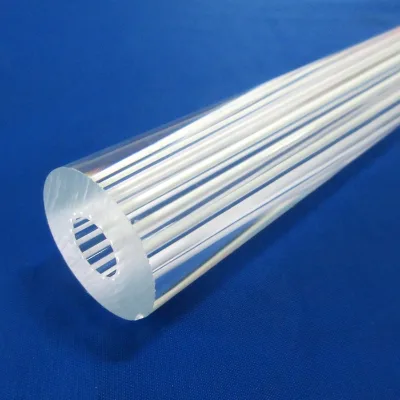
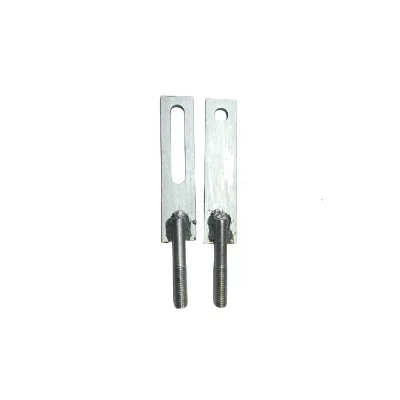
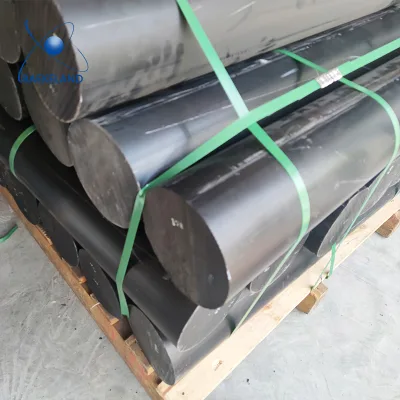
Comprehensive Sourcing Guide
ABS Rod Sourcing Guide
Procuring ABS (Acrylonitrile Butadiene Styrene) rods requires a disciplined approach to material verification and supplier qualification, as the market listing for this category often encompasses a diverse range of industrial components. Based on observed data, there are thirty active product listings available, indicating a moderate level of market activity. Buyers must navigate this landscape by distinguishing between pure plastic extrusions and composite or metal-alternative products that may be mislabeled or grouped under similar search terms. The primary focus for an ABS Rod procurement strategy should be on verifying the polymer composition, ensuring the tensile strength falls within the expected range of 30 to 40 MPa, and confirming that the water absorption rates are strictly controlled between 0.2% and 0.4%. These physical properties are critical for maintaining dimensional stability in precision machining applications, where even minor deviations can lead to part failure.
The sourcing environment for ABS rods is characterized by significant customization capabilities and a wide variance in commercial terms. Suppliers frequently offer non-standard sizes based on customer drawings or samples, which is a crucial advantage for specialized engineering projects. However, this flexibility introduces complexity in quality control, as the "high performance" claims associated with these materials must be validated through rigorous testing rather than accepted at face value. Buyers should be prepared to engage in detailed technical discussions regarding contraction percentages, which typically range from 0.4% to 1.4%, to ensure that the final machined parts will meet tight tolerances. Understanding these material behaviors is essential for selecting the right supplier who can provide consistent batch-to-batch quality.
Product Scope and Observed Listing Signals
The current market landscape for ABS rods reveals a heterogeneous mix of product types, necessitating careful filtering to identify genuine plastic bar offerings. While the core keyword suggests a focus on ABS plastic, the observed listings include a substantial number of steel suspension arms, forged connecting rods, and threaded iron components. This overlap indicates that many suppliers operate as general industrial component providers rather than specialized plastic extruders. Buyers must scrutinize the product model numbers and material descriptions to distinguish between the actual ABS rods, which are often labeled with specific model codes like MBH-PUP108, and unrelated metal hardware. The presence of items with models such as 99100430021 or AZ1246030007, which are typically associated with automotive or heavy machinery parts, serves as a clear signal that the search results are broad and require precise filtering.
Price and minimum order quantity (MOQ) data further highlight the diversity of the supply base. The observed price range spans from zero to $40,000 USD, a variance that is largely driven by the inclusion of high-value metal assemblies and custom-forged components alongside standard plastic rods. Similarly, MOQs range from 1 to 1,000 units, reflecting the ability of some suppliers to handle small-batch custom machining while others operate on bulk industrial scales. For buyers seeking pure ABS rods, the lower end of the price spectrum and flexible MOQs are more indicative of the target product, whereas higher prices and rigid MOQs often correlate with the metal or complex assembly items that appear in the same search results. Recognizing these signals helps in setting realistic budget expectations and identifying suppliers who are equipped to handle the specific volume requirements of a plastic rod procurement.
Technical Specifications to Verify
Verifying the technical specifications of ABS rods is paramount to ensuring they meet the mechanical demands of the intended application. The tensile strength of the material is a critical metric, with observed values ranging from 30 to 40 MPa. Buyers must request material test certificates or mill test reports to confirm that the supplied rods consistently fall within this range, as deviations can impact the structural integrity of machined parts. Additionally, the water absorption rate, typically observed between 0.2% and 0.4%, must be verified to prevent swelling or dimensional changes during storage or in humid environments. These physical properties are not merely theoretical; they directly influence the machining process and the final performance of the component, making them non-negotiable verification points during the sourcing phase.
Dimensional accuracy and surface finish are equally important technical considerations, particularly given the customization options available in the market. The contraction percentage of ABS, observed between 0.4% and 1.4%, is a key factor in designing molds and machining allowances. Buyers should work closely with suppliers to understand how this contraction rate affects the final dimensions of the rod and any subsequent machined parts. Furthermore, the availability of machining services and surface treatments, such as zinc, black, nickel, chrome, or hot-dip galvanizing (HDG), adds another layer of complexity. While these treatments are often associated with metal rods, their presence in the listing suggests that some suppliers may offer coated or treated plastic alternatives. Buyers must clarify whether these surface treatments are applicable to ABS and how they might affect the material's chemical resistance and mechanical properties.
Compliance and Safety Documentation
Compliance and safety documentation form the backbone of a reliable procurement process, especially when dealing with materials that may be used in regulated industries. The observed listings indicate that many suppliers hold ISO certifications, with ISO 9001 being a common standard mentioned. Buyers should verify the validity of these certifications and ensure that the supplier’s quality management system covers the specific production processes for ABS rods. Additionally, some listings reference TS16949, a quality management standard specific to the automotive industry. While this standard is typically associated with metal components, its presence in the search results suggests that some suppliers may have the capability to produce automotive-grade plastic parts. Buyers should inquire whether the ABS rods can be supplied with documentation that meets automotive or other industry-specific regulatory requirements.
Safety data sheets (SDS) and material safety information are essential for handling and processing ABS rods safely. Although not explicitly detailed in the observed listings, buyers must request SDS documents to understand the chemical hazards, handling precautions, and disposal requirements associated with the material. This is particularly important if the rods are to be machined or processed in a way that generates dust or fumes. Furthermore, buyers should verify whether the ABS material is compliant with relevant environmental regulations, such as RoHS or REACH, if the end product is intended for export to regions with strict chemical restrictions. Ensuring that the supplier can provide comprehensive compliance documentation helps mitigate legal and operational risks associated with the procurement and use of the material.
Cost Drivers and Commercial Terms
The cost of ABS rods is influenced by several factors, including material grade, customization level, and order volume. The wide price range observed in the market, from $0 to $40,000, underscores the impact of these variables. For standard ABS rods, costs are primarily driven by the raw material price and the complexity of the extrusion process. However, for custom-sized rods or those requiring specific machining services, the cost increases significantly due to the additional labor and equipment time involved. Buyers should request detailed quotes that break down the cost of the raw material, machining, and any surface treatments to understand the true cost drivers. This transparency allows for better budgeting and comparison between different suppliers.
Commercial terms, including payment methods, shipping, and packaging, also play a significant role in the total cost of ownership. The observed listings show a variety of packaging options, from pallets and cartons to wooden boxes, depending on the product type. Buyers should specify their packaging requirements to ensure that the rods are protected during transit, especially if they are being shipped internationally. Shipping terms, such as ocean freight or other logistics arrangements, should be clearly defined in the contract to avoid unexpected costs. Additionally, buyers should negotiate favorable payment terms, such as letters of credit or partial payments, to manage cash flow and reduce financial risk. Understanding these commercial terms helps in creating a comprehensive procurement strategy that balances cost, quality, and delivery reliability.
Supplier Qualification and Quality Control
Supplier qualification is a critical step in ensuring the reliability and consistency of ABS Rod supplies. Buyers should conduct thorough due diligence on potential suppliers, including verifying their business licenses, production capabilities, and quality control processes. The observed listings indicate that many suppliers are located in China, with some specifically mentioning origins in Henan and Jiangsu provinces. Buyers should consider the geographic location of the supplier as it may impact logistics costs and lead times. Additionally, suppliers that offer customization services and have experience with non-standard sizes should be prioritized, as they are more likely to meet specific project requirements.
Quality control measures should be clearly defined and agreed upon with the supplier before placing an order. This includes specifying inspection criteria, such as dimensional tolerances, surface finish, and mechanical properties. Buyers should request samples for initial testing and evaluation before committing to a larger order. Furthermore, establishing a clear communication channel for addressing quality issues is essential. Suppliers that are transparent about their quality control processes and willing to collaborate on resolving any discrepancies are more likely to be reliable long-term partners. Regular audits and performance reviews can also help maintain high standards and ensure continuous improvement in the supply chain.
Long-Term Procurement Checks
Long-term procurement success depends on establishing robust relationships with suppliers and implementing continuous improvement strategies. Buyers should regularly review supplier performance metrics, such as on-time delivery, quality consistency, and responsiveness to issues. This data-driven approach helps in identifying potential risks and opportunities for optimization. Additionally, staying informed about market trends and technological advancements in ABS materials can provide a competitive advantage. Buyers should engage in ongoing dialogue with suppliers to explore new product offerings, cost-saving opportunities, and process improvements.
Risk management is another key aspect of long-term procurement. Buyers should diversify their supplier base to mitigate the risk of supply disruptions. This includes identifying alternative suppliers in different geographic regions and maintaining a buffer stock of critical materials. Furthermore, buyers should regularly update their contracts and agreements to reflect changes in market conditions, regulatory requirements, and business needs. By proactively managing these aspects, buyers can ensure a stable and efficient supply chain for ABS rods, supporting their operational goals and strategic objectives.
FAQs
What is the tensile strength of the ABS Rod?
The tensile strength ranges from 30 to 40 MPa for this specific product. This mechanical property ensures durability under load while maintaining the structural integrity required for plastic bar applications in various industrial settings.
Can the ABS Rod be customized to specific sizes?
Yes, customization is available for this product to meet unique project requirements. Buyers can request non-standard size drawings and samples, allowing for tailored solutions that fit precise engineering specifications without compromising material quality.
Which certifications does the manufacturer hold for ABS rods?
The manufacturer holds ISO certification and TS16949 standards for quality assurance. These credentials verify that production processes meet international benchmarks, ensuring consistent quality and reliability for suspension arms and other automotive components made from ABS material.
How is the ABS Rod packed for shipping?
Packing options include pallets, cartons, or wooden boxes based on customer requests. The packaging is designed to protect the product during transit, with specific arrangements like Ocean Freight or standard pallets available to suit different logistics needs.
What is the water absorption rate of the ABS material?
The water absorption rate is low, ranging between 0.2% and 0.4%. This characteristic makes the ABS Rod suitable for environments where moisture resistance is critical, preventing degradation and maintaining performance over extended periods of use.
Where are these ABS rods manufactured?
These products originate from China, with specific production hubs in Henan and Nanjing. The manufacturing locations support a wide range of output capabilities, ensuring that supply chains remain robust for global buyers seeking reliable plastic bar sources.
What machining services are available for the ABS Rod?
Machining services are available to process the ABS Rod according to specific needs. This allows buyers to obtain finished components directly, reducing the need for secondary processing and streamlining the production workflow for custom mechanical parts.