Source AC 220V Diesel Smoke Meter for Building, Plastic, Cable
Compare 30 listings for the AC 220V Diesel Smoke Meter designed to measure smoke density during material burning. Buyers can evaluate specifications like power supply, display type, and test standards for building materials, plastics, and cables.
Key considerations
Products List


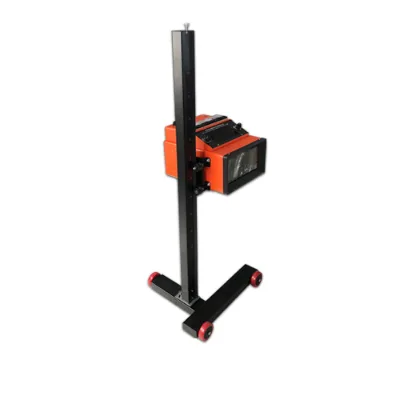

ASTM D2843 Smoke Density Test Meter for Smoke Produced by Burning Plastic
$6000.00 - $7000.00
MOQ: 1 Sets


$100.00 - $110.00
MOQ: 2 Pieces


Comprehensive Sourcing Guide
AC 220V Diesel Smoke Meter Sourcing Guide
Procuring industrial smoke measurement equipment requires a clear distinction between laboratory-grade testing instruments and field-deployable emission monitoring devices. The term "AC 220V Diesel Smoke Meter" often conflates two distinct categories of equipment: benchtop testers used for evaluating material smoke density during combustion, and continuous emission monitoring systems (CEMS) designed for real-time stack gas analysis. Buyers must first determine whether their operational need involves static material certification or dynamic process monitoring, as this decision dictates the technical specifications, compliance requirements, and supplier qualifications necessary for a successful procurement.
The market landscape for these devices is diverse, with manufacturers offering solutions ranging from simple photoelectric detectors to complex digital interfaces with remote data transmission capabilities. Observed product listings indicate a wide variance in power requirements, with some units operating on standard AC 220V mains while others rely on DC 24V or specialized power supplies. This variation underscores the importance of verifying electrical compatibility with your facility’s infrastructure before finalizing any purchase order, ensuring that the selected device integrates seamlessly with existing power distribution systems without requiring extensive retrofitting.
Product Scope and Observed Listing Signals
Current market observations reveal a product count of approximately thirty distinct listings, suggesting a niche but active supply chain for specialized smoke detection and measurement tools. The observed price range spans from $1 to $7,500 USD, reflecting the significant disparity between basic alarm components and sophisticated, computer-controlled testing apparatuses. This broad spectrum indicates that buyers will encounter everything from simple, low-cost photoelectric smoke detectors to high-precision, multi-functional instruments capable of measuring smoke density with high accuracy, necessitating a careful alignment of budget with technical performance requirements.
Minimum Order Quantities (MOQ) vary considerably, ranging from single-unit purchases to batches of up to 2,000 units, which accommodates both pilot testing and large-scale industrial deployment. Many suppliers offer customization options, allowing buyers to tailor specifications such as chimney width, temperature thresholds, and output signals to specific operational needs. This flexibility is particularly valuable for industries with unique regulatory environments or specialized material processing requirements, as it enables the procurement of equipment that precisely matches the intended application rather than forcing a compromise on standard off-the-shelf models.
Technical Specifications to Verify
When evaluating technical specifications, buyers should prioritize the power supply configuration and output signal compatibility. Some observed models operate on AC 220V, while others utilize DC 24V or 220V AC with specific alarm current ratings, such as 10mA. It is critical to verify that the device’s power requirements align with your facility’s electrical standards to prevent operational failures. Additionally, output signals such as 4-20mA analog currents or digital interfaces like RS485 are common in industrial settings, enabling seamless integration with PLCs or SCADA systems for real-time data monitoring and automated control responses.
Accuracy and resolution are paramount for smoke measurement devices, particularly those used for compliance testing. Specifications such as a resolution of -2%F.S. to +2%F.S. and repeatability of -1%F.S. to +1%F.S. indicate the precision level of the instrument. Buyers should also consider the environmental operating conditions, with some devices rated for temperatures ranging from -40°C to 70°C, ensuring reliability in harsh industrial environments. Furthermore, protection grades like IP65 are essential for devices exposed to dust or water, while material construction, such as aluminum alloy with oxidized and blackened surfaces, contributes to durability and corrosion resistance in demanding applications.
Compliance and Safety Documentation
Regulatory compliance is a critical factor in sourcing smoke measurement equipment, especially for devices used in building materials, plastics, and cable industries. Standards such as ASTM D2843 are frequently referenced for exit sign smoke tests and material smoke density measurements, providing a benchmark for performance and safety. Buyers must verify that the selected device meets the specific regulatory requirements of their target market, ensuring that the equipment can be used for valid certification testing and that the results are recognized by relevant authorities.
Safety features, including anti-theft alarm systems and grounded electrical connections, are also important considerations for industrial equipment. Active alarm systems that utilize sound and light signals can enhance security and operational awareness, while proper grounding ensures electrical safety for operators and equipment. Buyers should request detailed documentation on these safety features, including test reports and certification marks, to confirm that the device adheres to international safety standards and minimizes the risk of electrical hazards or unauthorized access in industrial settings.
Cost Drivers and Commercial Terms
The cost of smoke measurement equipment is influenced by several factors, including the complexity of the device, the accuracy of its measurements, and the level of customization required. Basic photoelectric smoke detectors are generally more affordable, while sophisticated instruments with digital interfaces, LCD screens, and computer control capabilities command higher prices. Buyers should also consider the total cost of ownership, including maintenance, calibration, and potential upgrades, to ensure that the initial purchase price aligns with long-term operational budgets.
Commercial terms such as warranty, supply ability, and port of dispatch are essential for planning procurement logistics. A one-year warranty is commonly offered, providing protection against manufacturing defects and ensuring support during the initial operational phase. Supply abilities, such as 500 units per month, indicate the supplier’s capacity to meet large orders, while the port of dispatch, often Shanghai, affects shipping costs and lead times. Buyers should negotiate clear terms regarding delivery schedules, payment methods, and after-sales support to mitigate risks associated with international trade and supply chain disruptions.
Supplier Qualification and Quality Control
Supplier qualification is a critical step in ensuring the reliability and performance of smoke measurement equipment. Buyers should verify the supplier’s production capabilities, quality control processes, and track record in the industry. Suppliers originating from regions like Nanjing or Shanghai, China, often have established manufacturing infrastructures, but buyers must conduct due diligence to confirm that the supplier adheres to international quality standards and maintains consistent product quality across batches.
Quality control measures, such as rigorous testing against established standards like ASTM D2843, are essential for validating the performance of smoke measurement devices. Buyers should request detailed quality assurance documentation, including test reports, calibration certificates, and inspection records, to ensure that the equipment meets specified performance criteria. Additionally, suppliers that offer customization services should demonstrate their ability to maintain quality and accuracy while adapting the device to specific operational requirements, ensuring that the final product delivers the expected performance in real-world applications.
Long-Term Procurement Checks
Long-term procurement success depends on establishing a robust relationship with suppliers who can provide ongoing support, maintenance, and upgrades. Buyers should assess the supplier’s ability to provide technical assistance, spare parts, and software updates, ensuring that the equipment remains operational and compliant with evolving regulatory standards. A reliable supplier will offer comprehensive after-sales service, including training for operators and regular maintenance schedules, to maximize the lifespan and performance of the smoke measurement devices.
Regular performance audits and calibration checks are essential for maintaining the accuracy and reliability of smoke measurement equipment over time. Buyers should implement a schedule for routine inspections and recalibration, using certified reference materials and standardized procedures to verify the device’s performance. By proactively managing the maintenance and calibration of their equipment, buyers can ensure consistent data quality, regulatory compliance, and operational efficiency, ultimately protecting their investment and supporting their sustainability and safety goals.
FAQs
What power supply options are available for the smoke detector?
The device supports both 220V AC and DC 24V power supply options. It operates with an alarm current of 10mA and consumes no more than 3W of power during normal operation.
Which smoke detector type is included in this product line?
The product features a photoelectric smoke style detector designed for reliable fire detection. It is specifically categorized as a smoke detector suitable for various industrial and building applications.
Can the product be customized for specific temperature requirements?
Yes, customization is available for specific temperature needs beyond the standard limit. The maximum smoke temperature is 600 degrees, but higher temperatures can be customized upon request.
What is the warranty period for the AA4C brand equipment?
The equipment comes with a standard warranty period of one year from the date of purchase. This coverage applies to the AA4C brand items listed in the product specifications.
How is the product packed for shipping and delivery?
The items are securely packed in carton boxes to ensure safe transport. This packaging method is standard for the listed models to protect the equipment during international shipping.
What is the maximum capacity for the workpiece in this system?
The system supports a maximum capacity of less than 1000KN for heavy-duty operations. It can handle workpieces with a mass scope of up to 900kg effectively.
Which test standard does the smoke density tester follow?
The smoke density tester adheres to the ASTM D2843 test standard for accuracy. This ensures reliable measurement of smoke density for materials like building plastics and cables during burning.