Source AC Cooling Greenhouse Fan for Ventilation, Cooling, and Exhaust
Source an AC Cooling Greenhouse Fan from 28 verified listings. Compare axial and exhaust models with stainless steel or iron construction. Evaluate power ratings, certifications, and packing options to find the right fit for your production needs; compare the available evidence and request quotations based on your requirements.
Key considerations
Products List


$135.00 - $155.00
MOQ: 1 Pieces


Air Circulation Fan Greenhouse Air Circulator Greenhouse Ventilation Fan
$40.00 - $60.00
MOQ: 10 Pieces


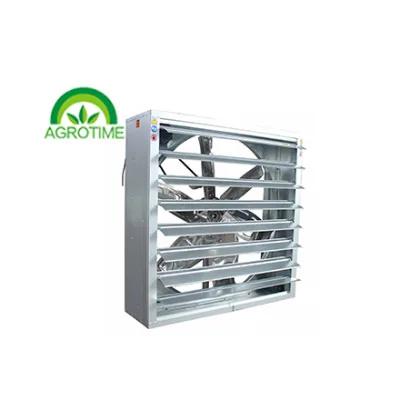
Comprehensive Sourcing Guide
AC Cooling Greenhouse Fan Sourcing Guide
Procurement professionals must first distinguish between general ventilation units and specialized agricultural cooling systems when searching for AC cooling greenhouse fans. The available market data indicates a diverse range of models, from single-layer film-covered structures to high-pressure axial flow units designed for specific production environments. Buyers should verify that the listed product model, such as the ZN-9915 or JHF-400S, aligns with the specific airflow requirements of their facility rather than assuming all listed items are suitable for large-scale agricultural use.
The observed product attributes reveal significant variation in power consumption and mounting configurations, ranging from 1.1kW wall-mounted exhaust fans to 11kW high-pressure industrial units. Sourcing strategies must account for these differences, as a 205W axial fan may suffice for small experimental setups, while a 38,253m³/h volume unit is required for extensive greenhouse operations. Buyers should carefully cross-reference the stated usage, such as "Production Greenhouse" or "for Air Conditioner," against their actual operational needs to avoid purchasing underpowered or oversized equipment that fails to meet thermal regulation goals.
Product Scope and Observed Listing Signals
The current market listings for AC cooling greenhouse fans display a wide spectrum of specifications, including blade materials ranging from plastic to stainless steel and iron. This variation suggests that suppliers offer solutions for different environmental conditions, where corrosion resistance is critical for humid greenhouse interiors. Buyers must scrutinize the material composition, noting that stainless steel options are available alongside plastic blades, to ensure the selected unit can withstand the specific chemical and moisture levels present in their agricultural environment without premature degradation.
Listing signals also highlight diverse packaging standards, from seaworthy packing to paper cartons and export-specific containers, which directly impact logistics planning. The presence of models like V005 and JFD-1250E indicates that suppliers cater to both compact and large-scale installation needs, with some units featuring specific dimensions like 510510300MM. Procurement teams should evaluate whether the provided packaging, such as shipping packing or as required, is sufficient to protect the fan during transit, especially when ordering units with large blade sizes like 1270mm that require careful handling to prevent damage.
Technical Specifications to Verify
Technical verification begins with confirming the electric current type and power rating, as the data shows a mix of AC current units with varying wattages from 205W to 11kW. Buyers must ensure the electrical infrastructure at the destination site can support the specific power draw of the selected model, particularly for high-pressure units that demand 11kW of power. It is essential to match the voltage and phase requirements of the fan with the local grid supply to prevent operational failures or safety hazards during installation.
Airflow performance and pressure ratings are equally critical, with observed specifications including static pressure values like 594PA and maximum volumes up to 38,253m³/h. Procurement specialists should validate that the revolution speed, such as 1450r/Min, and the flow direction, specifically axial flow, meet the ventilation strategy of the greenhouse. Verifying these metrics against the physical dimensions of the installation space, including the 400mm or 300mm400mm400mm standards mentioned in listings, ensures the fan will integrate seamlessly into the existing ductwork or wall structures.
Compliance and Safety Documentation
Safety compliance is a non-negotiable aspect of sourcing industrial fans, with listings frequently citing certifications such as ISO, CE, and CCC. Buyers must request and verify these certificates to ensure the product meets international safety standards for electrical equipment and mechanical integrity. The presence of multiple certifications, including UR and UL in some listings, indicates a higher level of scrutiny regarding electrical safety, which is vital for preventing fire hazards in agricultural settings where dust and humidity are prevalent.
Regulatory adherence extends to environmental and material safety standards, with some products displaying RoHS certification alongside ISO and CE marks. This suggests that the manufacturing process adheres to restrictions on hazardous substances, which is increasingly important for sustainable agriculture and export markets. Procurement teams should demand proof of these certifications before finalizing orders, ensuring that the fan materials, such as the iron or plastic blades, do not contain prohibited substances that could violate local environmental regulations or compromise the safety of the produce grown within the greenhouse.
Cost Drivers and Commercial Terms
The cost of AC cooling greenhouse fans is heavily influenced by the material composition and power rating, with stainless steel and high-power units commanding higher prices than plastic or low-wattage alternatives. The observed price range of 0.1 to 4500 USD reflects this disparity, indicating that buyers must budget accordingly based on the specific performance requirements of their project. Understanding these cost drivers helps in negotiating effectively, as the price difference between a basic 205W unit and a robust 11kW high-pressure model is substantial and directly correlates with the expected lifespan and efficiency of the equipment.
Commercial terms regarding minimum order quantities (MOQ) and customization availability also play a significant role in the total cost of ownership. The market data shows an MOQ range of 1 to 100 units, offering flexibility for small-scale buyers while allowing bulk discounts for larger operations. Additionally, the availability of customization options allows buyers to tailor specifications to their unique needs, though this may incur additional costs. Buyers should clarify whether the listed price includes shipping packing or if additional fees apply for seaworthy packing, as these logistical details can significantly affect the final landed cost.
Supplier Qualification and Quality Control
Supplier qualification requires a thorough review of the production origin and standard adherence, with listings indicating origins in Jiangsu, Shandong, and general China regions. Buyers should prioritize suppliers who demonstrate consistent adherence to standards like 400mm or 300mm400mm400mm, as these specific dimensions often reflect a commitment to precision manufacturing. Verifying the supplier's ability to maintain these standards across different product models, such as the ZN-9980 or V001 series, ensures that the quality of the fans remains consistent regardless of the specific configuration ordered.
Quality control processes must be validated through the supplier's certification portfolio and their ability to provide detailed product specifications. The presence of certifications like SGS and UR alongside ISO and CE suggests a robust quality management system, but buyers should still request third-party test reports to confirm performance claims. It is crucial to establish clear communication channels for addressing potential defects, ensuring that the supplier can provide timely support for issues related to the fan's mounting, blade material, or electrical components, thereby minimizing downtime in critical agricultural operations.
Long-Term Procurement Checks
Long-term procurement success depends on establishing a reliable supply chain that can accommodate future expansion and maintenance needs. Buyers should assess the supplier's capacity to provide spare parts, such as replacement blades or motors, for models like the JHF-400S or JFD-1250E, ensuring that the greenhouse cooling system remains operational over its intended lifespan. A supplier with a proven track record of customization and varied product models is better positioned to support evolving agricultural requirements without necessitating a complete system overhaul.
Regular performance audits and feedback loops are essential to maintain the efficiency of the AC cooling greenhouse fans over time. Buyers should implement a schedule for checking the static pressure, revolution speed, and overall airflow volume to detect any degradation in performance early. By maintaining a relationship with a supplier who offers flexible packaging and shipping options, buyers can ensure that replacement units or upgrades are delivered promptly, minimizing the risk of crop loss due to inadequate ventilation or temperature control in the greenhouse environment.
FAQs
What certifications are available for ac cooling greenhouse fans?
Available certifications include ISO, CE, UR, UL, and CCC. These standards ensure compliance with international safety and quality requirements. Buyers can select models with specific certification combinations to meet local regulatory needs. Verify the exact certification list for each model before ordering to ensure full compliance.
Can I customize the packaging for these fans?
Yes, customization is available for packaging. Options include seaworthy packing, shipping packing, paper carton, or export packing as required. This flexibility helps protect the product during transit and meets specific logistics needs. Confirm the preferred packing method with the supplier to ensure the goods arrive safely and securely.
What is the typical power consumption for these fans?
Power ratings vary by model, ranging from 205W to 11kw. Specific models include 1.1kw and 205W options for different ventilation needs. Higher power units offer greater airflow capacity for larger greenhouses. Select the appropriate power rating based on the size of your greenhouse and required air exchange rates.
Which materials are used for the fan blades?
Blade materials include plastic and stainless steel. Plastic blades are common in standard models, while stainless steel offers durability for specific applications. The cover material is typically film for greenhouse integration. Choose the blade material based on environmental conditions and longevity requirements for your specific installation.
What is the minimum order quantity for these fans?
The minimum order quantity ranges from 1 to 100 units. This flexibility allows buyers to test small batches or order larger quantities for full greenhouse setups. Check the specific MOQ for each model, as it may vary. Contact the supplier directly to confirm the exact MOQ for your desired model and specifications.
Where are these fans manufactured?
These fans are manufactured in China, specifically in Jiangsu and Shandong provinces. This location provides access to established manufacturing hubs for ventilation equipment. Buyers can verify the specific origin for each model to assess logistics and supply chain reliability. Origin details are often listed in the product specifications for transparency.