Source AC DC Load Bank for Medical, Industrial, and Testing Uses
Find and compare 22 AC DC Load Bank options for medical apparatus, industrial testing, and electronic load applications. Evaluate specifications such as power range, cooling methods, and protection levels to select the right equipment for your operational needs.
Key considerations
Products List


$300.00 - $5000.00
MOQ: 1 Pieces




Comprehensive Sourcing Guide
AC DC Load Bank Sourcing Guide
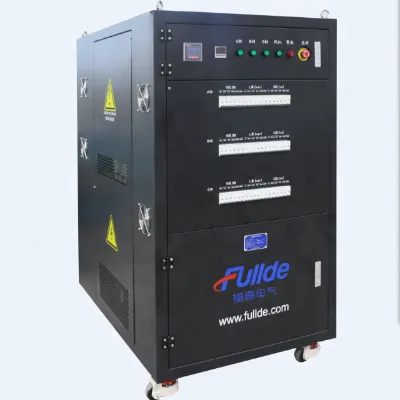
Acquiring an AC DC Load Bank requires a precise understanding of the diverse configurations available in the current market, ranging from compact variable resistors to massive industrial-grade electronic load systems. The observed product landscape includes items with specific attributes such as tubular shapes, ceramic and metal materials, and varying power ranges from 10W up to 100kW or even higher for specialized units. Buyers must distinguish between fixed and variable resistor types, noting that some listings describe products as both load resistors and sampling resistors, while others specify a function strictly for medical apparatus and instruments. The physical form factors vary significantly, with some units designed for through-hole packaging and others requiring substantial dimensions like 165013501680mm, necessitating careful spatial planning before procurement.
The commercial signals in the market indicate a wide spectrum of pricing and minimum order quantities, with observed prices spanning from $2.5 to $1,000,000 and MOQs ranging from 1 to 100 units. This variance suggests that the market serves both component-level needs and full-system integration projects. Buyers should note that customization is available for many of these units, allowing for specific adaptations in resistance scales, such as log scales, or specific cooling methods like forced air cooling. The presence of digital displays and computer control accuracy grades indicates a shift toward smart, automated testing environments, while other listings emphasize robust mechanical features like dynamic loading and specific contactor brands like Schneide-R.
Product Scope and Observed Listing Signals
When evaluating product scope, buyers must first categorize the unit based on its fundamental electrical function, as the market lists both variable and fixed resistors under the same search term. Some products are explicitly identified as varistors or load resistors with a single connection, while others are complex electronic loads capable of handling discharge currents between 1-200A and capacities of 10-2000Ah. The distinction is critical because a unit designed for medical instruments may not possess the thermal mass or cooling capacity required for high-power industrial testing, where power ranges can extend to 10000W or 100kw. Understanding whether the unit is a simple component or a complete system with a digital display and computer control is the first step in narrowing the supplier list.
The physical and logistical attributes of the load banks provide further signals regarding their intended deployment environment. Observed listings include specific packaging types such as cartons, wooden crates, and sea freight options, which directly impact shipping costs and handling requirements. Dimensions vary from compact units measuring 452 x 290 x 500 millimeters to large industrial frames reaching 16001200900mm, with weights ranging from 35kg to over 1000Kg. Buyers should verify if the unit requires specific installation methods, such as DIP resistor configurations, or if it is designed for dynamic loading scenarios. The color specifications, such as black border with dark blue (Ral5002) or white, may also be relevant for facility integration and safety visibility in industrial settings.
Technical Specifications to Verify
Technical verification begins with the power and thermal ratings, which are often the most critical differentiators between suitable and unsuitable units for a specific application. Buyers must confirm the exact power range, as listings show values from 10W to 10000W and up to 100kw, alongside ambient temperature tolerances that can range from -55°C to +315°C. The rated temperature rise of 375°C is a specific data point that must be cross-referenced with the intended duty cycle to prevent thermal failure. Additionally, the cooling method, whether natural or forced air, must align with the facility's ventilation capabilities, especially for high-power units where heat dissipation is a primary engineering constraint.
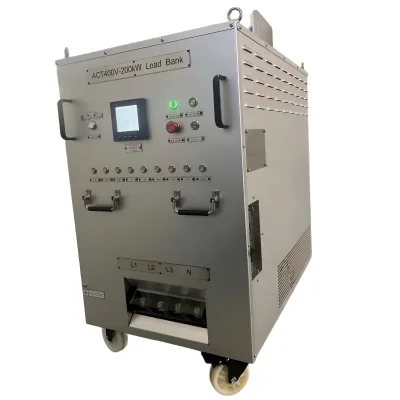
Electrical performance metrics and control interfaces require equally rigorous scrutiny to ensure compatibility with existing testing infrastructure. The frequency rating of 50/60Hz or 50Hz must match the local grid or generator output, and the voltage ratings, such as AC400V-600kW or AC415V-200KW, must be validated against the source being tested. Accuracy is another vital parameter, with some units offering a current adjust accuracy of ±1% and accuracy grades of 0, which are essential for precision calibration tasks. Buyers should also verify the discharge current capabilities and the specific model numbers, such as RXF, ZN48-200, or AC400V-600kW, to ensure the unit's internal architecture supports the required load profiles and control logic.
Compliance and Safety Documentation
Safety compliance for load banks involves verifying protection levels and environmental ratings that ensure safe operation in industrial or medical environments. The observed protection level of IP20 is a baseline specification that indicates protection against solid objects larger than 12.5mm but offers no water resistance; buyers must determine if this is sufficient for their specific site conditions or if a higher rating is required. For units intended for medical apparatus and instruments, additional safety certifications related to patient safety and electromagnetic compatibility may be necessary, even if not explicitly listed in the general product attributes. The presence of specific contactors like Schneide-R suggests a reliance on established component manufacturers, which can be a proxy for electrical safety reliability.
Documentation regarding the physical standards and manufacturing origins is essential for regulatory adherence and logistical planning. Listings reference specific standard dimensions such as 1200750850MM, 1200760800MM, and 165013501680mm, which serve as critical data for facility layout and structural support planning. The origin of the products, noted as Shenzhen or China, should be cross-referenced with import regulations and trade compliance requirements in the buyer's jurisdiction. Furthermore, the packaging standards, whether carton or wooden crate, must be verified to ensure they meet international shipping safety protocols, particularly for heavy units weighing up to 1000Kg that require specialized lifting equipment during installation.
Cost Drivers and Commercial Terms
The cost of an AC DC Load Bank is heavily influenced by its power capacity, control sophistication, and physical construction materials. Units with higher power ranges, such as those reaching 100kw or 10000W, and those featuring computer control with digital displays, command significantly higher prices than basic fixed resistor units. The material composition, specifically the use of ceramic and metal, adds to the manufacturing cost but provides necessary durability and thermal stability. Buyers should also account for the weight of the unit, as heavier models ranging from 35kg to 1000Kg incur higher shipping and handling fees, which can be a substantial portion of the total landed cost.
Commercial terms regarding minimum order quantities and customization options play a pivotal role in the final procurement budget. The observed MOQ range of 1 to 100 units allows for flexibility, but buyers must confirm if customization is available for specific resistance scales, such as log scales, or for unique packaging requirements like sea freight. The price range of $2.5 to $1,000,000 reflects the vast difference between a single component and a full-scale industrial system, requiring a clear definition of scope to avoid budget overruns. Additionally, the lead time and delivery terms, often implied by the origin and packaging type, should be negotiated explicitly to ensure the equipment arrives in time for critical testing schedules.
Supplier Qualification and Quality Control
Supplier qualification for load bank manufacturers should focus on their ability to provide consistent technical specifications and reliable after-sales support. Buyers must verify the supplier's track record in producing units with specific model numbers like RXF or ZN48-200 and ensure they can meet the precise dimensional standards observed in the market. The availability of customization services is a strong indicator of a supplier's engineering capability, allowing them to adapt products for unique applications such as medical instruments or high-power dynamic loading. It is also essential to confirm that the supplier uses reputable components, such as Schneide-R contactors, which suggests a commitment to quality and safety in their assembly processes.
Quality control processes must be validated through the supplier's adherence to production standards and testing protocols. Buyers should request evidence of how the supplier verifies critical parameters like current adjust accuracy of ±1% and temperature rise ratings of 375°C before shipment. The consistency of packaging, whether in cartons or wooden crates, is a tangible indicator of the supplier's attention to detail and ability to protect the equipment during transit. For high-value units, buyers may require third-party inspection reports or factory audits to ensure that the production processes align with the claimed specifications and that the final product meets the rigorous demands of industrial testing environments.
Long-Term Procurement Checks
Long-term procurement success depends on establishing a clear maintenance and support framework for the AC DC Load Bank. Buyers should verify the availability of spare parts, particularly for critical components like contactors and cooling fans, to minimize downtime during extended testing cycles. The durability of the materials, such as the ceramic and metal construction, should be assessed against the expected operational lifespan and the frequency of use in the facility. Additionally, the supplier's ability to provide firmware updates or software support for computer-controlled units is crucial for maintaining accuracy and functionality as testing requirements evolve over time.
Future scalability and compatibility with new testing standards should also be considered when finalizing the procurement strategy. As technology advances, the load bank may need to support higher frequencies, different voltage ranges, or more complex load profiles, so the supplier's roadmap for product upgrades is a key factor. Buyers should ensure that the documentation provided, including the standard dimensions and electrical ratings, remains accessible and up-to-date for future reference. Establishing a long-term relationship with a supplier who understands the specific application, such as medical apparatus or industrial power testing, ensures that the procurement process remains efficient and that the equipment continues to meet the organization's evolving needs.
FAQs
What types of resistors are used in ac dc load banks?
Ac dc load banks typically utilize ceramic and metal tubular resistors configured as load or sampling resistors. These components are available as fixed or variable resistors, including varistors, and are designed for through-hole or DIP installation. The materials ensure durability under high power ranges from 10W to 10000W, supporting stable performance in medical apparatus and instruments.
Can ac dc load banks operate in extreme ambient temperatures?
Yes, these units are engineered to function within an ambient temperature range of -55°C to +315°C. The rated temperature rise reaches up to 375°C, ensuring reliable operation under severe thermal conditions. This wide operational window makes them suitable for demanding industrial environments where standard electronic components might fail due to heat stress.
How is cooling managed in high-power ac dc load banks?
High-power models employ forced air cooling to dissipate heat efficiently during continuous operation. This method supports power ratings up to 100kW and ensures stable discharge currents ranging from 1-200A. The cooling system maintains safe operating temperatures, preventing overheating and extending the lifespan of the internal resistive elements and electronic control components.
What customization options are available for ac dc load banks?
Customization is available to meet specific application requirements, including tailored packaging and dimensional standards. Options include carton or wooden crate packing, with standard dimensions like 1200x750x850mm or 1650x1350x1680mm. Buyers can specify color schemes, such as black border with dark blue, and adjust loading methods to suit dynamic or electronic load testing needs.
Which specifications define the electrical performance of these load banks?
Key specifications include voltage ratings like AC400V-600kW or AC415V-200KW, with discharge capacities of 10-2000ah. Current adjust accuracy is typically ±1%, and frequencies support 50/60Hz operations. Models such as RXF or ZN48-200 indicate specific design variants, ensuring precise load simulation for testing power supplies, batteries, and generators in various industrial settings.
What protection levels do ac dc load banks provide?
These units generally offer IP20 protection levels, safeguarding internal components against solid object intrusion. While not fully sealed against water, this rating is sufficient for indoor industrial environments. The robust construction, often featuring digital displays and computer control, ensures safe operation while monitoring critical parameters like temperature, current, and voltage during rigorous load testing procedures.