Source Heated Insulated Hunting Boots for Hunting, Fishing, and Work
Explore 30 listings of Heated Insulated Hunting Boots designed for cold-weather activities. Buyers can compare features like waterproofing, thermal insulation, and materials such as neoprene and rubber across various styles and sizes.
Key considerations
Products List
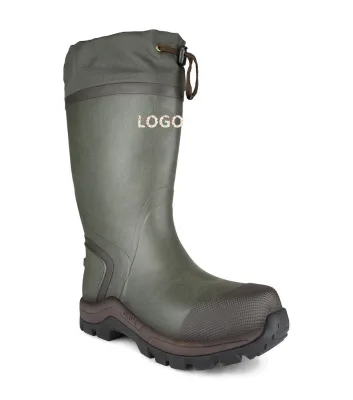
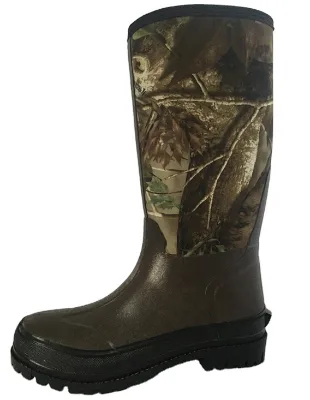
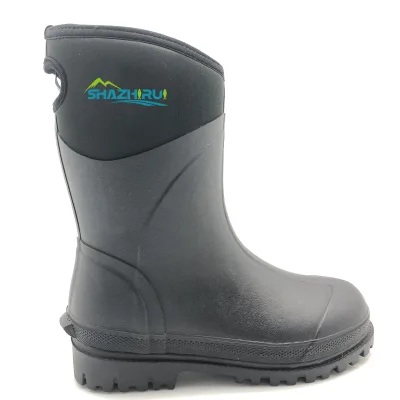
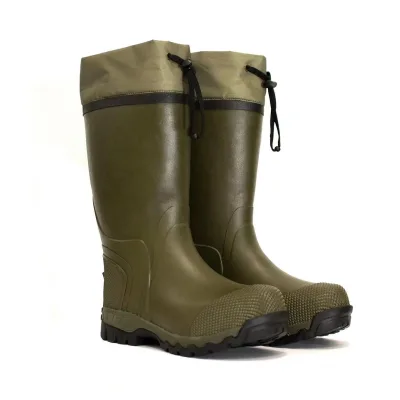
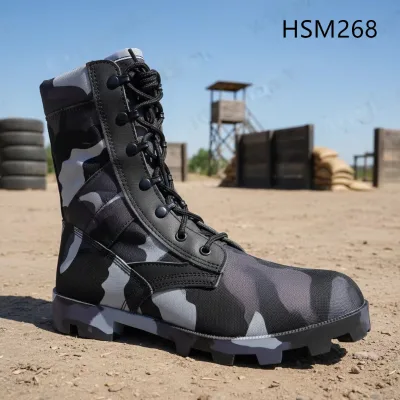
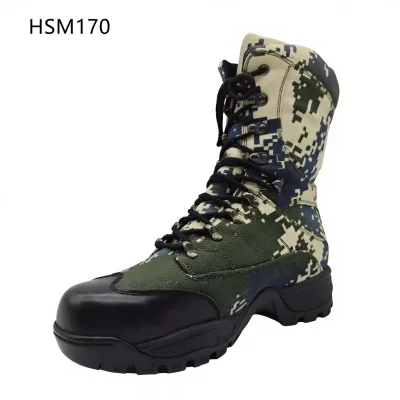
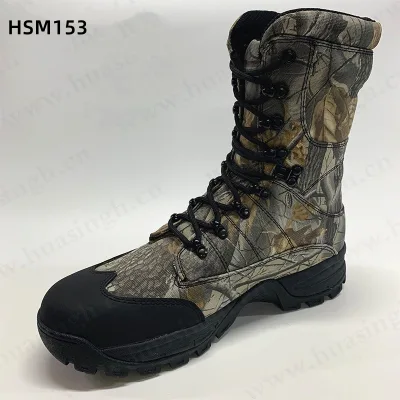


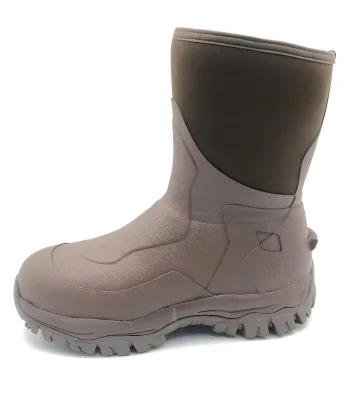


Comprehensive Sourcing Guide
Strategic Sourcing Guide for Heated Insulated Hunting Boots
Understanding Product Attributes and Technical Specifications
When sourcing Heated Insulated Hunting Boots, buyers must first distinguish between the core thermal requirements and the specific material technologies available in the current market. The product landscape for this category is defined by a convergence of weatherproofing, thermal retention, and durability. Based on observed market data, the primary technical attributes include features such as waterproofing, windproofing, and full head or face coverage capabilities, although the latter is less common in standard boot designs and may indicate specialized tactical gear. The thermal performance is often driven by specific lining materials and insulation technologies. Buyers should look for boots utilizing Cotton Fabric or Nylon linings, which provide comfort and moisture management. More advanced thermal retention is frequently associated with Neoprene shaft materials, with specific listings indicating 5MM Neoprene linings that offer significant warmth in cold environments.
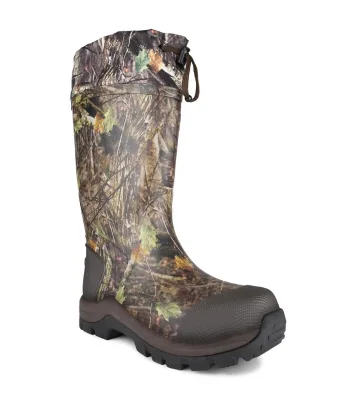
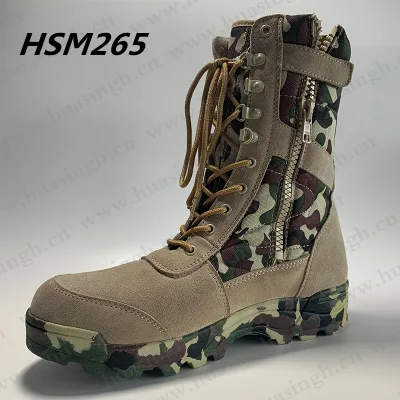
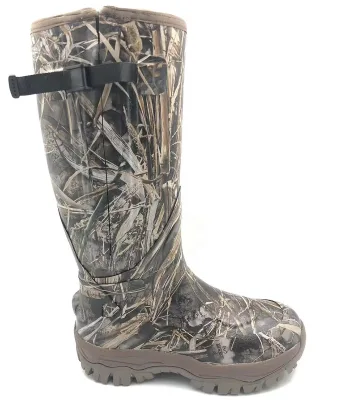
The construction of these boots often relies on robust outsole materials like EVA (Ethylene-Vinyl Acetate), which provides cushioning and shock absorption essential for long periods of standing or walking in rugged terrain. The upper materials vary, with Rubber being a dominant choice for its impermeability and durability. Some products feature Windstopper or Warmthtm technologies, which are critical for maintaining body heat while allowing breathability. The design styles range from Tactical and Sport to general Outdoor and Wellington designs, with boot heights extending to Knee-High levels to protect against snow and debris. Color options are typically functional, including Camouflage, Mossy Oak, Real Tree, Black, Green, and Army Green patterns, often achieved through Printed, Plain dyed, or Embroidery techniques.
| Technical Attribute | Common Variants | Sourcing Verification Point |
|---|---|---|
| Lining Material | Cotton Fabric, Nylon, 5MM Neoprene | Verify thickness and breathability claims. |
| Outsole Material | EVA | Check for slip resistance and flexibility. |
| Upper Material | Rubber, Neoprene | Assess waterproofing integrity. |
| Insulation Tech | Windstopper, Warmthtm | Confirm specific technology branding. |
| Boot Height | Knee-High, Standard | Ensure coverage matches hunting environment. |
| Closure Type | Slip-On | Evaluate ease of use with gloves. |
Compliance, Certification, and Management Standards
In the B2B procurement of hunting footwear, verifying compliance and certification is a critical step to ensure product safety and marketability. The supply chain for these boots often originates from specific manufacturing hubs, with Jiangsu, China, being a documented place of origin. When evaluating potential suppliers, buyers should request evidence of Management Certification, specifically ISO standards, which indicate a commitment to quality management systems. Furthermore, Product Certification such as CE (Conformité Européenne) is a key indicator that the footwear meets European safety, health, and environmental protection requirements.
Buyers must be cautious not to assume that every listed product possesses these certifications without explicit verification. The presence of a CE mark or ISO certification on a product listing should be treated as a claim that requires validation through official documentation. In addition to product-specific certifications, the supply type is often listed as OEM (Original Equipment Manufacturer) or Custom, meaning the supplier is prepared to produce goods under the buyer's brand. This is particularly relevant for brands looking to customize logos and packaging details, such as using polybags, boxes, or specific carton configurations (e.g., 5 pairs per carton). The supply ability is another metric to consider, with some manufacturers reporting capacities of 1000 pairs per day, which can influence lead time negotiations.
Cost Drivers and Pricing Dynamics
The pricing structure for Heated Insulated Hunting Boots is influenced by a complex interplay of material costs, customization levels, and order volume. The observed market price range for these items typically falls between 9 and 50 USD per unit, though this is a broad spectrum that depends heavily on the specific features selected. The Minimum Order Quantity (MOQ) is a significant cost driver, with observed ranges varying from as low as 2 pairs to as high as 1000 pairs. Some suppliers set a standard MOQ of 500 or 1000 pairs, which can impact the unit price for smaller buyers. However, many suppliers also accept small orders, providing flexibility for testing the market or fulfilling immediate needs.
Cost variations are also driven by the complexity of the design and the technology embedded in the boots. Boots featuring specialized materials like 5MM Neoprene, Windstopper technology, or custom camouflage patterns (such as Mossy Oak or Real Tree) will generally command a higher price point than standard rubber boots with basic nylon linings. The inclusion of custom branding, such as customized logos and specific packaging details, adds to the overall cost. Additionally, the single package size and gross weight (e.g., 44x34x14 cm and 3.000 kg per unit) affect shipping costs, which are a hidden but significant component of the total landed cost. Buyers should negotiate based on the total cost of ownership, including shipping from ports like Shanghai or Ningbo, rather than focusing solely on the unit price.
Typical Applications and Usage Scenarios
The primary application for Heated Insulated Hunting Boots is, as the name suggests, hunting. These boots are engineered to withstand the rigors of outdoor environments, providing protection against cold, wet, and windy conditions. The usage categories extend beyond hunting to include fishing, general outdoor activities, and work environments where foot protection is paramount. The seasonal versatility is a key selling point, with products designed for Summer, Autumn, Spring, and Winter use. This adaptability is achieved through the selection of breathable materials for warmer months and insulated, waterproof materials for colder seasons.
For hunting specifically, the boots must offer camouflage capabilities to blend into the environment. Patterns such as Camouflage, Mossy Oak, and Real Tree are essential for concealing the wearer from game. The tactical and sport styles also make these boots suitable for military or law enforcement applications, as well as recreational outdoor sports. The waterproof and insulated features ensure that users can remain in the field for extended periods without discomfort. The slip-on closure type is particularly useful for hunters who need to quickly don or doff their footwear, especially when wearing gloves. The durability of the rubber and EVA materials ensures that the boots can handle rough terrain, rocks, and dense vegetation without sustaining damage.
Supplier Evaluation and Selection Criteria
Selecting the right supplier requires a rigorous evaluation process that goes beyond the basic product listing. Buyers should prioritize suppliers who offer OEM and custom services, as this indicates a level of flexibility and capability to meet specific brand requirements. The supply type should be clearly defined, and the supplier's ability to handle customized sizes and logos must be confirmed. When evaluating suppliers, buyers should look for those with a proven track record in the specific region of origin, such as Jiangsu, China, which is known for its manufacturing capabilities in footwear.
Key evaluation metrics include the supplier's supply ability, which should align with the buyer's volume requirements. A supplier claiming a capacity of 1000 pairs per day is better positioned to handle large orders than one with limited capacity. The MOQ flexibility is also a critical factor; while some suppliers have a rigid 1000-pair requirement, others may accept smaller orders to facilitate market entry. Buyers should also assess the supplier's commitment to quality through their management certifications (ISO) and product certifications (CE). The ability to provide detailed packaging details, such as the use of polybags and specific carton configurations, demonstrates a mature supply chain. Finally, the port of dispatch, typically Shanghai or Ningbo, should be considered in the context of logistics and shipping costs.
Quality Control and Long-Term Procurement Considerations
Implementing a robust quality control (QC) strategy is essential for maintaining product integrity in the Heated Insulated Hunting Boots category. Buyers should establish clear specifications for materials, such as the thickness of the Neoprene lining and the composition of the outsole. Regular inspections should focus on the waterproofing integrity, the durability of the rubber upper, and the effectiveness of the insulation. Given the diverse range of features, including anti-static, rip-stop, and anti-shrink properties, QC protocols must be comprehensive to ensure that every batch meets the required standards.
Long-term procurement considerations involve building a sustainable relationship with suppliers who can consistently deliver high-quality products. This includes negotiating favorable terms for repeat orders, ensuring consistent lead times, and maintaining open communication regarding any changes in design or material availability. Buyers should also consider the environmental impact of their sourcing decisions, looking for suppliers who adhere to sustainable practices and hold relevant environmental certifications. The ability to customize products, such as offering different sizes and colors, allows buyers to adapt to changing market trends and customer preferences. By focusing on these long-term factors, buyers can secure a reliable supply chain that supports their brand growth and market competitiveness.
FAQs
What certifications do Heated Insulated Hunting Boots typically have?
Many Heated Insulated Hunting Boots carry CE product certification and ISO management certification. These standards verify safety and quality management systems, though buyers must request specific documentation to confirm each supplier's compliance status before ordering.
Can I order Heated Insulated Hunting Boots with customized sizes?
Yes, Heated Insulated Hunting Boots are available with customized sizes to meet specific buyer requirements. Suppliers often accept OEM and custom orders, allowing for tailored specifications while maintaining standard features like waterproofing and insulation for various seasonal conditions.
What materials are used for the lining of these boots?
Common lining materials include cotton fabric, nylon, and 5MM neoprene for thermal retention. Neoprene linings offer enhanced warmth in winter, while cotton and nylon provide comfort and breathability for spring, autumn, and summer usage scenarios in outdoor environments.
How much is the minimum order quantity for these boots?
The minimum order quantity typically ranges from 2 to 1000 pairs depending on the supplier. Some manufacturers set a standard MOQ of 500 or 1000 pairs, while others accept small orders to facilitate market testing or immediate fulfillment needs.
Which suppliers offer Heated Insulated Hunting Boots from China?
Suppliers offering these boots often originate from Jiangsu, China, with dispatch ports in Shanghai or Ningbo. Buyers should verify the specific place of origin and supply ability, such as 1000 pairs per day, to ensure the manufacturer can meet volume requirements.
What features make these boots suitable for hunting and fishing?
These boots feature waterproof, windproof, and insulated properties with camouflage patterns for concealment. The EVA outsoles and rubber uppers provide durability and slip resistance, while designs like Wellington or tactical styles ensure protection during extended outdoor activities in rugged terrain.