Find Knee High Boots for Winter Retail, Daily Wear & Wholesale
Browse Knee High Boots from 30 listed products spanning over-the-knee, knee-high, and Chelsea styles in winter colorways. Compare heel types, closure options, materials like waterproof velvet uppers, MOQ ranges, and sizing before requesting quotes from manufacturers.
Key considerations
Products List
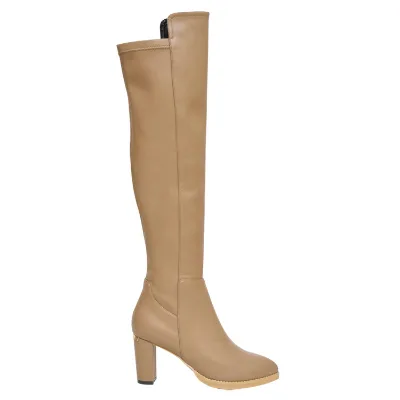
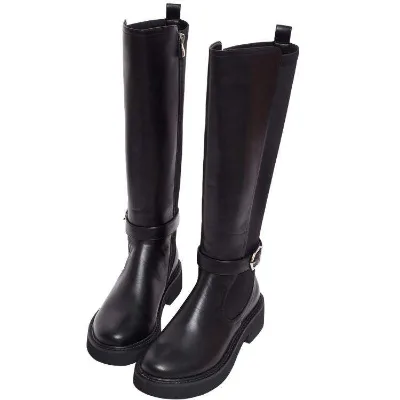
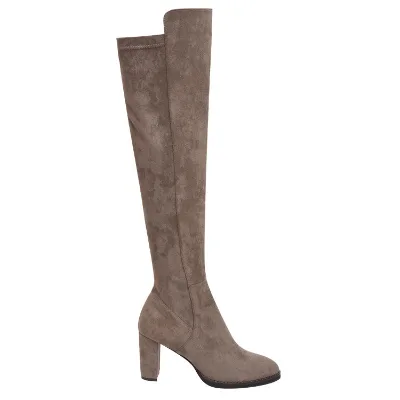
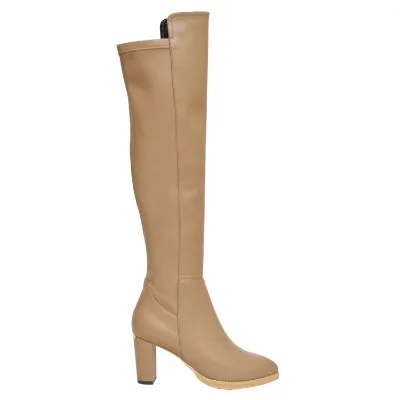
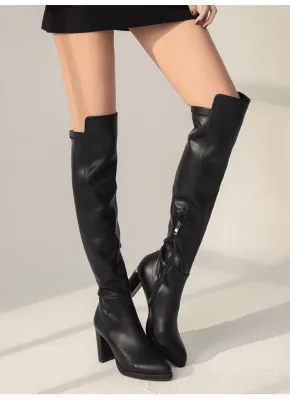
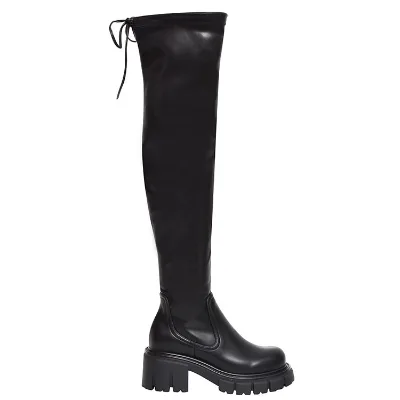
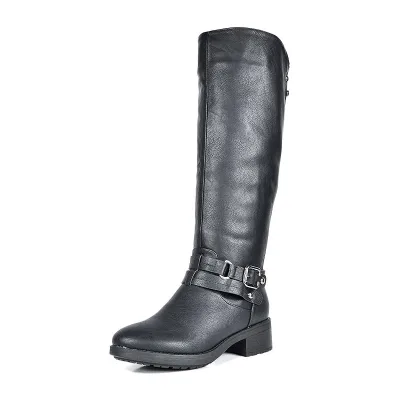
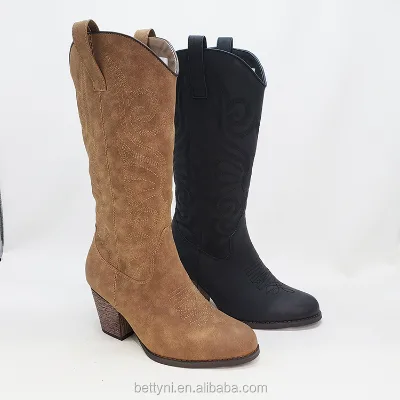
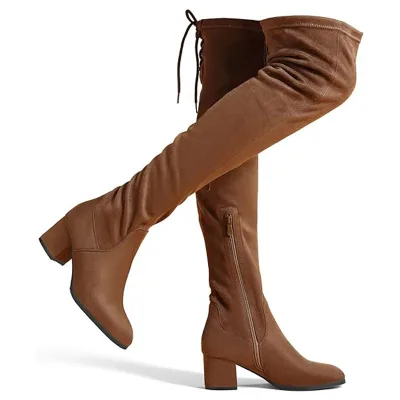


Cowboy Boots Women Pointed Toe Heeled Women Black Western Knee High Long Boots
$32.00 - $40.00
MOQ: 20 Pairs


Winter New Arrival Black Crocodile Pattern Boots Wedges Heel Knee High Boots
$29.00 - $43.00
MOQ: 20 Pairs


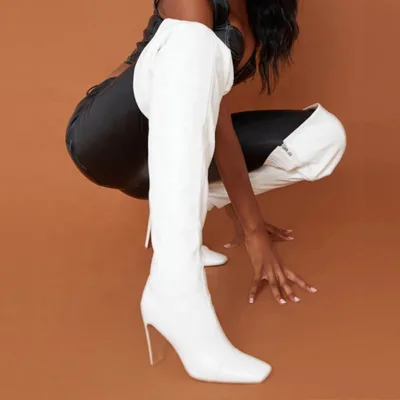
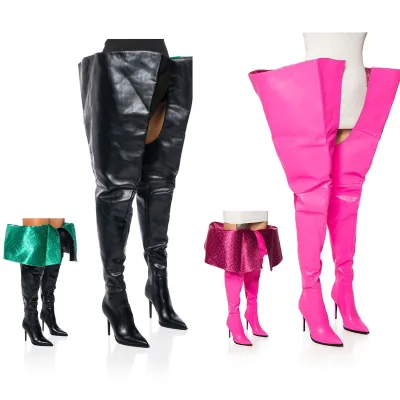

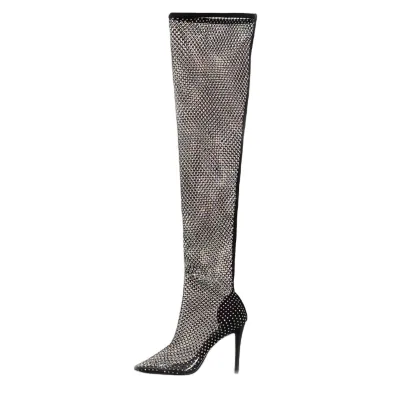
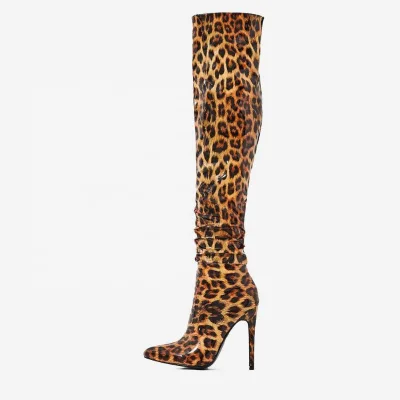
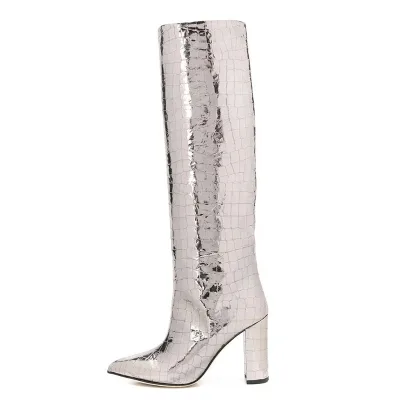
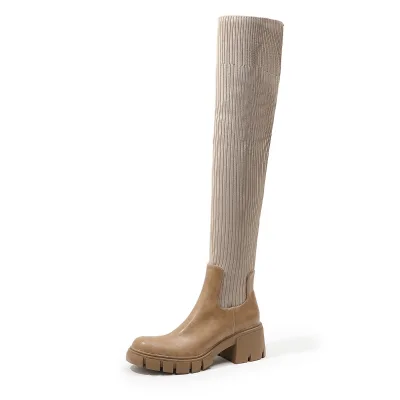
Comprehensive Sourcing Guide
Knee High Boots Sourcing Guide
Sourcing Knee High Boots requires a nuanced understanding of material performance, structural integrity, and seasonal demand cycles. These footwear items serve a dual purpose in the market, functioning as both functional winter wear and fashionable statement pieces for daily life and special occasions. Buyers must navigate a landscape where aesthetic trends, such as pointed toes or chunky heels, intersect with practical requirements like waterproofing and anti-slippery outsoles. The following guide provides evidence-based procurement strategies to help buyers evaluate suppliers, verify technical specifications, and mitigate supply chain risks effectively.
The procurement process for Knee High Boots is heavily influenced by the specific design attributes observed in current market listings. From the data, we see a wide variance in heel heights, ranging from flat designs to super high heels exceeding 8cm, and toe styles that include both pointed and round configurations. Understanding these variations is critical for aligning inventory with target demographic preferences. Furthermore, the choice of upper materials, such as waterproof velvet or genuine leather, directly impacts the product’s durability, comfort, and price point, necessitating a clear definition of quality standards before engaging with manufacturers.
Product Scope and Observed Listing Signals
The current market for Knee High Boots exhibits significant diversity in style and construction, reflecting varied consumer preferences. Listings indicate a strong presence of solid and geometric patterns, with color options predominantly featuring brown and black. The boot height is a critical differentiator, with products categorized as either knee-high or over-the-knee, often paired with specific closure types like side zippers or zipper-up mechanisms. Buyers should note that while some listings emphasize a "sexy" or "western" aesthetic, others focus on practical attributes like combat boot styles or Chelsea boot silhouettes, requiring careful segmentation of product lines based on end-user intent.
Material composition plays a pivotal role in defining the product’s value proposition and suitability for different seasons. Observed listings highlight the use of waterproof velvet for the upper material, paired with PU or mesh linings to enhance comfort and breathability. The midsole and outsole materials vary, with genuine leather and rubber being common choices for durability, while EVA is noted in some contexts for lighter weight. These material combinations suggest that buyers must verify the specific layering and construction methods to ensure the boots meet the expected performance standards for winter or autumn wear, particularly regarding water resistance and thermal insulation.
Technical Specifications to Verify
Verifying technical specifications is essential to ensure that the final product matches the agreed-upon design and quality standards. Key attributes to confirm include the exact heel height, which can range from flat to super high (8cm and above), and the toe style, which may be pointed or round. Buyers should also verify the boot height classification, ensuring it aligns with the knee-high or over-the-knee designation, and check the closure type, such as side zippers, for ease of use and durability. Additionally, the size range, typically spanning from EUR 35 to 42, must be accurately mapped to ensure proper fit and reduce return rates.
The structural components of the boots, including the midsole and outsole, require close inspection to assess longevity and comfort. While some listings specify genuine leather midsoles and rubber outsoles for superior grip and wear resistance, others may use EVA for lighter weight. Buyers should request detailed material breakdowns and, if possible, physical samples to test the flexibility, anti-slippery properties, and overall build quality. It is also crucial to verify the single package dimensions and gross weight, as these factors directly impact shipping costs and logistics planning, with observed dimensions around 35x30x12 cm and a gross weight of approximately 2.000 kg per item.
Compliance and Safety Documentation
Compliance and safety documentation are critical for ensuring that Knee High Boots meet international regulatory standards and consumer safety expectations. While specific certification statuses may vary by supplier and destination market, buyers should prioritize suppliers who can provide evidence of adherence to recognized safety standards, such as ISO 20345 for protective footwear, if applicable to the product’s intended use. This includes verifying that the materials used, particularly the outsoles and linings, are free from harmful substances and meet environmental and health regulations in the target market.
Buyers must also ensure that suppliers provide comprehensive product labeling and packaging compliance documentation. This includes accurate country of origin labeling, which is often China or specific regions like Wenzhou, and clear size and material composition labels. The packaging details, whether high-quality boxes or poly bags, should be verified to ensure they protect the product during transit and meet any retail or e-commerce requirements. Additionally, suppliers should be able to provide test reports for key performance indicators such as anti-slippery properties, durability, and water resistance, ensuring that the boots perform as claimed in real-world conditions.
Cost Drivers and Commercial Terms
Cost drivers for Knee High Boots are primarily influenced by material selection, design complexity, and order volume. The use of premium materials like genuine leather for midsoles or waterproof velvet for uppers will significantly impact the unit price, which can range from approximately $9.8 to $220 depending on the specific configuration and quality tier. Buyers should also consider the impact of heel height and style, with super high heels and intricate geometric patterns potentially commanding higher prices due to increased manufacturing complexity. Understanding these cost drivers allows buyers to negotiate more effectively and align their budget with their target market’s price sensitivity.
Commercial terms, including minimum order quantities (MOQ) and supply ability, are crucial for planning inventory and cash flow. Observed MOQs can range from as low as 1 pair to as high as 300 pairs, offering flexibility for both small-scale retailers and large distributors. Suppliers with a supply ability of 10,000 pairs per week can accommodate larger orders and faster turnaround times, which is beneficial for meeting seasonal demand spikes. Buyers should also clarify the port of dispatch, such as Ningbo, Shanghai, or Shenzhen, and negotiate clear terms for customization, including logo placement and packaging options, to ensure brand consistency and market differentiation.
Supplier Qualification and Quality Control
Supplier qualification is a critical step in mitigating risks associated with knee high boot procurement. Buyers should conduct thorough due diligence on potential suppliers, verifying their business licenses, production capabilities, and quality control processes. It is essential to assess the supplier’s ability to handle customized orders, including logo placement and specific design requirements, as indicated by the availability of customized logo options. Suppliers with a strong track record in producing high-quality footwear, as suggested by their emphasis on "High Quality" and features like light weight and hard-wearing construction, should be prioritized.
Quality control measures must be rigorously enforced throughout the production process to ensure consistency and reliability. Buyers should implement pre-production sample approvals, in-line inspections, and final random inspections to catch defects early and prevent costly rejections. Key quality checkpoints include verifying the stitching integrity, zipper functionality, and material consistency across all units. Additionally, buyers should establish clear acceptance criteria for cosmetic and functional defects, ensuring that the final product meets the agreed-upon standards for appearance, comfort, and durability before shipment.
Long-Term Procurement Checks
Long-term procurement success for Knee High Boots depends on continuous monitoring of supplier performance and market trends. Buyers should regularly review supplier metrics, including on-time delivery rates, defect rates, and responsiveness to issues, to identify potential risks and opportunities for improvement. Building a strong relationship with reliable suppliers can lead to better pricing, priority production slots, and collaborative innovation in design and materials. It is also important to stay updated on emerging trends in footwear, such as new material technologies or shifting consumer preferences, to keep the product offering relevant and competitive.
Sustainability and ethical sourcing practices are increasingly important considerations for long-term procurement strategies. Buyers should evaluate suppliers’ commitment to environmental responsibility, such as the use of eco-friendly materials and sustainable manufacturing processes, to align with growing consumer demand for ethical products. Additionally, buyers should regularly assess the total cost of ownership, including logistics, tariffs, and potential currency fluctuations, to ensure that the procurement strategy remains cost-effective and resilient to market changes. By maintaining a proactive approach to supplier management and market analysis, buyers can secure a stable and profitable supply chain for Knee High Boots.
FAQs
What boot heights are available for these Knee High Boots?
Listed styles include knee-high and over-the-knee heights, with one specification noting an 8cm boot shaft height. Over-the-knee styles typically extend above the knee for a taller silhouette, while knee-high styles stop at or just below the knee. Confirm the exact shaft measurement with the supplier before ordering, since heights vary across models within the range.
Can I order these women boots in sizes beyond the standard range?
Standard EUR sizes listed are 35 through 42 on some models and 36 to 41 on others. Many manufacturers can accommodate extended sizing, but this usually depends on mold availability and may require a larger minimum order. Ask the supplier whether your target sizes are in stock or need a custom production run.
How can I customize the logo on Knee High Boots for my brand?
Customized logo options are listed for these boots, so you can typically add your branding to the boot itself or the packaging. Suppliers usually need your artwork in a vector file and may charge a setup fee depending on the printing or embossing method. Confirm logo placement, technique, and any extra cost before confirming your order.
What materials are used in these Knee High Boots?
Listed materials include waterproof velvet uppers, PU or mesh linings, genuine leather midsoles, and rubber or EVA outsoles. Material combinations vary by model, so check the specification sheet for the exact pair you want. Uppers, linings, and outsole materials all affect comfort, weight, and durability for winter daily wear.
Which heel types and heel heights are offered in this range?
The range includes chunky heels, super high heels of 8cm or more, high heels between 5cm and 8cm, and some flat styles. Chunky heels offer more stability for daily wear, while higher heels suit fashion-focused occasions. Toe styles include pointed toe and round toe, so you can match heel and toe options to your target customers.
Can I get closure options like side zippers on these boots?
Yes, side zipper closure is a listed feature, and ZIP closure types appear across the range. Zippers make the boots easier to put on and remove, especially for knee-high and over-the-knee heights. If you need a specific zipper type or placement, confirm it with the supplier as part of your product specification.
What is the minimum order quantity and supply capacity for these boots?
One listed model has a minimum order of 300 pairs, while the range overall shows MOQs from 1 to 300 depending on the listing. Supply ability is stated as 10000 pairs per week. Lower MOQs usually apply to sample or trial orders, so negotiate terms based on your first purchase size.
How are the boots packaged and shipped for wholesale orders?
Packaging is a high quality box or poly bag, with single package size around 35 by 30 by 12 cm and single gross weight of 2 kg. Selling units are single items. Dispatch ports include Ningbo, Shanghai, and Shenzhen, so shipping costs depend on your destination and chosen freight method. Confirm packaging preferences when placing bulk orders.