Source Acid Resistant Magnetic Chemical Pump for Water, Industry, and Agriculture
Compare 30 Acid Resistant Magnetic Chemical Pump options from verified suppliers. These pumps feature horizontal mounting, single-stage impellers, and materials like stainless steel or fluoroplastic for handling concentrated sulfuric acid and other corrosive fluids in industrial applications.
Key considerations
Products List


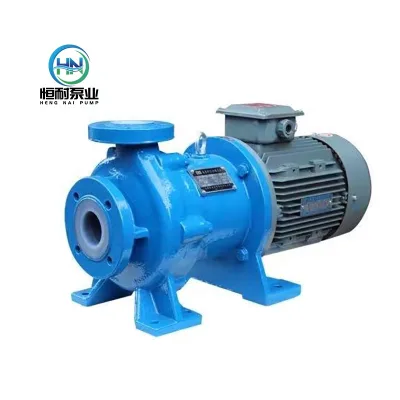
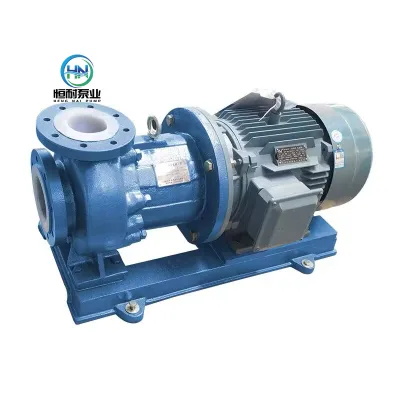
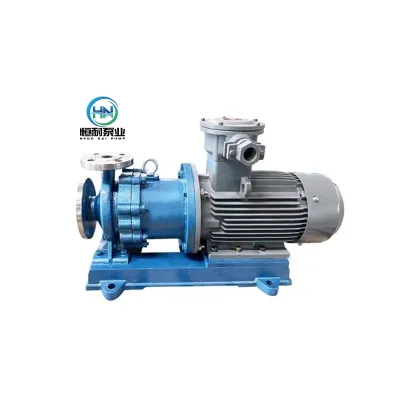
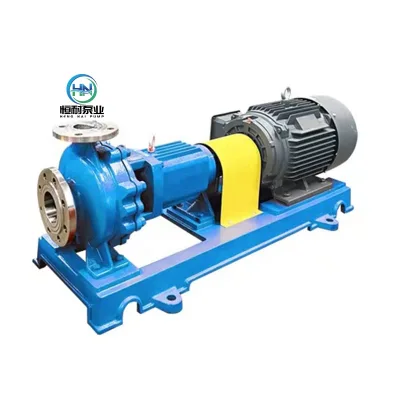
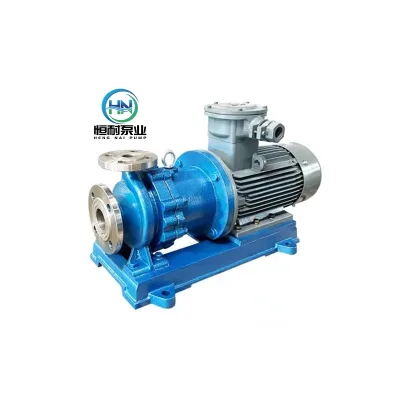


High-Efficiency Magnetic Pump for Chemical and Pharmaceutical Applications
$50.00 - $1000.00
MOQ: 1 Pieces


Chinese Brand Aggressive Chemical Liquid Handling Fluoroplastic Magnetic Pump
$500.00 - $8000.00
MOQ: 1 Pieces


Durable Stainless Steel Magnetic Drive Pump for Chemical Liquid Handling
$500.00 - $8000.00
MOQ: 1 Pieces

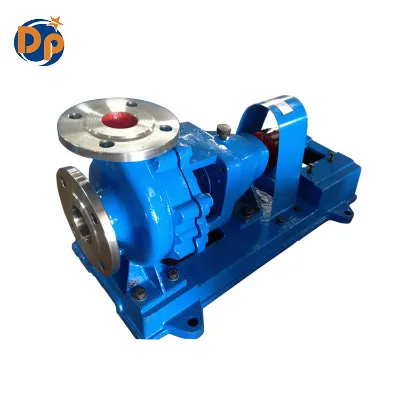

High-Efficiency Acid Resistant Magnetic Pump for Caustic Solutions with ISO9001
$3200.00 - $4000.00
MOQ: 1 Pieces

Corrosion Chemical Pumps Magnet Coupled Drive Centrifugal Magnetic Driven Pump
$2800.00 - $3600.00
MOQ: 1 Pieces

Reliable Magnetic Pump for Chemical Processing and Industrial Applications
$2200.00 - $3000.00
MOQ: 1 Pieces

Heavy-Duty Acid and Wear-Resistant Magnetic Pump for Industry in Petrochemical
$2200.00 - $3000.00
MOQ: 1 Pieces

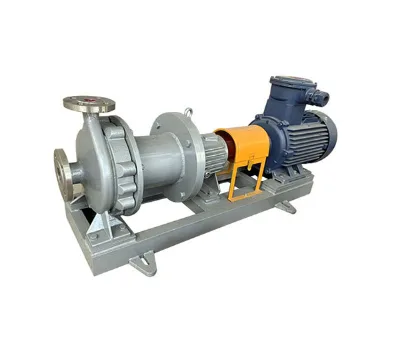
Comprehensive Sourcing Guide
Strategic Sourcing Guide for Acid Resistant Magnetic Chemical Pumps
Understanding the Core Technology and Operational Mechanics
The acquisition of acid resistant magnetic chemical pumps requires a fundamental understanding of the magnetic drive technology that distinguishes them from traditional mechanical seal pumps. In this specific category, the driving type is consistently identified as magnetic, which eliminates the need for a physical shaft seal. This design is critical for handling corrosive fluids, as it removes the primary failure point associated with leakage. The observed product attributes indicate that these units are primarily configured as horizontal pumps with a horizontal split casing design. This configuration facilitates easier maintenance and inspection of internal components without the need to disconnect piping.
The impeller configuration is another vital technical specification. The available data points to single-suction impellers that are often of the open type. These are typically paired with single-stage pump designs, which are optimized for specific head and flow requirements. The maximum head observed in the current market data ranges between 10 and 30 meters for certain configurations, while other high-performance variants can reach up to 80 meters. The flow capacity varies significantly, with some models supporting a maximum capacity of 100 to 200 liters per minute, while others are engineered for high-flow applications reaching up to 100 tons per hour. Buyers must carefully match these ranges to their specific process requirements, as the "High Flow Magnetic Drive Pump" designation often implies a different scale of operation than the "Concentrated Sulfuric Acid Chemical Pump" variants.
The mounting height and shaft position are standardized as horizontal, which simplifies installation in most industrial settings. However, specific applications such as irrigation centrifugal pumps or suction centrifugal pumps may have distinct mounting requirements that differ from standard chemical transfer duties. The theory of operation for these units is rotary, driven by electric motors with power ratings ranging from 0.55 kW to 22 kW, and in some heavy-duty industrial contexts, extending up to 110 kW. The voltage supply is typically 380/440V, which is standard for industrial three-phase power systems.
Material Compatibility and Construction Standards
The material selection for acid resistant magnetic chemical pumps is the most critical factor in ensuring longevity and safety. The supply chain data indicates a diverse range of materials, including stainless steel, cast iron, alloy aluminum, and fluoroplastic. For applications involving concentrated sulfuric acid or other aggressive chemicals, the use of fluoroplastic (specifically F46) lining is a common and highly recommended specification. This lining provides a barrier between the corrosive fluid and the structural metal components, preventing rapid degradation.
When evaluating material specifications, buyers should look for explicit mentions of "Steel-lined with fluoroplastic" or similar descriptions. The standard or non-standard classification of the product is also a factor; while many units are built to standard dimensions, custom configurations are available. The physical dimensions and weight of the units can vary drastically, with some large-scale industrial pumps weighing up to 32 tons and having dimensions of 600042003000 mm. In contrast, smaller units may have a single gross weight of 30 kg and a single package size of 100x100x100 cm.
It is essential to verify the specific material grade for the impeller and casing. While stainless steel is a common choice for general chemical resistance, the presence of fluoroplastic lining is often necessary for high-acidity environments. The "Open" impeller type mentioned in the data suggests a design that may be more prone to clogging with particulate matter but offers better flow characteristics for certain viscous fluids. Buyers must cross-reference the chemical being pumped with the material compatibility charts provided by the manufacturer to ensure that the selected pump material will not react with the fluid.
Compliance, Certification, and Safety Verification
Navigating the compliance landscape for chemical pumps involves verifying both product standards and supplier certifications. The provided data lists several potential standards, including ISO 15783, ISO 9001, CE, and ISO 2858. However, it is crucial to treat these as background references rather than guaranteed attributes for every listed product. Buyers must explicitly request proof of certification for the specific model they intend to purchase. For instance, the CE mark indicates conformity with health, safety, and environmental protection standards for products sold within the European Economic Area, but its presence must be verified on a case-by-case basis.
The warranty period is another indicator of manufacturer confidence, with a standard offering of 2 years observed in the market data. This warranty should cover both the magnetic drive assembly and the pump casing. Additionally, the customization support offered by suppliers, including OEM and ODM capabilities, allows for tailored solutions that may meet specific regulatory requirements. The "Standard or Nonstandard" attribute suggests that while many pumps are built to standard dimensions, custom modifications are possible to meet unique site conditions or regulatory constraints.
Buyers should also verify the origin of the product, as manufacturing locations such as Dongguan City, Shanghai, and Anhui in China are prominent hubs for this equipment. The place of origin can influence the availability of spare parts and the quality of the manufacturing process. While the data mentions "High Flow Magnetic Drive Pump" and "Chemical Magnetic Drive Pumps" as keywords, these are descriptive terms rather than certified standards. The actual compliance status must be confirmed through documentation provided by the supplier, including test reports and material certificates.
Cost Drivers and Procurement Economics
The pricing for acid resistant magnetic chemical pumps is influenced by a wide range of factors, including material composition, motor power, and customization requirements. The observed price range in the market spans from 50 USD to 50,000 USD, reflecting the vast difference between small laboratory-scale units and large industrial systems. The minimum order quantity (MOQ) is typically 1 set, which provides flexibility for buyers who need to replace a single unit or test a new supplier. However, for larger orders, buyers may negotiate better pricing or shipping terms.
The motor power is a significant cost driver, with options ranging from 0.55 kW to 110 kW. Higher power motors generally command a higher price and may require more robust electrical infrastructure. The packing method, such as wooden case packing or plywood, also affects the final cost, especially for international shipping. Sea and air freight are available, but the choice of shipping method will impact the total landed cost. The single gross weight of the unit, which can be as high as 30 kg for smaller models or 32 tons for larger ones, will directly influence freight charges.
Buyers should also consider the long-term cost of ownership, which includes maintenance, energy consumption, and the cost of spare parts. The "Long Life" feature mentioned in the product attributes suggests that these pumps are designed for durability, but the actual lifespan depends on the operating conditions and the quality of the materials used. The warranty period of 2 years provides a buffer against early failures, but buyers should plan for ongoing maintenance costs.
Typical Applications and Industry Use Cases
The versatility of acid resistant magnetic chemical pumps allows them to be deployed across a wide array of industries. The application data highlights sectors such as the automotive industry, biofuel industry, commercial buildings, and developing world water solutions. Specific use cases include district energy systems, drinking water treatment, family homes, food and beverage industry, HVAC OEMs, industrial boilers, and industrial utilities. The "Agriculture Irrigation" application is also noted, indicating that these pumps can handle agricultural chemicals and fertilizers.
In the chemical processing sector, these pumps are essential for handling corrosive substances like concentrated sulfuric acid. The "Stainless Steel Chemical Pump" and "Fluorine lined magnetic pump" designations point to their suitability for harsh chemical environments. The "High Flow" variants are particularly useful in applications requiring large volumes of fluid transfer, such as in industrial boilers or district energy systems. The "Single Suction Pump" configuration is ideal for applications where the fluid source is at a lower level than the pump inlet.
Buyers should evaluate their specific application requirements against the pump's capabilities. For example, a pump with a maximum head of 80 meters may be necessary for high-rise building applications, while a pump with a capacity of 100-200 L/min may be sufficient for smaller laboratory or pilot plant operations. The "Rotary Pump" theory of operation makes these units suitable for continuous flow applications, but they may not be ideal for intermittent or batch processes without proper control systems.
Supplier Evaluation and Quality Control Protocols
Evaluating suppliers for acid resistant magnetic chemical pumps requires a rigorous assessment of their capabilities and quality control processes. The data indicates that suppliers offer customization support, including OEM and ODM services, which suggests a level of flexibility in meeting specific buyer needs. The brand name "Hengnai" is mentioned, but buyers should not rely on a single brand and should instead evaluate multiple suppliers based on their technical expertise and track record.
Quality control should be a priority, with buyers requesting detailed documentation on the manufacturing process, material testing, and final inspection procedures. The "Standard or Nonstandard" attribute suggests that while many pumps are built to standard dimensions, custom modifications are possible. Buyers should verify that the supplier has a robust quality management system in place, potentially certified to ISO 9001, although this must be confirmed for each specific supplier.
The lead time and shipping capabilities are also important factors. The data mentions that sea and air freight are available, but buyers should confirm the specific lead times for their order. The "Wooden Case Packing" and "Plywood" options indicate that the supplier has experience with international shipping, but buyers should ensure that the packaging is sufficient to protect the pump during transit. The "Single package size" and "Single gross weight" data points can help buyers plan for logistics and storage.
Long-Term Procurement and Maintenance Strategy
Procuring acid resistant magnetic chemical pumps is not just a one-time transaction but a long-term commitment to maintaining operational efficiency. The "2 years" warranty period provides a baseline for manufacturer support, but buyers should establish a relationship with the supplier for ongoing maintenance and spare parts supply. The "Long Life" feature suggests that these pumps are designed for durability, but regular maintenance is essential to maximize their lifespan.
Buyers should develop a maintenance schedule that includes regular inspections of the magnetic drive, impeller, and casing. The "Open" impeller type may require more frequent cleaning to prevent clogging, while the "Horizontal Split Pumps" design facilitates easier access for maintenance. The "Electric" power source and "380/440" voltage requirements mean that buyers should ensure their electrical infrastructure is compatible with the pump's specifications.
The "Customization" attribute indicates that suppliers can tailor the pump to specific needs, which can be beneficial for long-term procurement. Buyers should consider the availability of spare parts and the ease of obtaining them. The "Place of origin" data suggests that suppliers in China are a primary source, but buyers should verify the availability of local support and service centers. By establishing a strategic partnership with a reliable supplier, buyers can ensure a steady supply of high-quality pumps and minimize downtime in their operations.
FAQs
What is the driving type for acid resistant magnetic chemical pumps?
The driving type is consistently magnetic, which eliminates physical shaft seals to prevent leakage. This design is critical for handling corrosive fluids safely and efficiently in industrial applications.
Which materials are used for the pump casing and impeller?
Materials include stainless steel, cast iron, alloy aluminum, and fluoroplastic. For aggressive chemicals, steel-lined fluoroplastic (F46) is often specified to ensure resistance against corrosion and chemical degradation.
Can these pumps be customized for specific industrial needs?
Yes, customization is available with OEM and ODM support options. Buyers can request tailored solutions to meet unique process requirements or specific regulatory constraints while maintaining standard performance.
What is the typical warranty period for these pumps?
The standard warranty period observed is two years. This coverage typically includes the magnetic drive assembly and pump casing to protect against early failures and manufacturing defects.
How much does a single unit typically weigh?
Weights vary significantly, ranging from 30 kg for smaller units to 32 tons for large industrial systems. Packaging often uses wooden cases or plywood for sea and air freight availability.
What is the maximum head capacity for these pumps?
Maximum head ranges from 10 to 30 meters for standard configurations and up to 80 meters for high-performance variants. Buyers must match these ranges to their specific vertical lift requirements.
Which industries commonly use these chemical pumps?
Applications span automotive, biofuel, food and beverage, and water treatment industries. They are also used in district energy systems, HVAC OEMs, and agriculture irrigation for handling corrosive fluids.