Source Adjustable Aluminum Air Outlet for HVAC Systems
Find 30 Adjustable Aluminum Air Outlet options for HVAC and ventilation projects. Compare specifications like ISO certification, ABS and metal materials, and mounting types to select the right vent for your application; compare the available evidence and request quotations based on your requirements.
Updated
Key considerations
Products List







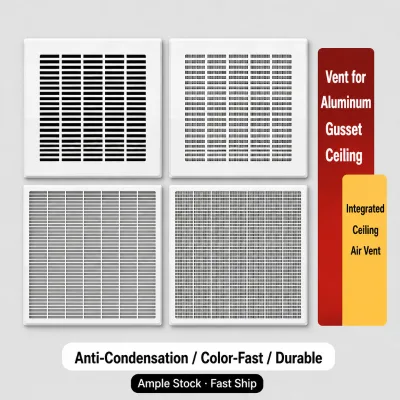
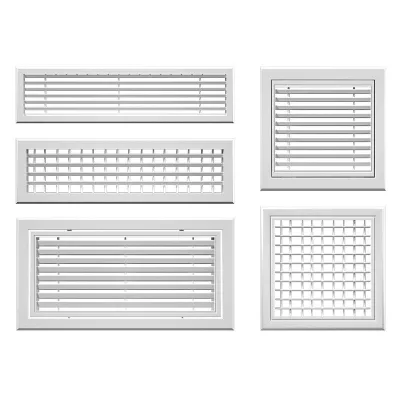
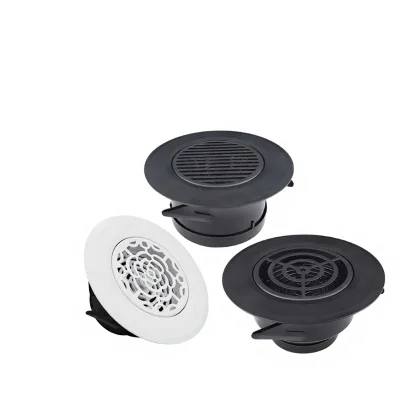
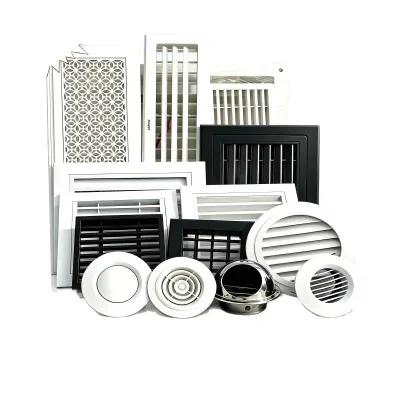


Comprehensive Sourcing Guide
Adjustable Aluminum Air Outlet Sourcing Guide
Procuring adjustable aluminum air outlets requires a disciplined approach to balancing airflow control with aesthetic integration in HVAC systems. Buyers must first define the operational environment, as these components serve critical roles in regulating temperature and air distribution across residential and commercial spaces. The observed market signals indicate a diverse range of products, from simple square vents to complex venetian-style diffusers, each serving distinct functional needs. Understanding the specific airflow requirements, such as volume and pressure, is essential before engaging with suppliers. This initial clarity prevents costly mismatches between the selected outlet and the building’s mechanical design, ensuring optimal performance and energy efficiency.
The sourcing landscape for these components is characterized by significant variation in materials, finishes, and mounting configurations. While aluminum is a primary material of interest, listings also reveal the use of ABS plastic and mixed metal alloys, which may offer different durability or cost profiles. Buyers should carefully evaluate the finish options, such as powder coating, to ensure compatibility with the interior design and environmental conditions. Additionally, the availability of customization services suggests that off-the-shelf solutions may not always meet unique architectural constraints. Engaging with suppliers who offer flexible production capabilities can provide a competitive advantage in projects requiring bespoke HVAC aesthetics or specific dimensional tolerances.
Product Scope and Observed Listing Signals
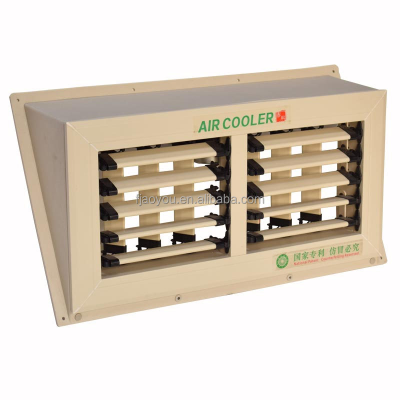
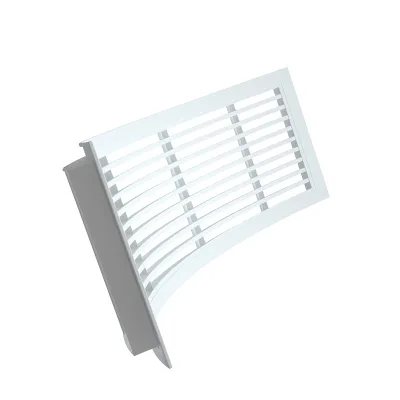
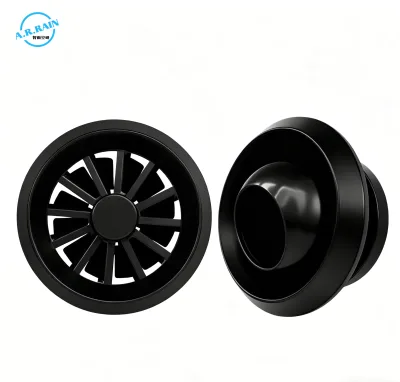
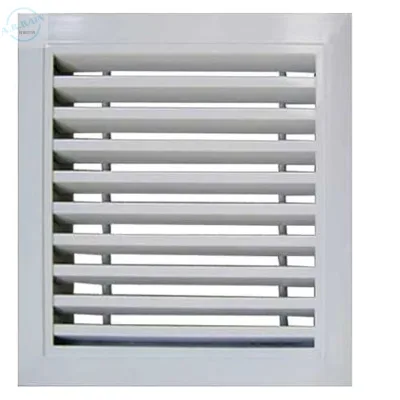
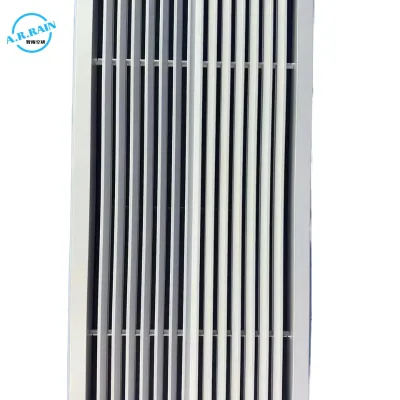
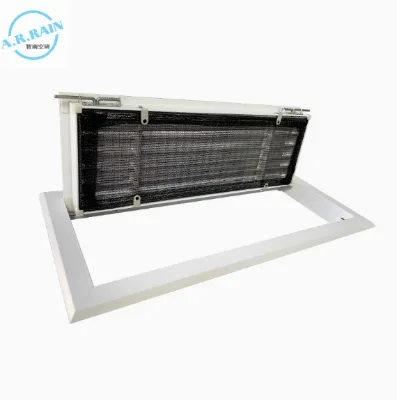
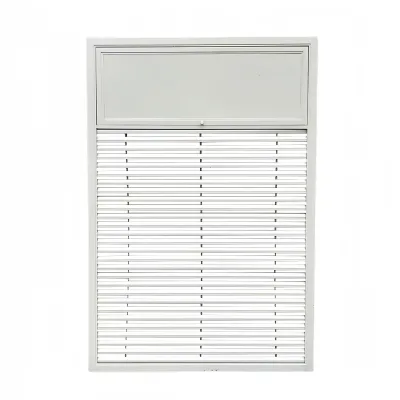
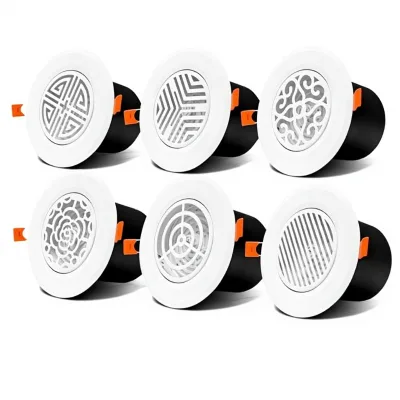
The current market for adjustable air outlets encompasses a wide spectrum of product types, including square vents, venetian-style diffusers, and single or double joint configurations. Observed listings highlight specific models such as LS0601, LS0602, and S-803, indicating a standardized yet varied product catalog among manufacturers. These products are often designed for air conditioner applications, emphasizing their role in maintaining indoor climate control. The presence of features like easily cleaned surfaces and control air flow bafflers underscores the functional priorities of modern HVAC components. Buyers should note that while aluminum is a key material, other options like plastic and ABS are also prevalent, offering alternative solutions for budget-conscious or specific technical requirements.
Listing signals also reveal important logistical and commercial details that influence sourcing decisions. Prices observed in the market range significantly, reflecting differences in material quality, manufacturing complexity, and brand positioning. Minimum order quantities vary from single items to hundreds of pieces, catering to both small renovation projects and large-scale construction contracts. Delivery times can be remarkably fast, with some suppliers offering shipment within three days of deposit receipt, which is crucial for tight project schedules. Furthermore, packaging methods, ranging from wrapping cloth labels to wooden cases, indicate varying levels of protection during transit. Understanding these signals helps buyers align their procurement strategy with their project’s scale, timeline, and budget constraints.
Technical Specifications to Verify
Verifying technical specifications is paramount to ensuring the selected air outlet meets the structural and functional demands of the installation. Buyers must confirm the exact dimensions, as observed standards include sizes like 75mm, 110mm, 125mm, and larger formats such as 360x360mm or 430x430mm diffusers. The hole size and damper dimensions, whether square or round, must align precisely with the ductwork and ceiling or wall openings. Additionally, the mounting type, whether wall, window, bottom, or side pipeline, dictates the installation method and structural integrity. It is essential to verify the operating voltage, although many passive vents operate at zero voltage, active components may require specific electrical inputs.
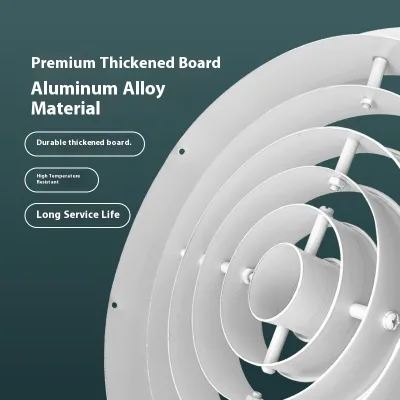
Material composition and finish quality are critical technical factors that affect longevity and performance. While aluminum is a preferred material for its durability and aesthetic appeal, buyers should verify the alloy type and thickness to ensure resistance to corrosion and deformation. The presence of powder coating or other finishes should be confirmed for environments with high humidity or specific aesthetic requirements. Furthermore, the airflow capacity, indicated by metrics like 500 cubic units, must be matched to the HVAC system’s output. Buyers should also inquire about the venetian-style air layer configuration, as single or multi-layer designs impact noise levels and air distribution patterns. Accurate specification verification prevents installation errors and ensures optimal airflow regulation.
Compliance and Safety Documentation
Compliance with international and regional standards is a non-negotiable aspect of sourcing adjustable aluminum air outlets. Buyers must request and verify certification documents, such as ISO 9001 for quality management and CE marking for European market compliance. These certifications indicate that the manufacturer adheres to rigorous production and safety protocols. Additionally, specific regional certifications like 3C may be required for products destined for certain markets. It is crucial to ensure that the documentation is current and issued by recognized accreditation bodies. Relying on uncertified products can lead to regulatory hurdles, project delays, and potential safety liabilities, making thorough documentation review an essential step in the procurement process.
Beyond certifications, buyers should assess the manufacturer’s adherence to industry-specific safety and performance standards. This includes verifying that the materials used, such as aluminum alloys or ABS plastics, meet flammability and toxicity regulations. Documentation should also cover testing results for durability, airflow efficiency, and noise reduction, although specific test data may not always be publicly available. Buyers should request detailed product data sheets that outline these compliance aspects. Furthermore, understanding the origin of the products, whether from Jiangxi, Fujian, or Zhejiang in China, can provide insights into the regional regulatory environment and manufacturing practices. Ensuring comprehensive compliance documentation mitigates legal risks and enhances the credibility of the installed HVAC system.
Cost Drivers and Commercial Terms
Understanding the cost drivers behind adjustable aluminum air outlets is essential for effective budget management and negotiation. Key factors influencing price include the material type, with aluminum typically commanding a higher price than plastic alternatives, and the complexity of the design, such as venetian-style diffusers versus simple square vents. Finishing processes like powder coating also add to the cost, as do customizations in size or color. Buyers should analyze the price range, which can vary from low-cost basic units to premium, highly customized solutions. Recognizing these drivers allows for more accurate cost forecasting and helps in identifying opportunities for value engineering without compromising quality.
Commercial terms, including minimum order quantities (MOQ) and payment conditions, significantly impact the total cost of ownership. Observed MOQs range from one piece to five hundred, offering flexibility for both small and large orders. Payment terms, such as the requirement for a deposit before production, are common and should be factored into cash flow planning. Lead times, which can be as short as three days after deposit, offer advantages for urgent projects but may come with premium pricing. Buyers should also consider shipping costs and packaging requirements, as items packed in wooden cases may incur higher freight charges. Negotiating favorable commercial terms can reduce overall procurement costs and improve project financials.
Supplier Qualification and Quality Control
Supplier qualification is a critical step in ensuring the reliability and consistency of Adjustable Aluminum Air Outlet supplies. Buyers should evaluate suppliers based on their production capacity, with observed supply abilities ranging from ten thousand to one hundred thousand pieces per month. This capacity indicates the supplier’s ability to handle large orders without compromising quality or delivery schedules. Additionally, assessing the supplier’s technological capabilities, such as their ability to perform customizations and offer various finishing options, is essential. Suppliers with robust quality control systems and modern manufacturing facilities are more likely to deliver products that meet strict technical specifications and aesthetic requirements.
Quality control measures should be rigorously verified through audits and sample testing. Buyers should inquire about the supplier’s inspection processes, including raw material verification, in-process checks, and final product testing. Observing the packaging details, such as the use of cartons and wooden cases, can provide insights into the supplier’s attention to product protection during transit. Furthermore, requesting references or case studies from previous clients can offer valuable insights into the supplier’s reliability and performance. Establishing a clear communication channel for addressing quality issues is also crucial. By thoroughly qualifying suppliers and implementing strict quality control protocols, buyers can minimize the risk of defects and ensure a smooth procurement process.
Long-Term Procurement Checks
Long-term procurement checks are necessary to maintain the quality and reliability of the supply chain for adjustable aluminum air outlets. Buyers should conduct periodic performance reviews of suppliers, assessing their ability to meet delivery schedules, maintain consistent quality, and respond to changes in demand. Monitoring market trends and technological advancements in HVAC components can help buyers stay ahead of industry developments and identify new sourcing opportunities. Additionally, maintaining a diversified supplier base can mitigate risks associated with single-source dependencies. Regularly updating supplier qualification criteria and conducting re-evaluations ensure that the supply chain remains robust and competitive over time.
Continuous improvement in procurement processes is also vital for long-term success. Buyers should analyze procurement data to identify areas for cost reduction, efficiency gains, and risk mitigation. Establishing key performance indicators (KPIs) for supplier performance, such as defect rates and on-time delivery percentages, provides a quantitative basis for evaluation. Furthermore, fostering collaborative relationships with suppliers can lead to joint innovation and better problem-solving. By implementing systematic long-term procurement checks, buyers can ensure that their sourcing strategy remains aligned with business objectives and adapts to evolving market conditions. This proactive approach enhances supply chain resilience and supports sustainable procurement practices.
FAQs
What certifications are available for adjustable aluminum air outlets?
ISO certification is available for these products. Additionally, some models hold ISO9001, CE, and 3C certifications. Buyers should verify specific documentation with the supplier to ensure compliance with regional standards and quality management requirements for HVAC components.
Can adjustable aluminum air outlets be customized for specific projects?
Yes, customization is available for these air outlets. Manufacturers offer tailored solutions to meet unique project requirements. Buyers can request specific dimensions, finishes, or mounting configurations to ensure the product integrates seamlessly into their existing HVAC infrastructure and design specifications.
What is the typical lead time for ordering adjustable aluminum air outlets?
The delivery time is typically 3 days after receiving the deposit. This rapid turnaround supports urgent project needs. Buyers should confirm exact schedules with suppliers, as production capacity and order volume may influence the final shipping timeline for bulk purchases.
How are adjustable aluminum air outlets packaged for shipping?
Products are packaged in cartons, which are then packed in wooden cases for protection. Some items may use wrapping cloth labels. This robust packaging ensures the air outlets arrive undamaged, safeguarding the finish and structural integrity during international transit and handling.
What is the minimum order quantity for adjustable aluminum air outlets?
The minimum order quantity ranges from 1 to 500 pieces. This flexibility accommodates both small sample requests and large bulk orders. Buyers can negotiate specific MOQs based on their project scale and the supplier's current production capacity and inventory levels.
Where are adjustable aluminum air outlets manufactured?
These products originate from China, specifically from regions like Jiangxi, Fujian, and Zhejiang. Buyers can select suppliers based on geographic preference for logistics optimization. Each region may offer distinct manufacturing capabilities and supply chain advantages for HVAC component production.