Source Polished Steel Electric Guitar for Bands, Studios, and Schools
Explore 30 listings for Polished Steel Electric Guitar options featuring varied body materials, pickup types, and customization services. Buyers can compare specifications like size, fingerboard material, and packing details to find suitable instruments for professional or student use.
Key considerations
Products List


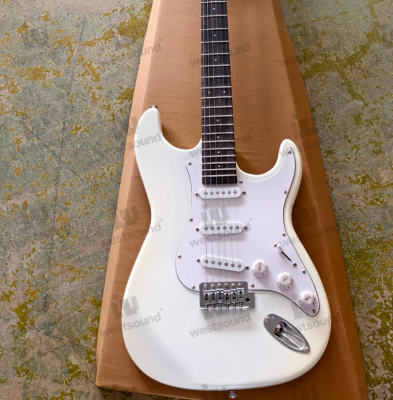


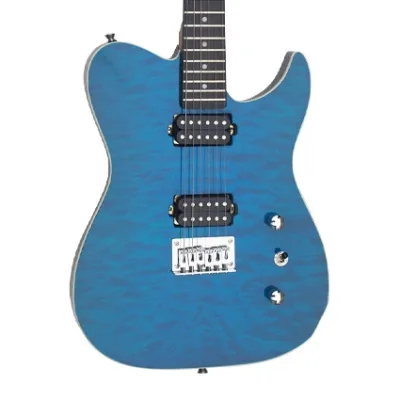
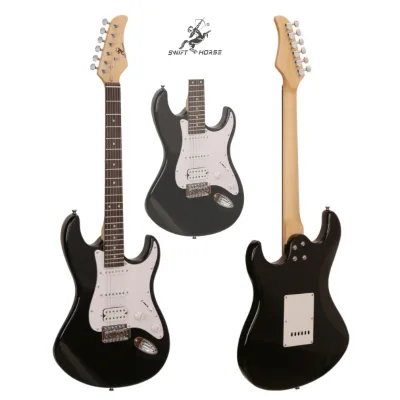
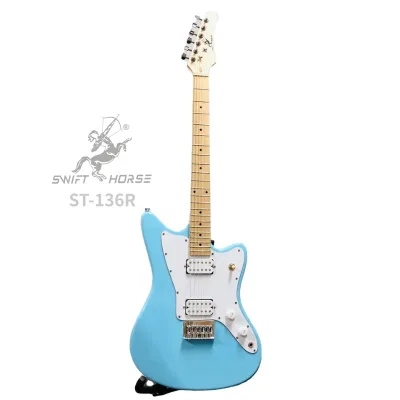
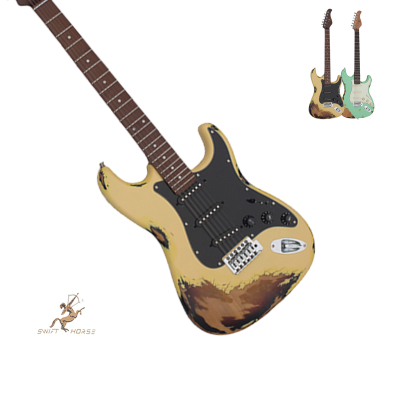
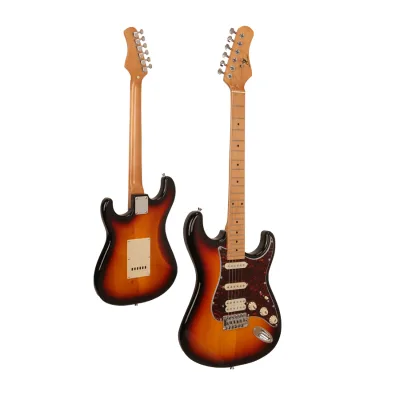
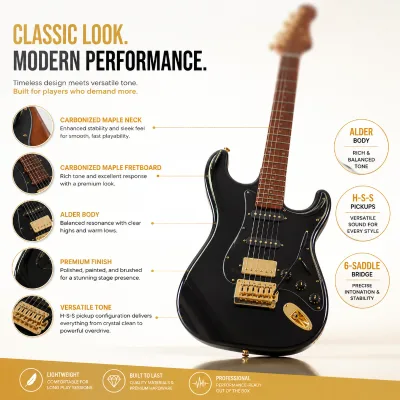
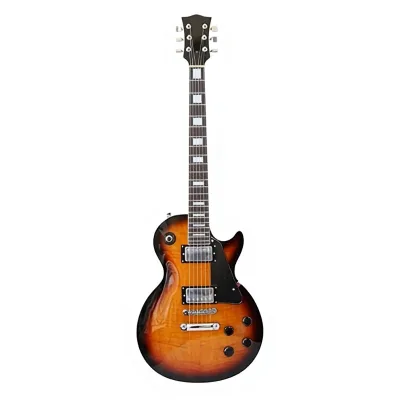


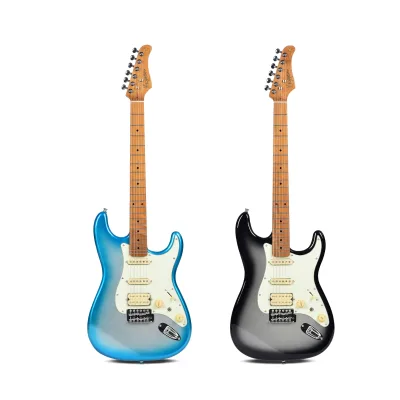
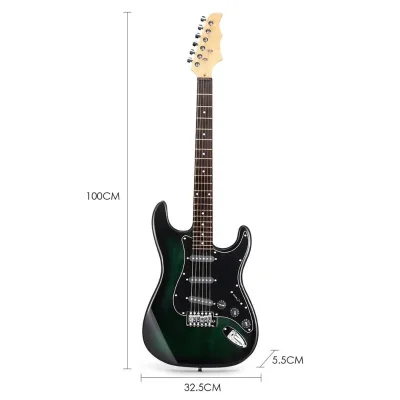
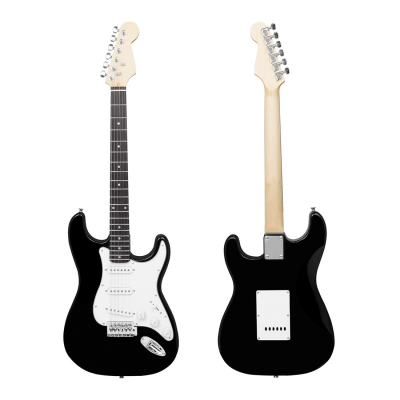


Comprehensive Sourcing Guide
Strategic Sourcing Framework for Polished Steel Electric Guitars
The procurement of polished steel electric guitars represents a specialized segment within the broader musical instrument industry, demanding a rigorous approach to supplier verification and technical specification alignment. While the term "polished steel" often implies a specific metallic finish or construction material, the actual market reality involves a diverse array of body woods, fingerboard materials, and electronic configurations that are finished to a high gloss. Buyers must navigate a landscape where the visual appeal of a polished surface is just one variable among many critical factors, including the underlying structural integrity, electronic performance, and the specific customization capabilities of the manufacturer. This guide provides a structured methodology for sourcing these instruments, grounded in observed market data and essential procurement principles.
Technical Specifications and Material Verification
When evaluating polished steel electric guitars, the primary focus must be on the distinction between the finish and the core construction materials. The supplied data indicates a wide variance in body materials, ranging from plywood and basswood to single-board solid wood constructions. A "polished steel" description in a product listing may refer to the aesthetic finish applied over a wooden body rather than a steel body construction, which is rare for standard electric guitars. Buyers must verify the specific body material listed in the product attributes. For instance, some models are constructed with plywood bodies, while others utilize basswood or maple necks paired with rosewood or maple fingerboards.
The specifications for size are equally critical, with observed standard lengths including 40 inches and 41 inches. The data also references specific model numbers such as GA-H11-EQ, JB-01, and QAG41GA-HSM, which serve as unique identifiers for these variations. A polished steel guitar intended for professional use may require a solid body structure to ensure sustain and resonance, whereas student models might utilize plywood. The electronic configuration is another vital technical parameter; the market offers options with EQ and pickup installations as requested, ranging from passive pickups to custom electronic setups. Buyers should not assume that all polished steel-finished guitars share the same electronic architecture. The presence of a "Steel String" configuration is noted in the data, which is standard for electric guitars, but the specific gauge and tension should be confirmed against the instrument's scale length and neck relief.
Compliance, Certification, and Regulatory Standards
Navigating the regulatory landscape for musical instrument imports requires careful attention to customs codes and material safety standards. The observed data explicitly lists a Customs Code of 920290, which is the Harmonized System classification for musical instruments, including stringed instruments. This code is essential for accurate tariff classification and duty calculation in international trade. However, beyond the customs code, buyers must verify compliance with regional safety standards regarding finishes and materials. A polished finish, often involving high-gloss lacquers or polyurethanes, must meet volatile organic compound (VOC) regulations in destination markets such as the European Union or North America.
While the supplied facts do not list specific certifications like CE or RoHS, the absence of such data in a product listing is a red flag that requires immediate inquiry. Buyers should request documentation proving that the finishes used on the polished steel surfaces are non-toxic and compliant with local safety regulations. Furthermore, the origin of the products, frequently listed as Guangzhou, China, or generally China, necessitates a review of the country of origin labeling requirements. The data mentions a standard of "40, 41inch" and "648cm," which suggests a need for metric conversion accuracy in technical documentation. Ensuring that the packaging and labeling meet the destination country's requirements is a prerequisite for successful customs clearance.
Cost Drivers and Pricing Dynamics
The pricing for polished steel electric guitars is influenced by a complex interplay of material costs, labor intensity, and customization levels. The observed price range in the market spans from 0.41 USD to 285 USD, a disparity that reflects the vast difference between entry-level student instruments and high-end professional models. The lower end of the spectrum likely corresponds to plywood bodies with basic finishes and standard electronic components, while the higher end may involve solid wood bodies, premium maple or rosewood fingerboards, and advanced EQ systems.
Material selection is a primary cost driver. A guitar with a single-board solid body and a polished steel finish will inherently cost more than one with a plywood body. Additionally, the level of customization significantly impacts the final price. The data confirms that OEM and ODM services are welcome, and customization is available. Custom finishes, specific pickup configurations, and tailored branding can increase production costs and, consequently, the unit price. The Minimum Order Quantity (MOQ) also plays a role in cost efficiency; observed MOQs range from 1 to 200 units. Buyers ordering small quantities may face higher per-unit costs, whereas bulk orders can leverage economies of scale. However, the data also notes an MOQ of 4PCS with quicker delivery time, suggesting that some suppliers offer flexible terms for smaller, urgent orders.
Typical Applications and Market Segmentation
Polished steel electric guitars serve a diverse range of applications, from professional stage performance to educational settings. The data identifies specific categories such as "Student Guitar" and "Armrest Guitar," indicating that these instruments are marketed to different user demographics. Student models often prioritize durability and ease of play, utilizing materials like plywood and standard finishes. In contrast, professional models may feature solid bodies, high-gloss polished steel finishes for aesthetic appeal, and advanced electronic systems like passive pickups or custom EQ installations.
The "4 String Electric Bass Guitar" and "Electric Bass" categories mentioned in the data highlight that the term "electric guitar" in this context may also encompass bass instruments with similar construction characteristics. These instruments are used in various musical genres, including rock, jazz, and pop, where the polished steel finish provides a visual distinction on stage. The "Multi" color attribute suggests that these guitars are often used in settings where visual variety is desired, such as in school bands or touring groups. Understanding the specific application is crucial for selecting the right instrument; a student model may not possess the tonal quality required for a professional recording session, while a high-end model might be overkill for a beginner.
Supplier Evaluation and Geographic Considerations
Evaluating suppliers for polished steel electric guitars requires a thorough assessment of their location, production capacity, and customization capabilities. The data indicates that many suppliers are located in Guangzhou, China, a major hub for musical instrument manufacturing. This concentration of suppliers offers buyers access to a wide variety of models and competitive pricing. However, buyers must verify the specific capabilities of each supplier, as not all manufacturers in the region may offer the same level of quality control or customization.
The availability of OEM and ODM services is a key differentiator. Suppliers that welcome custom orders can tailor the polished steel finish, body material, and electronic components to meet specific buyer requirements. Buyers should inquire about the supplier's experience with custom finishes and their ability to maintain consistency across large production runs. Additionally, the packaging standards, such as "Carton Box" or "6PCS/CTN," should be evaluated to ensure that the instruments are protected during transit. The data also mentions a "Soft Case" option for some models, which may be preferable for certain applications.
Quality Control and Inspection Protocols
Implementing a robust quality control (QC) protocol is essential when sourcing polished steel electric guitars to ensure that the final product meets the buyer's expectations. The inspection process should begin with a review of the raw materials, verifying that the body wood, fingerboard material, and electronic components match the specifications. For polished steel finishes, the QC team should check for uniformity in the gloss, absence of bubbles or scratches, and proper adhesion of the finish to the wood.
The electronic components, including pickups and EQ systems, must be tested for functionality and tonal consistency. The data mentions "Passive Pickup" and "EQ/Pick up Installed as Request," indicating that the electronic configuration can vary. Buyers should request sample units for testing to verify that the electronics function correctly and that the polished steel finish does not interfere with the instrument's performance. Additionally, the structural integrity of the guitar, including the neck joint and bridge stability, should be assessed. The "Solid" body structure mentioned in the data suggests a focus on durability, but this must be confirmed through physical inspection.
Long-Term Procurement and Supply Chain Resilience
Establishing a long-term procurement strategy for polished steel electric guitars involves more than just securing a single order; it requires building a resilient supply chain that can adapt to changing market demands. The observed MOQ range of 1 to 200 units suggests that buyers have flexibility in their ordering patterns, but they must balance this with inventory management and cash flow considerations. Buyers should negotiate terms that allow for flexible order quantities without compromising on price or lead time.
The customization aspect of the supply chain is particularly important for long-term success. Suppliers that offer OEM and ODM services can help buyers differentiate their products in a competitive market. However, buyers must ensure that the customization process is well-documented and that the supplier has the capacity to maintain quality standards over time. The lead time for production and delivery is another critical factor; while the data mentions "Quicker Delivery Time" for small orders, larger custom orders may require longer lead times. Buyers should establish clear communication channels with suppliers to manage expectations and mitigate potential delays.
In conclusion, sourcing polished steel electric guitars requires a comprehensive understanding of the technical specifications, regulatory requirements, and market dynamics. By focusing on material verification, compliance checks, and supplier evaluation, buyers can secure high-quality instruments that meet their specific needs. The diverse range of options available in the market, from student models to professional-grade instruments, offers opportunities for buyers to tailor their procurement strategies to their unique requirements.
FAQs
What body materials are available for polished steel electric guitars?
Available body materials include plywood, basswood, and single-board solid wood constructions. Buyers must verify the specific material listed for each model as options vary significantly between student and professional grade instruments.
Which fingerboard materials are commonly used on these instruments?
Common fingerboard materials observed are rosewood and maple. The specific material depends on the model, such as the GA-H11-EQ which uses rosewood, while others may feature maple for different tonal characteristics.
Can I order customized polished steel electric guitars with specific pickups?
Yes, customization is available including OEM and ODM services. Buyers can request specific pickup installations like passive pickups or EQ systems, though exact configurations depend on the supplier's production capabilities.
What is the typical size range for these electric guitars?
Standard sizes observed are 40 inches and 41 inches. Some specifications also reference 648cm, so buyers should confirm the exact scale length required for their specific needs before placing an order.
How does the MOQ vary for Polished Steel Electric Guitar orders?
The Minimum Order Quantity ranges from 1 to 200 units depending on the supplier. Some vendors offer an MOQ of 4 pieces with quicker delivery times, while others may require higher volumes for custom finishes.
Where are the manufacturers of these guitars primarily located?
Most manufacturers are located in Guangzhou, China. This region is a major hub for musical instrument production, offering a wide variety of models and competitive pricing for international buyers.
What packaging options are available for shipping these instruments?
Packaging options include carton boxes, soft cases, and bulk cartons holding 6 pieces. Buyers should specify their preferred packaging to ensure safe transit, as options vary by model and order quantity.