Find Adjustable Cedar Wooden Shoe Stretcher for Retail, Wholesale & Custom Branding
Explore 30 listings of the Adjustable Cedar Wooden Shoe Stretcher sourced from suppliers in Zhejiang, Guangxi, and Fujian. Compare material options, size ranges, MOQ from 2 to 1000 pairs, packaging, logo customization, and pricing to match your retail, wholesale, or private-label needs.
Key considerations
Products List


Modern Design Wooden Furniture Storage Rack Organizer Folding Shoe Cabinet
$20.00 - $30.00
MOQ: 50 Pieces




Comprehensive Sourcing Guide
Adjustable Cedar Wooden Shoe Stretcher Sourcing Guide
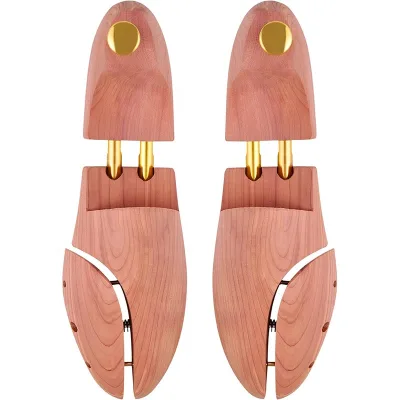
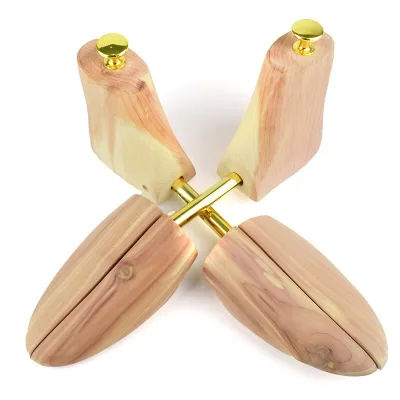
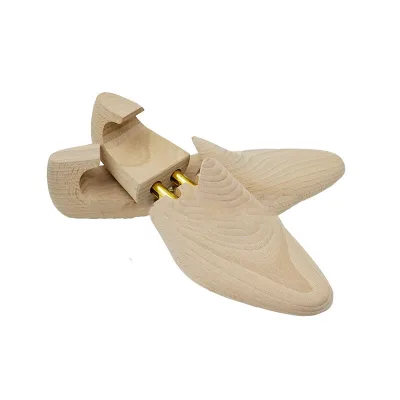
Procuring adjustable cedar wooden shoe stretchers requires a nuanced understanding of material properties, mechanical adjustability, and supply chain transparency. These devices serve a dual purpose in footwear care: they maintain the structural integrity of shoes by preventing creasing and collapsing, while the natural aromatic oils in cedar wood help neutralize odors and absorb moisture. For B2B buyers, whether sourcing for retail distribution, luxury shoe care services, or corporate gifting, the primary challenge lies in distinguishing between genuine solid wood construction and composite materials that merely mimic the appearance of cedar. The market offers a wide spectrum of products, ranging from basic plastic stretchers to high-end wooden variants, each with distinct cost structures and performance characteristics.
The decision to source adjustable models specifically hinges on the need for versatility across different shoe sizes and styles. Adjustable mechanisms allow a single unit to accommodate a range of foot widths and lengths, reducing inventory complexity for retailers. However, the reliability of these mechanisms varies significantly by manufacturer. Buyers must evaluate the durability of the adjustment screws, the smoothness of the heel expansion, and the overall rigidity of the wooden frame. This guide provides a structured approach to evaluating suppliers, verifying technical specifications, and ensuring that the final product meets the quality expectations of end-users who rely on these tools for premium footwear maintenance.
Product Scope and Observed Listing Signals
The current market landscape for shoe stretchers includes a diverse array of materials, with cedar wood representing a premium segment. Observed listings indicate a price range from approximately $0.35 to $92 USD, reflecting the vast difference between basic plastic models and solid wood variants. High-confidence data points reveal specific product attributes, such as the "Cedar Wooden Shoe Tree" with model number 005, originating from Zhejiang, China. These products typically feature adjustable sizes, with specific size ranges like US6-US7.5 up to US12-US13, catering to both men’s and women’s footwear. The presence of such detailed specifications suggests a mature supply chain with standardized sizing conventions, which is crucial for buyers aiming to minimize return rates due to fit issues.
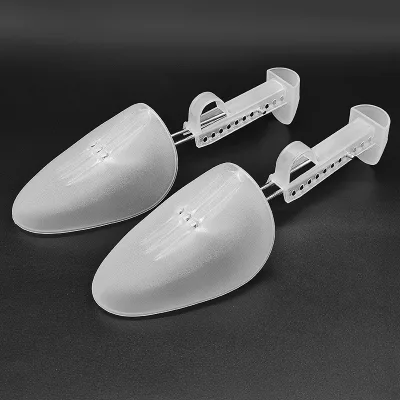
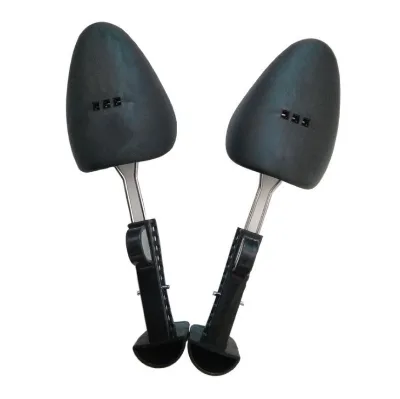
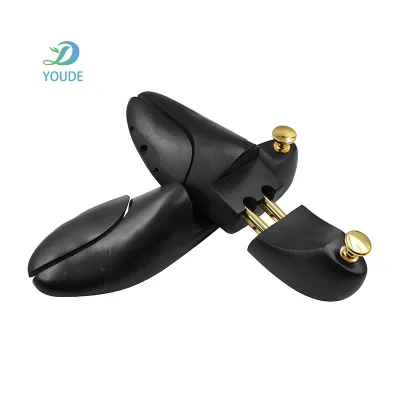
In contrast, other listings highlight alternative materials and origins, such as plastic shoe stretchers made from PP+Metal composites from Guangxi or Fujian. These products often emphasize features like "Size Adjustment" and "Preserving Shoe Shape" but differ materially from cedar options in terms of odor control and aesthetic appeal. The observed MOQ (Minimum Order Quantity) ranges from as low as 2 pairs to 1000 pairs, indicating flexibility for both small boutique orders and large-scale wholesale purchases. Buyers should note that while some suppliers offer customizable logos and packaging, others operate with strict MOQs or negotiable terms based on stock availability. Understanding these listing signals helps buyers align their procurement strategy with their volume requirements and brand positioning.
Technical Specifications to Verify
When evaluating cedar wooden shoe stretchers, the primary technical verification point is the material composition. Buyers must confirm that the product is made from solid cedar wood rather than veneered or composite wood, as this directly impacts the longevity and aromatic benefits of the product. Specific listings mention materials like "Wood" and "PP+Metal," highlighting the need for clear differentiation. Additionally, the adjustability mechanism should be inspected for precision and durability. The "Adjustable Size" feature is a key selling point, but buyers should verify the range of adjustment and the ease of use. For instance, some models offer specific size brackets, while others provide continuous adjustment, which may be preferable for diverse inventory.
Packaging and dimensional specifications are also critical for logistics planning. Observed data includes single package sizes such as 31.7X12.2X10.2 cm and 36X15X10 cm, with corresponding gross weights of 1.000 kg and 0.5 kg respectively. These dimensions influence shipping costs and storage requirements, particularly for bulk orders. Buyers should also verify the packing method, whether it is individual white boxes, PP bags, or carton boxes, as this affects the product's presentation and protection during transit. Furthermore, the model numbers, such as 005 or BG232, serve as unique identifiers for quality control and reordering, ensuring consistency across multiple purchase cycles.
Compliance and Safety Documentation
While shoe stretchers are generally low-risk products, compliance with safety and material standards remains important, especially for markets with strict regulations on wood treatments and chemical usage. Buyers should inquire about the source of the cedar wood and any treatments applied to prevent cracking or insect damage. Although specific certification statuses are not provided in the observed data, buyers should request documentation confirming that the wood is sustainably sourced and free from harmful chemicals. This is particularly relevant for products marketed as natural or eco-friendly, where claims must be substantiated by credible evidence.
Additionally, buyers should verify that the product meets general consumer safety standards, ensuring that there are no sharp edges or hazardous components in the adjustable mechanisms. For plastic components, such as those found in hybrid models, compliance with relevant plastic safety standards may be necessary. Buyers should also consider the labeling requirements in their target markets, including country of origin markings and care instructions. Ensuring that the supplier provides accurate and compliant documentation helps mitigate legal risks and enhances the product's credibility in the eyes of end consumers.
Cost Drivers and Commercial Terms
The cost of adjustable cedar wooden shoe stretchers is influenced by several factors, including material quality, manufacturing complexity, and order volume. Solid cedar wood is more expensive than plastic or composite materials, leading to higher unit costs. The adjustable mechanism adds to the manufacturing complexity, further increasing the price. Buyers should expect a wide price range, from budget-friendly plastic options to premium wooden stretchers. Understanding these cost drivers allows buyers to make informed decisions based on their target market and profit margins.
Commercial terms, such as MOQ and payment methods, also play a significant role in the procurement process. Observed data indicates MOQs ranging from 2 pairs to 1000 pairs, with payment options including PayPal, Western Union, TT, and Trade Assurance. Buyers should negotiate terms that align with their cash flow and inventory needs. For instance, smaller MOQs may be suitable for testing new products, while larger orders can secure better pricing. Additionally, buyers should clarify the sample time, which is observed to be 2-3 days, and any associated costs, to ensure a smooth procurement process.
Supplier Qualification and Quality Control
Selecting a reliable supplier is crucial for ensuring consistent product quality and timely delivery. Buyers should verify the supplier's location, with observed origins including Zhejiang, Guangxi, and Fujian in China. These regions are known for their manufacturing capabilities, but buyers should conduct due diligence to assess the supplier's reputation and production capacity. Requesting samples is a critical step in quality control, allowing buyers to inspect the material, adjustability, and packaging firsthand. Buyers should also inquire about the supplier's quality control processes, including inspection protocols and defect rates.
Furthermore, buyers should evaluate the supplier's ability to provide customization, such as logo printing and packaging design. Observed data indicates that logo customization is acceptable upon customized designs, which is valuable for brands seeking to enhance their product identity. Buyers should also assess the supplier's responsiveness and communication skills, as these factors impact the overall procurement experience. Establishing a strong relationship with a qualified supplier ensures long-term reliability and support, reducing the risk of supply chain disruptions.
Long-Term Procurement Checks
To maintain a competitive edge, buyers should regularly review their supplier performance and product quality. This includes monitoring delivery times, product consistency, and customer feedback. Buyers should also stay updated on market trends and consumer preferences, which may influence the demand for specific features, such as adjustable sizes or eco-friendly materials. Regular audits of the supplier's production processes can help identify potential issues before they impact the supply chain. Additionally, buyers should consider diversifying their supplier base to mitigate risks associated with single-source dependencies.
Finally, buyers should establish clear metrics for evaluating the success of their procurement efforts, such as sales volume, return rates, and customer satisfaction. By continuously analyzing these metrics, buyers can make data-driven decisions to optimize their product offerings and supplier relationships. Long-term procurement checks ensure that the buyer remains agile and responsive to market changes, securing a sustainable competitive advantage in the footwear care industry.
FAQs
How does an Adjustable Cedar Wooden Shoe Stretcher work?
You insert the stretcher into the shoe and turn the mechanism so it gently expands width or length, easing tight spots and preserving the shoe's shape. Cedar wood also helps absorb moisture and odors. Adjustable sizing means one unit can cover a range of sizes, so check the listed size ranges before ordering.
What materials are used in these adjustable shoe stretchers?
Listed products include cedar wooden shoe trees made of wood and adjustable plastic shoe stretchers made of PP with metal parts. Cedar is valued for moisture and odor control, while plastic stretchers are lighter and often lower in cost. Confirm the material of each model when you request quotations.
Which sizes are available for the Adjustable Cedar Wooden Shoe Stretcher?
One listed cedar model covers sizes 37/38 through 45/46, while another lists US6-US7.5 up to US12-US13. Plastic adjustable models are available in L size for men (25cm-32cm) and S size for women (22cm-28cm). Choose the sizing system that matches your target customers.
Can I order custom logos and packaging for shoe stretchers?
Yes, logo customization is listed as acceptable, and one supplier states customization is available with logos acceptable upon customized designs. Packing options shown include white box, 1 pair per PP bag, and carton box. Discuss logo artwork, packing format, and any added cost with the supplier before confirming an order.
What is the minimum order quantity for adjustable shoe stretchers?
Minimum order quantities vary by listing: one cedar model starts at 2 pairs, while another listing shows 1000 pairs, and a plastic model lists 500 pairs or negotiable upon supplier stock. Low MOQs make sampling easier, so confirm the current MOQ for your chosen specification when you enquire.
Can I get samples before placing a bulk order?
Sampling is commonly possible, with one listing showing a sample time of 2 to 3 days. Request a sample in your target size range to check fit, adjustment smoothness, and material quality. Ask whether sample fees and shipping are charged separately and how they are handled against a subsequent bulk order.
How are shoe stretchers packed for shipping?
Listed packing formats include white box for the cedar model, 1 pair per PP bag for the plastic model, and carton box packing for other items. A single gross weight of 1.000 kg is listed for one cedar model and 0.5 kg for a plastic model. Confirm carton dimensions and weight per carton for freight planning.
Which payment methods do suppliers typically accept?
One listing shows payment via PayPal, Western Union, TT, and Trade Assurance. Trade Assurance offers order protection through the platform, while TT suits larger factory orders. Agree on deposit and balance terms in writing, and confirm which methods apply to your order size and destination before paying.