Source Adjustable Carbon Fiber Kayak Paddle for Kayaking, Rafting, and Fishing
Explore 30 listings for the Adjustable Carbon Fiber Kayak Paddle suitable for kayaking, rafting, and fishing. Buyers can compare specifications, prices, and customization options to find the ideal equipment for their water activities.
Key considerations
Products List


![[Carbon Fiber] 4 Pieces Adjustable Lightweight Detachable Carbon Kayak Paddle](https://image.made-in-china.com/221f0j00TjZVBJGaHbfL/-Carbon-Fiber-4-Pieces-Adjustable-Lightweight-Detachable-Carbon-Kayak-Paddle.webp)


$7.00 - $8.50
MOQ: 25 Pieces


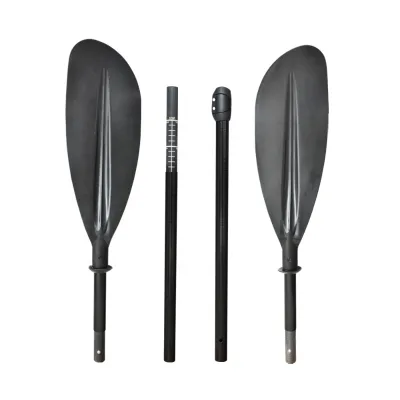
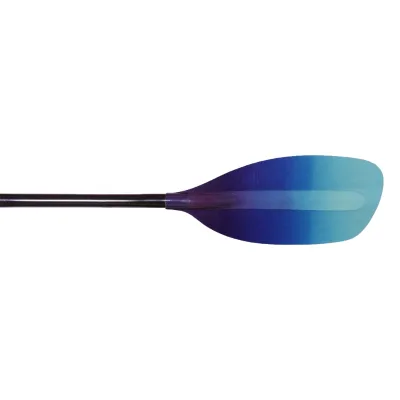
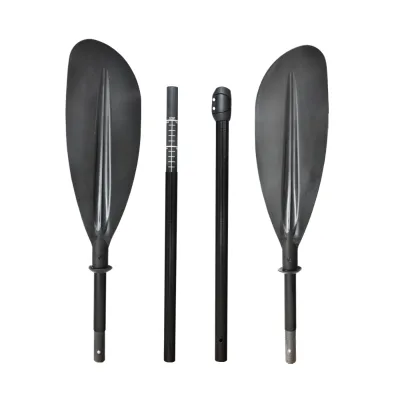
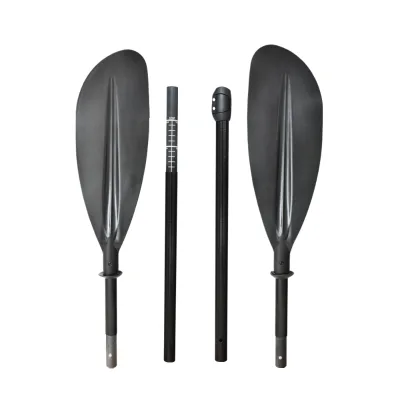
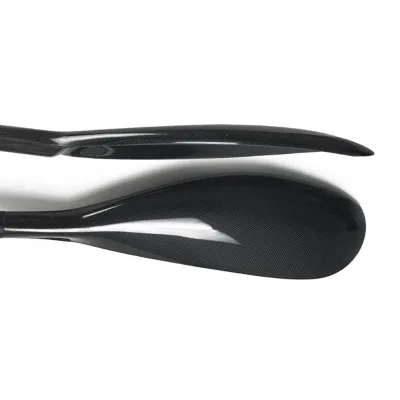
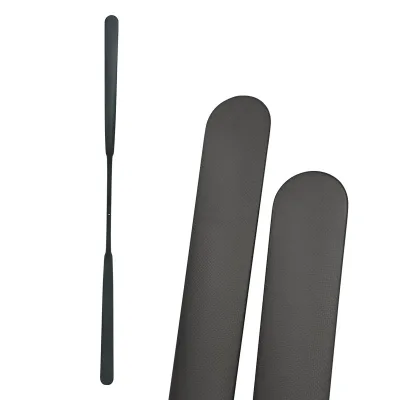
Wholesale Extendable Kayak Paddle Carbon Fiber Kayak Paddle Wing Blade Paddle
$108.11 - $121.37
MOQ: 2 pieces
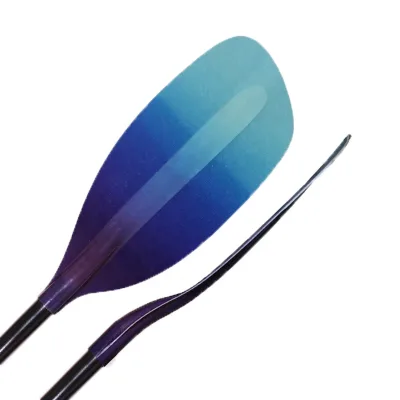
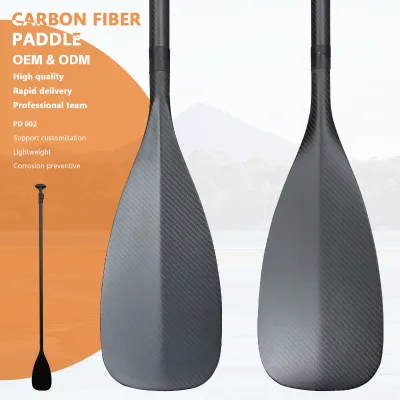
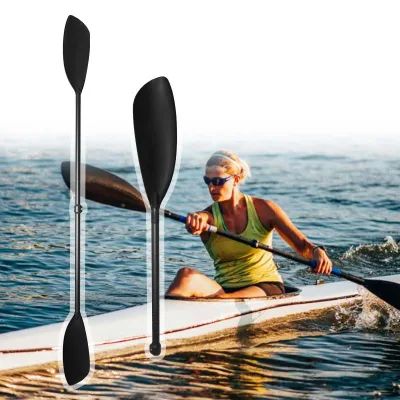
Comprehensive Sourcing Guide
Strategic Sourcing Guide for Adjustable Carbon Fiber Kayak Paddles
The global market for water sports equipment continues to expand, with adjustable kayak paddles representing a critical segment for both recreational and professional users. Sourcing these components requires a disciplined approach that balances technical performance with supply chain reliability. While the core keyword focuses on carbon fiber construction, the available market data reveals a complex landscape where material composition, adjustability mechanisms, and certification standards vary significantly. Buyers must navigate a field where "carbon fiber" claims must be rigorously verified against actual product specifications, as the observed inventory includes a mix of high-impact plastic, standard base types, and customized configurations. This guide provides a framework for evaluating suppliers and products to ensure procurement decisions are grounded in verifiable facts rather than marketing assertions.
Technical Specifications and Material Verification
The primary technical differentiator for any kayak paddle is the blade material and the shaft construction. In the context of the keyword "adjustable carbon fiber," buyers must first distinguish between true carbon fiber composites and alternative materials that may be marketed similarly. The supplied product data indicates a diverse range of blade materials, including "High-Impactplastic" and "Plastic" standards. While carbon fiber offers superior strength-to-weight ratios, the observed inventory lists weights ranging from approximately 880g to 1090g, with some entries specifying a weight of 1kg. A true carbon fiber paddle typically aims for the lower end of this spectrum to maximize efficiency, but the presence of plastic-based options suggests that buyers must explicitly request material composition certificates.
Adjustability is another critical specification. The data confirms the existence of paddles with an "Adjustable Length" ranging from 170cm to 220cm. This range is essential for accommodating different user heights and paddling styles, such as whitewater versus flatwater touring. However, the mechanism for adjustment must be robust. The observed "3-Piece" feature suggests a telescoping or locking system, which is common in adjustable models. Buyers should verify that the locking mechanism maintains structural integrity under load, as a failure in the adjustment joint can compromise safety. Furthermore, blade dimensions vary, with observed sizes including 48*18cm and 21.6 Cm W X 43.2 Cm L. These dimensions directly impact the stroke power and efficiency. When sourcing, procurement teams must ensure that the blade size and shape align with the intended application, whether for "Inflatable Boat," "Raft Boat," or "Fishing Boat" use.
Compliance and Certification Standards
Navigating the regulatory landscape for water sports equipment is essential for mitigating liability and ensuring product safety. The supplied data highlights several certification statuses, including "CE," "ISO," and "ISOCE." These certifications are not merely marketing badges; they represent adherence to specific safety and quality management protocols. The "CE" marking indicates conformity with health, safety, and environmental protection standards for products sold within the European Economic Area. The "ISO" certification suggests that the manufacturer operates under an established quality management system, which is a strong indicator of process consistency.
However, the data also lists "Customized Size" and "Customized Color" as product standards, which implies that some items may be produced to specific buyer requirements rather than a universal standard. In such cases, the burden of verification shifts to the buyer. If a supplier claims a product meets a specific safety standard, the buyer must request the actual test reports or certificates of compliance. The presence of "Years" or "Months" as warranty periods in the data suggests that warranty terms vary by supplier and product type. Buyers should not assume a standard warranty duration but must negotiate specific terms that cover material defects and structural failures. Additionally, the "Standard: Plastic" and "Standard: Customized" entries indicate that some products may not adhere to a rigid international standard, requiring the buyer to define their own acceptance criteria based on performance testing.
Cost Drivers and Pricing Dynamics
Understanding the cost structure of adjustable kayak paddles is vital for budgeting and negotiation. The observed price range in the market spans from 5.17 USD to 132.28 USD. This wide disparity reflects differences in material quality, manufacturing complexity, and brand positioning. The lower end of the spectrum likely corresponds to high-impact plastic models or basic configurations, while the higher end may include genuine carbon fiber construction or specialized designs. The "High-Impactplastic" material noted in the data is generally more cost-effective than carbon fiber, which explains the presence of lower-priced items.
Minimum Order Quantity (MOQ) is another significant cost driver. The data shows an MOQ range from 1 to 500 units. Suppliers with an MOQ of 25 PCS or 40 PCS offer flexibility for smaller buyers or those testing new product lines, whereas an MOQ of 500 units is typical for large-scale distribution. Buyers must calculate the total landed cost, including shipping, duties, and potential inventory holding costs, rather than focusing solely on the unit price. The "Sample Time" of 1 week and the availability of "Paid Samples" indicate that prototyping is a standard part of the process. While samples incur a cost, they are essential for verifying the "Adjustable Length" and "Blade Size" before committing to a large order. The "Brand: Je or Customized" attribute suggests that private labeling is available, which can add value but may also influence the unit price depending on the complexity of the branding requirements.
Typical Applications and Usage Scenarios
The versatility of adjustable kayak paddles is evident in the diverse applications listed in the product data. These paddles are suitable for "Jet Ski," "Kayak," "Canoe," "Sailboat," and "Yacht" use. The "Scope" attribute specifically mentions "Inflatable Boat," "Raft Boat," and "Fishing Boat," indicating that the equipment is designed for a wide array of watercraft. This versatility is a key selling point, as a single adjustable model can serve multiple purposes, reducing the need for buyers to stock different paddles for different vessels.
The "Season: Whole Year" attribute confirms that these products are designed for year-round use, provided the water conditions are navigable. However, specific features like "Anti-Friction," "Warm," and "Sunscreen" suggest that some models are engineered for specific environmental conditions. For instance, a paddle with a "Warm" grip might be intended for colder climates, while "Sunscreen" coatings could be beneficial for tropical regions. The "Base Type: Standard Base" implies a universal mounting or handling system, which is crucial for compatibility with various boat types. Buyers should match the paddle's specific features to their primary use case. For example, a fishing boat user might prioritize stability and a wider blade, while a kayaker focused on speed might prefer a lighter, more aerodynamic design.
Supplier Evaluation and Operational Due Diligence
Selecting the right supplier requires a thorough evaluation of their capabilities and track record. The data indicates that the "prod_origin" is China, which is a major manufacturing hub for water sports equipment. While this offers access to a vast supply chain, it also necessitates rigorous due diligence. Buyers should verify the supplier's ability to handle "Customization" requests, as the data shows "Customization: Available" and "Customized: Customized" as key attributes. This capability is essential for buyers seeking private labeling or specific design modifications.
The "Condition: New" attribute confirms that the products are manufactured as new items, but buyers must also assess the supplier's quality control processes. The presence of "Warranty: Years" or "Warranty: Months" suggests that suppliers are willing to stand behind their products, but the specific duration must be clarified. Additionally, the "Sample: Paid Samples" policy indicates a professional approach to pre-production verification. Buyers should utilize this opportunity to test the "Adjustable Length" mechanism and the "Blade Material" durability. The "Max Capacity: >500kg" attribute, while seemingly unrelated to a paddle, may refer to the boat capacity the paddle is designed to support, or it could be a data entry error regarding boat specifications. Regardless, buyers should seek clarification on how the paddle performs under load to ensure it meets their safety requirements.
Quality Control and Long-Term Procurement Considerations
Implementing a robust quality control (QC) strategy is essential for maintaining product integrity over time. The "prod_packing" details, such as "Each Packed in a Polybag" or "Carton," highlight the importance of proper packaging to prevent damage during transit. For adjustable paddles, the locking mechanisms are particularly vulnerable to damage if not secured correctly. Buyers should specify packaging requirements that protect the adjustment joints and blade edges.
Long-term procurement considerations also involve the supply chain's resilience. The "Lead Time" and "Sample Time" of 1 week are critical factors in planning inventory levels. Buyers should establish a relationship with suppliers that can provide consistent lead times and maintain stock levels for reorder cycles. The "Customized Size" and "Customized Color" options offer flexibility but require clear communication to avoid production errors. Furthermore, the "Warranty" terms should be reviewed annually to ensure they remain competitive and relevant to the product's lifecycle.
| Feature Category | Observed Data Points | Buyer Verification Requirement |
|---|---|---|
| Material | High-Impactplastic, Plastic, Carbon Fiber (implied) | Request material composition certificate; verify weight vs. material claim. |
| Adjustability | 170cm to 220cm, 3-Piece | Test locking mechanism under load; verify length increments. |
| Certification | CE, ISO, ISOCE | Request valid certificates; verify scope of certification. |
| MOQ | 1 to 500 units | Negotiate MOQ based on initial order volume and future demand. |
| Warranty | Years, Months | Define specific duration and coverage terms in the contract. |
| Packing | Polybag, Carton, Plastic Bag + Cartons | Specify packaging standards to prevent transit damage. |
In conclusion, sourcing adjustable carbon fiber kayak paddles requires a meticulous approach that prioritizes verified specifications over marketing claims. By focusing on material authenticity, certification validity, and supplier reliability, buyers can secure high-quality products that meet their operational needs. The wide range of observed data points, from weight variations to diverse application scopes, underscores the importance of detailed due diligence. Ultimately, successful procurement hinges on the ability to translate these technical and operational observations into clear, enforceable procurement requirements.
FAQs
What materials are used for the blade in adjustable kayak paddles?
Blade materials include high-impact plastic and standard plastic options. While carbon fiber is the keyword focus, observed inventory lists plastic as the primary material, so buyers must request material composition certificates to verify claims.
Can I find adjustable paddles with specific length ranges?
Yes, adjustable lengths range from 170cm to 220cm in the observed data. This range accommodates different user heights, but the locking mechanism must be tested to ensure structural integrity under load during use.
Which certifications are available for these water sports paddles?
Available certifications include CE, ISO, and ISOCE. These indicate adherence to safety and quality protocols, but buyers must verify valid certificates and scope, especially for customized products that may not follow universal standards.
How does the minimum order quantity vary for these paddles?
Minimum order quantities range from 1 to 500 units depending on the supplier. Lower MOQs like 25 or 40 pieces suit smaller buyers, while 500 units are typical for large-scale distribution and bulk procurement needs.
What warranty periods are offered for boat accessories?
Warranty periods are listed as either years or months in the product data. Buyers should not assume a standard duration but must negotiate specific terms in the contract to cover material defects and structural failures.
Where are these adjustable paddles typically manufactured?
The observed product origin is China, a major manufacturing hub for water sports equipment. Buyers must conduct due diligence on suppliers in this location to verify customization capabilities and quality control processes.