Source Adjustable Ceramic Standing Floor Lamp for Living Room, Bedroom, Hotel
Compare 30 Adjustable Ceramic Standing Floor Lamp options from verified Chinese manufacturers. Buyers can evaluate modern designs, material compositions, and pricing for home and commercial applications. Explore various styles including carbon steel, acrylic, and wood finishes with different color temperatures and input voltages suitable for diverse interior needs.
Key considerations
Products List


Modern Nordic Feather Floor Standing Lamp with Marble Base Pendant Floor Lamp
$20.00 - $25.00
MOQ: 300 Pieces


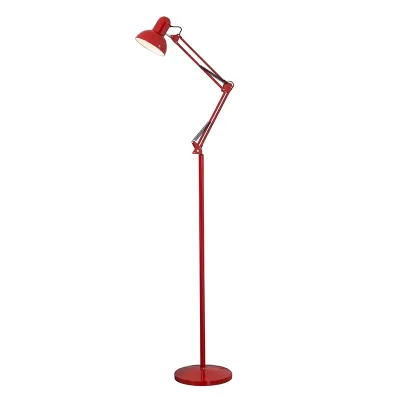


Living Room Tall Standing Lamp Marble Base and Globe Bulbs Arc Floor Lamp
$17.50 - $20.50
MOQ: 100 Pieces


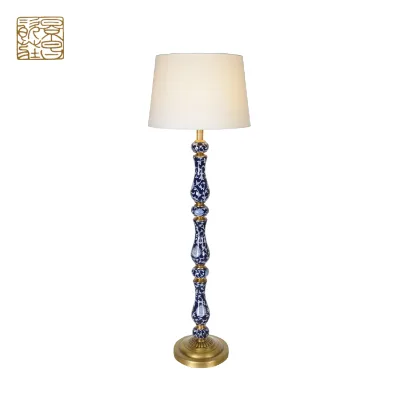


Fashion Style Standing Floor Lamp Floor Lamp LED Decor Modern Corner Floor Light
$10.00 - $80.00
MOQ: 10 Pieces

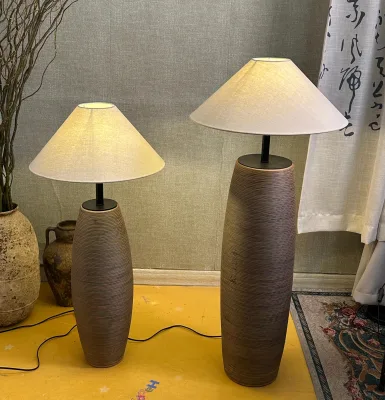
Comprehensive Sourcing Guide
Adjustable Ceramic Standing Floor Lamp Sourcing Guide
Sourcing adjustable ceramic standing floor lamps requires a careful balance between aesthetic customization and functional reliability, particularly when integrating these fixtures into residential or hospitality environments. Buyers must recognize that while the core keyword emphasizes ceramic construction, the broader market data indicates a diverse range of materials including carbon steel, stainless steel, acrylic, iron, and various woods. This material variance suggests that "ceramic" may refer to specific decorative finishes or accent pieces rather than the primary structural component for all available models. Consequently, procurement teams should prioritize verifying the exact material composition of each SKU to ensure it aligns with the intended design narrative and durability requirements of the project.
The adjustable nature of these lamps introduces mechanical complexity that demands rigorous scrutiny during the sampling phase. Buyers need to evaluate the stability of the adjustment mechanisms, ensuring they maintain position under the weight of the lampshade and bulb without slipping or wobbling. Given that the observed product range includes styles ranging from modern to contemporary, the adjustment feature must complement the overall design language rather than appearing as an afterthought. It is crucial to assess whether the adjustability is manual or motorized, as this distinction significantly impacts the user experience, maintenance costs, and potential points of failure over the product's lifecycle.
Product Scope and Observed Listing Signals
The current market landscape for standing floor lamps reveals a wide spectrum of applications, primarily targeting living rooms, bedrooms, villas, hotel lobbies, and showrooms. The observed listings indicate that these fixtures are designed for both ambient and task lighting, with some models featuring uplight and downlight configurations to suit different spatial dynamics. Buyers should note that the applicable scope extends beyond residential use to include commercial spaces like cafes and offices, suggesting a versatility that appeals to interior designers seeking cohesive lighting solutions across mixed-use environments. This broad applicability necessitates a clear definition of the end-use context to select the appropriate lamp type and intensity.
Listing signals also highlight significant variability in product specifications, with dimensions ranging from compact D400mm bases to larger D630mm bases, and heights spanning from 1520mm to 2030mm. This dimensional diversity allows for tailored solutions but requires precise measurement of the installation site to ensure proportionality. Furthermore, the presence of both "with light source" and "without light source" options indicates that buyers must clarify whether the procurement includes integrated LED modules or requires separate bulb sourcing. Understanding these listing signals helps in filtering suppliers who offer the specific form factor and lighting configuration needed for the project, avoiding mismatches in scale or functionality.
Technical Specifications to Verify
Verifying technical specifications is paramount when sourcing adjustable floor lamps, particularly regarding input voltage and color temperature options. The observed data points to a standard input voltage of 220V, which is critical for buyers operating in regions with different electrical standards to ensure compatibility or plan for necessary transformers. Additionally, the availability of color temperatures such as 3000K, 4000K, and 6000K, along with custom-made options, allows for precise control over the ambiance. Buyers must confirm the actual measured color temperature and CRI (Color Rendering Index) of the light source, as these parameters directly influence the visual comfort and aesthetic quality of the illuminated space.
The structural integrity and finish of the lamp are equally important technical aspects that require verification. Materials such as iron, ash wood, and beech wood, often combined with fabric covers or acrylic elements, present different maintenance and durability profiles. Buyers should inspect the finish quality, noting options like black or white coatings, to ensure resistance to scratches and corrosion. For adjustable models, the mechanism's load-bearing capacity and smoothness of operation must be tested repeatedly. It is also essential to verify the area of illumination, typically ranging from 6-15 square meters, to ensure the lamp provides adequate light coverage for the intended space without causing glare or shadows.
Compliance and Safety Documentation
Compliance with safety standards is non-negotiable for electrical lighting products, and buyers must request comprehensive certification documentation from suppliers. The observed listings mention certifications such as CE, GS, CCC, VDE, and RoHS, which indicate adherence to various regional and international safety and environmental regulations. Buyers should verify the validity and scope of these certificates, ensuring they cover the specific model and voltage configuration being procured. For instance, CE marking is crucial for European markets, while CCC is required for China. Understanding the specific certification requirements for the destination market prevents customs delays and ensures legal compliance upon import.
Beyond electrical safety, buyers should inquire about the quality of the light source and its longevity. Some listings specify incandescent bulbs, while others may offer LED alternatives, each with different thermal management and lifespan characteristics. It is advisable to request test reports or manufacturer data sheets that detail the expected lifespan of the LED modules or bulbs, as well as any heat dissipation features integrated into the design. Additionally, verifying that the materials used, such as fabrics and woods, meet fire safety standards is essential, especially for lamps used in high-traffic commercial areas like hotel lobbies. This due diligence mitigates risks associated with electrical faults or material flammability.
Cost Drivers and Commercial Terms
Understanding the cost drivers for adjustable ceramic standing floor lamps involves analyzing material choices, manufacturing complexity, and customization options. The use of premium materials like ash wood, beech wood, or stainless steel, combined with intricate adjustment mechanisms, typically commands a higher price point compared to basic iron or plastic constructions. Buyers should also consider the impact of customization, such as custom color temperatures or specific dimensions, which can increase production costs and lead times. The observed price range of 7.9 to 504 USD reflects this variability, with higher prices likely associated with more complex designs, premium materials, or integrated smart features.
Commercial terms and logistics also play a significant role in the total cost of ownership. The observed trade terms include FOB, CIF, and EXW, each carrying different responsibilities for shipping and insurance. Buyers must evaluate the lead time, which is noted as 30 days for some models, to ensure it aligns with project schedules. Additionally, the MOQ of 1 PCS offers flexibility for small orders but may result in higher per-unit costs compared to bulk purchases. It is crucial to negotiate clear terms regarding packaging, as the observed standard is carton packing, which must protect the lamp during transit to prevent damage, especially for fragile components like ceramic or glass parts.
Supplier Qualification and Quality Control
Supplier qualification is a critical step in ensuring the reliability of the supply chain for adjustable floor lamps. Buyers should verify the supplier's manufacturing capabilities, particularly their experience with adjustable mechanisms and ceramic or wood finishing processes. The observed factory location in Guangdong, China, indicates a hub for lighting manufacturing, but buyers must conduct due diligence to assess the supplier's quality management systems and production capacity. Requesting references or case studies from previous clients can provide insights into the supplier's consistency and ability to meet deadlines and quality standards.
Quality control measures should be established before production begins, including detailed specifications for materials, dimensions, and finish. Buyers should implement a pre-production sample approval process to verify the adjustment mechanism's functionality and the overall aesthetic quality. During production, random inspections should be conducted to check for defects in the ceramic glaze, wood grain, or metal finish. Post-production, a thorough functional test of the adjustment mechanism and electrical components is essential. Establishing a clear defect rate threshold and return policy ensures that any non-conforming products are addressed promptly, maintaining the integrity of the procurement project.
Long-Term Procurement Checks
Long-term procurement success depends on establishing robust relationships with suppliers and implementing continuous improvement processes. Buyers should schedule regular performance reviews with suppliers to assess product quality, delivery reliability, and responsiveness to issues. This ongoing dialogue helps in identifying potential problems early and fosters a collaborative environment for solving challenges. Additionally, staying updated on market trends and technological advancements in lighting, such as new LED technologies or smart home integrations, allows buyers to anticipate future needs and adjust their sourcing strategies accordingly.
It is also important to monitor the lifecycle of the products, including the availability of spare parts and the supplier's after-sales support. For adjustable lamps, the long-term durability of the adjustment mechanism is a key concern, and buyers should inquire about warranty terms and repair services. Establishing a feedback loop with end-users can provide valuable insights into product performance and user satisfaction, which can be shared with the supplier to drive product improvements. By maintaining a proactive approach to supplier management and product evaluation, buyers can ensure a sustainable and efficient procurement process for adjustable ceramic standing floor lamps.
FAQs
Can I customize the color temperature for this floor lamp?
Yes, customization is available for the color temperature. You can select from 3000K, 4000K, or 6000K options. Custom-made settings are also supported to meet specific lighting requirements. This flexibility ensures the lamp fits various interior design schemes and ambiance needs effectively.
What is the lead time for production?
The standard lead time for production is 30 days. This duration allows for quality control and manufacturing processes to be completed thoroughly. Buyers should plan their inventory and shipping schedules accordingly to ensure timely delivery to the destination port or final site.
What certifications does the product hold?
The product holds CE certification, ensuring compliance with European safety standards. Some models also include GS, CCC, VDE, and RoHS certifications. These credentials verify electrical safety and environmental compliance, providing assurance for international buyers and facilitating smoother customs clearance processes.
What materials are used in the body construction?
The body materials vary by model, including carbon steel, stainless steel, acrylic, iron, ash wood, and beech wood. Some designs incorporate fabric covers or woven bamboo. These durable materials ensure structural integrity while offering diverse aesthetic options for modern living spaces and commercial environments.
What is the minimum order quantity required?
The minimum order quantity is 1 piece. This low MOQ allows buyers to test market response or purchase small batches for specific projects. It provides flexibility for both individual buyers and small businesses looking to source high-quality floor lamps without committing to large inventory volumes.
Where is the factory located?
The factory is located in Guangdong, China. This region is known for its robust manufacturing infrastructure and supply chain efficiency. Buyers can benefit from established logistics networks and experienced production teams, ensuring consistent quality and reliable delivery schedules for international orders.