Source Adjustable Comfortable Neck Support Brace for postural correction, spine relief, and fracture fixation
Compare 30 listings of the Adjustable Comfortable Neck Support Brace designed for posture correction, spine pressure relief, and fracture fixation. Buyers can review specifications, certifications, and pricing from suppliers in Hebei and Jiangsu, China.
Key considerations
Products List


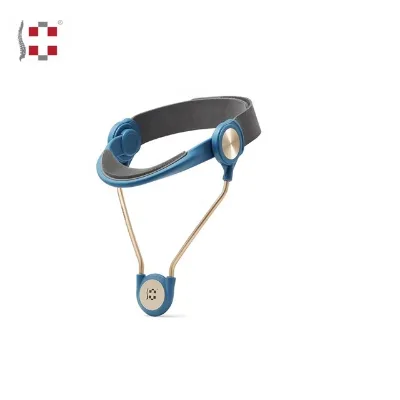


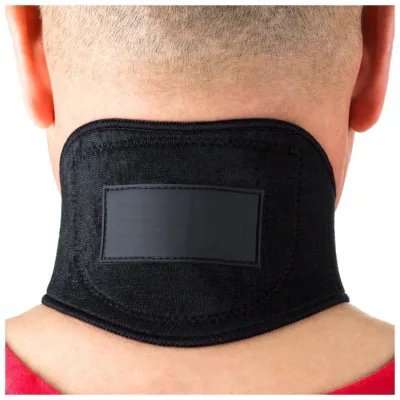
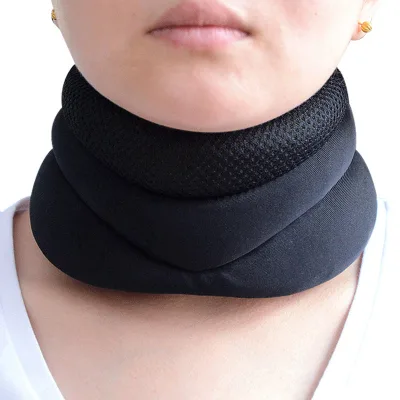
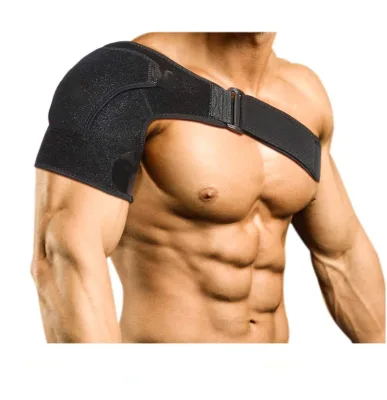

Comprehensive Sourcing Guide
Strategic Sourcing Guide for Adjustable Comfortable Neck Support Braces
Understanding Product Categories and Technical Specifications
When sourcing an Adjustable Comfortable Neck Support Brace, buyers must first distinguish between the broad category of orthopedic devices and specific functional sub-types. The market presents a diverse range of products, from external fixators designed for fracture fixation to specialized orthopedic collars intended for posture correction and pressure relief. The core keyword "Adjustable Comfortable Neck Support Brace" typically aligns with products categorized under "Orthopedics" or "External Fixator" types, specifically those labeled as "Adjustable Cervical Collar" or "Neck Care Brace."
Technical specifications vary significantly across available inventory. Material composition is a primary differentiator. Some units are constructed from a combination of Sponge, Nylon, and Aluminium Alloy, prioritizing lightweight durability and comfort against the skin. Others utilize a more rigid engineering approach with materials such as ABS, PA, GF (Glass Fiber), and Silicone, which may offer enhanced structural integrity for severe posture correction. The "Using Site" is consistently identified as the Shoulder & Neck region, with specific functions ranging from reducing pressure on the spine to correcting deformities.
Size and fit are critical parameters for procurement. Available specifications often include a standard sizing matrix of S, M, L, and XL, ensuring applicability for a broad demographic. However, some product lines may list standards simply as "S M" or adhere to specific weight standards like "100G." The physical dimensions of the single package can vary, with observed sizes around 17x22.5x5 cm, which influences logistics planning. Buyers should verify if the product is designed for "Adult" groups or "Unisex" application, as this dictates the target market segment. The condition of the product is uniformly "New," and shelf life is typically documented as five years, which is a crucial factor for inventory management and expiration tracking.
Compliance and Certification Verification
In the medical and orthopedic device sector, compliance is not merely a formality but a fundamental requirement for market access and liability protection. When evaluating potential suppliers for neck support braces, the verification of certifications must be rigorous. The supplied data indicates that products may carry "CE" and "ISO" certifications, which are standard indicators of compliance with European health, safety, and environmental protection standards. Some listings explicitly mention "ISOCE," which likely refers to a combination of ISO and CE standards, though the exact nomenclature should be verified against the manufacturer's official documentation.
It is essential to distinguish between general certifications and specific medical device standards. While the background information mentions ISO 13485, a standard for quality management systems specific to medical devices, buyers must not assume this status is present unless explicitly confirmed in the supplier's current certificate. The presence of a "CE" mark suggests conformity with EU directives, but the specific directive (e.g., MDD or MDR) must be confirmed. Similarly, "ISO" certification alone is broad; buyers should request evidence of the specific ISO standard applicable to the product's classification.
The "Protection class" is another compliance metric to investigate. Some products are listed with a "Basic Protection" class, which implies a specific level of safety against electrical or mechanical hazards, though for mechanical braces, this may refer to structural safety. Buyers must ensure that the supplier provides valid, up-to-date certificates that match the specific model number, such as "DNOR-N03" or "DNOR-B14," as certifications are often model-specific. Relying on general claims without verifying the certificate against the specific SKU can lead to compliance gaps during audits or customs inspections.
Cost Drivers and Pricing Dynamics
The pricing structure for adjustable neck support braces is influenced by several variable factors, resulting in a wide observed range of 0.72 to 140 USD. This disparity is not indicative of quality variance alone but reflects differences in material costs, customization levels, and order volumes. The lower end of the price spectrum often corresponds to basic models with standard packaging, such as simple PE bags, and minimal customization. In contrast, the higher price points may reflect advanced materials like Aluminium Alloy or ABS+PA+GF composites, specialized packaging like Master Cartons, and the inclusion of OEM services.
Material composition is a primary cost driver. Products utilizing Aluminium Alloy and high-grade Nylon generally command higher prices than those made primarily of Sponge or basic plastics. The complexity of the "Adjustable" mechanism also impacts cost; a brace with a multi-point adjustment system for precise posture correction requires more engineering and assembly time than a simple Velcro-based design. Furthermore, the "Customization" attribute plays a significant role. While "Customized" options are available, they inherently increase the unit cost due to tooling, design changes, and smaller batch production runs.
Order volume is perhaps the most significant factor in finalizing the unit price. The Minimum Order Quantity (MOQ) ranges from 1 to 5000 units. Suppliers offering an MOQ of 1 are likely targeting retail or trial buyers and will charge a premium per unit. Conversely, buyers committing to an MOQ of 100 or 5000 can negotiate significantly lower rates. The observed MOQs of 10 or 100 pcs suggest that many suppliers have tiered pricing structures. Buyers should analyze the total landed cost, including shipping and duties, rather than focusing solely on the unit price, as high-volume orders may reduce the per-unit cost but increase the initial capital outlay.
Typical Applications and Functional Requirements
The functional application of these braces dictates the specific features required in the procurement process. The primary usage cases identified include "Fracture Fixation," "Correct Deformities," and "Posture correction, relief neck pressure." While "Fracture Fixation" suggests a medical-grade external fixator, the "Neck Care Brace" and "Adjustable Cervical Collar" are more commonly associated with therapeutic support for daily use, rehabilitation, and ergonomic improvement.
The "Function" of the product must align with the intended user profile. For users seeking to "Reduce Pressure on Spine," the brace must offer adequate support without restricting movement excessively. Features described as "Fashionable, Light, Portable" indicate a design focus on user compliance and daily wearability, making these products suitable for office workers or individuals with chronic neck pain. The "Applicable People" being "Unisex" and "Adult" broadens the market potential, but buyers must ensure the sizing (S, M, L, XL) accommodates the specific demographic they intend to serve.
Specific applications also influence the required "Color" options. While "White," "Black," and "Coffee" are standard, the choice of color can impact the product's perceived medical nature versus its fashion appeal. A "Black" or "Coffee" brace may be preferred for discreet daily wear, whereas "White" is often associated with clinical settings. The "Season: Universal" attribute confirms that these products are designed for year-round use, eliminating the need for seasonal inventory adjustments. Buyers should match the product's functional claims, such as "Correct Deformities," with the specific medical needs of their target customers to avoid over-promising or under-delivering on therapeutic efficacy.
Supplier Evaluation and Operational Capabilities
Evaluating suppliers requires a holistic view of their operational capabilities, including origin, service models, and production standards. The "Place of Origin" for these products is primarily "Hebei" and "Jiangsu" in China, regions known for manufacturing medical devices and orthopedic supplies. Buyers should verify the specific factory location to assess logistics lead times and supply chain stability. The "Brand" names observed, such as "Sun" and "Alphay," indicate that some suppliers operate under their own brands, while others may offer OEM services for private labeling.
The "Service" attribute, specifically "OEM," is a critical capability for buyers looking to create their own brand identity. This service allows for customization of the product name, packaging, and potentially the design itself. However, the "Customized" attribute also appears as "Non-Customized" in some listings, indicating that not all products in a supplier's catalog may be customizable. Buyers must clarify whether the specific model they are interested in supports OEM requirements. The "prod_packing" options, ranging from "PE Bag" to "Plastic Bag Packaging" and "Master Carton," also reflect the supplier's flexibility in meeting different distribution needs.
Quality control is embedded in the supplier's adherence to standards. While "ISO" and "CE" are mentioned, buyers should request a quality assurance plan that details in-process inspections and final testing protocols. The "Standard" of "100G" or "S M" may refer to internal quality benchmarks or packaging standards, but buyers should seek clarification on what these metrics represent in the context of the final product's performance. Additionally, the "Shelf Life" of five years suggests a stable product formulation, but buyers should verify the storage conditions required to maintain this shelf life.
Quality Control and Long-Term Procurement Considerations
Ensuring consistent quality over time requires a robust quality control (QC) framework. Buyers should implement incoming inspection protocols that verify the "Condition" of the product as "New" and check for any manufacturing defects in the materials, such as fraying in the Nylon or cracks in the Aluminium Alloy. The "LCD Display" attribute, noted as "Without LCD Display" for some models, serves as a reminder to verify that the product does not include unnecessary electronic components that could fail, unless the specific application requires digital monitoring.
Long-term procurement considerations involve managing the supply chain for consistency and scalability. The "Single package size" of 17x22.5x5 cm and the "Standard" of "60pcs/carton" are vital for calculating shipping costs and warehouse space requirements. Buyers should negotiate packaging standards that optimize container utilization to reduce freight costs. The "Customized Packaging" support offered by some suppliers can be leveraged to enhance brand visibility and protect the product during transit.
Sustainability and compliance updates are also long-term factors. As regulations evolve, particularly regarding medical devices in the EU and other markets, buyers must ensure their suppliers can adapt to new certification requirements. The "Five Years" shelf life provides a buffer for inventory rotation, but buyers should monitor expiration dates closely to prevent stock obsolescence. Finally, maintaining a relationship with suppliers who offer "Service" like OEM and have a track record of meeting "MOQ" requirements ensures a stable supply chain capable of scaling with market demand. By focusing on these technical, compliance, and operational dimensions, buyers can secure a reliable source for adjustable comfortable neck support braces that meets both immediate and long-term business needs.
FAQs
What certifications do adjustable comfortable neck support braces have?
Products typically carry CE and ISO certifications to ensure compliance with safety standards. Some listings also reference ISOCE, indicating combined adherence to specific quality and safety directives required for medical devices.
Which materials are used to construct these neck support braces?
Common materials include Sponge, Nylon, and Aluminium Alloy for lightweight comfort. Other models utilize a rigid mix of ABS, PA, GF, and Silicone to provide enhanced structural integrity for severe posture correction needs.
How can buyers customize the packaging for these braces?
Customized packaging is supported by suppliers offering OEM services. Options range from simple PE bags and plastic bags to master cartons, allowing buyers to tailor the presentation to their specific distribution requirements.
What is the shelf life of the Adjustable Comfortable Neck Support Brace?
The documented shelf life for these products is five years. This duration allows for extended inventory management, provided the items are stored under conditions that maintain the integrity of the sponge and alloy materials.
Can buyers find braces with specific size options like S or L?
Yes, standard sizing matrices including S, M, L, and XL are available to fit various adult demographics. Some specifications may also list standards simply as S M, ensuring a broad range of fit for unisex applications.
What is the minimum order quantity for sourcing these braces?
The minimum order quantity ranges from 1 to 5000 units depending on the supplier and customization level. Specific listings show MOQs of 10 or 100 pieces, allowing flexibility for both trial and bulk procurement.
Where are the manufacturers of these braces located?
Manufacturers are primarily located in Hebei and Jiangsu, China. These regions are known for producing orthopedic supplies, and the origin is explicitly stated as China for most listed products in the inventory.