Source Women Nylon Heated Vest for Hiking, Camping, and Winter Work
Explore 30 listings of Women Nylon Heated Vest options featuring carbon fiber or composite heating elements. Buyers can compare heating areas, battery capacities, and material compositions to find the right gear for cold-weather activities.
Key considerations
Products List


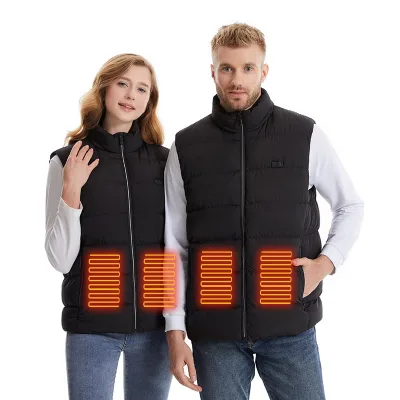
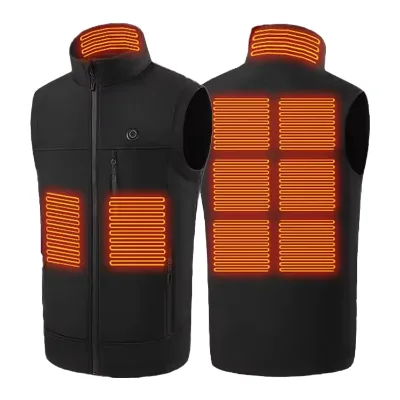
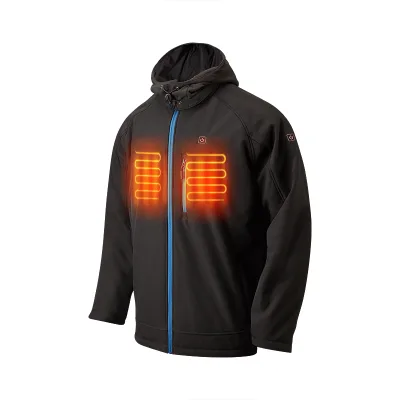
Men and Women Battery Heated Vest 5V Waterproof Heating Vest with USB Plug
$19.99 - $22.50
MOQ: 1 Pieces






PVA Adjustable Summer Outdoor Cooling Vest
$9.50 - $15.50
MOQ: 100 Pieces
Nanchang ICE BEAR Cooling and Warming Household Products Co., Ltd.


Comprehensive Sourcing Guide
Strategic Sourcing Guide for Women's Nylon Heated Vest Procurement
The global demand for active thermal apparel has driven a significant shift toward electrically heated garments, with the women's nylon heated vest emerging as a critical category for outdoor enthusiasts, industrial workers, and emergency responders. Sourcing this specific product requires a disciplined approach that balances technical performance with supply chain reliability. Unlike standard outerwear, heated vests integrate complex electrical components with textile manufacturing, creating unique verification challenges. This guide outlines the essential factors for buyers to consider when evaluating suppliers, analyzing product specifications, and ensuring long-term procurement success without relying on unverified marketing claims.
Technical Specifications and Component Verification
When evaluating a women's nylon heated vest, the primary focus must be on the integrity of the heating system and the durability of the shell material. The core keyword implies a specific material composition: nylon. While many market listings feature polyester blends, a genuine nylon shell offers superior abrasion resistance and water repellency, which are vital for outdoor applications. Buyers must verify the material composition through independent testing or supplier documentation, as the standard for the shell material directly impacts the vest's lifespan in harsh conditions.
The heating element is the most critical functional component. In the observed market data, carbon fiber and composite fiber are the dominant technologies cited. Carbon fiber elements are generally preferred for their rapid heat-up time and uniform distribution, while composite fibers may offer different flexibility characteristics. The heating area is another specification that varies significantly between models. Some units target the back and shoulders, while others provide comprehensive coverage including the upper abdomen, neck, and waist. For a women's specific fit, the heating zone must align with the female torso anatomy to ensure comfort and effective thermal regulation.
Power management is equally critical. The voltage and power supply method determine the vest's versatility. A 5V system is standard for compatibility with portable power banks, allowing for extended use without access to mains electricity. However, the capacity of the power source, such as a 10000mAh mobile power bank, dictates the duration of operation. Buyers should not assume that a listed capacity guarantees a specific runtime, as this depends on the heating temperature setting and the efficiency of the heating element. The switch mechanism, whether a single button or a dual-switch system, also influences user control. A multi-level switch allows for precise temperature adjustment, typically indicated by color-coded LEDs (e.g., blue for low, white for medium, red for high), which is essential for adapting to varying environmental conditions.
Material Composition and Thermal Performance
The construction of the vest involves a multi-layer approach where the outer shell, insulation, and lining work in tandem. While the outer shell is specified as nylon for the target keyword, the internal lining often utilizes fleece to enhance comfort and retain body heat. The filling material, which may be cotton or synthetic insulation, plays a crucial role in the vest's weight and thermal efficiency. A typical weight specification for such a garment might range around 320 grams for the vest plus 220 grams for the power unit, though these figures are observational and vary by model.
Temperature control is a key performance metric. The heating temperature range observed in current market offerings spans from 38 to 65 degrees Celsius. This wide range allows for customization based on user preference and ambient conditions. However, buyers must verify that the temperature regulation system includes safety features to prevent overheating. The fabric itself must be breathable to prevent moisture buildup, which can lead to discomfort and reduced thermal efficiency. Additionally, the closure style, typically a zipper, and the collar style, often a stand collar, must be designed to minimize heat loss while maintaining a secure fit.
The washability of the heated vest is a significant operational consideration. While some models are marked as washable, the electrical components must be removable or protected to withstand the washing process. The packing method, whether in a bag or a box, often reflects the level of protection provided to the electrical components during transit. Buyers should inquire about the specific washing instructions to ensure the longevity of the heating elements and the integrity of the nylon shell.
Compliance, Safety Standards, and Certification Checks
In the realm of electrically heated apparel, compliance and safety are non-negotiable. Unlike standard clothing, heated vests introduce electrical hazards that require rigorous testing. Buyers must demand evidence of compliance with relevant electrical safety standards, such as those governing low-voltage devices and textile heating elements. While specific certification names are not universally standardized across all regions, the presence of a recognized safety mark is essential.
The standard for the product itself, often cited as "polyester" or "nylon" in basic listings, refers to the material composition rather than a safety standard. Buyers should look for certifications related to electrical safety, such as UL, CE, or RoHS compliance, which indicate that the product has been tested for fire resistance, electrical insulation, and material safety. The origin of the product, often listed as China, requires additional scrutiny regarding the manufacturer's adherence to international safety protocols.
It is crucial to verify that the heating element and wiring are insulated and protected against short circuits. The voltage of 5V is generally considered safe for consumer use, but the quality of the internal wiring and the durability of the connections are paramount. Buyers should request test reports that demonstrate the vest's ability to withstand bending, stretching, and repeated washing without compromising the electrical system. Without these verifications, the risk of product failure or safety incidents increases significantly.
Cost Drivers and Pricing Dynamics
The pricing of women's nylon heated vests is influenced by several factors, including the complexity of the heating system, the quality of materials, and the level of customization. The observed price range in the market spans from 5 to 97 USD, a wide disparity that reflects differences in quality and feature sets. Lower-priced models may use basic heating elements and standard nylon, while higher-priced options likely incorporate advanced composite fibers, superior insulation, and more robust power management systems.
The Minimum Order Quantity (MOQ) is another significant cost driver. The observed MOQ range of 1 to 500 units suggests that suppliers offer flexibility for both small-scale testing and large-volume procurement. However, higher MOQs often correlate with lower unit costs, making them attractive for established brands. Buyers must balance the initial investment against the potential for volume discounts. Additionally, customization options, such as logo printing or specific color variations, can impact the final cost. The packing method, whether a simple bag or a branded box, also contributes to the overall expense.
Typical Applications and User Demographics
The versatility of the women's nylon heated vest makes it suitable for a wide range of applications. The primary use case is outdoor activities, where users require protection against cold weather while maintaining mobility. This includes winter sports, hiking, and camping. The breathable and anti-static features are particularly beneficial for active users who generate body heat and require ventilation to prevent overheating.
Industrial and occupational applications are also significant. Workers in cold environments, such as construction sites, logistics centers, and emergency services, benefit from the ability to maintain core body temperature without bulky clothing. The unisex design and adult sizing (S-3XL) ensure that the product can be adapted to various body types. The loose version of the vest allows for layering over other garments, enhancing its utility in extreme cold conditions.
Supplier Evaluation and Quality Control
Selecting the right supplier is critical for ensuring product quality and reliability. Buyers should evaluate suppliers based on their manufacturing capabilities, quality control processes, and track record in producing heated garments. The presence of a dedicated production line for heated vests indicates a higher level of expertise and specialization.
Quality control measures should be rigorous, covering both the textile and electrical components. Buyers should request samples for testing before committing to a large order. These samples should be subjected to stress tests, including washing cycles, bending, and electrical load testing, to verify durability and safety. The supplier's ability to provide detailed product specifications, including material composition and heating element details, is a strong indicator of transparency and reliability.
Long-Term Procurement Considerations
Sourcing heated vests is not a one-time transaction but a long-term partnership that requires ongoing management. Buyers should consider the availability of spare parts, such as power banks or replacement heating elements, to ensure the longevity of the product. The warranty terms and after-sales support are also critical factors. A supplier that offers a comprehensive warranty and responsive customer service adds significant value to the procurement process.
Furthermore, buyers should monitor market trends and technological advancements in the heated apparel sector. As the technology evolves, suppliers may introduce new features or improved materials that could enhance the product's performance. Maintaining a flexible procurement strategy allows buyers to adapt to these changes and stay competitive in the market.
Comparative Analysis of Product Variants
To facilitate decision-making, the following table compares key attributes of common heated vest variants based on observed market data. This comparison highlights the differences in heating technology, coverage, and power requirements.
| Feature | Variant A (Carbon Fiber) | Variant B (Composite Fiber) | Variant C (Waterproof Model) |
|---|---|---|---|
| Heating Element | Carbon Fiber | Composite Fiber | Composite Fiber |
| Heating Area | Back and Shoulder | Upper Abdomen, Back, Neck, Waist | Upper Abdomen, Back, Neck, Waist |
| Temperature Range | 50~65 Degree | 38~55 Degree | 38~55 Degree |
| Power Supply | DC (Variable) | Power Bank 10000mAh | Power Bank 10000mAh |
| Switch Type | One Button | 2 Switch | 2 Switch |
| Material | Polyester | Nylon | Nylon |
| Washable | Yes | Yes | Yes |
| Primary Use | General Outdoor | Active Outdoor | Extreme Weather |
This table illustrates that while the core function remains the same, the specific implementation of heating technology and material choice significantly impacts the product's performance and suitability for different applications. Buyers must align their selection with their specific operational requirements and user needs.
In conclusion, sourcing a women's nylon heated vest requires a meticulous approach that prioritizes technical specifications, safety compliance, and supplier reliability. By focusing on these core areas and utilizing the provided data as a foundation for verification, buyers can make informed decisions that ensure the delivery of high-quality, safe, and effective thermal apparel. The complexity of integrating electrical systems with textile manufacturing demands a high level of diligence, but the result is a product that offers significant value to end-users in cold environments.
FAQs
How is the heating element constructed in these vests?
The heating element is constructed using carbon fiber or composite fiber materials. Carbon fiber models typically cover the back and shoulders, while composite fiber versions may include the upper abdomen, neck, and waist for broader thermal coverage.
What is the maximum heating temperature these vests reach?
The maximum heating temperature reaches 65 degrees Celsius in carbon fiber models. Composite fiber variants operate at a lower range, capping at 55 degrees Celsius to ensure safety during extended use in cold conditions.
Can these vests be washed safely without damaging electronics?
Yes, these vests are washable provided the electrical components are managed correctly. Users must ensure the power bank is removed before washing to protect the internal wiring and heating elements from water damage.
Which power supply options are compatible with these vests?
These vests are compatible with 5V DC power supplies, typically using a 10000mAh mobile power bank. This setup allows for portable operation without access to mains electricity, supporting various outdoor and industrial applications.
What materials are used for the outer shell and lining?
The outer shell is made of polyester or nylon, while the lining features fleece for comfort. Some models include cotton filling to enhance insulation, ensuring the garment remains warm and breathable during winter activities.
How many temperature settings do the control switches offer?
Control switches offer one or two settings depending on the specific model. One-button systems provide basic control, while dual-switch models allow for precise adjustment between low, medium, and high heat levels indicated by color codes.
What is the typical minimum order quantity for these vests?
The minimum order quantity ranges from 1 to 500 units depending on the supplier. Buyers can start with small quantities for testing or place larger orders to benefit from volume discounts and customized packaging options.