Source Adjustable Height Ergonomic Stool with PU Mute Wheels for Office Building, Home Office, School
Compare 30 listings of Adjustable Height Ergonomic Stool with PU Mute Wheels from Dongguan manufacturers. Buyers can evaluate features like gas lift mechanisms, cushion materials, and base types for use in office buildings, home offices, and schools.
Key considerations
Products List


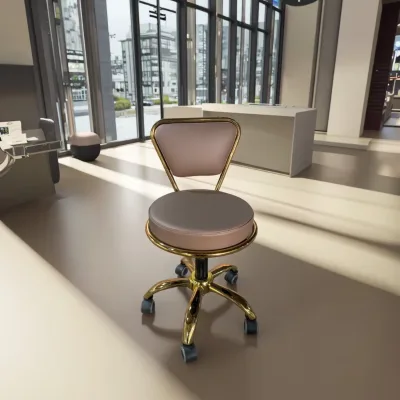

Best Ergonomic Stool Height Adjustable Office Visitor Chairs Ergonomic Chair
$65.96 - $81.19
MOQ: 2 Pieces


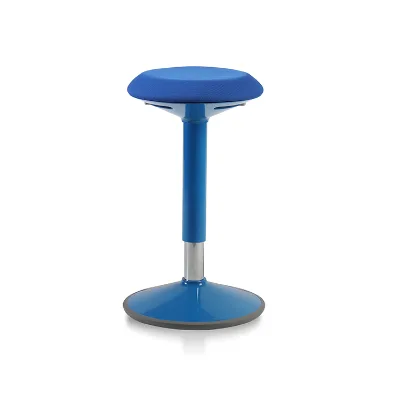

PU Leather Seat Low Back Swivel Adjustable Bar Chair Stool Without Armrest
$20.00 - $22.00
MOQ: 200 Pieces

Modern White PU Seat with Chromed Base Adjustable Swivel Bar Stool Chairs
$17.33 - $20.01
MOQ: 200 Pieces


Ergonomic Adjustable Desk Chair with Lumbar Support and Wheels High Back Chairs
$53.99 - $55.99
MOQ: 10 Pieces


Ergonomic Swivel Chair with Adjustable Seat Depth and Height for Customized Comfort
$111.00 - $126.00
MOQ: 1 Pieces


Comprehensive Sourcing Guide
Sourcing Guide for Adjustable Height Ergonomic Stools with PU Mute Wheels
Understanding the Product Category and Core Specifications
The search for an Adjustable Height Ergonomic Stool with PU Mute Wheels targets a specific niche within office and institutional furniture. This category is defined by the intersection of mobility, adjustability, and noise reduction, making it essential for environments where focus and quiet operation are paramount. Based on observed market data, these products are frequently categorized under "Office Furniture" with specific applications ranging from office buildings to hospitals, schools, and research institutes. The core mechanical design typically involves a gas lift mechanism that allows for seamless height adjustment, often described as a "Multi-Fun" mechanism in technical specifications.
A critical component of this product is the wheel system. The specific requirement for "PU mute wheels" indicates a need for polyurethane casters that offer a balance between durability and floor protection. Unlike standard nylon or rubber wheels, PU wheels are engineered to roll silently and prevent scuffing on sensitive flooring surfaces such as hardwood or polished concrete. The observed specifications for these units often include a gas lift cylinder with a standard length of approximately 14cm, though buyers must verify the exact stroke length relative to their workspace requirements. The base material is frequently chrome-plated steel, providing a sturdy foundation for the swivel casters, which are often described as "swivel casters" in product listings to denote 360-degree rotation capability.
The seating surface and structural integrity are equally important. Materials observed in this category include synthetic leather or genuine leather for the cushion, paired with high-density new foam to ensure long-term comfort without sagging. The frame construction often utilizes stainless steel legs, contributing to the overall durability and aesthetic appeal. The product style is generally modern, with designs that may feature armrests or remain armless depending on the specific model, such as the C08 or HY9009 variants. The condition of these units is typically listed as "New," and they are often sold in carton packing to facilitate safe shipping.
Technical Specifications and Mechanical Standards
When evaluating the technical specifications of an adjustable height ergonomic stool, buyers must look beyond surface-level descriptions and examine the underlying mechanical standards. The gas lift mechanism is the heart of the adjustability feature. In the observed market, a specific standard mentioned is the "BIFMA Standard Class 3" for gas lifts. This classification is a crucial indicator of safety and durability, suggesting the cylinder has undergone rigorous testing for pressure retention and cycle life. Buyers should verify that any supplier claims adherence to this or an equivalent international standard, as a Class 3 rating implies a higher tolerance for frequent adjustments and heavier loads compared to lower classes.
The dimensions of the stool are another vital technical parameter. Observed data points to a standard size range of 60 x 60 x 51-63 cm, which defines the footprint and the adjustable height range. The 51-63 cm range suggests a vertical travel of 12 cm, which is suitable for standard desk heights but may require verification if the user's desk is unusually high or low. The base diameter and the spacing of the legs determine stability; a five-star base is common for these models to distribute weight evenly and prevent tipping during use. The wheel type, specifically "Swivel Casters," ensures that the stool can be easily maneuvered in tight spaces, a feature that is particularly valuable in laboratory or clinical settings where equipment is densely packed.
Material specifications also play a significant role in the product's longevity. The cushion material is often listed as "Leather" or "Synthetic Leather," while the legs are frequently made of "Stainless Steel." The foam used in the seat is described as "High Density New Foam," which is essential for maintaining ergonomic support over extended periods. The product standard is sometimes listed as "Customized," indicating that dimensions or materials can be tailored to specific client needs. However, the base standard dimensions often remain consistent to ensure compatibility with existing office infrastructure. The "Rotary" feature mentioned in some specifications refers to the swivel capability of the seat, allowing users to rotate without moving the base, enhancing ergonomic flexibility.
Compliance, Certification, and Safety Standards
Navigating the compliance landscape for office furniture requires a keen understanding of certifications and safety standards. In the observed product data, "ISO" certification is explicitly mentioned as a property of the products. This indicates that the manufacturing process adheres to International Organization for Standardization guidelines, which often cover quality management systems and environmental standards. For buyers, this is a strong signal that the supplier maintains a structured approach to production quality. However, ISO certification is a broad term, and buyers should request specific details regarding which ISO standard (e.g., ISO 9001 for quality management) the supplier holds to ensure it aligns with their procurement requirements.
Safety standards are particularly critical for gas lifts and casters. The mention of "BIFMA Standard Class 3" for the gas lift is a specific, verifiable claim that buyers should prioritize. BIFMA (Business and Institutional Furniture Manufacturers Association) standards are widely recognized in the industry for testing the safety and durability of office furniture. A Class 3 rating typically means the gas lift has passed tests for pressure retention, cycle life, and stability under load. Buyers must ensure that the supplier can provide test reports or certification documents confirming this rating, as this directly impacts the safety of the end-user.
Additionally, the material composition of the stool must comply with relevant health and safety regulations. The use of "Synthetic Leather" and "High Density New Foam" suggests that the materials should be free from harmful substances such as formaldehyde or heavy metals, which are common concerns in furniture manufacturing. While specific chemical standards are not explicitly listed in the provided data, buyers should verify that the materials meet local or international regulations regarding volatile organic compounds (VOCs) and flammability. The "Customized" standard noted in the data implies that the supplier may offer flexibility in meeting specific regional compliance requirements, which is a valuable attribute for international procurement.
Cost Drivers and Pricing Dynamics
The pricing of adjustable height ergonomic stools with PU mute wheels is influenced by a complex interplay of factors, including material quality, manufacturing complexity, and customization options. The observed price range in the market spans from $10 to $230 USD, a wide spectrum that reflects the diversity of product tiers available. The lower end of this range likely corresponds to basic models with standard materials and minimal customization, while the higher end includes premium units with advanced features, superior materials, and custom specifications.
Material costs are a primary driver of price variation. Stools featuring "Stainless Steel" legs and "High Density New Foam" will generally command a higher price than those with standard steel or lower-density foam. The type of leather used, whether "Synthetic" or "Genuine," also significantly impacts the cost. Furthermore, the inclusion of specific features like "BIFMA Standard Class 3" gas lifts and "PU Mute" wheels adds to the manufacturing cost, as these components require higher quality control and more expensive raw materials.
Customization is another significant cost factor. The data indicates that "Customization" and "OEM" (Original Equipment Manufacturer) services are available. Customizing the dimensions, colors, or materials to specific client requirements involves additional engineering and production time, which increases the unit cost. The "Carton Packing" and "1PC/CTN" specifications suggest that packaging efficiency is also a consideration, as bulk packaging can reduce shipping costs, whereas custom packaging may increase them.
Minimum Order Quantity (MOQ) also plays a role in the effective cost per unit. The observed MOQ range is 1 to 200 units, with a specific listing showing an MOQ of 30 pieces. Buyers ordering smaller quantities may face higher per-unit costs due to the fixed costs of setup and production runs. Conversely, larger orders can leverage economies of scale to reduce the unit price. The "Lead Time" of 30 days is another factor to consider, as expedited shipping or rush orders may incur additional fees. Buyers should carefully balance their budget constraints with their volume requirements to optimize the total cost of ownership.
Typical Applications and Usage Scenarios
The versatility of adjustable height ergonomic stools with PU mute wheels makes them suitable for a wide range of applications. The observed data highlights usage in "Office Building," "Home Office," "Hospital," "School," "Company," and "Research Institute" settings. Each of these environments has unique requirements that the stool's features can address.
In office and home office settings, the primary benefit is ergonomic support and noise reduction. The adjustable height feature allows users to customize the stool to their desk height, promoting proper posture and reducing strain during long work sessions. The PU mute wheels are particularly valuable in open-plan offices or shared workspaces where noise from moving furniture can be disruptive. The modern style and availability of colors like "White," "Black," and "Blue" allow these stools to blend seamlessly with various interior designs.
In healthcare and educational environments, such as hospitals and schools, the durability and ease of cleaning are paramount. The "Stainless Steel" legs and "Leather" or "Synthetic Leather" cushions are resistant to moisture and easy to sanitize, making them ideal for clinical settings. The "Multi-Fun" mechanism and adjustable height allow medical professionals and students to adapt the stool to different tasks, from examining patients to working at lab benches. The "BIFMA Standard Class 3" gas lift ensures that the stool can withstand the frequent adjustments and heavy use typical in these high-traffic areas.
Research institutes and laboratories also benefit from the specific features of these stools. The "PU Mute" wheels prevent damage to sensitive equipment and flooring, while the adjustable height allows researchers to work comfortably at various bench heights. The "Without Armrest" option is often preferred in these settings to allow for greater mobility and access to equipment. The "3 Years" warranty observed in the data provides additional assurance of quality and reliability for institutions investing in long-term furniture solutions.
Supplier Evaluation and Quality Control Strategies
Evaluating suppliers for adjustable height ergonomic stools requires a systematic approach to ensure quality and reliability. The first step is to verify the supplier's business type and location. The data indicates that the products originate from "Dongguan, Guangdong" and "China," with the business type listed as "Manufacturer." Buying directly from a manufacturer can offer cost advantages and better control over the production process, but it is essential to confirm the supplier's capacity and reputation.
Quality control should focus on the specific components mentioned in the product specifications. Buyers should request documentation for the "BIFMA Standard Class 3" gas lift and verify the "ISO" certification status. It is also crucial to inspect the material samples for the "High Density New Foam" and "Stainless Steel" legs to ensure they meet the expected quality standards. The "Carton Packing" and "1PC/CTN" specifications should be reviewed to ensure that the packaging is robust enough to prevent damage during transit.
Communication and after-sales support are also key indicators of a reliable supplier. The data mentions "Online Technical Support" as an available service, which is a positive sign for post-purchase assistance. Buyers should assess the responsiveness and expertise of the support team to ensure they can address any issues that may arise. The "3 Years" warranty is a significant factor, and buyers should clarify the terms and conditions of this warranty, including what is covered and the process for making a claim.
Finally, buyers should consider the supplier's ability to handle customization and OEM requests. The "Customized" and "OEM: Yes" attributes suggest that the supplier is flexible and capable of meeting specific client needs. However, buyers should establish clear communication regarding the customization process, including lead times, additional costs, and quality assurance measures for custom orders. By thoroughly evaluating these aspects, buyers can select a supplier that aligns with their quality standards and procurement goals.
Long-Term Procurement and Maintenance Considerations
Procuring adjustable height ergonomic stools is not just a one-time transaction but a long-term investment that requires careful planning for maintenance and lifecycle management. The "3 Years" warranty observed in the data provides a baseline for the expected lifespan of the product, but buyers should plan for potential replacements or repairs beyond this period. Regular maintenance of the gas lift and wheels is essential to ensure continued functionality and safety.
The "PU Mute" wheels, while durable, may eventually wear out or become clogged with debris. Buyers should establish a schedule for inspecting and cleaning the wheels to maintain their silent operation and smooth rolling. Similarly, the gas lift mechanism should be checked periodically for any signs of leakage or instability. The "High Density New Foam" cushions may also require replacement over time to maintain comfort and support, so buyers should consider the availability of replacement parts and the cost of reupholstering.
Sustainability is another long-term consideration. The use of "Synthetic Leather" and "Stainless Steel" materials suggests that the products are designed for durability, which can reduce the frequency of replacement and minimize waste. However, buyers should also inquire about the recyclability of the materials and the supplier's environmental policies. The "ISO" certification may include environmental management standards, which can be a valuable indicator of the supplier's commitment to sustainability.
Finally, buyers should consider the scalability of their procurement strategy. As the organization grows or changes, the demand for ergonomic furniture may increase. The "Customization" and "OEM" capabilities of the supplier can be leveraged to adapt the furniture to new requirements or to expand the fleet of stools. By planning for the long term and maintaining a proactive approach to maintenance and replacement, buyers can ensure that their investment in adjustable height ergonomic stools continues to provide value and support for their workforce.
FAQs
What certifications do these stools have?
These stools feature ISO certification, indicating adherence to international quality management standards. Buyers should verify specific ISO standard details like ISO 9001 to ensure alignment with procurement requirements for manufacturing quality.
How is the gas lift mechanism rated?
The gas lift mechanism meets the BIFMA Standard Class 3 rating for safety and durability. This classification ensures the cylinder withstands frequent adjustments and heavy loads, providing reliable performance in high-traffic environments.
Can I customize the product specifications?
Yes, customization is available for these stools, allowing tailored dimensions and materials. Buyers can request specific changes to the standard 60 x 60 x 51-63 cm size or select different cushion materials like synthetic or genuine leather.
What is the minimum order quantity?
The minimum order quantity ranges from 1 to 200 units depending on the supplier. Specific listings indicate an MOQ of 30 pieces, so buyers should confirm the exact threshold before placing an order to manage inventory costs.
Where are these stools manufactured?
These stools originate from Dongguan, Guangdong, China. The location is a key factor for logistics planning, as the lead time is typically around 30 days for production and shipping from this manufacturing hub.
What materials are used for the legs?
The legs are constructed from stainless steel to ensure durability and a modern aesthetic. This material choice supports the stool's stability and resistance to wear, making it suitable for office, hospital, and school applications.