Source Adjustable Height Contemporary Tea Table for Cafe, Hotel, Living Room
Find 30 Adjustable Height Contemporary Tea Table options from Chinese manufacturers. Compare metal and wood designs, custom sizes, and OEM capabilities for cafes, hotels, and living rooms.
Key considerations
Products List


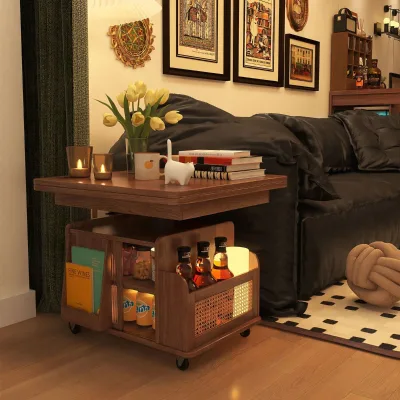


Modern Minimalist Metal Tea Table with Storage Shelf, Small Size for Balcony
$23.69 - $31.40
MOQ: 5 Pieces

Comprehensive Sourcing Guide
Adjustable Height Contemporary Tea Table Sourcing Guide
Sourcing adjustable height contemporary tea tables requires a nuanced understanding of the intersection between functional ergonomics and modern aesthetic design. These pieces are not merely decorative; they serve as dynamic focal points in living rooms, hotels, and cafes, adapting to user needs through height adjustment mechanisms. Buyers must recognize that "contemporary" implies a specific design language—clean lines, minimal ornamentation, and often a mix of materials—while "adjustable height" introduces mechanical complexity that can impact durability and cost. The procurement strategy must balance the desire for visual appeal with the rigorous demands of mechanical reliability, ensuring that the moving parts do not compromise the structural integrity of the table over time.
The market for these tables is diverse, ranging from simple manual lift systems to more complex hydraulic or electric mechanisms. Procurement teams need to evaluate whether the target market prefers subtle, integrated adjustments or more prominent, industrial-style levers. This decision influences the choice of materials, such as metal frames paired with wood or panel tops, and dictates the manufacturing complexity. Understanding these variations is crucial for defining the product scope accurately, as the term "tea table" can overlap with side tables, coffee tables, and even pot stands, each requiring different structural reinforcements and adjustment tolerances.
Product Scope and Observed Listing Signals
The observed product landscape reveals a wide spectrum of configurations, with prices ranging from $7 to $1,500 USD, indicating significant variation in material quality, mechanism sophistication, and brand positioning. This broad range suggests that buyers should not assume uniform quality across all listings; instead, they must scrutinize the specific attributes of each supplier’s offering. For instance, some products are described as having a "Metal Frame" with "Solid Wood" or "Panel" styles, while others emphasize "Customized" sizes and colors. The presence of "Folded" and "Unfolded" attributes in some listings hints at space-saving designs, which may be particularly relevant for compact living spaces or multi-purpose venues like cafes and restaurants.
Further analysis of the listings shows that customization is a dominant theme, with many suppliers offering OEM design support and customizable sizes. This flexibility allows buyers to tailor products to specific interior design schemes, whether for modern offices, bedrooms, or cloakrooms. However, this also introduces complexity in the sourcing process, as custom orders often come with higher Minimum Order Quantities (MOQs) and longer lead times. Buyers must carefully weigh the benefits of customization against the potential for increased costs and logistical challenges, ensuring that the desired aesthetic features do not inadvertently inflate the project budget or delay delivery schedules.
Technical Specifications to Verify
When evaluating technical specifications, the first priority is to verify the mechanism responsible for height adjustment. Buyers should request detailed diagrams or videos demonstrating the operation of the lift system, whether it is manual, hydraulic, or electric. The durability of this mechanism is critical, as frequent adjustments can lead to wear and tear. Additionally, the stability of the table at various heights must be assessed, particularly for heavier tops made of solid wood or stone. Suppliers should provide data on load-bearing capacity and the smoothness of the adjustment process, ensuring that the table remains stable and does not wobble when in use.
Material composition is another key area requiring verification. While many listings mention "Metal" frames and "Wood" or "Wooden" tops, the specific grades and treatments of these materials can vary significantly. For example, some suppliers highlight "Environmentally Friendly" and "Natural and Beautiful" attributes, suggesting the use of sustainably sourced wood or low-VOC finishes. Buyers should request material certificates or samples to confirm the quality and safety of these components. Furthermore, the finish of the metal frame, whether it is powder-coated, painted, or polished, should be checked for resistance to corrosion and scratches, especially for tables intended for high-traffic areas like parks or restaurants.
Compliance and Safety Documentation
Compliance with safety standards is non-negotiable for adjustable height furniture, particularly when used in public spaces or by children. Buyers must ensure that suppliers provide documentation confirming adherence to relevant safety regulations, such as those governing stability, pinch points, and material toxicity. In the observed listings, some suppliers mention "ISO9001 & ISO14001" quality warranties, which indicate a commitment to quality management and environmental responsibility. However, buyers should verify that these certifications are current and applicable to the specific product line, as they do not automatically guarantee compliance with furniture-specific safety standards.
Additionally, buyers should inquire about the testing procedures used to validate the safety and durability of the adjustment mechanism. This includes stress tests, cycle tests for the lift system, and stability tests under various load conditions. Suppliers should be able to provide test reports from accredited laboratories, detailing the results of these evaluations. For products intended for export, buyers must also ensure compliance with the import regulations of the destination country, including any specific requirements for labeling, packaging, and material restrictions. This proactive approach to compliance helps mitigate the risk of product recalls and legal liabilities.
Cost Drivers and Commercial Terms
The cost of adjustable height contemporary tea tables is influenced by several factors, including the complexity of the adjustment mechanism, the quality of materials, and the level of customization required. As observed, prices can range widely, with basic models starting at lower price points and high-end, fully customized pieces reaching significantly higher costs. Buyers should request detailed breakdowns of the cost structure, including material costs, labor, and overhead, to understand where the value lies. This transparency allows for more effective negotiation and helps identify areas where cost savings can be achieved without compromising quality.
Commercial terms, such as MOQs and lead times, also play a significant role in the total cost of ownership. Some suppliers offer an MOQ of 100 pieces, while others may have lower requirements or no limitation if stock is available. Lead times can vary from 10 to 25 days, depending on the complexity of the order and the supplier’s production capacity. Buyers should negotiate favorable terms, such as flexible MOQs for initial orders or expedited shipping options for urgent requirements. Additionally, payment terms should be structured to protect the buyer’s interests, with a portion of the payment held until the goods are received and inspected.
Supplier Qualification and Quality Control
Supplier qualification is a critical step in the sourcing process, requiring a thorough assessment of the supplier’s capabilities, reputation, and quality control systems. Buyers should verify the supplier’s business license, production capacity, and experience in manufacturing adjustable height furniture. Site visits or virtual tours can provide valuable insights into the supplier’s manufacturing processes and quality control measures. Additionally, buyers should request references from previous clients, particularly those in similar industries or regions, to gauge the supplier’s reliability and customer service.
Quality control should be integrated into the procurement process from the outset. Buyers should establish clear quality standards and inspection criteria, which should be communicated to the supplier before production begins. Regular quality checks, including pre-production, during-production, and pre-shipment inspections, help ensure that the final products meet the agreed-upon specifications. Buyers should also consider hiring third-party inspection agencies to conduct independent quality audits, providing an additional layer of assurance. This proactive approach to quality control helps minimize the risk of defects and ensures that the products meet the buyer’s expectations.
Long-Term Procurement Checks
Long-term procurement success depends on establishing a sustainable relationship with suppliers and continuously monitoring performance. Buyers should implement a supplier scorecard system to track key performance indicators, such as on-time delivery, product quality, and responsiveness to issues. Regular reviews of these metrics help identify areas for improvement and facilitate constructive feedback. Additionally, buyers should stay informed about industry trends and technological advancements, ensuring that their product offerings remain competitive and relevant.
Furthermore, buyers should develop contingency plans for supply chain disruptions, such as raw material shortages or geopolitical events. Diversifying the supplier base and maintaining safety stock can help mitigate these risks. Buyers should also consider the environmental impact of their procurement decisions, prioritizing suppliers who demonstrate a commitment to sustainability and ethical practices. By focusing on long-term relationships and continuous improvement, buyers can build a resilient and efficient supply chain that supports their business goals.
FAQs
Can I customize the height of the tea table?
Yes, the height is customizable to meet your specific requirements. This option is available alongside other design customizations like OEM support, allowing you to tailor the product to your needs.
What is the minimum order quantity for this table?
The standard minimum order quantity is 100 pieces. However, if stock is available, some listings indicate no limitation on the order size, providing flexibility for smaller initial purchases.
Which materials are used to construct this table?
The tables are constructed from metal frames and solid wood. Some models specifically utilize natural wood to preserve the natural texture, ensuring an environmentally friendly and beautiful finish.
How long does it take to produce the order?
The typical lead time ranges from 10 to 25 days. This duration applies to customized orders and depends on the specific production schedule and the complexity of the requested design.
What is the warranty period for the product?
The product comes with a one-year warranty. This coverage ensures quality assurance for the metal frame and wooden components used in the construction of the contemporary tea table.
Can I get a sample before placing a bulk order?
Yes, samples are accepted for evaluation before committing to a large purchase. This allows buyers to verify the quality, finish, and dimensions of the solid wood or metal frame tables.
Where are these tables manufactured and shipped from?
These tables originate from factories in Hebei and Jiangsu, China. They are typically exported via ports such as Shenzhen or Guangzhou using standard export packing to ensure safe delivery.