Source Adjustable Height Medical Stool with Wheels for clinics, hospitals, and operating rooms
Find 30 Adjustable Height Medical Stool with Wheels options tailored for hospital and clinic environments. Buyers can compare specifications like dimensions, material, and customization availability to select the right equipment for their facility needs.
Key considerations
Products List


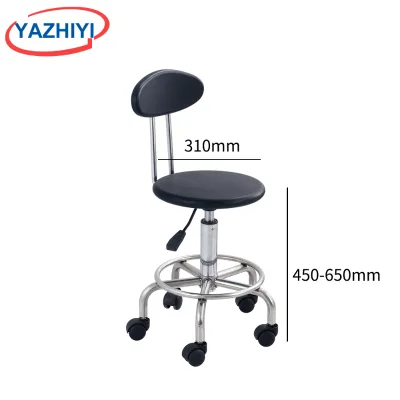
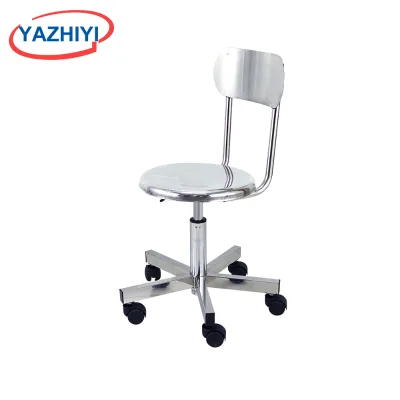
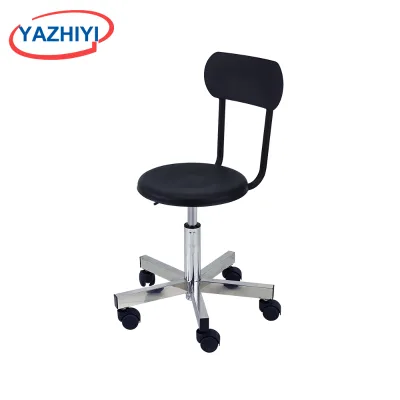
Hospital Doctor Chair Height Adjustable Surgeon Operation Stool for Clinic
$25.00 - $40.00
MOQ: 10 Pieces




Hospital Medical Bed Metal Large Portable Capacity One Step Stool for Elderly
$10.00 - $80.00
MOQ: 1 Pieces


Comprehensive Sourcing Guide
Strategic Sourcing Guide for Adjustable Height Medical Stools with Wheels
Procuring adjustable height medical stools with wheels for clinical environments requires a rigorous approach that balances ergonomic functionality, regulatory compliance, and long-term durability. These specialized seating solutions are critical for medical professionals who require mobility and precise height adjustments during procedures, examinations, and administrative tasks. The market offers a diverse array of options, ranging from basic swivel stools to multifunctional units designed for operating rooms. Buyers must navigate a complex landscape of specifications, materials, and customization options to ensure the selected equipment meets the specific operational demands of their facility. This guide provides a structured framework for evaluating potential suppliers and products, focusing on verified attributes and essential procurement considerations.
Technical Specifications and Functional Requirements
The core functionality of an Adjustable Height Medical Stool with Wheels relies on the precision of its mechanical components and the stability of its base. When evaluating technical specifications, buyers should prioritize the adjustability mechanism, which can be manual or automated. In the observed market data, manual control systems are a prevalent configuration, offering reliability and ease of maintenance without the complexity of electronic components. The height adjustment range is a critical metric; while specific numerical ranges vary by model, buyers must verify that the stool can accommodate the user's height and the specific task requirements, such as reaching a patient's knee level or working at a high counter.
The base design is equally important for safety and mobility. Wheels, often referred to as casters, must be selected based on the floor surface type within the facility. For smooth hospital corridors, standard wheels suffice, but for uneven surfaces or carpeted areas, specialized locking casters are necessary to prevent unintended movement. The product attributes indicate that some units are designed with specific dimensions, such as 470*450mm, which likely refers to the seat or base footprint. Buyers should confirm the exact dimensions of the seat and the overall footprint to ensure the stool fits within the designated workspace without obstructing traffic flow.
Material composition is another vital technical factor. Stainless steel is frequently cited as a primary material for the frame and base, offering superior resistance to corrosion and ease of cleaning, which is essential for infection control. The seat and backrest materials often include leather or synthetic alternatives, chosen for their durability and comfort during long shifts. Some models are described as having a "luxury" or "modern" design style, which may influence the aesthetic integration into the clinic, but the functional integrity of the materials must remain the primary concern. The presence or absence of a backrest and armrests should be determined by the specific usage scenario; for instance, operating room stools may require a backrest for support, while examination stools might be designed without them for greater flexibility.
Compliance and Certification Verification
Navigating the regulatory landscape is a non-negotiable aspect of sourcing medical equipment. While specific certification statuses can vary by manufacturer, buyers must demand proof of compliance with recognized international standards. The presence of ISO certification is a strong indicator that the manufacturer adheres to quality management systems, ensuring consistent production standards. However, ISO alone is often insufficient for medical devices; buyers should verify if the product holds specific medical device certifications relevant to the region of operation, such as CE marking for European markets or FDA clearance for the United States.
It is crucial to distinguish between the certification of the manufacturing facility and the certification of the specific product model. A factory may be ISO certified, but individual product lines might undergo separate testing for safety and performance. Buyers should request documentation that explicitly links the certification to the specific model number, such as DA-DST06 or KX2010, to avoid receiving non-compliant inventory. The "Grade a Class" designation mentioned in some product data suggests a classification system, likely related to material quality or safety standards, which should be clarified with the supplier to understand its implications for medical use.
Furthermore, the intended application dictates the required compliance level. Stools designated for "Oral Surgery" or "Operating Room" use must meet stricter hygiene and safety standards than those intended for general administrative use. Buyers should verify that the materials used in construction are biocompatible and resistant to harsh disinfectants. The absence of specific certification claims in general product descriptions does not imply non-compliance, but it necessitates a proactive request for test reports and certification copies before finalizing any purchase agreement.
Cost Drivers and Pricing Dynamics
The pricing of adjustable height medical stools with wheels is influenced by a complex interplay of factors, including material quality, customization options, and order volume. The observed market data indicates a wide price range, from as low as 0.01 USD to 600 USD, reflecting the diversity of product tiers available. This broad spectrum suggests that buyers must carefully align their budget with their specific needs, as the lowest price point may correspond to basic, non-customized units with minimal features, while higher prices likely reflect premium materials, advanced adjustability mechanisms, and specialized certifications.
Material costs are a primary driver of price variation. Stainless steel frames and high-grade leather upholstery command higher prices compared to alternative materials. Additionally, the level of customization significantly impacts the final cost. Products marked as "Customized" or offering OEM/ODM services will inherently carry a higher price tag due to the additional engineering and production setup required. Buyers seeking specific dimensions, colors, or branding must anticipate a premium for these bespoke features.
Order volume also plays a pivotal role in pricing. The Minimum Order Quantity (MOQ) ranges from 1 to 300 units, indicating that suppliers offer flexibility for small clinics as well as bulk purchasing for large hospital chains. Buyers should leverage their order volume to negotiate better pricing tiers. For instance, an order exceeding a certain threshold might trigger a reduction in the unit cost, even if the base price remains high. It is essential to request a detailed quotation that breaks down the cost of the base unit, customization fees, and any additional charges for packaging or shipping to avoid hidden costs.
Typical Applications and Usage Scenarios
Understanding the specific application of the stool is fundamental to selecting the right product. The market data highlights several distinct usage scenarios, including "Doctor Chair," "Operating Room," "Hospital," and "Clinic." Each environment imposes unique requirements on the equipment. In an operating room, the stool must provide stable support for surgeons who may need to maintain a specific posture for extended periods. These units often feature a backrest and armrests for maximum support and may be designed with a "luxury" style to match the high standards of the facility.
For dental practices, particularly those specializing in oral surgery, the stool must allow for precise height adjustments to accommodate different patient positions and procedural needs. The "Multifunctional" attribute suggests that some models are versatile enough to serve multiple roles within a clinic, such as acting as a patient chair or a staff stool. The "Specific Use" category of "Hospital Stool" implies a focus on durability and ease of cleaning, essential for high-traffic medical areas.
The design style, whether "Modern" or "Luxury," also correlates with the intended application. Modern designs often prioritize functionality and space efficiency, making them suitable for compact examination rooms. In contrast, luxury designs may emphasize comfort and aesthetics, which are valuable in private clinics or high-end medical centers. Buyers should assess the workflow of their specific department to determine whether a stool with a backrest and armrests is necessary or if a backless, armless design offers greater mobility and flexibility for the staff.
Supplier Evaluation and Selection Criteria
Selecting a reliable supplier is as critical as selecting the product itself. Buyers should prioritize suppliers who demonstrate transparency in their product attributes and are willing to provide detailed documentation. The "Place of Origin" is a key factor, with many products originating from Guangdong, China, a region known for its manufacturing capabilities in medical equipment. However, the location alone does not guarantee quality; buyers must evaluate the supplier's track record, production capacity, and commitment to quality control.
The ability to offer customization is a significant differentiator among suppliers. Suppliers who support OEM/ODM services and offer "Customized" options demonstrate a higher level of flexibility and customer focus. Buyers should assess the supplier's responsiveness to specific requests regarding dimensions, materials, and branding. Additionally, the availability of different packaging options, such as "Standard Carton," "Box," or "Sponge Foam Box Independent Packaging," indicates the supplier's attention to product protection during transit, which is crucial for maintaining the integrity of the equipment.
Warranty terms are another essential criterion for supplier evaluation. A warranty period of "3 Years" is a strong indicator of the supplier's confidence in their product's durability and quality. Buyers should carefully review the terms of the warranty, including what is covered, the process for claims, and the availability of spare parts. Suppliers who offer comprehensive warranties and responsive after-sales support are preferable, as they reduce the long-term risk associated with equipment failure.
Quality Control and Long-Term Procurement Considerations
Ensuring the long-term reliability of medical stools requires a robust quality control (QC) strategy. Buyers should implement a multi-stage QC process that includes pre-shipment inspections, material verification, and functional testing. The "Condition" of the product should be verified as "New" upon delivery, and any signs of damage or defects must be addressed immediately. For products with specific dimensions, such as the 540540250mm or 550730300mm standards, buyers should conduct physical measurements to ensure they match the specifications provided.
Long-term procurement considerations extend beyond the initial purchase to include maintenance, repair, and replacement strategies. Buyers should inquire about the availability of replacement parts, such as wheels, gas lifts, and upholstery, to minimize downtime in case of wear and tear. The "Folded" and "Unfolded" states of the product may also be relevant for storage and transport, particularly in facilities with limited space. Suppliers who offer "Independent Packaging" can help protect the product during shipping, reducing the risk of damage.
Sustainability and environmental impact are increasingly important factors in procurement. Buyers should consider the recyclability of materials and the environmental footprint of the manufacturing process. While specific environmental certifications may not be explicitly listed in the product data, buyers can request information regarding the supplier's sustainability practices. Additionally, the "General Use" category of "Hospital Furniture" suggests that the product is designed for heavy-duty use, which should be validated through real-world testing or references from other medical facilities.
Comparative Analysis of Product Attributes
To facilitate informed decision-making, buyers can utilize a comparative analysis of key product attributes. The following table summarizes the diverse options available in the market, highlighting the variations in model, material, and features.
| Attribute | Option A | Option B | Option C |
|---|---|---|---|
| Model | DA-DST06 | DA-DST07 | KX2010 |
| Material | Stainless Steel | Stainless Steel | Steel, Leather |
| Adjustment | Manual | Manual | Manual |
| Backrest | Without Back | With Back | With Back |
| Armrest | Without Armrest | With Armrest | With Armrest |
| Packing | Box | Standard Carton | Carton |
| Standard | 540540250mm | 550730300mm | 53x53x20cm |
| Customization | Available | Customized | Non-Customized |
| Application | Oral Surgery | Hospital, Clinic | Doctor Chair |
| Warranty | 3 Years | 3 Years | 3 Years |
This comparison illustrates the significant variation in product configurations. Option A, for instance, is designed for oral surgery with a backless design, while Option B and C offer backrests and armrests suitable for general hospital use. The standard dimensions also vary, requiring buyers to match the product to their specific spatial constraints. By systematically evaluating these attributes against their operational needs, buyers can identify the most suitable product for their facility.
In conclusion, sourcing adjustable height medical stools with wheels requires a meticulous approach that integrates technical evaluation, compliance verification, and strategic supplier selection. By focusing on verified attributes and avoiding unconfirmed claims, buyers can ensure the acquisition of high-quality equipment that enhances the efficiency and safety of their medical operations. The wide range of available options allows for tailored solutions that meet the unique demands of diverse clinical environments, from specialized oral surgery suites to general hospital wards.
FAQs
What certifications do adjustable height medical stools with wheels typically have?
Products often carry ISO certification to indicate adherence to quality management systems. Buyers should verify if specific models hold additional medical device certifications like CE or FDA clearance for their region of operation.
Which materials are used for the frame and seat of these stools?
Stainless steel is frequently used for the frame to ensure corrosion resistance and ease of cleaning. Seats and backrests often feature leather or synthetic materials chosen for durability and comfort during long shifts.
Can I find adjustable height medical stools with wheels that are customized?
Yes, customization is available for many models, allowing for specific dimensions, colors, or branding. Suppliers offering OEM or ODM services can produce units tailored to your facility's unique operational requirements.
How do I determine the correct size for an operating room stool?
Check the product standard dimensions, such as 540*540*250mm or 550*730*300mm, to ensure the stool fits your workspace. Verify the seat footprint, like 470*450mm, to confirm it accommodates the user without obstructing traffic.
What is the typical warranty period for these medical stools?
A warranty period of 3 years is a common indicator of product durability and supplier confidence. Buyers should review the specific terms to understand coverage for defects and the process for claiming repairs or replacements.
Where are these medical stools typically manufactured?
Many products originate from Guangdong, China, a region known for medical equipment manufacturing capabilities. Buyers should evaluate the supplier's track record and production capacity regardless of the stated place of origin.
What packaging options are available for shipping these stools?
Packaging varies from standard cartons to sponge foam box independent packaging to protect the unit during transit. Some items are shipped in boxes or color boxes depending on the specific model and customization level.