Source Adjustable Height Rotating Manicure Chair for nail salon, SPA, Barber
Find and compare 30 Adjustable Height Rotating Manicure Chair options from Guangdong and Henan, China. Buyers can review materials like PU and metal, colors, and specifications for nail salons, spas, and barber shops.
Key considerations
Products List
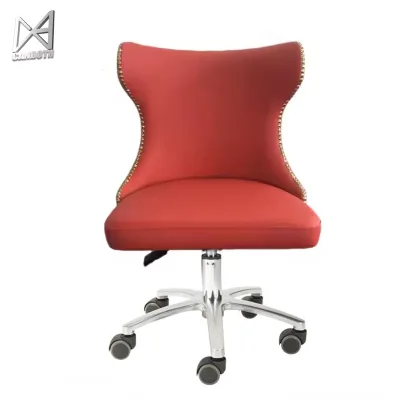


Nail Salon Furniture Manicure Pedicure Massage Chair for Sales SPA Chair
$1050.00 - $1200.00
MOQ: 1 Pieces


Wholesale Adjustable Pedicure Chairs for SPA Centers OEM Nail Salon Chairs
$350.00 - $750.00
MOQ: 1 Pieces

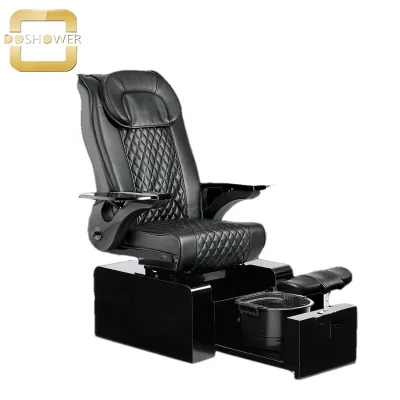
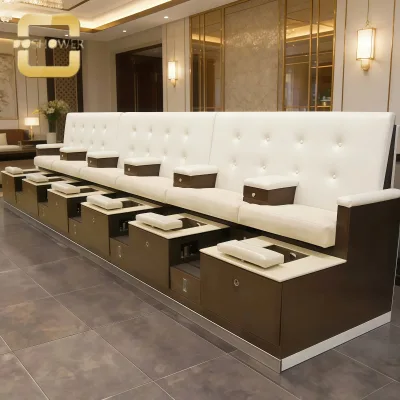


Luxury Nail Salon Equipment Foot SPA Manicure Chair Modern Massage Pedicure Chair
$1290.00 - $1320.00
MOQ: 1 Sets


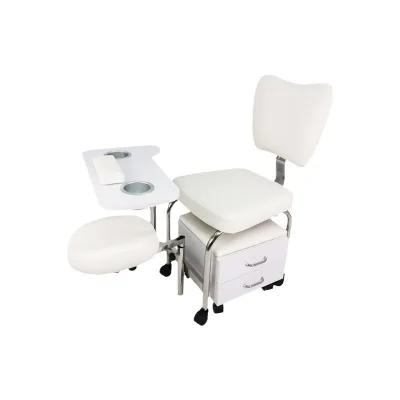

European and American Style Manicure Nail SPA Waiting Chair for Nail Salon
$10.50 - $15.00
MOQ: 100 Pieces


Great Factory Wholesale Luxury Nail Salon Equipment SPA Manicure Pedicure Chair
$720.00 - $780.00
MOQ: 1 pieces


Comprehensive Sourcing Guide
Strategic Sourcing Guide for Adjustable Height Rotating Manicure Chairs
The global demand for specialized beauty equipment has driven a significant evolution in the design and functionality of salon furniture. Among these, the Adjustable Height Rotating Manicure Chair stands out as a critical asset for modern nail salons, spas, and barbershops. For procurement professionals, sourcing this specific category requires a disciplined approach that balances ergonomic requirements with durability and cost efficiency. This guide provides a comprehensive framework for evaluating suppliers and products based on verified market data, ensuring that buyers make informed decisions without relying on unverified claims.
Understanding Core Technical Specifications and Material Composition
When evaluating an Adjustable Height Rotating Manicure Chair, the primary focus must be on the mechanical integrity of the adjustment system and the quality of the materials used. The market data indicates that these units are typically constructed from a composite of materials including PU leather, metal, sponge, plywood, and synthetic leather. The specific combination of these materials dictates the chair's longevity and comfort profile. For instance, the use of "Resisted Acetone PU Leather" is a notable attribute observed in several product listings, suggesting a design intent to withstand the chemical exposure common in nail care environments.
The mechanical functionality is defined by the "Rotary" attribute, which can be categorized as either "Fixed" or "Rotary." A true rotating chair allows for 360-degree movement, facilitating easier access for technicians from any angle. The height adjustment mechanism is equally critical. While specific numerical ranges for height adjustment vary by model, buyers must verify the "Adjustable Height Range" to ensure it meets the ergonomic needs of the staff. One observed specification notes an approximate adjustment range of 12cm, but this is not a universal standard. Procurement teams should demand technical drawings or physical demonstrations to confirm the smoothness of the hydraulic or pneumatic lift and the stability of the base during rotation.
The structural integrity is often supported by a metal frame, with some models incorporating plywood for the seat base. The "Single gross weight" of these units can vary significantly, ranging from lightweight portable models weighing around 1.000 kg to heavier, stationary units with a net weight of 28 kg and a gross weight of 30 kg. This variance in weight suggests a wide spectrum of applications, from mobile nail technicians to fixed salon stations. Buyers must correlate the weight and material composition with the intended use case; a lighter chair may be suitable for pop-up events, while a heavier, metal-heavy unit is essential for high-traffic salons.
Compliance, Certification, and Safety Standards
In the realm of B2B procurement for beauty equipment, compliance and safety are non-negotiable. While specific certification statuses like CE are mentioned in background contexts, buyers should not assume that every listed product automatically possesses these certifications without verification. The sourcing process must include a rigorous request for documentation proving that the product meets the safety standards of the destination market.
The "prod_standard" attribute provides some insight into the dimensional expectations of these chairs. Observed standards include dimensions such as 102L72W57H, 606065cm, and 55"X28" X20". These figures represent the physical footprint and operational space required. However, compliance goes beyond dimensions. Buyers must verify that the "Loading Capacity" of the chair, which can be as high as 220kgs in some heavy-duty models, is certified by a recognized testing body. The structural load-bearing capacity must be validated to prevent mechanical failure under the weight of an adult client.
Furthermore, the "After Sale Service" attribute, such as a "1 Year Warranty," serves as an indirect indicator of the manufacturer's confidence in their product's compliance and durability. A warranty period should be clearly defined in the contract, covering defects in materials and workmanship. Buyers should also inquire about the "prod_packing" standards, such as "K=K Carton" with "2cm Foam at 6 Sides" or "Crate" packaging. Proper packaging is a critical component of compliance during transit, ensuring that the chair arrives without damage that could compromise its safety features.
Cost Drivers and Pricing Dynamics
The pricing landscape for adjustable height rotating manicure chairs is diverse, with observed ranges spanning from $10.50 to $1600 USD. This wide disparity is driven by several key factors, including material quality, brand positioning, and the complexity of the mechanical systems. The "prod_model" identifiers, such as CB-S0010, SK-8030-3014, DP-3506, and Ek-001e, often correlate with specific price points and feature sets.
Material costs are a primary driver. Chairs constructed with high-grade "Resisted Acetone PU Leather" and robust metal frames will command a higher price than those using standard synthetic leather or plastic components. The "Customization" availability is another significant cost factor. Products offering OEM services for colors like "Cappuccino, Grey, Cream, Black" or specific branding may incur additional setup and unit costs. The "MOQ" (Minimum Order Quantity) also plays a crucial role in unit pricing. While some suppliers offer an MOQ of 1, others require a minimum of 10 PCS. Bulk purchasing typically reduces the per-unit cost, but buyers must balance this against their storage and cash flow constraints.
The "Single package size" and "Cbm" (cubic meter) values, such as 0.33 Cbm, directly impact shipping costs. Larger, heavier chairs with complex packaging require more freight space, increasing the landed cost. Buyers should calculate the total cost of ownership, including freight, insurance, and potential customs duties, rather than focusing solely on the factory gate price. The "Selling Units" being listed as "Single item" suggests that these are often sold individually, but the "MOQ" constraints may require purchasing multiple units to achieve a viable price point.
Typical Applications and Functional Versatility
The versatility of the Adjustable Height Rotating Manicure Chair makes it suitable for a wide array of professional environments. The "Application" attribute explicitly lists "nail salon" and "SPA" as primary use cases. However, the data also indicates that these chairs are utilized in "Beauty Salon" settings and even as "Barber Chair" alternatives in some configurations. The "Key Word" association with "Nail Furniture Manicure Chair" reinforces their specialized role in the beauty industry.
The "Color" options, ranging from "Red, Purple, Blue, Green, Yellow, Grey, Pink, Coffee, White, Black" to specific OEM requests, allow businesses to align the furniture with their interior design themes. This customization is particularly valuable for high-end spas that require a cohesive aesthetic. The "Feature" set, including "Portable" and "Comfortable," highlights the dual nature of these chairs. Portable models are ideal for mobile nail technicians who need to transport their equipment to client locations, while comfortable, stationary models are designed for extended use in fixed salon environments.
The "Folded" attribute, which can be "Folded" or "Unfolded," further expands the application scope. Foldable chairs offer space-saving solutions for smaller salons or temporary setups, whereas unfolded, fixed-base chairs provide maximum stability for heavy-duty use. The "Armrest" configuration, typically "With Armrest," is essential for client comfort during long manicure or pedicure sessions. Buyers should assess the specific application needs of their target market to select the model that best balances portability, comfort, and stability.
Supplier Evaluation and Quality Control Protocols
Evaluating suppliers for this category requires a multi-faceted approach that goes beyond simple price comparison. The "place of origin" is predominantly "Guangdong, China," with some listings noting "China Henan." While these regions are known for manufacturing capabilities, buyers must conduct thorough due diligence on individual suppliers. The "Customer Chair Nail Chair" attribute suggests a focus on customer-specific needs, indicating that suppliers should be responsive to customization requests.
Quality control should be a central component of the procurement process. Buyers must verify the "prod_packing" standards to ensure that the product is protected during transit. For example, "K=K Carton" with "2cm Foam at 6 Sides" is a robust packaging method that minimizes the risk of damage. Additionally, the "After Sale Service" terms, such as the "1 Year Warranty," should be scrutinized to understand the scope of coverage and the process for claiming repairs or replacements.
Suppliers should be evaluated on their ability to provide detailed technical specifications, including the "Adjustable Height Range" and "Loading Capacity." The "prod_model" numbers serve as unique identifiers, and buyers should request sample units or detailed catalogs for each model to verify the "Material" composition. The presence of "Customized" options and OEM capabilities indicates a supplier's flexibility, but buyers must ensure that the customization process does not compromise the structural integrity of the chair.
Long-Term Procurement Considerations and Maintenance
Sourcing adjustable height rotating manicure chairs is not a one-time transaction but part of a long-term procurement strategy. The "After Sale Service" and warranty terms are critical for long-term value. A "1 Year Warranty" is a baseline expectation, but buyers should explore options for extended coverage or maintenance contracts. The "Material" durability, particularly the "Resisted Acetone PU Leather," is a key factor in reducing long-term replacement costs.
Maintenance protocols should be established to ensure the longevity of the chairs. Regular inspection of the "Rotary" mechanism and the "Adjustable Height" system is necessary to prevent wear and tear. The "Single gross weight" and "N.W." (Net Weight) data help in planning for the logistics of maintenance and potential replacement. Buyers should also consider the "Cbm" and packaging dimensions when planning for storage and future inventory management.
The "Customization" aspect offers opportunities for branding and differentiation. However, buyers must ensure that the customization process is scalable and that the supplier can maintain consistent quality across large orders. The "MOQ" constraints, ranging from 1 to 100, allow for flexibility in inventory planning, but buyers should plan for future demand to avoid supply chain disruptions. By focusing on these long-term considerations, buyers can build a resilient supply chain that supports the growth and stability of their beauty business operations.
Comparative Analysis of Product Attributes
To facilitate a clearer understanding of the market landscape, the following table summarizes key attributes observed across different product models. This comparison highlights the diversity in specifications, materials, and capabilities available to buyers.
| Attribute | Model A (CB-S0010) | Model B (SK-8030-3014) | Model C (DP-3506) | Model D (Ek-001e) |
|---|---|---|---|---|
| Type | Pedicure Chair | Pedicure SPA Chair | Nail Furniture | Barber Chair |
| Material | PU, Metal, Sponge | Synthetic Leather | Metal | Metal |
| Color | Red | Purple, Blue, Green | Cappuccino, Grey | Black, etc. |
| Rotation | Fixed | Rotary | Rotary | Rotary |
| Folded | Unfolded | Folded | Unfolded | Unfolded |
| Weight (G.W.) | 1.000 kg | 30 Kg | N/A | N/A |
| MOQ | 1 | 10 PCS | 1 | 10 PCS |
| Packing | K=K Carton | K=K Carton | K=K Carton | Crate |
| Origin | Guangdong, China | China | China Henan | China |
This table illustrates that while the core function remains consistent, the specific attributes vary significantly. Buyers must carefully match these attributes to their specific operational requirements. For instance, a salon requiring a heavy-duty, rotating chair with a high weight capacity might prefer Model B or D, while a mobile technician might opt for the lighter Model A. The "Customization" availability and "After Sale Service" terms should also be weighed heavily in the final selection process.
Conclusion
Sourcing an Adjustable Height Rotating Manicure Chair requires a meticulous approach that prioritizes technical specifications, material quality, and supplier reliability. By leveraging the verified data points regarding materials, dimensions, and certifications, buyers can navigate the complex market landscape with confidence. The wide range of options, from portable units to heavy-duty salon chairs, offers flexibility for various business models. However, success in procurement depends on a thorough evaluation of each supplier's capabilities, a clear understanding of the cost drivers, and a commitment to long-term quality and maintenance. Through disciplined due diligence and strategic planning, buyers can secure high-quality equipment that enhances the operational efficiency and client experience of their beauty establishments.
FAQs
What materials are used for adjustable height rotating manicure chairs?
These chairs are constructed from PU, metal, sponge, leather, plywood, and synthetic leather. Some models feature resisted acetone PU leather to withstand chemical exposure in nail salons.
Can I customize the color of the Adjustable Height Rotating Manicure Chair?
Yes, customization is available for colors like red, purple, blue, green, yellow, grey, pink, coffee, white, and black. Buyers can also request OEM services for specific shades such as cappuccino or cream.
Which specifications define the size of the Adjustable Height Rotating Manicure Chair?
Standard dimensions vary by model, with examples including 102L*72W*57H, 60*60*65cm, and 55"X28" X20". The single gross weight ranges from 1.000 kg to 30 kg depending on the specific unit.
How does the rotary mechanism function on these manicure chairs?
The chairs feature a rotary mechanism that allows for 360-degree movement, though some models have a fixed rotary setting. This design facilitates easier access for technicians from any angle during service.
What is the minimum order quantity for adjustable height rotating manicure chairs?
The minimum order quantity ranges from 1 piece to 10 pieces depending on the supplier and model. Some listings require a minimum of 10 PCS, while others allow single item purchases.
Where are adjustable height rotating manicure chairs typically manufactured?
Most units originate from Guangdong, China, with some listings noting origins in Henan, China. These regions are known for their manufacturing capabilities in beauty salon furniture.
Can the Adjustable Height Rotating Manicure Chair be folded for storage?
Yes, some models are designed to be folded, while others remain in an unfolded state. Foldable options provide space-saving solutions for smaller salons or temporary setups.