Source Adjustable High-Carbon Steel Coffee Grinder for cafes, homes, and offices
Compare 30 Adjustable High-Carbon Steel Coffee Grinder options from verified suppliers. Buyers can evaluate specifications like burr type, capacity, and motor power to find the right equipment for commercial or household use; compare the available evidence and request quotations based on your requirements.
Key considerations
Products List

High Quality Coffee Grinder Machine Automatic Electric Coffee Grinder
$860.00 - $1050.00
MOQ: 100 Pieces

High Quality Coffee Grinder Machine Automatic Stainless Steel Electric Coffee Grinder
$860.00 - $1050.00
MOQ: 100 Pieces


Competitive Price Multi-Functional Adjustable Electric Coffee Grinder Efficient Grinding
$860.00 - $1050.00
MOQ: 100 Pieces
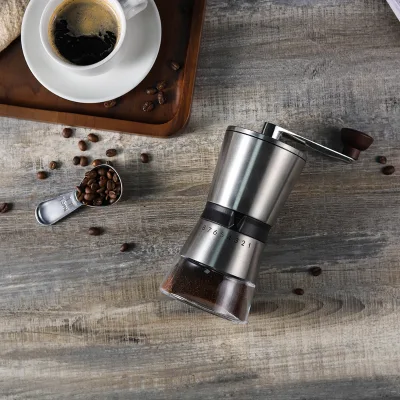
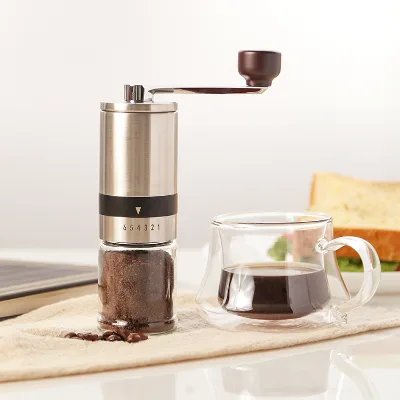

Automatic Coffee Grinder Commercial Coffee Grinder Coffee Bean Grinder
$700.00 - $730.00
MOQ: 1 Pieces

Coffee Grinder Stainless Steel Burr Coffee Grinder with Adjustable Setting
$155.00 - $160.00
MOQ: 1 Pieces


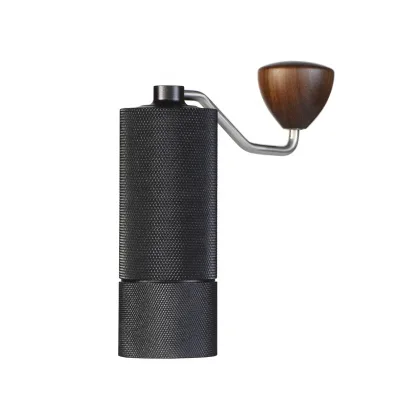


Adjustable Hand Manual Grinder Coffee Stainless Steel Manual Coffee Grinder
$14.20 - $20.00
MOQ: 1 Pieces


Comprehensive Sourcing Guide
Adjustable High-Carbon Steel Coffee Grinder Sourcing Guide
Sourcing adjustable high carbon steel coffee grinders requires a clear understanding of the mechanical advantages these materials offer in commercial and household settings. High carbon steel burrs are prized for their durability and ability to maintain a sharp edge over extended periods, ensuring consistent particle size distribution. This consistency is critical for baristas and home enthusiasts who demand precise extraction profiles. Buyers must distinguish between true high carbon steel components and generic stainless steel alternatives, as the latter may wear faster or produce inconsistent grounds under heavy use.
The market offers a variety of grinder types, including flat wheel burr grinders and manual blade or ceramic options, each serving different operational needs. While some listings highlight electric models with specific RPM and power ratings, others focus on manual mechanisms with wooden handles and glass jars. Procurement teams should align their selection with the intended volume, whether it is for a high-traffic commercial environment or a low-volume household use. Understanding these distinctions prevents mismatched expectations regarding grind speed, capacity, and maintenance requirements.
Product Scope and Observed Listing Signals
Current market listings reveal a wide spectrum of products, with observed prices ranging from $2 to $1,050 USD and minimum order quantities (MOQs) varying from 1 to 200 units. This disparity reflects the difference between basic manual grinders and sophisticated electric commercial units. For instance, some products are identified as "Allround A1" flat wheel burr grinders with aluminum housing, while others are manual coffee mills featuring beech wood handles and ceramic burrs. Buyers should carefully review product names and types to ensure they are evaluating the correct category of equipment for their specific operational scale.
Observed specifications provide critical insights into product capabilities, such as motor frequencies of 50Hz/60Hz, RPMs of 1400, and burr diameters of 83mm. These technical details are essential for verifying compatibility with local power grids and expected throughput. Additionally, attributes like "Power-off Protection" and "Quick Release" functions indicate user-centric design features that enhance safety and ease of maintenance. Procurement specialists must cross-reference these observed signals with their internal requirements to avoid purchasing units that lack necessary commercial-grade features or exceed budget constraints.
Technical Specifications to Verify
When evaluating adjustable high carbon steel grinders, verifying the burr diameter and service life is paramount for long-term performance. Specifications such as an 83mm burr diameter and a service life of 800kg suggest robust construction suitable for medium to high-volume grinding. Buyers should confirm whether the high carbon steel is used in the burrs or merely in auxiliary components, as this directly impacts grind consistency and replacement frequency. Additionally, checking the mill powder speed, such as 5g/s, helps estimate processing efficiency during peak hours.
Motor specifications and voltage compatibility are equally critical for electric models. Listings may indicate voltages of 220V and frequencies of 50Hz/60Hz, which must match the destination country’s electrical standards. For manual grinders, verify the material composition, such as 18/8 stainless steel, ceramic burrs, and glass jars, to ensure food-grade safety and durability. Dimensions and single package sizes, ranging from 150x85x215mm to larger commercial footprints, also influence storage and shipping logistics. Accurate verification of these technical parameters prevents costly returns and operational disruptions.
Compliance and Safety Documentation
Compliance with international safety and quality standards is non-negotiable for coffee grinder procurement. Buyers should request certifications such as CB and CE, which indicate adherence to rigorous electrical and mechanical safety regulations. These certifications are particularly important for electric models with motors and power supplies. Ensuring that suppliers provide valid certification documents protects against regulatory hurdles at customs and ensures the product meets local safety requirements. Without proper documentation, shipments may be delayed or rejected, impacting supply chain continuity.
Warranty terms and after-sales service provisions are also key components of compliance and risk management. A standard one-year warranty and free spare parts availability, as observed in some listings, offer valuable protection against early failures. Buyers should clarify the scope of the warranty, including coverage for burrs and motors, and understand the process for claiming spare parts. Additionally, verifying that the product origin, such as Zhejiang, China, aligns with trade agreements and tariff classifications can optimize landed costs. Proper documentation ensures legal compliance and operational reliability.
Cost Drivers and Commercial Terms
Several factors influence the total cost of ownership for adjustable high carbon steel coffee grinders, including material quality, motor complexity, and customization options. Products with aluminum housing, flat wheel burrs, and advanced features like power-off protection typically command higher prices than basic manual grinders. Buyers should assess whether the premium for high carbon steel burrs justifies the expected longevity and performance benefits. Customization options, such as logo printing, may also add to the unit cost but can enhance brand visibility for retail or commercial clients.
Commercial terms, including packaging and shipping logistics, significantly impact overall expenses. Observed packing methods, such as expandable polystyrene with five-layer outer boxes or white boxes, affect protection during transit and storage efficiency. Single gross weights, ranging from 1.200 kg to heavier commercial units, determine freight costs. Buyers should negotiate FOB Ningbo or other agreed-upon ports to clarify responsibility for shipping and insurance. Understanding these cost drivers enables more accurate budgeting and prevents unexpected expenses during the procurement process.
Supplier Qualification and Quality Control
Supplier qualification is essential to ensure consistent quality and reliable delivery of coffee grinders. Buyers should verify the supplier’s manufacturing capabilities, particularly their ability to produce high carbon steel burrs with precise tolerances. Inquiring about private mold availability and production standards helps assess the supplier’s flexibility and commitment to quality. Suppliers offering free spare parts and robust after-sales support demonstrate confidence in their product durability. Due diligence on supplier reputation and past performance reduces the risk of receiving substandard equipment.
Quality control measures should be integrated into the procurement process to maintain product integrity. Implementing pre-shipment inspections for critical dimensions, such as burr diameter and housing material, ensures compliance with specifications. Testing for electrical safety and motor performance, where applicable, verifies that products meet stated RPM and voltage requirements. Buyers should also assess the supplier’s ability to handle customization requests, such as logo printing, without compromising quality. Establishing clear quality benchmarks and inspection protocols fosters a reliable supply chain and minimizes defects.
Long-Term Procurement Checks
Long-term procurement success depends on continuous monitoring of supplier performance and product reliability. Regularly reviewing warranty claims and spare parts usage provides insights into the durability of high carbon steel burrs and other components. Buyers should track the recommended weekly grind capacity, such as 6-8kg, against actual usage to ensure the grinders are not being overworked. Maintaining open communication with suppliers regarding any emerging issues or performance concerns allows for proactive problem-solving and continuous improvement.
Adapting to market changes and technological advancements is crucial for staying competitive. Buyers should stay informed about new materials, such as improved ceramic or steel alloys, and emerging features like automatic filtration or enhanced cleaning cycles. Periodically re-evaluating supplier qualifications and exploring alternative sources can mitigate risks associated with single-supplier dependency. By focusing on long-term relationships and quality assurance, procurement teams can secure a steady supply of high-performance coffee grinders that meet evolving business needs.
FAQs
How fine can an Adjustable High-Carbon Steel Coffee Grinder grind?
An Adjustable High-Carbon Steel Coffee Grinder can typically grind from coarse french press to fine espresso, depending on the adjustment mechanism. Burr models like flat wheel burr grinders offer stepped settings for repeatable results, while manual ceramic burr units cover pour-over and moka ranges. Check the listed grind speed, such as 5g per second on commercial units, when matching output to daily volume.
What capacity should I choose for a commercial coffee grinder?
For commercial service, choose a grinder rated for 11-15 cups capacity with burrs sized around 83mm and a recommended weekly grind of 6-8kg. Those specifications suit cafes handling steady daily demand. Lighter household or outdoor use is better served by manual units with 3-cup glass jars and ceramic burrs, which trade throughput for portability and lower cost.
Which certifications should coffee grinder suppliers provide?
Request CB and CE certification as a baseline for electric coffee grinders, since these cover safety compliance for commercial equipment. Certified units also commonly include power-off protection, which prevents accidental operation after interruptions. For manual grinders, certification matters less, but you should still confirm food-contact material safety for stainless steel, ceramic burrs, glass jars, and beech wood handles.
Can I customize coffee grinders with my own logo?
Yes, customization such as logo printing is available from listed suppliers, and custom orders typically apply to housing color, packaging, and branding elements. Some models are built on private molds while others are not, which affects exclusivity. Confirm minimum order quantities before committing, since MOQ ranges observed run from single units for stock items up to 200 pieces for customized production runs.
What materials are commonly used in adjustable coffee grinders?
Common materials include 18/8 stainless steel bodies, ceramic burrs, glass jars, beech wood handles, and aluminum housing on electric models. Aluminum housings dissipate heat and resist wear in commercial settings, while ceramic burrs stay sharp longer for manual use. Handle designs range from beech wood with stainless steel lids to plastic handles on entry-level variants, so match material grade to your price tier.
How do I compare burr grinders for durability?
Compare burr service life first; a documented 800kg burr life on an 83mm flat wheel burr grinder signals durability for commercial use. Then check motor compatibility at 50Hz and 60Hz, operating speed around 1400rpm, and housing material. Quick-release functions simplify cleaning and burr replacement, and a one-year warranty plus free spare parts support indicates supplier confidence in longevity.
What is the typical packaging for coffee grinder shipments?
Packaging varies by model: electric grinders ship in expandable polystyrene with a five-layer outer box at carton dimensions near 46.5x27.5x53.5cm, while manual grinders use white boxes around 19x13x26cm with single gross weight near 1.2kg. Master cartons often hold 16 pieces at roughly 42x23x40cm. Confirm packing style and carton markings with the supplier before placing your order.
Which after-sales terms should I confirm before ordering?
Confirm warranty length, spare parts availability, and service response before ordering. Listed terms include a one-year warranty and free spare parts, which reduces long-term maintenance cost for commercial operators. Also verify voltage compatibility, such as 220V units for your market, and whether cleaning cycle functions are included, since removable parts and quick-release features cut service time in busy settings.