Source Manual Handle Tile Leveling Machine for Apartments, Highways, and Railways
Find 30 options for the Manual Handle Tile Leveling Machine, including vibrating screeds and small graders. Compare specifications for PP and aluminum models with CE and ISO certifications to find durable solutions for apartments, highways, and railways; compare the available evidence and request quotations based on your requirements.
Key considerations
Products List


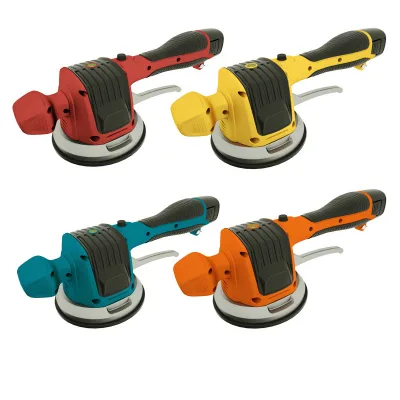
Tile Leveling Machine Electric Leveling Tiler Floor Tile Tiling Professional Tool
$39.02 - $40.87
MOQ: 100 pieces


Cost-Effective Floor Tile Leveling Tool Leveling System for Ceramic Tiles
$0.50 - $1.20
MOQ: 1000 Bags


Preferred Choice Wall Tile Leveling Instrument Twist Tile Leveling System
$0.75 - $1.00
MOQ: 1000 Bags


Comprehensive Sourcing Guide
Manual Handle Tile Leveling Machine Sourcing Guide
Procuring manual tile leveling systems requires a clear understanding of the distinction between simple plastic clips and integrated mechanical tools. The market offers a wide spectrum of products, ranging from basic reusable plastic wedges to more complex vibrating screed machines designed for rapid leveling. Buyers must first determine whether their project demands high-volume efficiency through motorized assistance or cost-effective precision through manual leverage. This decision directly influences the type of supplier engagement, the required technical specifications, and the overall budget allocation for the procurement cycle.
The observed product landscape includes items labeled as tile leveling systems, tile accessories, and even vibrating screed machines, indicating a broad categorization that can confuse inexperienced buyers. It is crucial to verify the exact mechanism of action, as some products rely on simple friction while others utilize vibration to settle tiles into a uniform plane. Understanding these mechanical differences ensures that the selected tool aligns with the specific tiling material, substrate type, and desired finish quality, preventing costly mismatches between equipment capability and project requirements.
Product Scope and Observed Listing Signals
The current market listings reveal a diverse array of products associated with tile leveling, including reusable plastic systems made from PP or PP/PE materials and more industrial-grade vibrating screed machines. These products vary significantly in their physical attributes, with colors ranging from standard yellow, red, and blue to customizable options. The packaging often consists of plastic bags within cartons, with quantities typically standardized at fifty pieces per bag, though some industrial machines are packed in wooden boxes for protection during transit. This variety suggests that buyers must carefully distinguish between consumable leveling clips and durable mechanical tools.
Observed specifications highlight a wide range of operational parameters, from small grader-type machines with gasoline power sources to compact vibrating units with specific weight standards. Some listings mention dimensions such as 45.00cm by 26.00cm, while others specify single package sizes of 20x10x10 cm, indicating a mix of accessory kits and standalone machinery. The presence of features like "strong power" and "reusable" attributes suggests that buyers should look for durability and efficiency, particularly when sourcing for large-scale commercial projects where speed and consistency are paramount.
Technical Specifications to Verify
When evaluating manual handle tile leveling machines, buyers must prioritize the material composition and structural integrity of the components. Products made from PP or PP/PE offer durability and chemical resistance, which are essential for withstanding the rigors of construction sites. It is vital to verify the exact model number and design specifications, as some listings reference specific models like GND-X1000258 or generic "super-power" tiling machines. Confirming these details ensures that the purchased equipment meets the mechanical demands of the intended application, whether it involves quick leveling of tiles in apartments or more demanding highway and railway projects.
Power sources and operational speeds are critical differentiators, especially when comparing manual tools against motorized vibrating screeds. While some systems rely entirely on manual force, others may incorporate gasoline engines like the Gx140 or electric motors with maximum rotating speeds up to 6000 R/Min. Buyers should verify the energy type and power output to ensure compatibility with their site conditions and safety protocols. Additionally, checking the weight and dimensions of the equipment helps in planning logistics and ensuring that the tool is manageable for the workforce, balancing efficiency with ergonomic considerations.
Compliance and Safety Documentation
Certification requirements are a fundamental aspect of sourcing construction equipment, with many listed products displaying CE, ISO, and RoHS marks. These certifications indicate adherence to international standards for safety, environmental protection, and quality management, which are crucial for ensuring that the equipment is safe for operator use and compliant with local regulations. Buyers must verify the validity of these certifications, particularly for motorized devices like vibrating screeds, which may have additional electrical or mechanical safety requirements. Ensuring that the supplier provides up-to-date documentation helps mitigate liability and ensures that the equipment meets the necessary regulatory thresholds for import and use.
Safety features and operational warnings should be clearly documented in the product manuals and packaging. For manual handle systems, this includes ergonomic designs that reduce strain and clear instructions on proper usage to prevent injury. For motorized units, buyers should look for evidence of protective guards, emergency stop mechanisms, and stable bases to prevent tipping during operation. Verifying that the supplier offers comprehensive safety guidelines and that the equipment is designed with user protection in mind is essential for maintaining a safe working environment and reducing the risk of workplace accidents.
Cost Drivers and Commercial Terms
The pricing for tile leveling equipment varies significantly based on the complexity of the mechanism and the materials used. Observed price ranges span from low-cost plastic accessories to higher-priced motorized machines, reflecting the diverse needs of different project scales. Buyers should consider the total cost of ownership, including the durability of the components and the frequency of replacement. Reusable systems offer long-term savings despite higher initial costs, while disposable clips may be more economical for small, one-off projects. Understanding these cost drivers helps in making informed budgetary decisions that align with the project's financial constraints and operational goals.
Commercial terms such as MOQ, lead times, and customization options play a significant role in the procurement process. Many suppliers offer flexible MOQs, with some stating that requirements depend on the buyer's needs, while others have standard minimums. Lead times are typically around one week, but this can vary based on the order size and customization requests. Buyers should also explore options for OEM/ODM support and free samples to evaluate product quality before committing to large orders. Negotiating these terms effectively can lead to better pricing, faster delivery, and tailored solutions that meet specific project requirements.
Supplier Qualification and Quality Control
Selecting a reliable supplier is critical for ensuring the quality and consistency of tile leveling equipment. Buyers should prioritize suppliers who offer support services such as design assistance, market analysis, and free samples. These services indicate a commitment to customer satisfaction and provide valuable insights into the supplier's capabilities and responsiveness. Verifying the supplier's location, such as Foshan in Guangdong or Henan, can also provide context regarding their manufacturing expertise and supply chain efficiency. Establishing a relationship with a qualified supplier ensures access to high-quality products and reliable after-sales support.
Quality control measures should be rigorously assessed before finalizing any procurement agreement. Buyers should request detailed product specifications, material certifications, and test results to verify that the equipment meets the required standards. Inspecting sample units for build quality, functionality, and durability is essential to ensure that the bulk order will perform as expected. Additionally, establishing clear communication channels for addressing any issues or defects during the production process helps maintain quality standards and ensures that the final delivered products meet the buyer's expectations and project requirements.
Long-Term Procurement Checks
Establishing a framework for ongoing supplier performance evaluation is essential for maintaining a steady supply of high-quality tile leveling equipment. Buyers should regularly review supplier metrics such as delivery times, product consistency, and responsiveness to issues. Tracking these metrics helps identify potential problems early and allows for proactive management of the supply chain. Building a long-term relationship with a trusted supplier can lead to better pricing, priority service, and access to new product innovations, ensuring that the buyer remains competitive in the market.
Continuous improvement in procurement processes should be driven by feedback from end-users and project outcomes. Buyers should gather insights from field teams regarding the ease of use, durability, and effectiveness of the leveling systems. This feedback can inform future purchasing decisions and help refine specifications for subsequent orders. Additionally, staying informed about industry trends and technological advancements in tile leveling equipment allows buyers to make strategic investments in tools that enhance productivity and quality, ensuring that their procurement strategy evolves in line with market demands and project complexities.
FAQs
What materials are used for manual handle tile leveling machines?
These systems are primarily constructed from durable PP or PP PE materials to ensure longevity and resistance to wear during installation. Some components may utilize aluminum for specific structural parts. The choice of material supports the reusable nature of the system, allowing for multiple applications across different tiling projects without significant degradation of performance or structural integrity.
Can I get custom colors for tile leveling accessories?
Yes, customization is available for these tile leveling systems. While standard options include yellow, red, blue, and orange, buyers can often request any color they want to match their brand or project requirements. This flexibility is supported by OEM and ODM services, allowing for tailored aesthetic solutions that meet specific visual preferences for construction sites or retail packaging.
What is the typical lead time for delivery?
Delivery usually takes about one week, though this depends on the specific MOQ and order volume. Buyers should note that lead times are flexible and based on the agreed quantity. This relatively short turnaround supports efficient project scheduling, ensuring that necessary leveling tools arrive promptly to keep construction timelines on track without unnecessary delays in the supply chain.
Are these tile leveling systems reusable?
Yes, the tile leveling systems are designed to be reusable. This feature reduces long-term costs for contractors and builders who perform multiple tiling jobs. The durable construction from materials like PP ensures that the clips and wedges can withstand repeated use, making them a cost-effective solution for both large-scale commercial projects and smaller residential renovation tasks requiring precise tile alignment.
What certifications do these products typically hold?
Products often hold CE, ISO, and RoHS certifications, indicating compliance with international safety and environmental standards. These credentials assure buyers of the product's quality and regulatory adherence. The presence of ISO certification further highlights the manufacturer's commitment to quality management systems, providing confidence in the consistency and reliability of the tile leveling accessories for professional construction applications.
How are the tile leveling systems packaged?
The systems are typically packaged in plastic bags containing 50 pieces, which are then placed inside cartons for bulk shipping. Some variations may include plastic protective films for additional safety. This packaging method ensures that the components remain organized and protected during transit, facilitating easy handling and storage on-site while minimizing the risk of damage to the reusable leveling clips and wedges.