Source Adjustable Shelves Display Fridge for Beverage, Beer, and Milk
Source adjustable shelves display fridge units from 30 verified options. Compare capacities ranging from 150L to over 1000L, cooling methods, and thermostat types to find the right commercial solution for your retail needs; compare the available evidence and request quotations based on your requirements.
Key considerations
Products List




Comprehensive Sourcing Guide
Adjustable Shelves Display Fridge Sourcing Guide
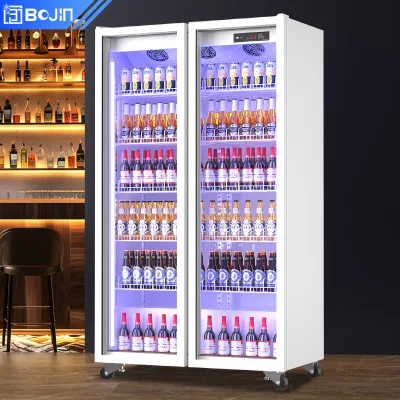
Procuring adjustable shelves display fridges requires careful attention to the specific cooling architecture and internal layout flexibility needed for retail environments. These units are designed primarily for displaying beverages, milk, and fruit, offering a versatile solution for supermarkets and convenience stores. The core functionality relies on direct or air cooling methods, ensuring consistent temperature maintenance within the 0-10°C range for optimal product preservation. Buyers must evaluate whether the unit supports single or double-door configurations to match their floor space and traffic flow requirements.
The internal organization is a critical factor, as these units often feature impregnated steel wire shelves that can be repositioned to accommodate various product sizes. This adaptability allows retailers to maximize display capacity without compromising the structural integrity of the cooling system. Whether selecting a model with a mechanical thermostat or a smart thermostat, the ability to adjust shelving is essential for maintaining an organized and attractive presentation. Understanding the specific volume capacity, which ranges from 150 to over 2000 liters, helps in selecting the right unit for the intended storage volume.
Product Scope and Observed Listing Signals
The market for these display units presents a wide spectrum of options, with observed prices ranging from $1.50 to $2899 depending on the complexity and capacity of the model. Minimum order quantities vary significantly, starting from a single unit up to 600 pieces, which influences the procurement strategy for small retailers versus large distributors. The product scope includes both single-temperature and dual-function units capable of cold storage and freezing, catering to diverse inventory needs. Buyers should note that while some models offer manual defrosting, others provide auto defrost capabilities to reduce maintenance labor.
Listing signals indicate that customization is widely available, allowing for tailored solutions regarding door types, colors, and optional parts like LED lighting or specific handles. The frame material is typically a combination of plastic or metal, ensuring durability while maintaining a sleek aesthetic suitable for modern retail spaces. Glass doors are often optional, with tempered low-E glass being a common upgrade for enhanced visibility and energy efficiency. The capacity range spans from compact 101-200L units to large commercial units exceeding 501L, providing flexibility for different store sizes.
Technical Specifications to Verify
Verifying the compressor brand is a primary technical step, as reputable manufacturers like Donper, Huaiyi, Gmcc, and Wanbao are commonly specified in high-quality listings. These components are the heart of the cooling system, directly impacting energy efficiency and long-term reliability. Buyers must confirm the voltage requirements, which typically align with 220-240V at 50-60Hz, to ensure compatibility with local electrical infrastructure. Additionally, the condenser placement, whether inside or outside the unit, affects installation flexibility and heat dissipation efficiency in the retail environment.
The temperature control mechanism is another critical specification, with options ranging from simple mechanical thermostats to advanced smart thermostats for precise regulation. The defrost type, either manual or automatic, dictates the operational maintenance schedule and potential downtime for cleaning. Door types, including swing or sliding mechanisms, must be selected based on the available aisle width and customer access patterns. Furthermore, the inclusion of castors with brakes ensures that the heavy units can be moved for cleaning while remaining securely in place during operation.
Compliance and Safety Documentation
Ensuring that the display fridge meets international safety and environmental standards is non-negotiable for global procurement. The observed certification landscape includes CE, RoHS, ISO, CCC, CB, SASO, EMC, GS, and ETL, which collectively validate the product's electrical safety and environmental compliance. Buyers should request specific test reports for these certifications to verify that the unit has undergone rigorous testing for electrical hazards and material safety. The presence of these certifications often indicates that the manufacturer adheres to strict quality control protocols required for export markets.
Safety documentation must also cover the locking mechanisms, as many units come equipped with keys to secure valuable inventory from unauthorized access. The internal lighting system, typically utilizing LED technology, should be verified for energy efficiency and heat generation to prevent product spoilage. Additionally, the packaging standards, which often involve foaming, five-layer cartons, and wooden base pallets, are crucial for protecting the unit during transit. Buyers should ensure that the packaging instructions align with their logistics capabilities to prevent damage upon arrival.
Cost Drivers and Commercial Terms
The final cost of an adjustable shelves display fridge is driven by several factors, including the compressor brand, the type of glass door, and the overall volume capacity. Units with smart thermostats and auto defrost features generally command a higher price point compared to those with mechanical controls and manual defrosting. The optional parts, such as specific handles, baskets, or stickers, also contribute to the total cost, requiring buyers to prioritize features that add genuine value to their retail display. Understanding these cost drivers helps in negotiating better terms and avoiding unnecessary expenditures on non-essential features.
Commercial terms, particularly the minimum order quantity (MOQ), play a significant role in the procurement strategy, with ranges observed from 1 to 600 units. Buyers should clarify the lead times and payment terms associated with different order volumes to ensure alignment with their inventory planning. The origin of the product, often Qingdao, can influence shipping costs and delivery timelines, which must be factored into the total landed cost. Clear communication regarding the packaging requirements and any customization fees is essential to avoid unexpected charges during the finalization of the order.
Supplier Qualification and Quality Control
Selecting a qualified supplier involves verifying their production capabilities and adherence to the specified product standards, such as the dimensions 12007302050MM or 7007102000MM. Buyers should assess the supplier's ability to provide consistent quality across different batches, especially when ordering large quantities with specific customization requirements. The presence of a robust quality control process, including pre-shipment inspections, is vital to ensure that the units meet the agreed-upon specifications for temperature range and cooling performance.
Quality control checks should also focus on the assembly of the door mechanisms and the stability of the adjustable shelves, which are critical for daily retail operations. Suppliers should be able to demonstrate their experience with the specific compressor brands and cooling technologies used in their units. It is advisable to request samples or visit the manufacturing facility to verify the build quality and the integrity of the frame materials. Establishing a clear communication channel for addressing any quality issues post-delivery is equally important for maintaining a long-term partnership.
Long-Term Procurement Checks
Establishing a long-term procurement strategy requires regular monitoring of the supplier's performance and the product's reliability in the field. Buyers should track the frequency of maintenance issues, such as compressor failures or thermostat malfunctions, to identify potential quality trends. Regular feedback from store staff regarding the usability of the adjustable shelves and the effectiveness of the cooling system can provide valuable insights for future purchasing decisions. This continuous evaluation helps in maintaining high standards of product performance and customer satisfaction.
It is also essential to review the availability of spare parts and the supplier's support for warranty claims over the product's lifecycle. As technology evolves, suppliers may introduce updated models with improved energy efficiency or enhanced features, which buyers should consider for future replacements. Maintaining a relationship with a supplier who offers flexible customization and reliable after-sales support ensures that the procurement process remains efficient and cost-effective. Regular audits of the supply chain can help mitigate risks associated with production delays or quality inconsistencies.
FAQs
What temperature range does the display fridge maintain?
The unit maintains a temperature range of 0 to 10 degrees Celsius for optimal fruit and beverage storage. Some models offer a specific range of plus 4 to plus 10 degrees Celsius to ensure freshness. This range supports both cold storage and freezing functions depending on the specific configuration selected by the buyer.
Which certifications are available for these refrigeration units?
These units come with multiple certifications including CE, RoHS, ISO, CCC, CB, SASO, EMC, GS, and ETL. Buyers can verify compliance with international safety and environmental standards through these documented certifications. The specific certification list may vary slightly based on the target market and model configuration.
Can the door number be customized for different needs?
Yes, the door number is available as an optional customization with choices for one, two, or three doors. This flexibility allows buyers to select the configuration that best fits their retail space or display requirements. The doors are typically swing or sliding types made with tempered low E glass.
What power source and voltage specifications are supported?
The display fridge operates on electricity with a voltage specification of 220 to 240 volts at 50 to 60 hertz. This standard power source ensures compatibility with most commercial electrical grids. The power consumption varies by model, with options ranging from 1.30 to 2.30 kilowatts depending on the cooling capacity.
How is the internal shelving constructed for durability?
The internal shelves are constructed from impregnated steel wire to ensure durability and resistance to corrosion. This material choice supports heavy loads of beverages, milk, or fruit without bending. The shelves are often included as optional parts alongside LED lighting and handles for a complete display setup.
What is the capacity range for these display coolers?
The capacity ranges from 150 to 1000 liters, with specific models offering volumes between 420 and 2260 liters. Buyers can select a unit based on their storage needs, ranging from small 101 to 200 liter units to larger commercial units exceeding 501 liters. This variety supports diverse retail environments.
Which compressor brands are used in these units?
The units utilize compressors from reputable brands such as Donper, Huaiyi, Gmcc, and Wanbao. These components ensure reliable cooling performance for direct or air cooling methods. The choice of compressor contributes to the overall efficiency and longevity of the display refrigerator in commercial settings.